A parts braid is any braided style where the parting lines, straight, geometric, or curved, do as much work as the braiding itself. This season, the trend is moving away from uniform grid parts toward softer, more intentional lines that feel modern rather than strict.
These 15 styles cover the spectrum: some take an hour to section, others are faster than a wash-and-go. They work for fine, medium, and dense textures, and they solve a common problem, how to make a protective style feel finished, not thrown together. Parts Braids are the framework; the braid does the rest.
The 15 looksOpen list +
Long Ghana Braids With Curly Extensions
The feed-in pattern here runs along the scalp in a continuous motion, so there is no visible knot at the start of each braid. The curly extensions take over past the nape, giving the style a distinct shift in texture from flat to full. A middle part keeps the symmetry clean, which works well for anyone with a medium to long natural base who wants length without waiting for growth.
Ask your stylist for: Long Ghana braids with curly extensions, distinct feed-in pattern. The technique demands a salon visit: each feed-in section is built strand by strand. Apply a light serum to the curly extensions to maintain definition and reduce frizz between washes.
Thick Box Braids With Geometric Parts
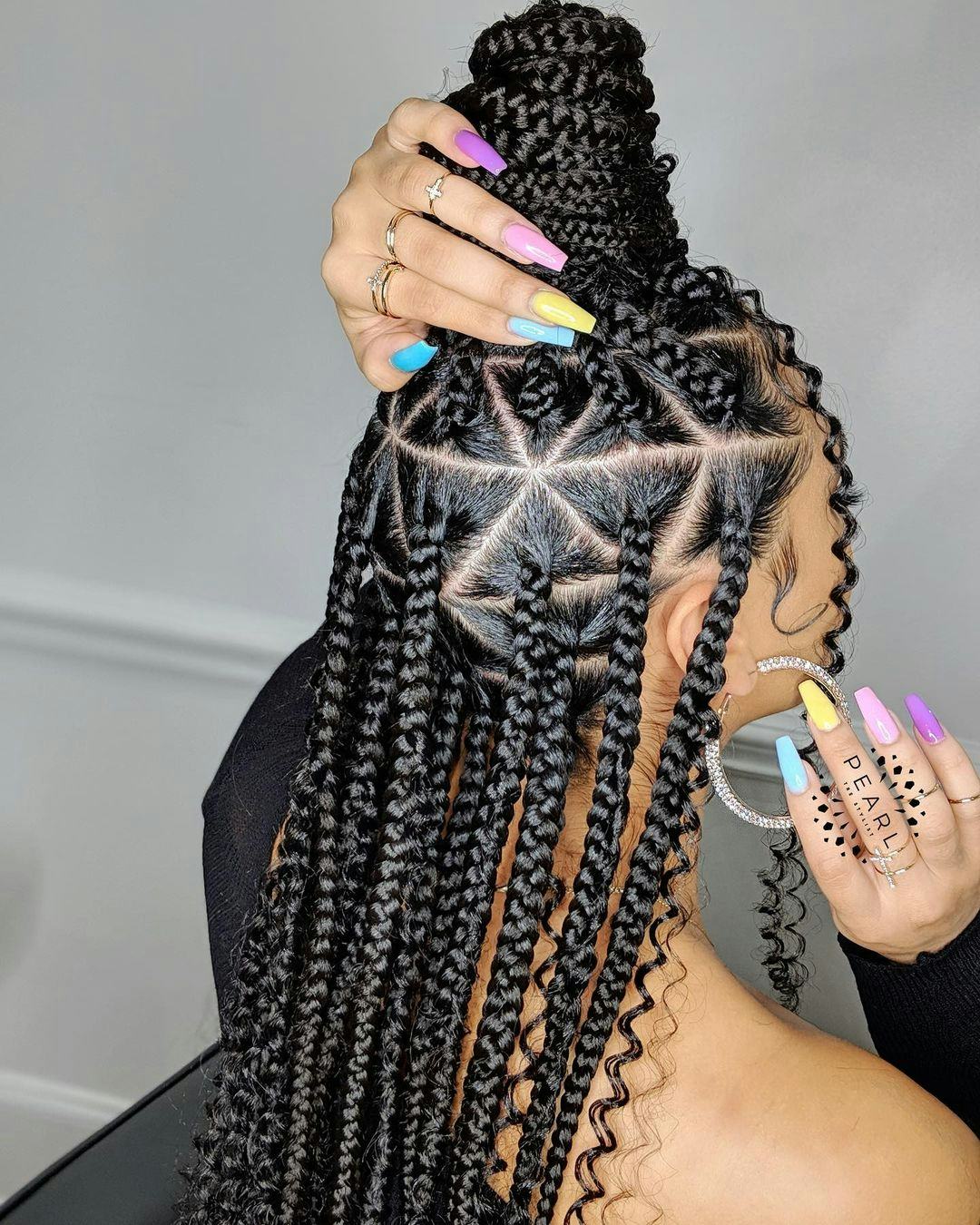
Can thick hair handle precise scalp patterns? It does here, because the density gives the geometric parts enough visual weight to read clearly. The braids stop at mid-back, and the curly ends add a soft finish that keeps the overall look from feeling severe.
Ask your stylist for: Thick box braids with geometric parts to mid-back. This works best for natural hair with real thickness: fine or thin textures may not hold the parting lines as sharply. Use a mousse designed for braids to keep the parts crisp and the hair smooth between appointments.
Mid-Back Box Braids With Blonde Highlights
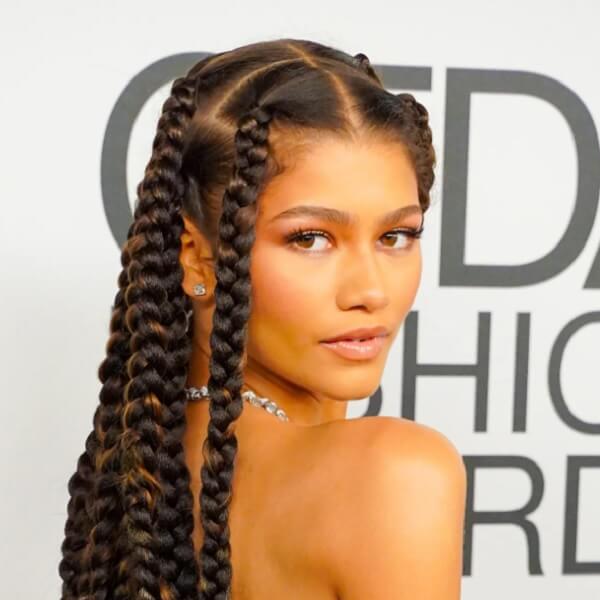
Dark brown braids with subtle blonde highlights read differently than all-over color: the contrast stays muted because the highlights are woven in sparingly, not painted in chunks. The middle part lets the light catch those lighter strands evenly on both sides. A toning appointment every six to eight weeks keeps the blonde from pulling brassy against the dark base, and a color-safe leave-in conditioner helps maintain the vibrancy between visits.
Mid-Back Straight Box Braids With Middle Part
A middle part in straight box braids is a test of precision: if the line is off, every braid below looks uneven. Here the parting runs clean from hairline to nape, and the uniformly straight texture means nothing disrupts the line. Dense hair is the ideal starting point, as sparse sections would weaken the visual weight of the part.
Ask your stylist for: Mid-back straight box braids with a clean middle part. The style holds its shape for about two to three weeks before the roots need attention, so a trim or touch-up at the four-week mark keeps the part looking intentional rather than blurred.
Mid-Back Braids With Intricate Geometric Parts
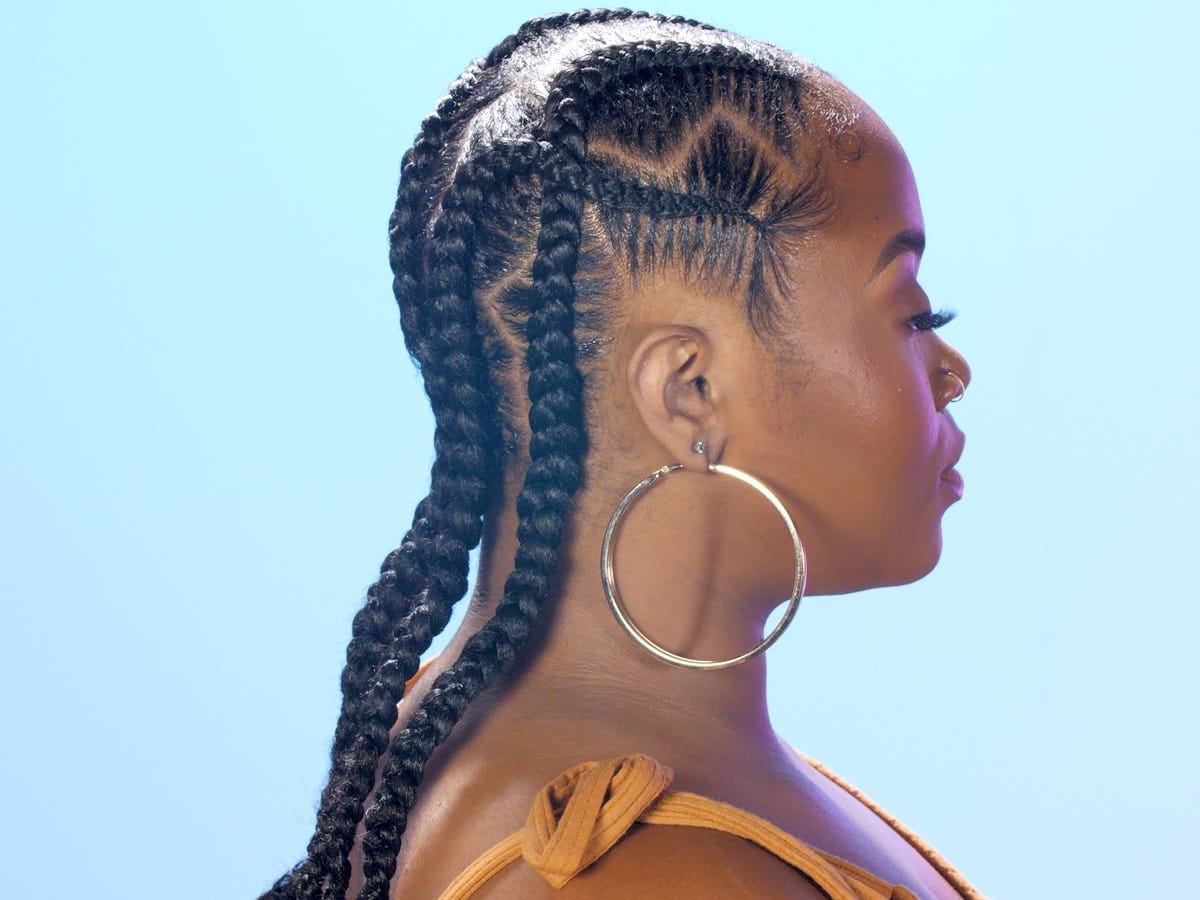
How do you describe a pattern that is not a simple square or triangle? Bring a reference image: words like zigzag, diagonal and intersecting lines give the stylist a starting point, but a photo removes the guesswork. The braids here are straight and black, so the scalp pattern becomes the focal point rather than color or texture.
Ask your stylist for: Mid-back braids with intricate geometric parts. The parting lines must be mapped before any braiding begins, so expect the consultation to take longer than a standard install. Keep the scalp moisturized with a light oil to maintain the crispness of the pattern as the style wears.
Cornrows Into High Ponytail
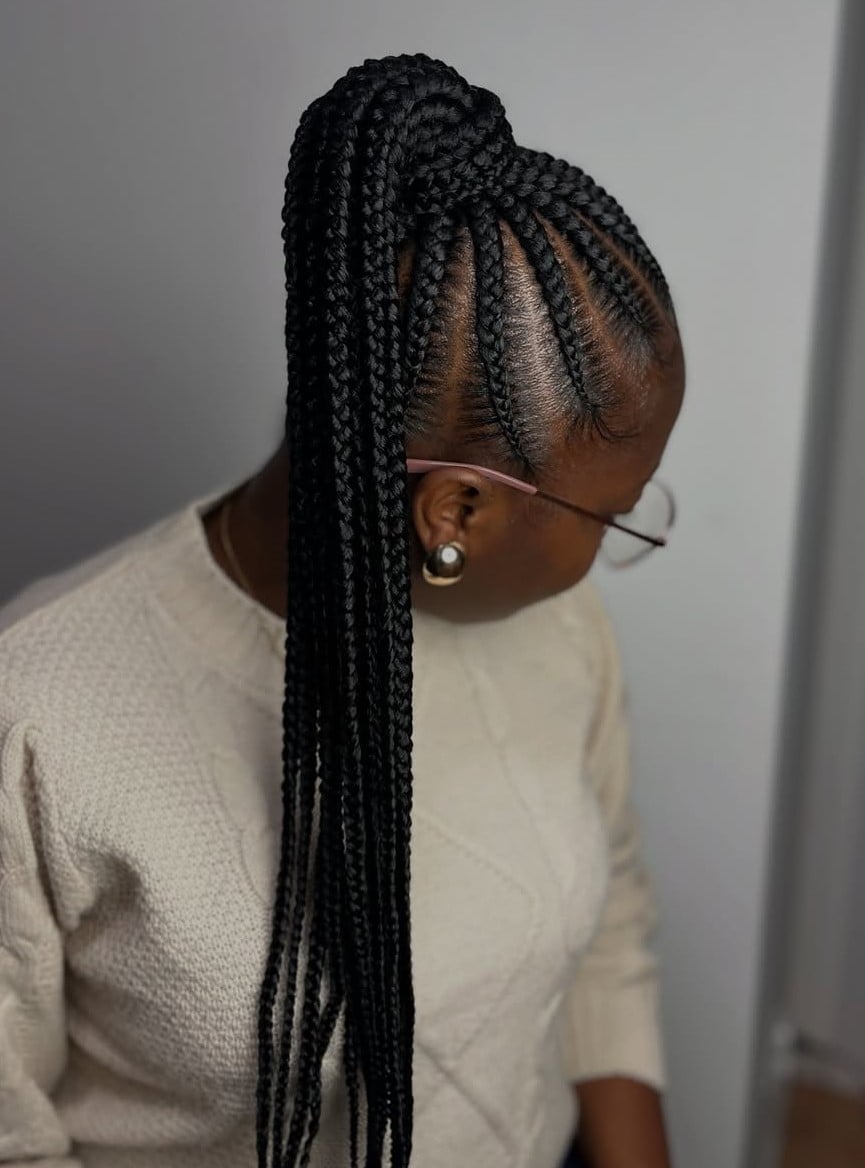
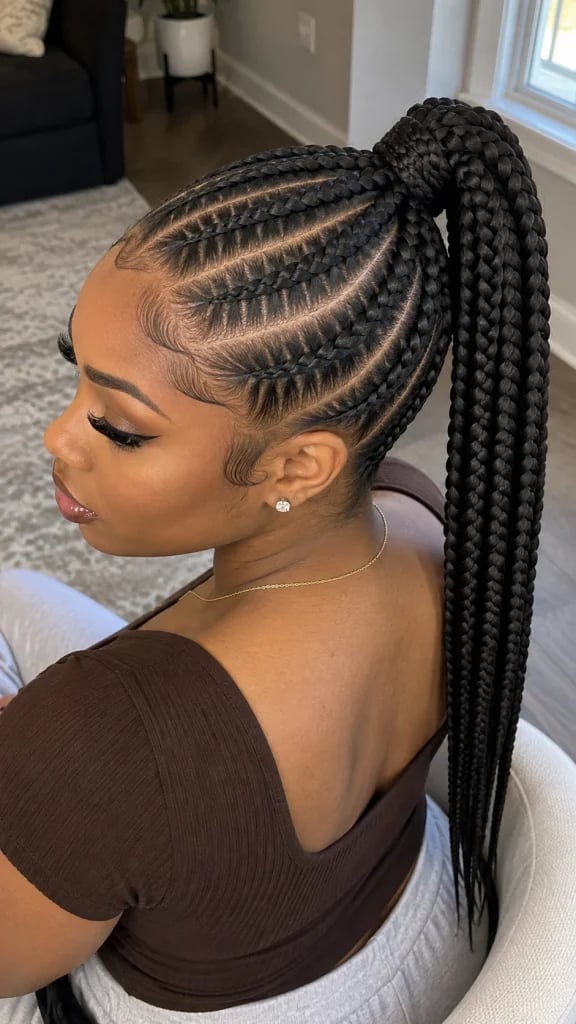
A middle part runs clean down the scalp, splitting the geometric cornrow pattern into two matching halves before every row feeds upward into a high ponytail. The cornrows sit tight and flat against the head; the braids below the tie hang long and thick, straight from root to tip, in a solid black. Ask your stylist for: cornrows into a high ponytail, middle part. Thick, straight hair holds the row structure best, and the mid-back length gives the ponytail real weight.
This is a salon build, not a kitchen-table job. The precision of the parts is the whole point, and a rushed row shows. Once set, a strong-hold hairspray smooths flyaways along the cornrow sections, and the style holds its shape through sweat and long days. Book it for an athletic event or a casual week when hair off the face matters, because the ponytail keeps everything clear of your eyes.
Shoulder-Length Box Braids With Highlights and Creating Dimension
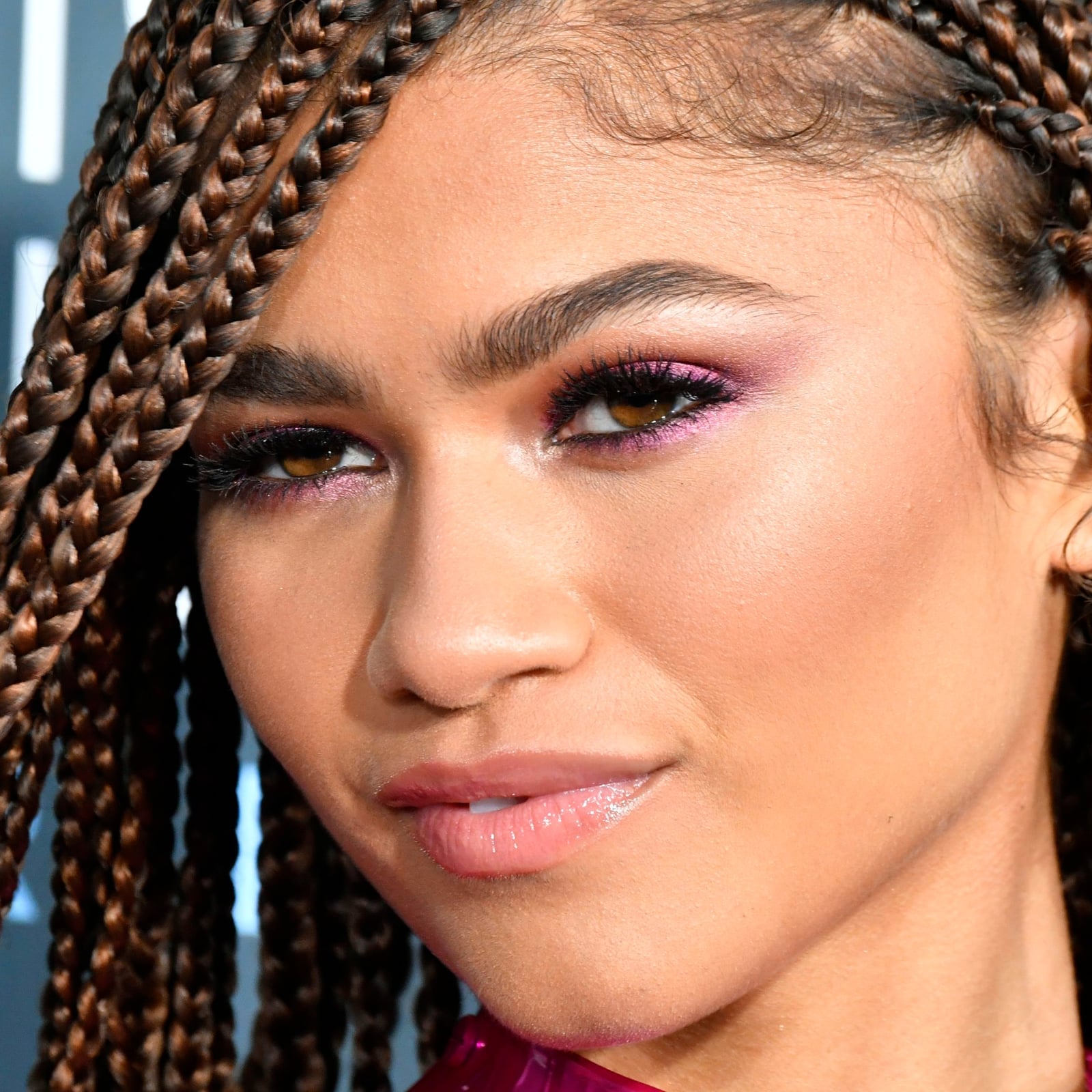
Who should consider shoulder-length box braids with highlights? Anyone with fine to medium hair who wants the length without the weight, since shorter braids put less strain on the roots. The dark brown base with lighter brown highlights adds dimension, and the wavy texture softens the overall shape, making it a practical choice for round or square face shapes. Ask your stylist for shoulder-length box braids with subtle highlights and a middle part. A lightweight oil on the ends keeps the wave defined and adds a bit of shine without weighing the braids down.
Mid-Back Thin Braids With Geometric Parts, Black
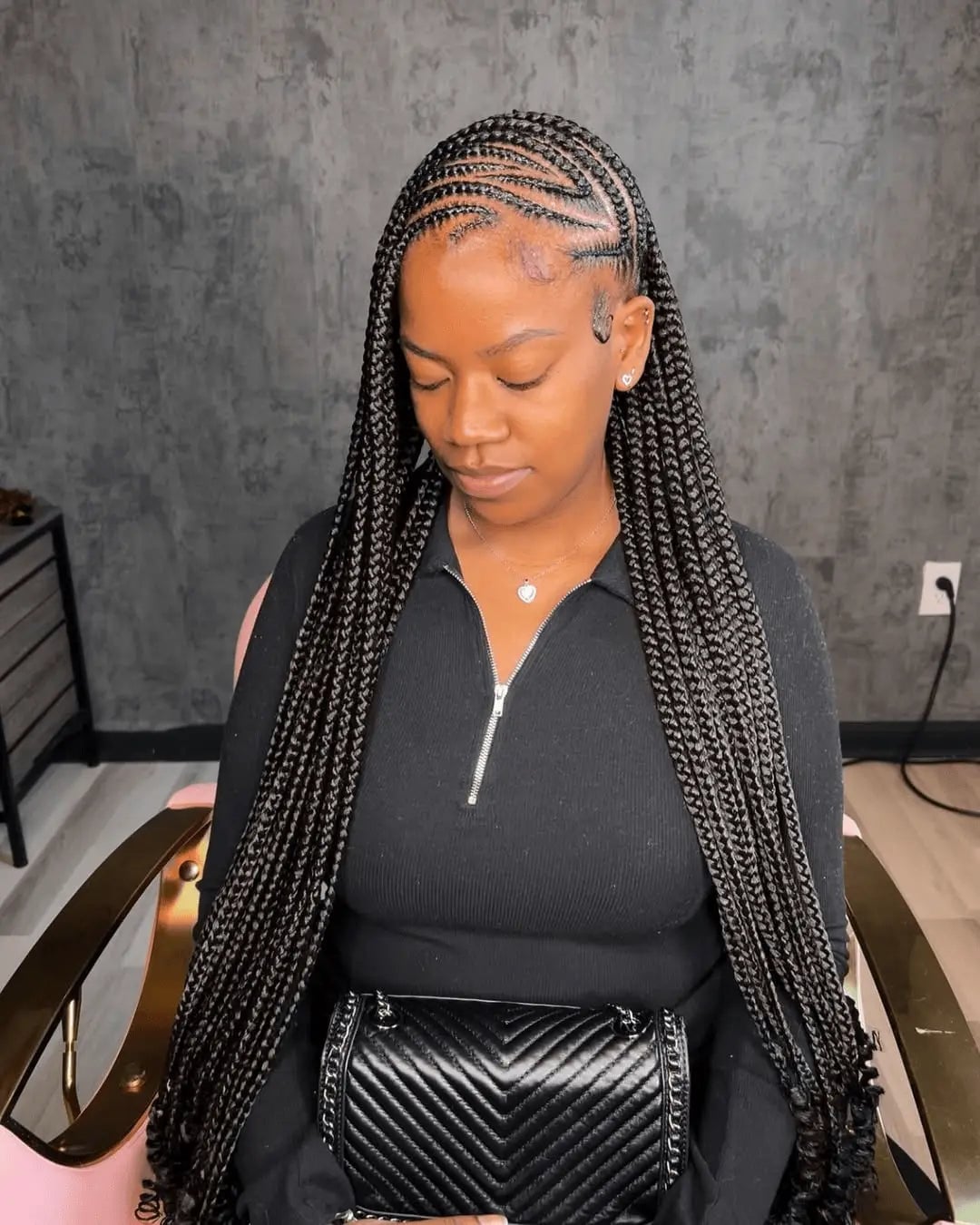
Thick box braids hide a lazy part. Thin braids do the opposite: every geometric line on the scalp is exposed, which is why the pattern is the draw here and also the catch. Black, straight braids run to mid-back in dense, uniform rows, and the parts between them stay razor-sharp only as long as the roots do. New growth blurs those lines in three to four weeks, and no amount of styling brings them back without a redo. Ask your stylist for: mid-back thin braids, precise geometric parts. If you want a set you can leave alone for months, this is the one to skip; if you enjoy the upkeep, nothing else looks quite like it.
Collarbone Box Braids With Wavy Ends
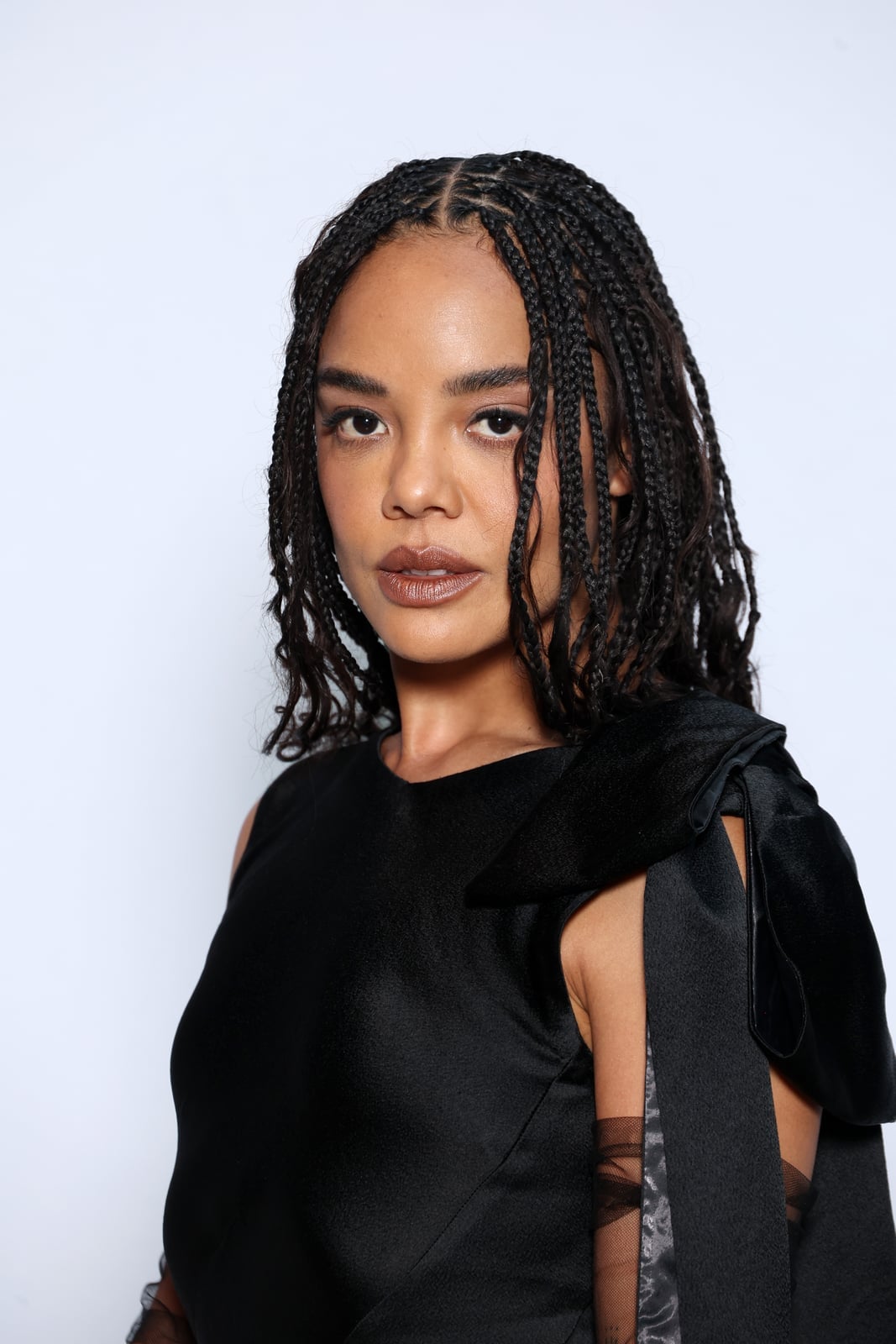
Ask your stylist for: collarbone box braids, middle part, wavy ends. The wave is the first thing to go, so work a small amount of anti-frizz serum into the ends and book a salon refresh every six to eight weeks to keep the finish from straightening out.
Braids With Loose Curls And Face Framing
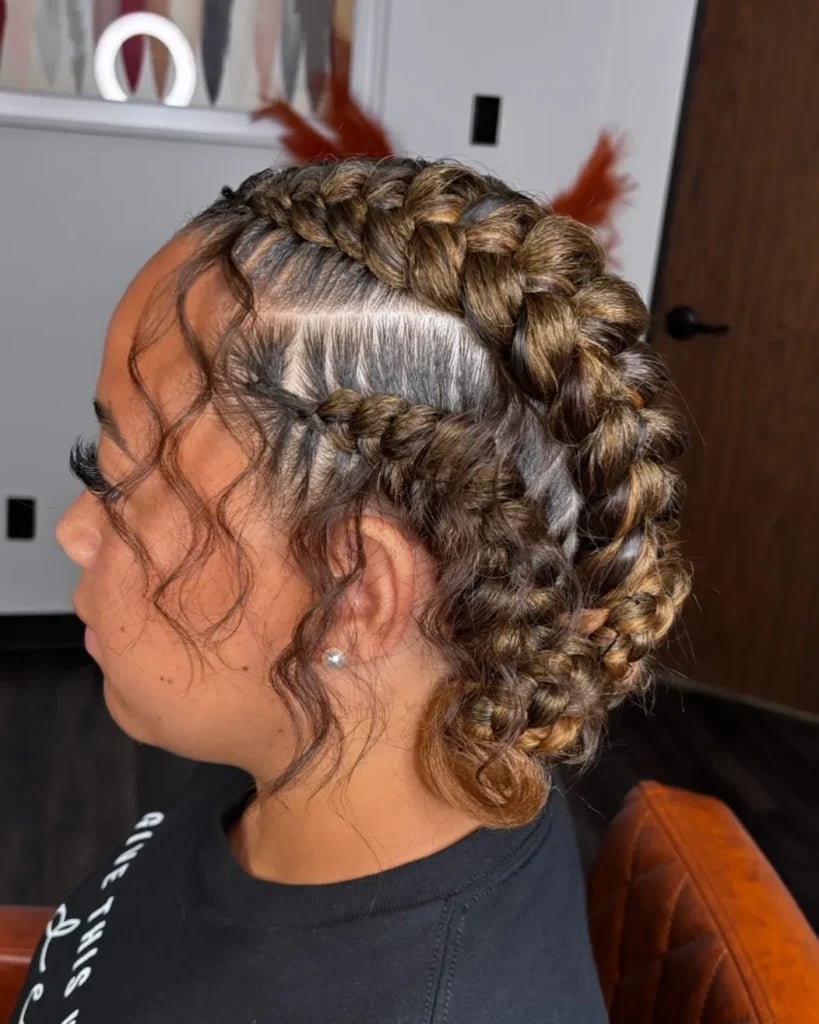
Can you build the braid-and-curl mix at home? The braids, maybe; the balance, rarely. Brown and blonde highlights give the mixed braids and loose curls their depth, and a middle part keeps the face-framing tendrils symmetrical. Ask your stylist for: braids with loose face-framing curls, middle part. At home you would need to braid the scalp pattern cleanly and then match the curl size to the braid scale, which is where most attempts go lopsided. Salon time runs long, but the softness around the face is hard to fake. Gently separate the curls with your fingers to keep them from clumping.
Short Crown Braids With Coily Texture
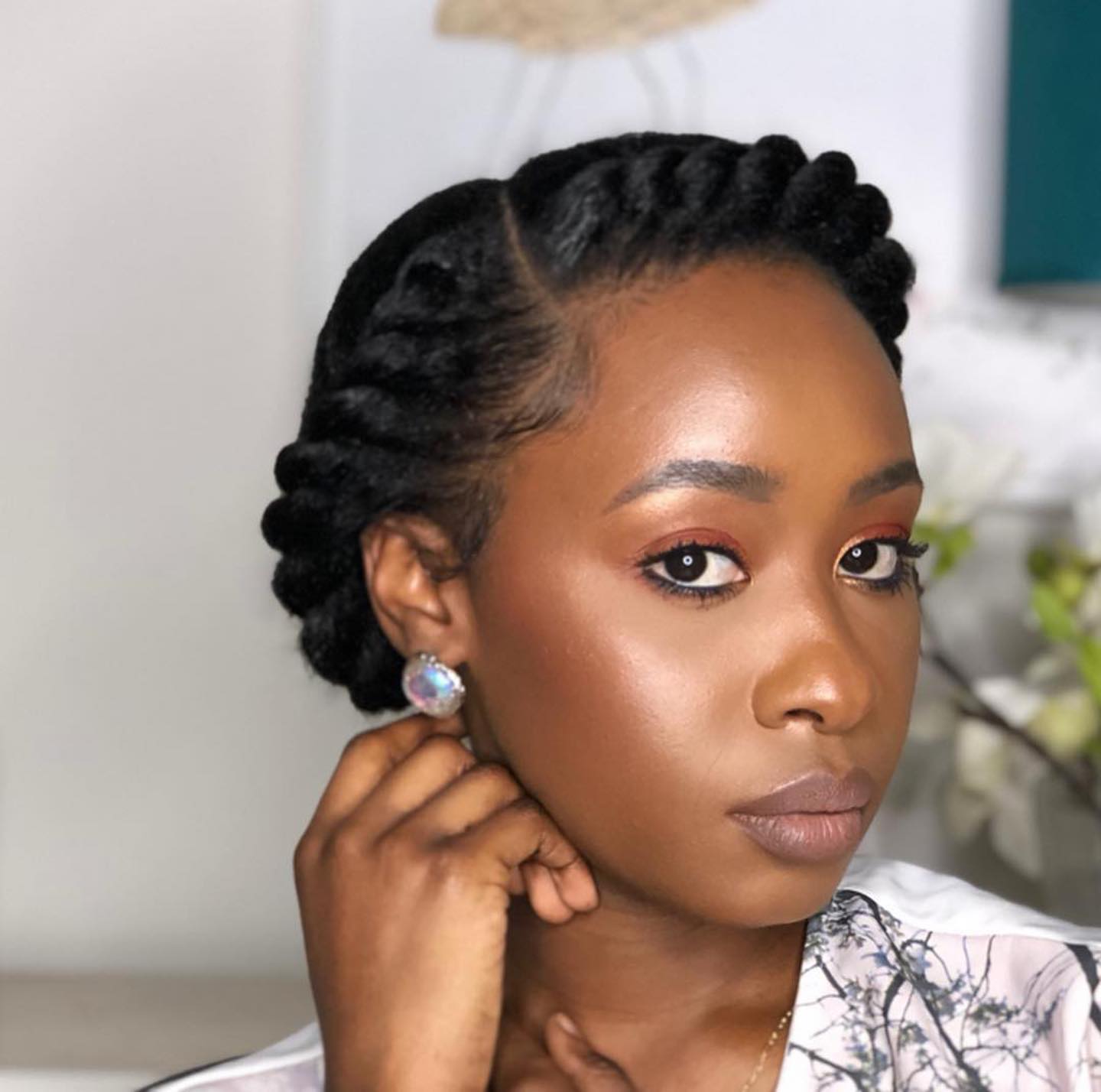
The design here is a literal halo: thick braids follow the curve of the hairline, wrapping around the head instead of falling down. That circular layout works best on a middle part, with the coily texture giving the braids a dense, substantial feel. A short length keeps the crown close to the scalp, so the silhouette stays compact.
Ask your stylist for short crown braids with a coily texture. This is a salon-only style because the circular path requires precision in the parting and tension. The natural coily texture helps the braids grip themselves, which is one less thing to fight against. A leave-in conditioner applied at the roots before braiding keeps the hair from drying out while the style is in.
Mid-Back Knotless Braids With Geometric Parts, Straight
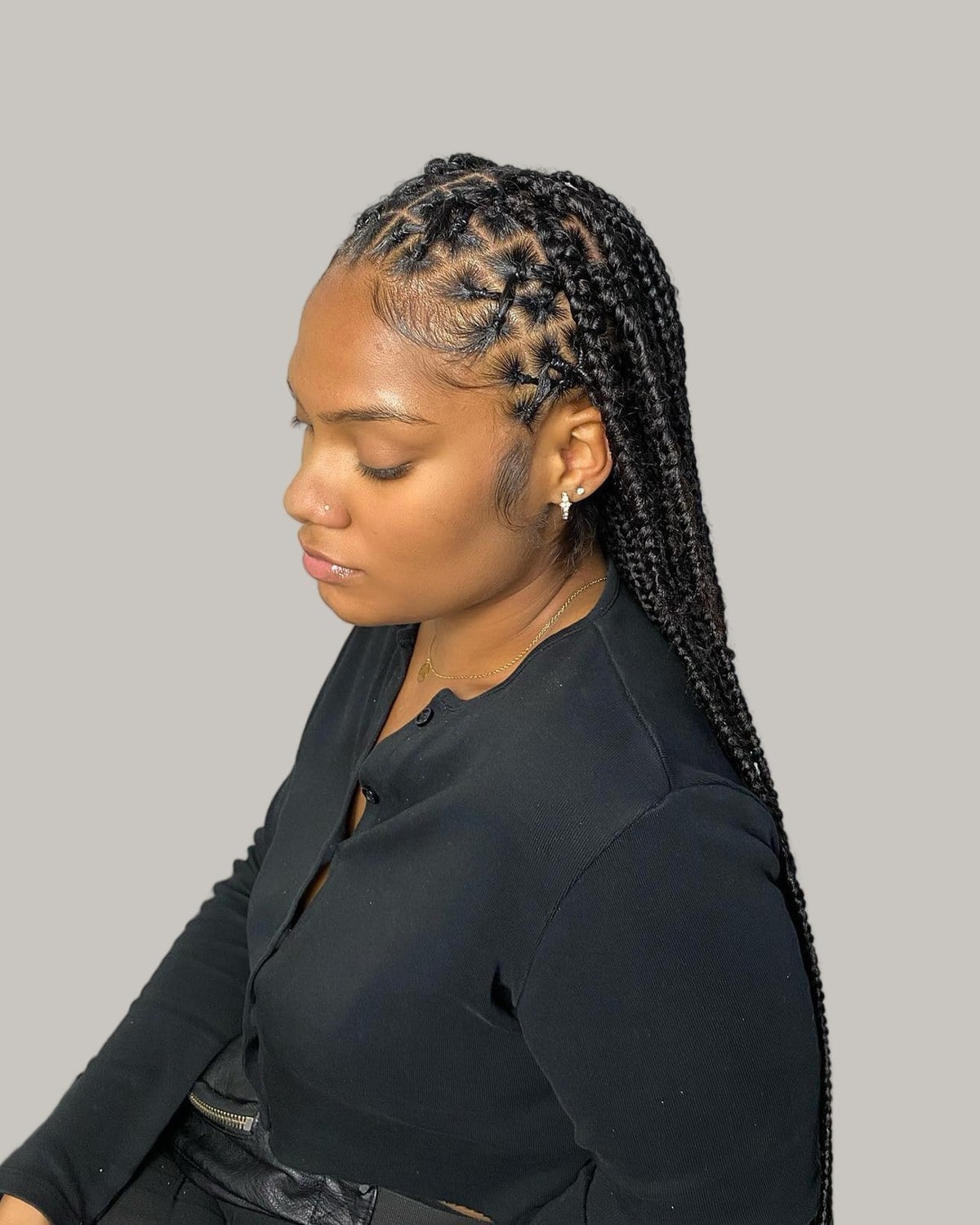
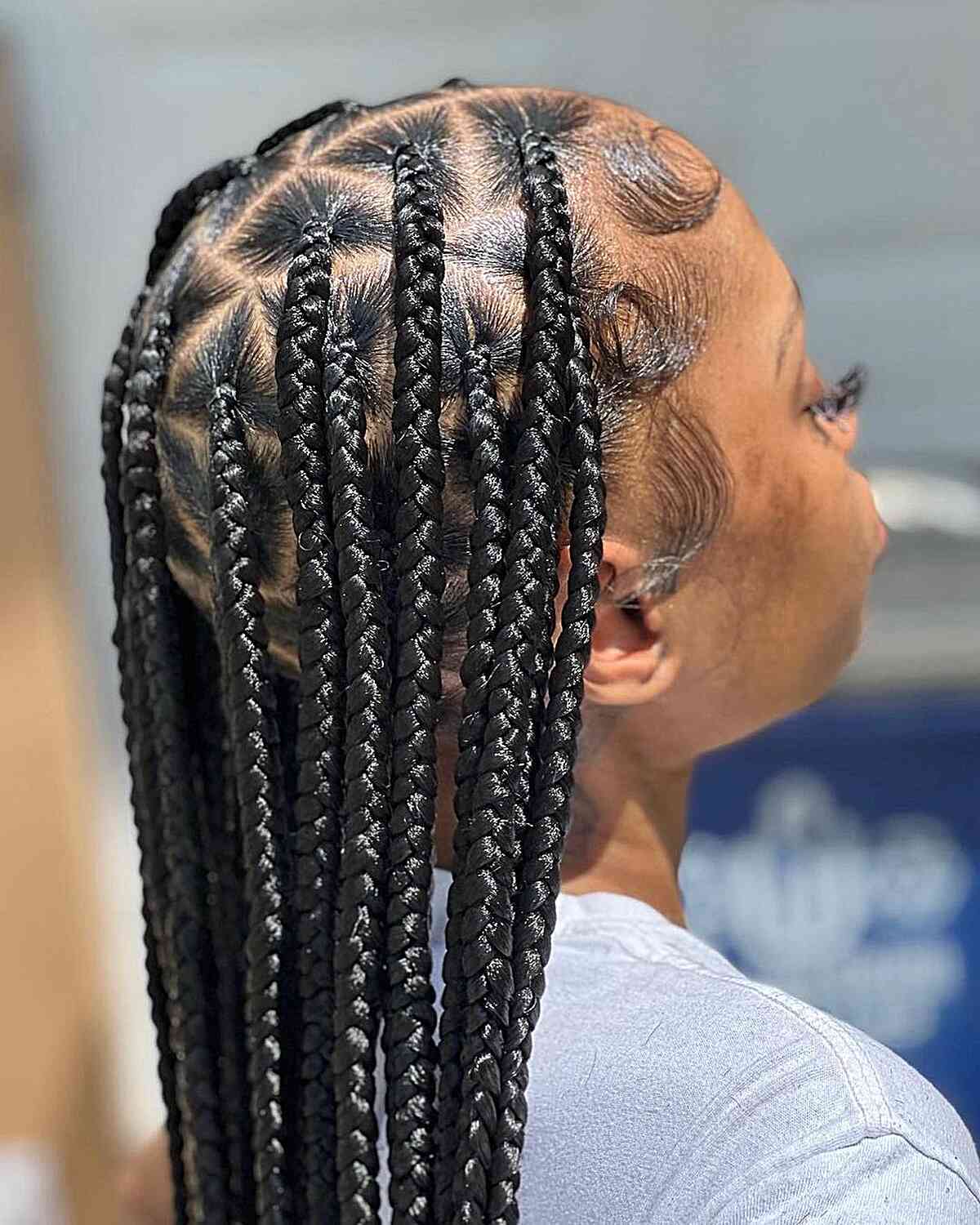
Knotless braids differ from traditional box braids in one meaningful way: they start with your own hair instead of a knotted extension base, so the braid lies flatter against the scalp from the first row. That flatter start makes the geometric parting pattern more visible, which is the point here. The side view in this photo shows a middle part with clean, angular sections extending back toward the crown. Ask your stylist for mid-back knotless braids with geometric parts. The straight texture and medium density keep the lines crisp, so the parts stay readable and do not blur into the braids. Gently massage the scalp with a light oil every few days to prevent dryness at the part lines.
Mid-Back Honey Brown Box Braids
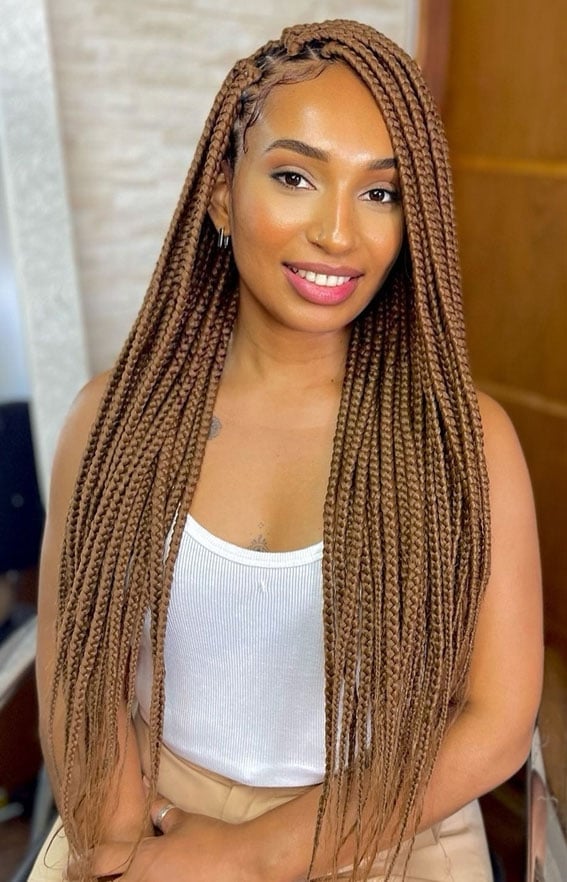
Can a single color make a braid style feel finished? Yes, when the shade is warm enough to look dimensional despite being uniform. Honey brown sits somewhere between caramel and amber, giving these mid-back box braids a richness that black or dark brown alone would not.
Ask your colorist for mid-back box braids in a uniform honey brown color. The middle part keeps the style symmetrical, which lets the color do the work. This is a wear-everywhere color: it does not compete with prints or patterns, and it looks natural even though it is not your base shade. A color-depositing conditioner used every fourth wash keeps the honey tone from cooling toward ash.
Mid-Back Box Braids With Square Parts
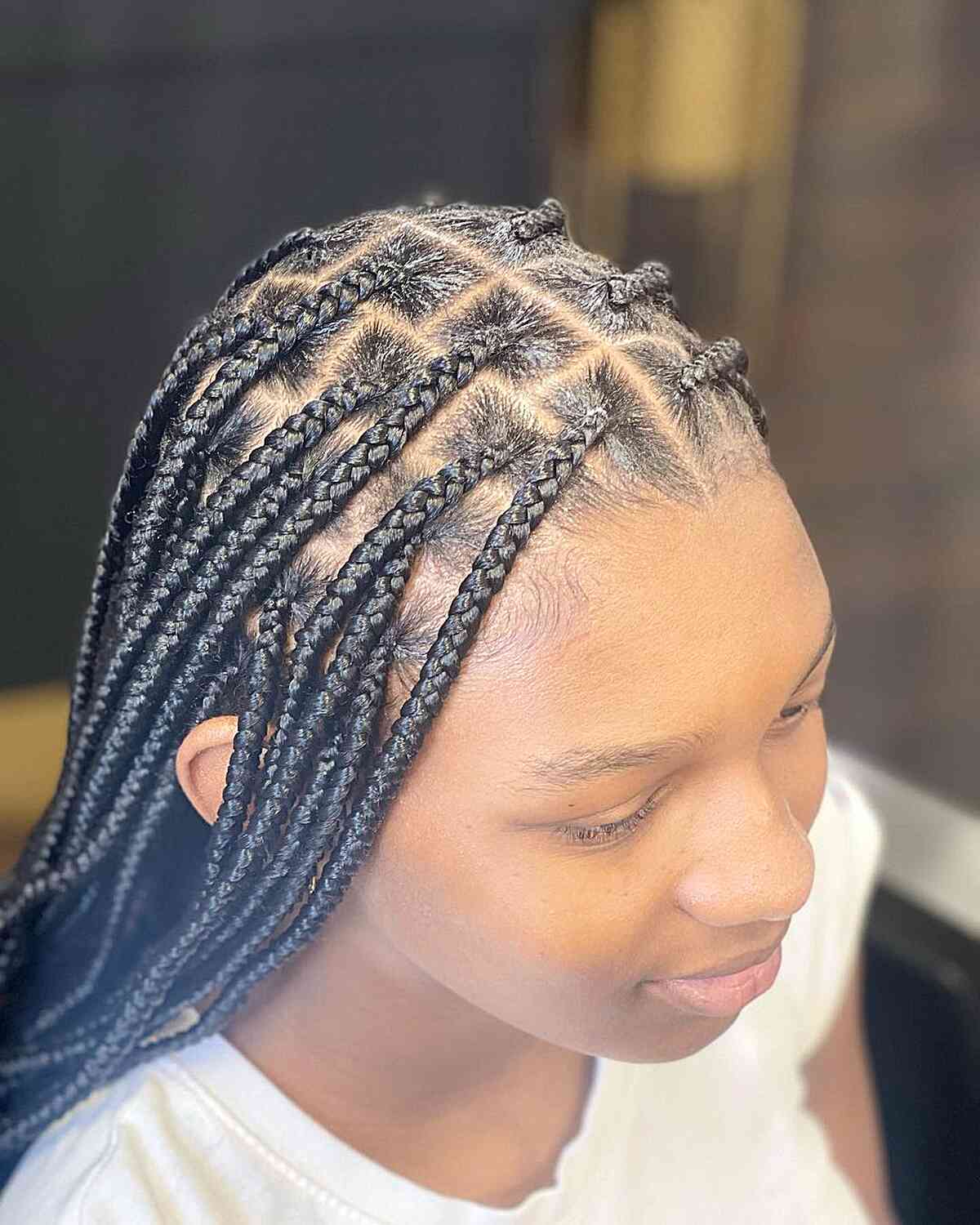
The square parting is a detail you feel before you see: the sections are wider than they are long, creating a grid that looks almost architectural from a top-down angle. These mid-back box braids rely on that precise geometry, not on color variation. The dense, straight texture holds the square boundaries without the braids shifting or bunching at the scalp.
Ask your stylist for mid-back box braids with precise square parts. The upkeep is about maintaining those edges. A light gel or pomade applied along the part lines every few days keeps new growth from softening the sharp corners. Expect a touch-up every three to four weeks to keep the grid from shifting into a diamond pattern as the hair grows.
Short Cornrows With Sharp Parts And Fringe
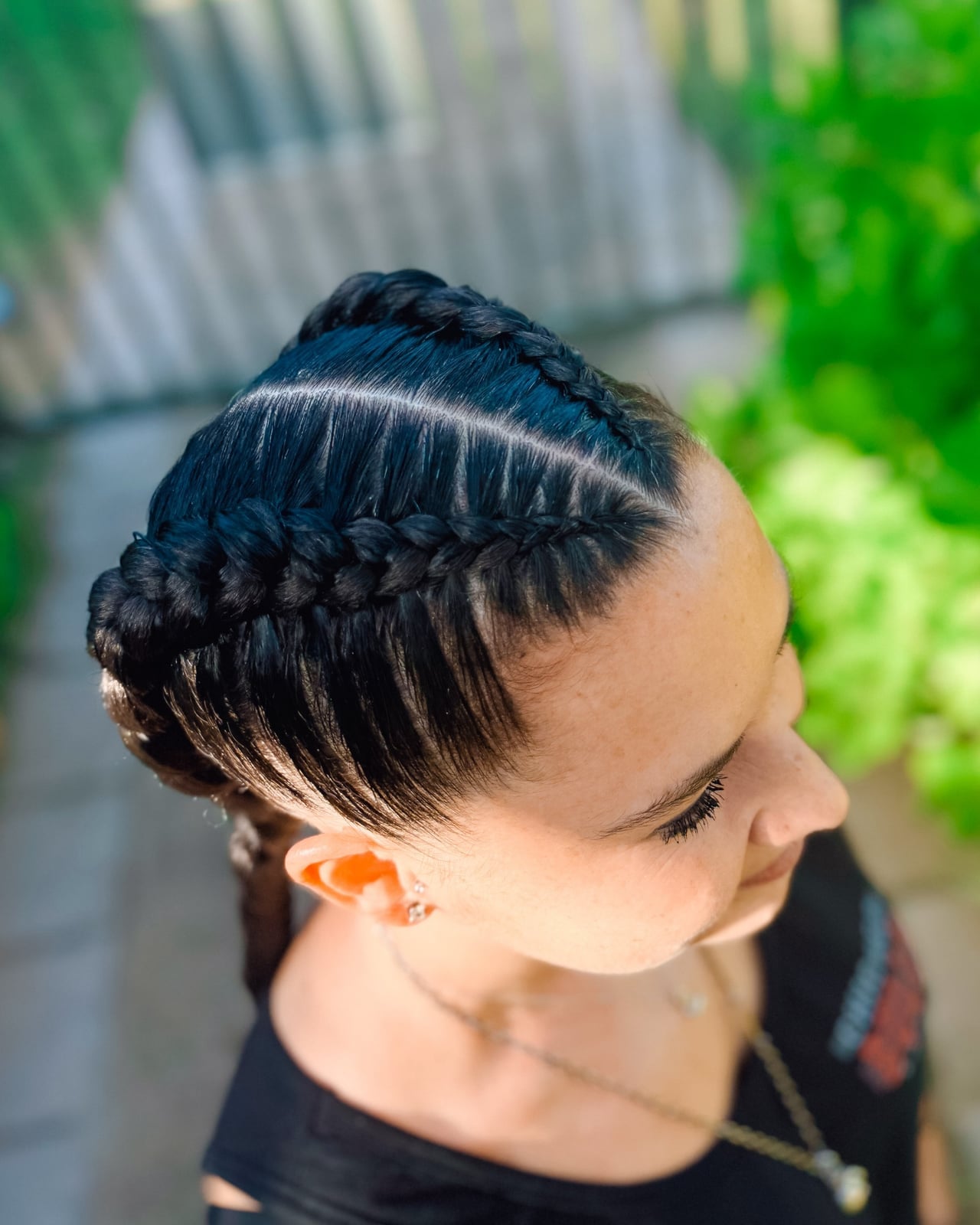
Sharp parts on short cornrows create a lot of visual tension in a small area. The defined lines run from the middle part outward, and the braids frame the face while a short fringe sits forward as a separate element. Short cornrows with this level of part precision need a touch-up every two to three weeks, because even a quarter inch of new growth softens those edges noticeably. Ask your stylist for short cornrows with sharp parts and a short fringe. A light mist of texturizing spray on the fringe keeps it from collapsing into the braids, but the real work happens in the chair.
Final Thoughts
For a clean, structured look, opt for sharp geometric or square parts. If a softer, more blended aesthetic is desired, choose styles with looser curls or mixed textures.
- Maintain scalp moisture with a light oil or spray daily.
- Protect braids from friction with a silk or satin scarf at night.
- Avoid excessive pulling or tension on the hairline to prevent breakage.
- Gently cleanse the scalp between washes to remove buildup.
- Allow braids to rest between installations to maintain scalp health.
Partings are the unsung heroes of braided hairstyles.