You don’t have to be a natural early bird to start your day with energy and purpose. Morning motivation is about building small, consistent habits that support your mental and physical well-being from the moment you wake up. This article covers 37 practical habits you can try, from sleep and hydration to mindfulness and planning, so you can create a personalized morning ritual that works for you.

Key Takeaways
- Prioritize 7-9 hours of sleep and a consistent wake-up time to regulate your circadian rhythm.
- Hydrate with a glass of water and get natural light within 20 minutes of waking.
- Incorporate light stretching or a few minutes of mindfulness to reduce stress and boost focus.
- Plan your day’s top 2-3 priorities before checking your phone or email.
- Aim to practice your chosen habits daily for at least 21 days to establish a routine.
Kickstart Your Day with Morning Motivation
Morning motivation isn’t about forcing yourself to be a ‘morning person’. It’s about building routines that support your mental and physical well-being from the moment you wake up. The goal is a personalized ritual that fosters a positive outlook and sets the tone for success, reducing stress and increasing focus throughout the day. Think of this as a guide to finding what energizes you, not a one-size-fits-all checklist.
1. Prioritize 7-9 Hours of Sleep
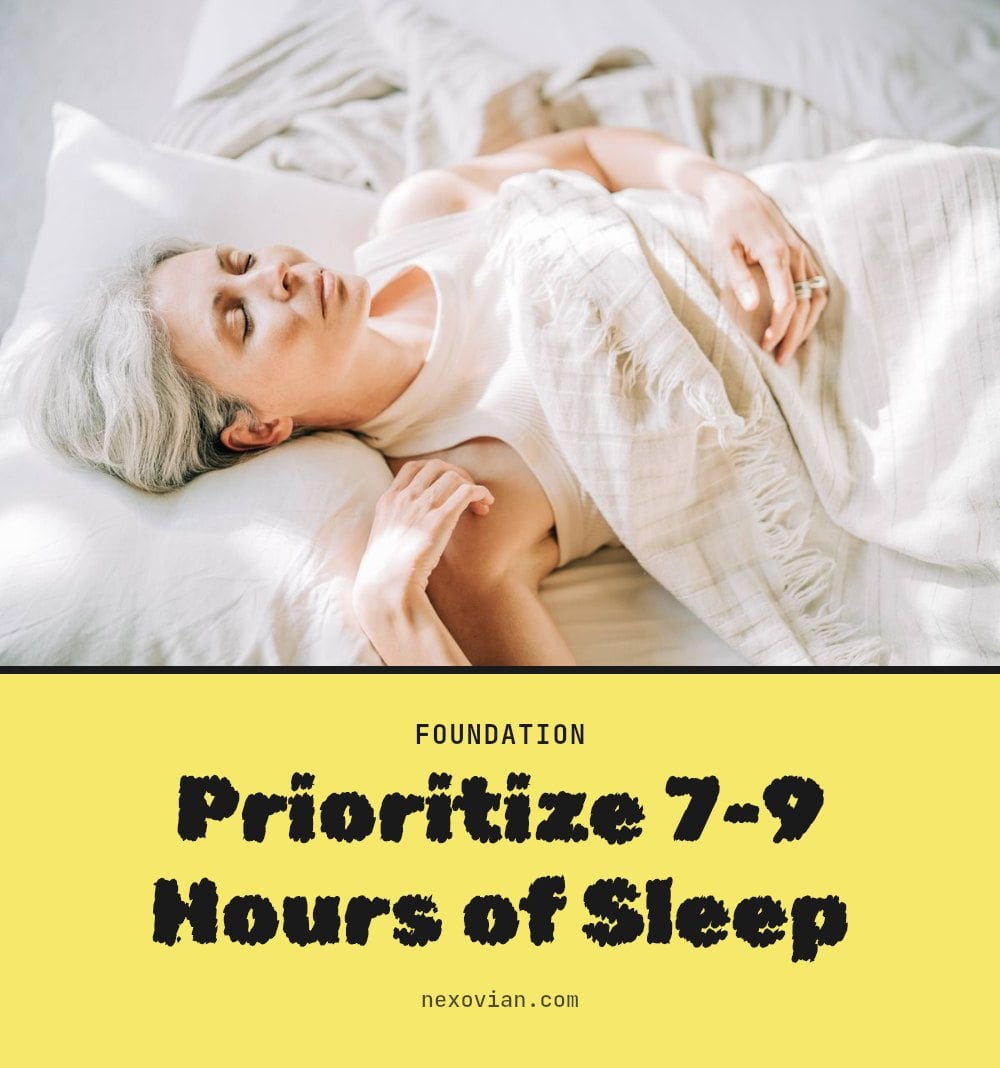
Adequate sleep is the foundation for morning energy and motivation. Most adults need 7-9 hours of sleep to feel truly rested.
- My tip: Consistency is key. Going to bed and waking up at the same time, even on weekends, helps regulate your body’s natural clock.
2. Wake Up at a Consistent Time
Waking up at the same time daily helps regulate your circadian rhythm, improving sleep quality and making waking up easier. Avoid hitting the snooze button repeatedly. Those extra minutes can make you feel more groggy, not more rested. Stick to one alarm and get up when it goes off.
3. Hydrate Immediately Upon Waking

Drink a glass of water right after waking to rehydrate your body after hours of sleep. This simple act can kickstart your metabolism and boost energy levels.
- My tip: Keep a glass of water on your nightstand so it’s the first thing you reach for each morning.
4. Expose Yourself to Natural Light

Open your curtains or step outside within the first 20 minutes of waking. Light hitting your eyes signals to your body that it’s daytime, which helps regulate your circadian rhythm and boosts alertness.
- Even an overcast sky delivers more light than indoor bulbs.
- Pair it with your morning water for a two-minute habit.
- Keep blinds partly open at night so light greets you.
5. Incorporate Light Stretching

Gentle movement like light stretching increases blood flow and can noticeably boost your mood. It also releases the tension that builds overnight and prepares your body for the day.
Tip: Even 5-10 minutes of stretching can make a big difference in how you feel. Keep it simple: neck rolls, a forward fold, a gentle twist, and a reach overhead.
6. Practice Mindfulness or Meditation
A few minutes of mindfulness or meditation can reduce stress and improve focus. It gives you a moment to center yourself before the day’s demands begin.
- Start small: 3-5 minutes of slow breathing counts.
- Use a guide: free apps and guided meditations make it easier to begin.
- Anchor it: sit in the same spot each morning so it becomes automatic.
7. Eat a Nutritious Breakfast

A balanced breakfast provides sustained energy and supports cognitive function through the morning. Skipping it means running on empty past the overnight fast, which often shows up as a mid-morning crash.
Aim for a mix of protein, healthy fats, and complex carbohydrates. Think eggs with whole-grain toast, or Greek yogurt with oats and nuts. Prep parts of it the night before if mornings feel rushed.
8. Plan Your Day’s Top Priorities
Before the day fills up, write down the 2-3 things that actually matter today. A short list narrows your attention and makes a long, vague day feel manageable, which is where most morning overwhelm comes from.
Good to know: Do this before you open email or social media. Once notifications start, your priorities get shaped by other people’s requests instead of your own.
- Keep it to three items, not ten.
- Write the first small step next to each one.
9. Avoid Immediate Phone Use

Leave the phone face down for the first 15-30 minutes of your morning. Scrolling notifications before you’re fully awake floods you with other people’s requests and sets a reactive tone for the whole day.
Use that window for water, light, or a few minutes of quiet instead. If the phone is your alarm, switch to a separate clock or move the device across the room so checking it takes real effort.
10. Listen to Uplifting Music
Put on music or a podcast you actually like while you get ready. Upbeat sound lifts your mood and energy without asking anything of you, which makes it one of the easiest habits to keep.
Build one morning playlist of songs that reliably make you feel good, and keep it separate from your work or workout mixes. A short inspiring podcast works the same way if you prefer words to music.
11. Journal for a Few Minutes

Spend 5-10 minutes writing whatever is in your head: last night’s dreams, three things you’re grateful for, or the worry that woke you up. Getting it on paper processes the noise and sets a clearer, more positive tone before the day starts.
Pro move: Don’t overthink it. Skip the perfect notebook and pretty format, and just let the words flow. A plain pad and a pen by the bed is enough.
12. Prepare the Night Before
Lay out your clothes, pack lunch, and put your bag and keys by the door before you go to bed. Each item you decide the night before is one less decision waiting for you at 7 a.m.
That saved time and mental energy goes straight into a calmer start: you move through the morning instead of hunting for a charger or a clean shirt.
- Two-minute rule: if a prep task takes under two minutes, do it tonight.
- Check the weather: pick the outfit and the shoes together so nothing gets swapped at the last second.
13. Connect with Loved Ones or Pets

Spend a few minutes with the people or pets in your home before the day pulls you apart. A hug at the door, a shared cup of coffee, or five minutes of play with the dog sets a warm tone that carries into your commute.
Connection like this is a mood booster that costs nothing and asks for no planning. If you live alone, a short call or voice message to someone you love works the same way.
14. Practice Gratitude
Name three things you are thankful for before you check a single notification. It is a small exercise, but it nudges your attention toward what is going right, which tends to color the rest of the morning.
Done daily, it builds an appreciative mindset rather than a reactive one. Quick tip: keep a gratitude journal by the bed, or simply think of three things while you drink your morning water.
15. Engage in a Small Hobby

Give 5-10 minutes to something you do purely for pleasure: a few pages of a novel, a quick sketch, or one song you love. Starting the day with a personal pleasure lifts your mood and often loosens up your thinking for the tasks ahead.
It is also a gentle way to ease into the day on your own terms, before anyone else’s requests arrive. Keep the supplies where you can reach them, or the habit quietly disappears.
16. Tidy a Small Area
Spend three minutes on one small surface: the nightstand, the bathroom counter, or the corner of your desk. Put the mug in the dishwasher, stack the papers, and stop there.
Clearing one visible patch reduces the visual clutter that quietly competes for your attention all day, and finishing a task before your first coffee gives you a small win to build on.
17. Use a Sunrise Alarm Clock

An alarm that simulates sunrise brightens gradually over the last 20-30 minutes of sleep instead of jolting you awake. The slow increase in light helps your body shift from sleep to wakefulness the way daylight would.
Many people find the wake-up feels less jarring than a loud tone, and they get up feeling more refreshed. Keep a standard sound alarm as a backup for dark winter mornings.
18. Take a Cold Shower Burst
Finish your shower with 30-60 seconds of cold water. The cold boosts circulation and alertness, and the sharp sensation can lift your mood fast.
Tip: Start with lukewarm water and gradually decrease the temperature over a week or two, so the cold burst stays a habit instead of a shock you dread.
19. Review Your Goals
Keep your long-term goals somewhere you can see, and read through them for two or three minutes each morning. It takes less time than brewing coffee.
This keeps the bigger picture in view and gives the day a sense of purpose and direction, so your first tasks connect to something you actually care about rather than to whatever lands in your inbox.
20. Visualize Your Day
Close your eyes for two or three minutes and run through the day ahead as you want it to go: the meeting where you speak clearly, the hard conversation that stays calm, the task you actually finish. Picture yourself moving through each one without resistance.
This mental rehearsal works because your brain treats a vivid imagined scenario a little like practice, so the real moment feels familiar rather than new. Many people find it lowers anxiety before a demanding day and makes them quicker to act.
21. Drink Warm Lemon Water
Warm water with the juice of half a lemon, sipped before breakfast, can help get digestion moving after the overnight pause. The water itself rehydrates you, and the lemon gives it enough flavor that you actually finish the glass.
It is a gentle start rather than a cure for anything. Good to know: squeeze fresh lemon rather than reaching for bottled juice, and rinse your mouth with plain water afterward since citrus acid can be hard on tooth enamel.
22. Read Something Inspiring
Give 10-15 minutes to a chapter of an inspiring book, one uplifting article, or a page of affirmations. Read it before you open email, not after, so the first input of the day is something you chose.
What you read first tends to color the next few hours. Starting with a hopeful page rather than a headline or an inbox puts your attention on what is possible, which makes the rest of the morning feel more motivated.
23. Take a Short Walk
If your schedule allows, walk outside for 10-15 minutes before you sit down to work. Fresh air and steady movement clear your head and lift your energy more reliably than another cup of coffee.
Pair it with daylight and you get both benefits at once: the light helps set your body clock while the walk gets your blood moving. No route needed, just out the door and back.
24. Affirm Your Intentions
Say them out loud or silently, but say them on purpose: “I am capable,” “I am energized,” “Today will be a great day.” Spoken words set the tone your mind follows for the next few hours, so pick lines you actually believe on a tired morning.
Repeat the same two or three phrases daily. Many people find that repetition is what makes affirmations stick, gradually shifting the default thought from dread to readiness.
25. Do a Brain Dump
Take a blank page and write down everything in your head: the email you’re dreading, the groceries, the idea you had in the shower. Keep going until nothing new comes out.
Getting it all on paper moves it out of working memory, which makes it easier to see what actually matters today and what can wait.
Pro move: Don’t edit, organize, or judge. Just write until your mind feels lighter.
26. Review Your Calendar
Open your calendar for two minutes and scan the day: meetings, appointments, the gap you’ll use for lunch. Note the one or two spots that need prep.
Knowing what’s coming reduces surprises and helps you feel more in control. Fewer unknowns in your head means less morning anxiety about what you might have forgotten.
27. Take a Moment for Silence
Before anyone needs you, sit for a few minutes with no music, no podcast, no scrolling. Just quiet.
Silence lowers the amount of input your brain is processing and makes it easier to notice what you actually need from the day. It can be surprisingly calming, and it costs nothing but the pause.
28. Choose Your Outfit Mindfully
Pick clothes that make you feel confident and comfortable, not just whatever is closest to the bed. Dressing in a way that matches your mood or the goals you have for the day can positively shape your self-perception, so a sharp shirt before a big meeting or soft layers on a slower day both do real work.
It counts as self-care, and it takes two minutes. Decide in the mirror, not in the closet.
29. Practice Deep Breathing
Spend a few minutes on deep breathing to activate your parasympathetic nervous system, the branch that handles rest and recovery. Slow, full breaths help calm your body and mind, reduce stress, and increase oxygen flow.
Try this: the 4-7-8 pattern. Breathe in for a count of four, hold for seven, exhale slowly for eight. Repeat four times.
30. Listen to an Educational Podcast
Swap the news for a short educational or inspiring podcast while you get dressed and eat. Learning something new or hearing a positive message stimulates your mind and sets a growth-oriented tone before the day’s demands start.
Queue one 10-15 minute episode the night before so you are not scrolling for something at 7 a.m. Getting-ready time and a commute both work well for this.
31. Set a Daily Micro-Goal
Beyond your main priorities, set one very small, achievable goal for the day: drink eight glasses of water, send that one email, take the ten-minute walk. Keep it small enough that you can finish it early.
Hitting a micro-goal before lunch gives you a sense of accomplishment and the momentum to keep going.
32. Use Aromatherapy
Add an energizing scent to the first ten minutes of your day. Citrus and peppermint are the two most common picks because they read as bright and clean rather than heavy, and scent reaches the brain fast, which is why many people find it shifts mood and alertness quickly.
- Diffuse: Run a diffuser in the room where you get dressed so the scent fills the space while you move.
- Apply diluted: Put a drop diluted in a carrier oil on your wrists or behind your ears, never neat on skin.
33. Write a ‘To-Don’t’ List
Pick one or two things you will not do today, specifically the ones that usually drain you. Examples: don’t open social media until noon, don’t engage in office gossip, don’t say yes to a meeting you can skip.
Naming the drain in advance makes it easier to spot in the moment, and protecting your energy by cutting a negative habit often does more for your morning than adding another positive one. Two items is plenty; a long list becomes another task.
34. Review Your Values
Spend two minutes on your core values: kindness, creativity, integrity, whatever words actually describe the person you want to be. Write them where you’ll see them, then check the day ahead against them.
When your actions line up with your values, the day carries a sense of purpose that a to-do list alone can’t give you. It’s also a quick filter: if a task or a request doesn’t fit any of your values, that’s useful information about how to spend your time.
35. Prep Your Workspace
If you work from home, give your desk three minutes before you sit down. Clear the cups, stack the papers, and put out only what the first task needs.
A clean, organized surface cuts visual distractions and makes it easier to settle into focus. The routine also works as a signal to your brain that the workday has started, which matters most when your commute is a walk down the hall.
36. Smile at Yourself
Stand in front of the mirror for five seconds and smile at yourself on purpose. The physical act of smiling, even when it feels forced, can nudge your brain toward a better mood. Keep it small: no big speech, no critique of your face, just one genuine or half-genuine smile before you walk away.
Good to know: A smile aimed at your own reflection is a tiny act of self-acceptance, and it costs nothing.
37. Plan a Fun Evening Activity
Before the day starts, name one small thing you will enjoy tonight: a show episode, a walk, a bath, a call with a friend. Write it down so it is real. Having something to look forward to pulls you through the flat parts of the afternoon, and it closes the loop: the morning sets up the evening, and the evening makes tomorrow’s morning easier to start.
Common Morning Motivation Mistakes to Avoid
Most stalled mornings come down to a handful of habits that quietly work against you. Here are the ones I see repeated most, and what to do instead.
- Believing you need to be a ‘morning person’: You don’t. It is about habits that work for you, not fitting a mold. Focus on what energizes you, not what others do.
- Forcing yourself out of bed without adequate sleep: This is a recipe for grogginess. Prioritize your 7-9 hours; real motivation comes from being well-rested.
- Overloading your routine with too many activities: Too many new habits at once leads to burnout. Pick 1-2, master them, then add more.
- Ignoring evening habits: Screen time, late meals, and an inconsistent bedtime directly affect how you feel at 7 a.m. A calm evening leads to a calm morning.
- Expecting immediate and perfect results: Routines take time and consistency. Celebrate small wins and accept that progress is rarely linear.
- Focusing only on productivity: Motivation tied only to output runs out. Put your mental and physical well-being first for motivation that lasts.
Caution: If persistent fatigue or a lack of motivation keeps disrupting your days, talk to a healthcare professional, since it can point to an underlying issue.
Frequently Asked Questions
How long does it take to establish a new morning habit?
Consistency is key. Most people find that practicing a new habit daily for at least 21 days helps it feel more automatic. You may notice improvements in mood and energy within the first week or two, but give yourself time to adjust without expecting perfection.
Can I still have a motivated morning if I’m not a ‘morning person’?
Absolutely. Morning motivation isn’t about forcing yourself to be a morning person. It’s about building routines that work for your lifestyle and support your well-being. Even small changes, like hydrating and getting natural light, can make a difference regardless of your natural chronotype.
What if I don’t have a lot of time in the morning?
You can still build a motivated morning with as little as 10-15 minutes. Focus on one or two high-impact habits: drink a glass of water, step into natural light, and set your top priority for the day. Even these small actions can shift your mindset without requiring a lengthy routine.
How does sleep impact morning motivation?
Adequate sleep, typically 7-9 hours for most adults, is foundational for morning energy and motivation. Without enough rest, your body and brain struggle to function optimally, making it harder to feel alert and positive. Consistent sleep and wake times help regulate your circadian rhythm, which supports better sleep quality and easier mornings.
Is it okay to skip breakfast sometimes?
While a balanced breakfast provides sustained energy and supports cognitive function, skipping it occasionally is not harmful for most people. However, doing so regularly can lead to a mid-morning energy crash and make it harder to focus. If you skip, try to eat something nutritious within a few hours of waking.
Should I check my phone first thing in the morning?
Many people find that avoiding immediate phone use helps reduce morning overwhelm and allows for a more mindful start. Scrolling notifications before you’re fully awake can flood you with other people’s requests and set a reactive tone for the day. Try leaving your phone face down for the first 15-30 minutes and use that time for water, light, or a few minutes of quiet.
Final Thoughts
Start with just one or two habits that feel manageable, like drinking water and stepping outside for light. Notice how your mood and energy shift within the first week or two. The goal is a routine that supports you, not one that adds stress. Keep it simple and consistent, and your mornings will begin to feel more like a foundation for the day ahead.
This information is for general informational purposes only and is not a substitute for professional medical or mental health advice. If you experience persistent fatigue, low mood, or other health concerns that affect your daily life, please consult a healthcare professional. Always listen to your body and adjust habits to suit your individual needs.