
Dust seems to appear out of nowhere, doesn’t it? You wipe a shelf, and a day later, it’s back. The truth is, dust is a constant mix of dead skin cells, pet dander, pollen, and even tiny plastic particles that keep coming. You can’t eliminate it completely, but you can stop it from taking over your home. This article covers the practical, step-by-step methods that actually work to reduce dust and keep your space cleaner for longer.
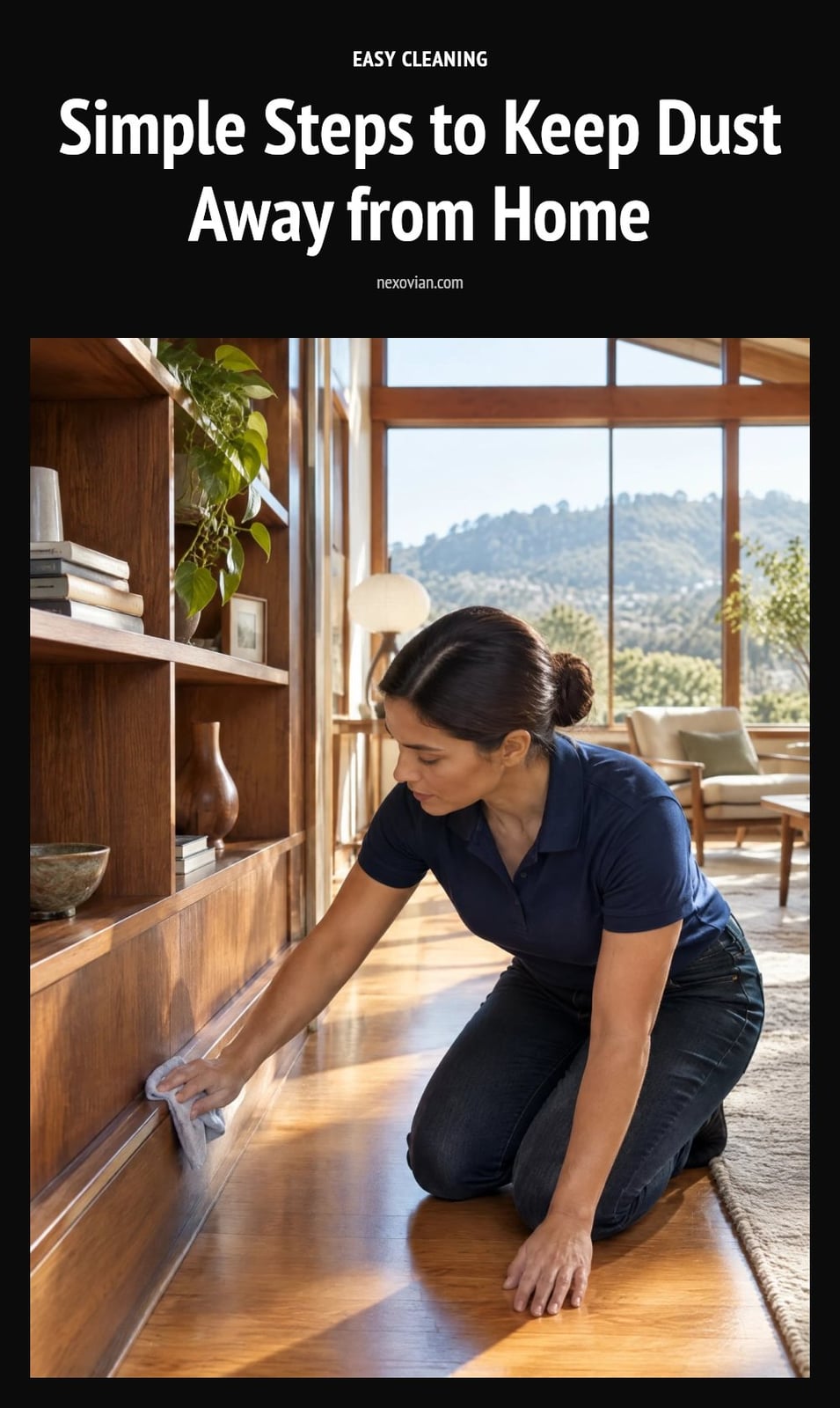
Key Takeaways
- Use a damp microfiber cloth to trap dust instead of scattering it into the air.
- Vacuum carpets and rugs at least twice a week with a HEPA-filtered vacuum.
- Wash bedding weekly in hot water (130°F or 54°C) to kill dust mites.
- Change your HVAC filter every 1 to 3 months to prevent dust recirculation.
- Work from ceiling to floor when dusting to avoid cleaning the same surface twice.
The Secret to Keeping Dust Away
You cannot get rid of dust completely, because it keeps arriving: dead skin cells, pet dander, pollen, textile fibers, tiny bits of plastic, even soil tracked in on shoes. What you can do is stop it from building up. That means cleaning on a schedule instead of waiting until surfaces look gray, tackling the sources (textiles, filters, clutter) rather than chasing particles, and removing what has settled with a damp cloth or a HEPA vacuum so it leaves the room instead of floating back onto the shelf you just wiped.
Your Dust-Busting Arsenal
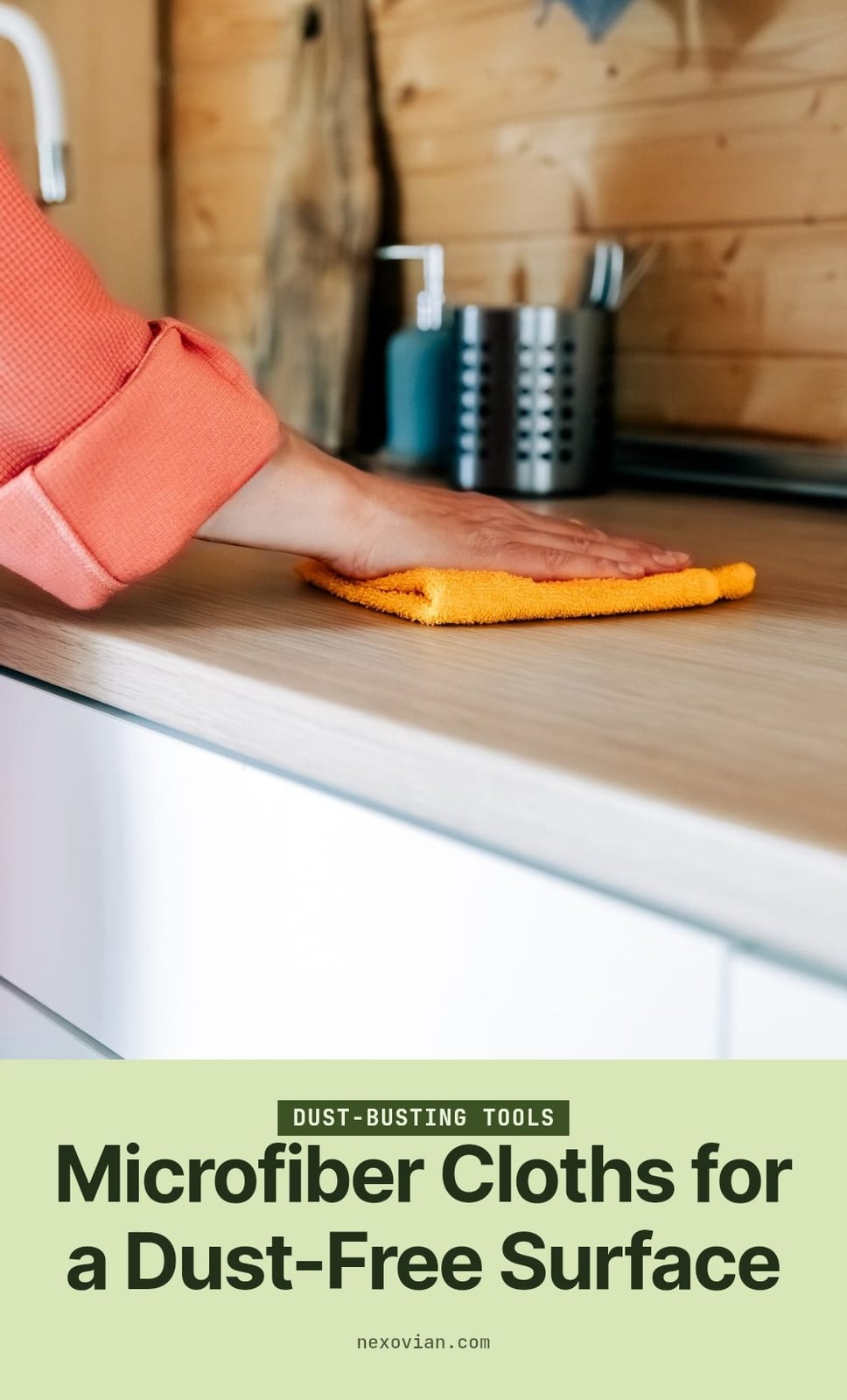
You do not need a cabinet full of specialty sprays. Four tools cover almost everything:
- Damp microfiber cloths: the fibers grab dust and hold it, and the slight dampness keeps particles from going airborne.
- HEPA-filtered vacuum: standard filters blow fine dust back into the room, while a HEPA filter captures a much higher share of small particles, which matters most on carpets and upholstery.
- Air purifier with a HEPA filter: useful for particles already floating in the air, though it will not touch dust sitting on your furniture.
- Electrostatic duster: handy for ceiling fans and blinds where a cloth is awkward.
My tip: skip the feather duster. It looks like it works because the dust disappears, but it mostly lands on the shelf you just cleaned.
Step-by-Step: Effective Dust Removal

Order matters as much as the tool. Work from the ceiling down so anything you loosen lands on a surface you have not cleaned yet.
- Start high: ceiling fans, light fixtures, the tops of cabinets and door frames. A fan blade loaded with dust will spread it across the whole room the moment you switch it on.
- Wipe surfaces with a damp cloth: mist a microfiber cloth lightly with water or all-purpose cleaner and wring it out. A dry cloth just pushes dust into the air, where it settles again within the hour. Rinse or swap the cloth when it starts looking gray.
- Hit the textiles: vacuum carpets, rugs and upholstery at least twice a week with a HEPA machine, and run the upholstery attachment over curtains and sofa cushions. These fabrics are the biggest dust reservoirs in most homes.
- Finish with floors: vacuum or damp-mop last, so the dust from every surface above ends up in the vacuum or the bucket instead of on your clean floor.
- Wash bedding in hot water: use water at 130°F or above to kill dust mites and rinse out allergens. For high-traffic bedrooms, do this weekly. In a spare bedroom used less often, every two weeks is enough.
Pillows and mattress pads need the same hot-water treatment, just less often. A deeper pass that includes baseboards and behind furniture, once a month, keeps the weekly work short.
Common Dusting Mistakes to Avoid
Most dusting fails not because of effort but because of technique. These four habits undo the work:
- The dry cloth or feather duster: it lifts dust into the air and drops it somewhere else. My tip: keep a spray bottle next to your cloths and dampen one before you start, so you never reach for a dry option out of laziness.
- Floors before surfaces: dust from shelves and fan blades lands on the floor you just mopped. Always save floors for last.
- Skipping HVAC filter changes: a clogged filter recirculates dust through every room. Check it monthly and replace it every 1 to 3 months.
- Ignoring textiles: carpets, curtains and sofas hold more dust than any shelf. Vacuum them on the same schedule as your floors.
Preventing Dust Buildup for a Cleaner Home

Dust builds up faster when the air keeps bringing it in. Change your HVAC filter every 1 to 3 months, depending on usage and filter type. A clogged filter cannot trap particles, so they just recirculate through your vents.
Clutter is a dust magnet. Every knickknack, stack of papers, or decorative basket adds surface area for dust to land on. My tip: keep flat surfaces like counters and nightstands as clear as possible, and store items in closed bins or drawers.
Keep windows shut during high pollen seasons, especially in spring and fall. Outdoor particles enter easily through open frames. Address indoor sources too: brush pets outside to reduce dander, and wash textiles like throw blankets and cushion covers regularly to cut down on fiber shedding.
How Often to Clean and What to Expect
Dust high-traffic areas like living rooms and bedrooms once a week. That includes wiping surfaces with a damp cloth and vacuuming carpets with a HEPA filter. For less-used rooms, every two weeks is fine.
Once a month, do a deeper pass: wash curtains, vacuum under furniture, and clean ceiling fan blades. The main costs are replacement filters for your HVAC and vacuum, plus microfiber cloths. Consistent weekly effort keeps dust from piling up, so each cleaning takes less time.
Top Tips for a Dust-Free Environment

Declutter your surfaces and you remove the landing pads for dust. Fewer objects means less wiping. Wash curtains and upholstered furniture every few months, because fabric holds dust that you cannot see.
An air purifier with a HEPA filter in the main living area catches airborne particles before they settle. It will not remove dust that has already landed, but it cuts down on what floats around. If you have allergies or asthma, wear a mask while cleaning to avoid breathing in the dust you stir up.
Frequently Asked Questions
Can air purifiers eliminate all dust?
No, an air purifier with a HEPA filter can reduce airborne dust particles, but it cannot remove dust that has already settled on surfaces. It works best as a complement to regular dusting and vacuuming, especially in the main living area where you spend the most time.
Why is my house still dusty after cleaning?
You might be using a dry cloth or feather duster, which just stirs dust into the air. Or you could be cleaning floors before dusting surfaces, letting dust settle back on the clean floor. Also, neglecting textiles like curtains and upholstered furniture allows hidden dust to keep circulating.
How often should I change my HVAC filter?
Change it every 1 to 3 months, depending on how often you run your system and the type of filter you use. A clogged filter cannot trap particles, so dust recirculates through your vents. Check it monthly and replace it when it looks dirty.
What is household dust made of?
Household dust is a complex mixture of dead skin cells, pet dander, pollen, textile fibers, insect fragments, soil particles, and microscopic plastic. Dust mites, which feed on dead skin cells, are also a common component and thrive in warm, humid environments.
Final Thoughts
Stick to a weekly routine for high-traffic areas and a deeper clean once a month. That means damp dusting surfaces, vacuuming with a HEPA filter, and washing bedding in hot water. Expect visible results within the first week, but understand that dust will always return, just at a much slower pace. A consistent approach is your best tool for a noticeably cleaner home.
This article is for general informational purposes only and does not constitute professional cleaning or medical advice. If you have severe allergies, asthma, or other health concerns related to dust, please consult a doctor or specialist for personalized guidance.

