
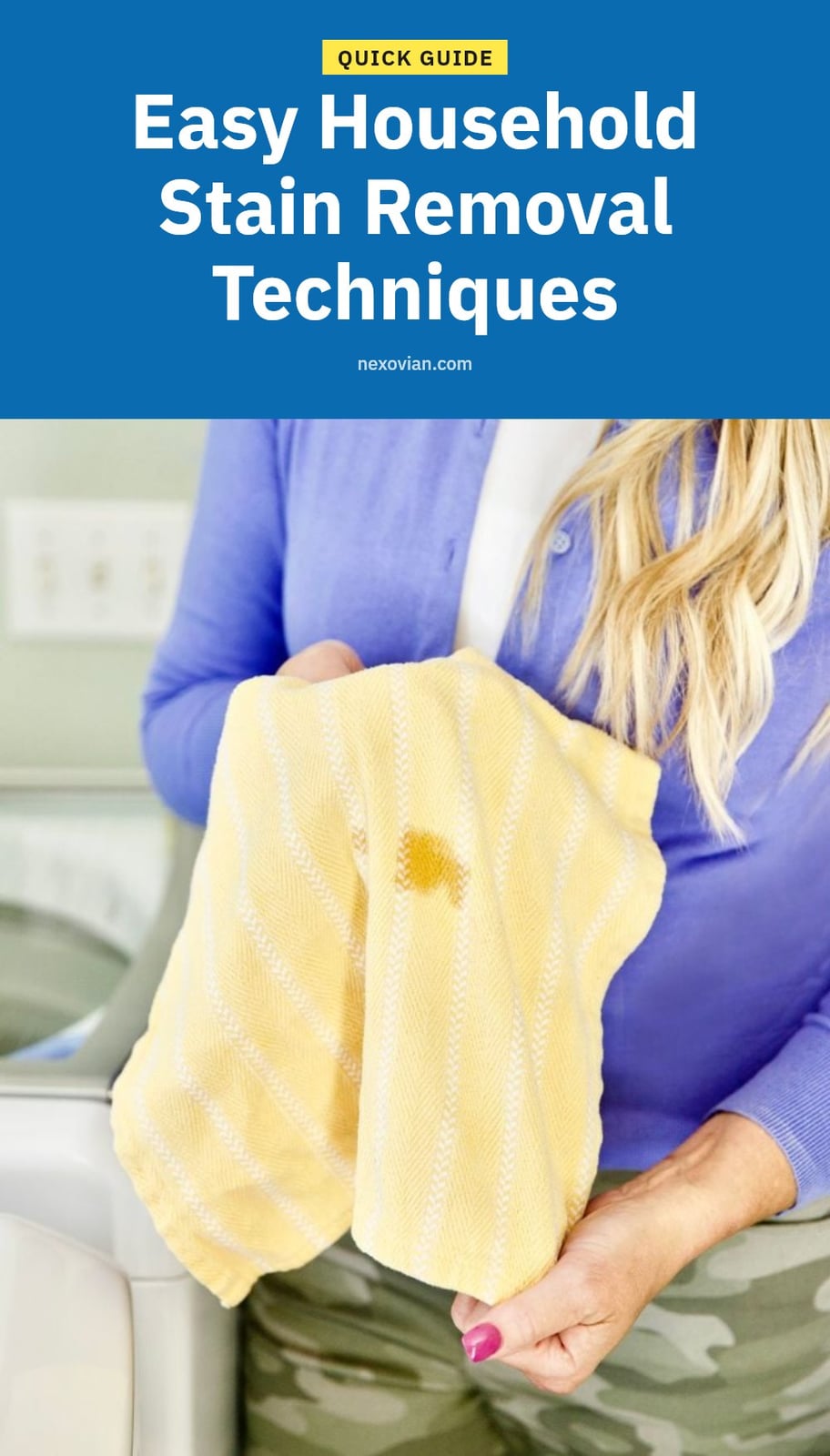
You drop a blob of barbecue sauce on your favorite shirt, and your first instinct is to rub it with a napkin. Stop right there. The secret to getting any stain out is knowing what kind of stain you are dealing with and acting fast, not scrubbing blindly. In this article, I will walk you through the exact method for organic, inorganic, and oily stains, plus the common mistakes that can turn a fixable spot into a permanent one.
Key Takeaways
- Identify the stain type (organic, inorganic, oily) before choosing a treatment method.
- Blot from the outside edge inward to avoid spreading the stain.
- Use cold water on protein stains like blood and grass; hot water on oil-based stains.
- Never put a stained item in the dryer until the stain is completely gone.
- Test any stain remover on an inconspicuous area first to check for damage.
Your First Move for Any Stain
Effective stain removal starts with identifying the stain type, organic, inorganic, or oily, and acting quickly. The sooner you treat a stain, the higher the chance of complete removal. Before applying any product, test it on an inconspicuous area to check for colorfastness or damage. Always blot from the outside edge inward with a clean cloth or paper towel; rubbing can spread the stain and damage fabric fibers.
Your Stain Removal Arsenal
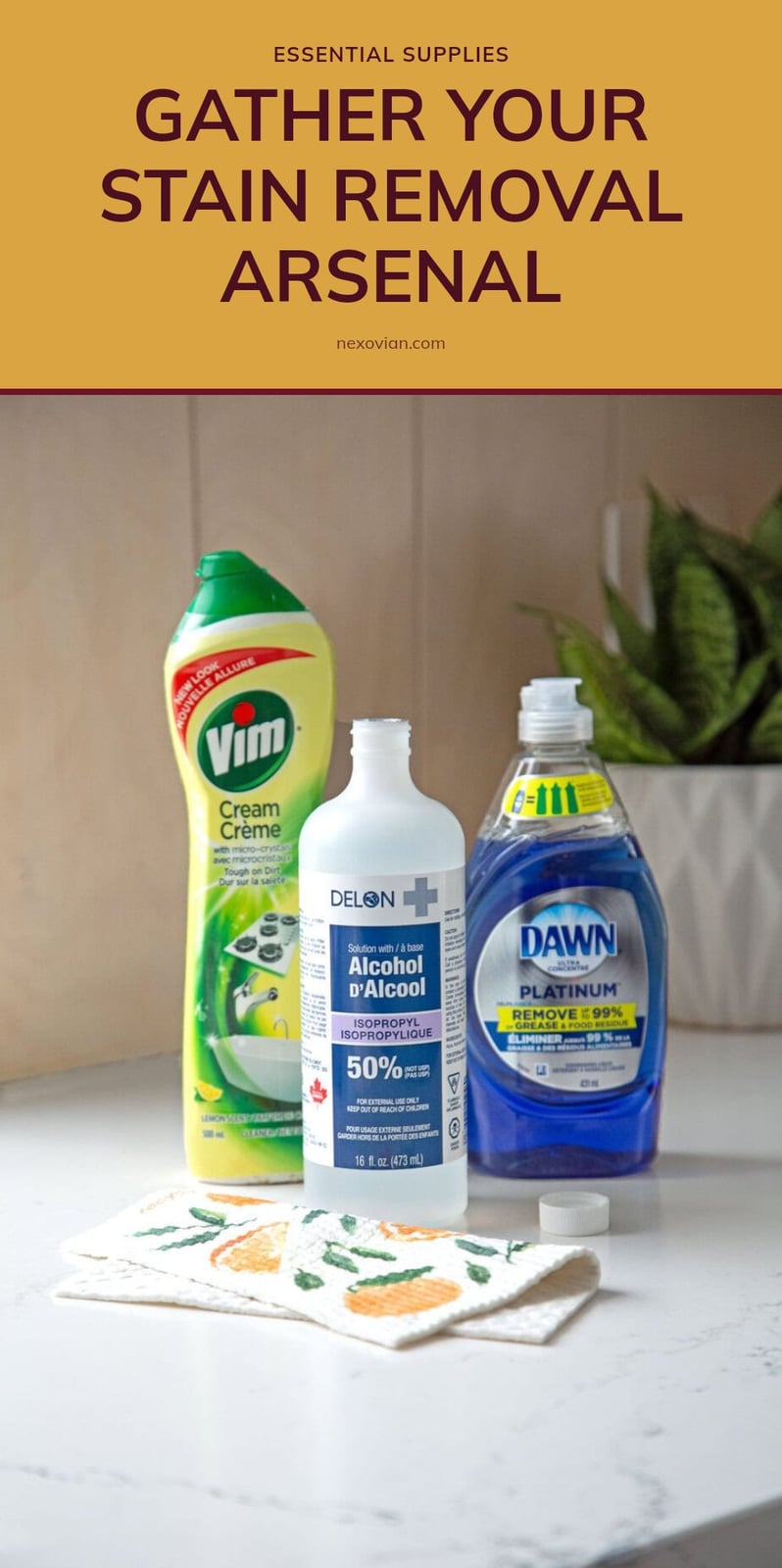
Keep these essentials on hand for any stain emergency:
- Clean cloths or paper towels for blotting
- Sodium percarbonate (oxygen bleach) for organic stains like grass, blood, and red wine
- Rubbing alcohol or vodka for inorganic stains like ink, coffee, and tea
- White vinegar and laundry detergent for oily stains such as barbecue sauce and lipstick
- A stain brush for scrubbing tough spots
Step-by-Step: Tackling Every Stain Type
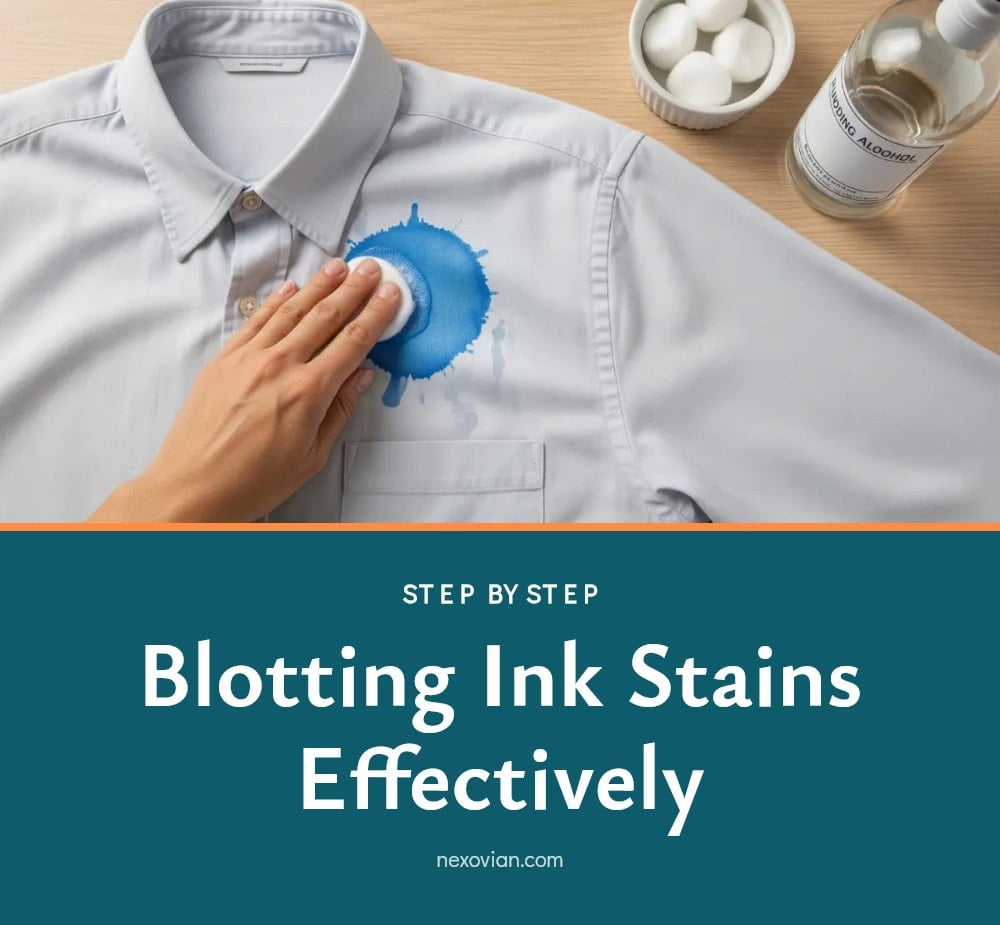
First, identify the stain type: organic (grass, blood, red wine), inorganic (ink, coffee, tea), oily organic (barbecue sauce, sweat), or oily inorganic (lipstick). Coffee and tea count as inorganic.
- Treat standard organic stains: Lay a clean towel on your work surface. Add about 1/2 capful of sodium percarbonate to a basin of hot water and stir until dissolved. Wet the stained area and let it soak.
- Address standard inorganic stains: Apply rubbing alcohol or plain vodka to the stain, preferably from a spray bottle. Gently blot. Wash the garment as normal. For a boost, add sodium percarbonate to the washing machine drum only if the stain has organic components or as a general whitening step.
- Handle all oily stains: Fill a spray bottle with a 50% white vinegar and 50% water solution. Spray the stain and blot, or use a stain brush. Then apply a bit of water and laundry detergent to break down the remaining grease.
- Remove sweat stains: Apply a few drops of stain solution to the sweat stain. Add a pinch of sodium percarbonate to create a paste, mixing with your finger or a stain brush. Let the paste sit for at least 20 minutes, then rinse.
- Care for delicate wool and silk: Pre-soak the garment in water with a bit of stain solution. Wash as normal. If using a washing machine, place the garment in a mesh washing bag. You can add a bit of sodium percarbonate to the drum, as it is safe for colors and gentle on fibers.
Prefer to watch? Gentleman’s Gazette walks through the whole method in this 12-minute video. The how-to part starts at 1:11.
Expert Tips for Stubborn Stains
Here are a few extra tricks for stubborn spots:
- Lay a clean towel under the area to absorb excess liquid and prevent transfer to other parts of the garment.
- Aim for about 80% reduction in stain visibility during pre-treatment; the remaining 20% should come out in the wash.
- If a stain persists, try a different method some stains are a mix of types and need a combined approach.
- For most non-protein stains, use a warm setting with an express wash cycle after pre-treatment. For protein-based stains (blood, dairy, grass), stick with cold water to avoid setting the stain.
- Add a little sodium percarbonate to the washing machine drum during any wash to boost cleaning power.
Common Stain Removal Mistakes to Avoid
Even experienced homemakers make these mistakes, and they can turn a fixable spot into a permanent stain.
- Rubbing Instead of Blotting: Rubbing pushes the stain deeper into the fibers and can damage the fabric. Always blot gently from the outside edge toward the center.
- Using Hot Water on Protein Stains: Heat sets protein-based stains like blood or dairy, making them nearly impossible to remove. Use cold water for these.
- Drying Stained Items: Never put a stained item in the dryer until the stain is completely gone. The heat will permanently set whatever remains.
- Ignoring Fabric Care Labels: The label tells you which treatments are safe for the fabric. Skipping it can ruin the garment.
- Applying Product Without Testing: Always test any stain remover on an inconspicuous area first to check for colorfastness or damage.
- Using Chlorine Bleach: Conventional chlorine bleach damages fibers and removes optical whiteners, making clothes look less white over time. Use sodium percarbonate instead.
After the Stain is Gone: What’s Next?
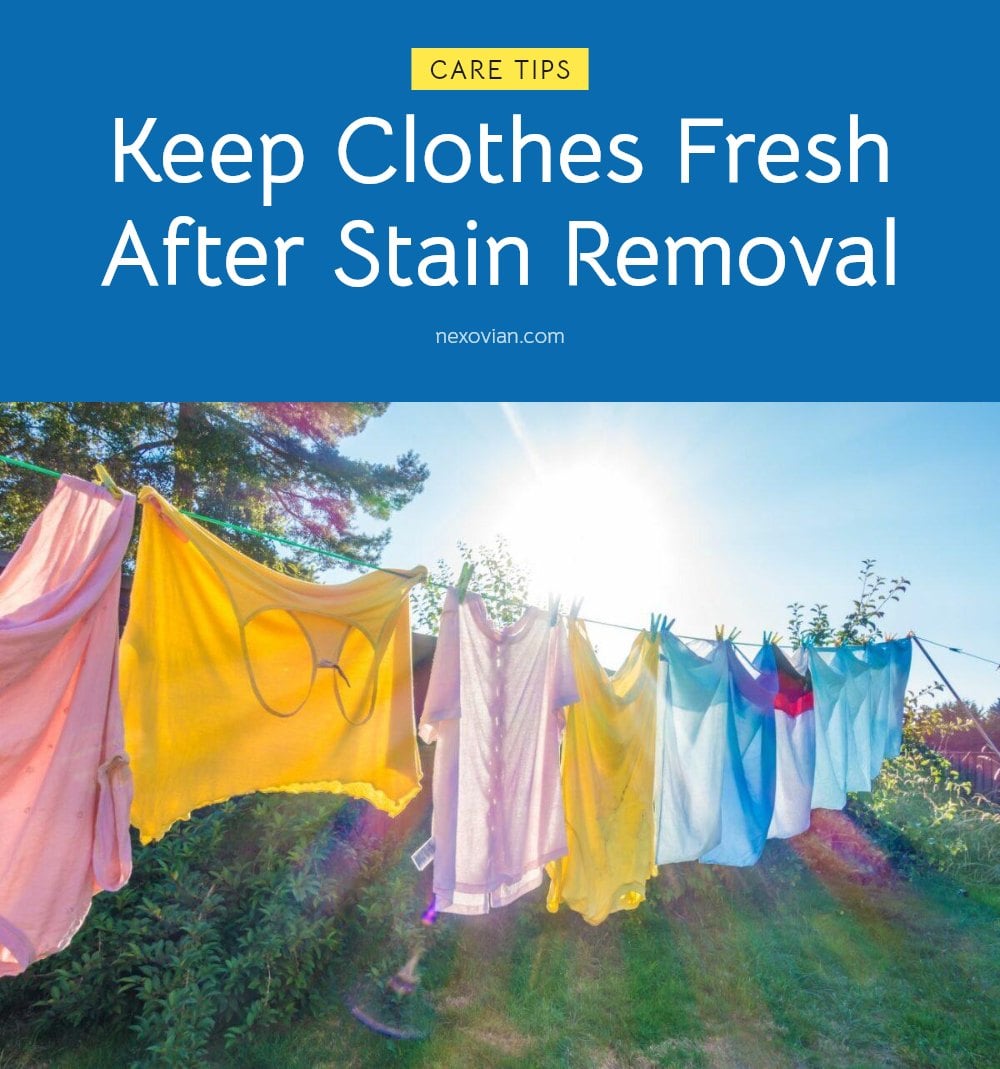
Once the stain is out, finish the job properly. Thoroughly rinse the treated area to remove all residue from the stain remover, or it can attract dirt later. Air dry the item to confirm the stain is completely gone before applying any heat from a dryer. If the stain persists after air drying, repeat the appropriate stain removal steps before machine washing and drying.
When to Call a Professional Cleaner
Sometimes DIY is not the best route. If the item is silk, wool, or another delicate fabric and you are unsure about home treatment, professional cleaning is often the safest option. For antique or heirloom pieces, or garments with intricate embellishments, a professional can prevent irreversible damage. When a stain is particularly large, old, or has already been treated unsuccessfully multiple times, a professional may have more advanced solutions than anything you can do at home.
Frequently Asked Questions
Can I use chlorine bleach to remove stains?
You should avoid chlorine bleach for most laundry stains. It can remove the optical whiteners that keep white clothes looking bright, and it can damage fibers over time. It is also harmful if ingested or with prolonged skin contact. Stick with sodium percarbonate (oxygen bleach) for a safer, more effective option.
What should I do if a stain doesn’t come out after the first try?
Do not give up on it. Some stains are a combination of types, so try one of the other removal methods. For example, if an organic method did not work, treat it as an oily stain instead. Re-wet the area with water or a suitable solvent to loosen the stain before trying again, and always air dry between attempts.
Is it safe to use stain removers on all fabrics?
No. Delicate fabrics like silk and wool can be damaged by harsh chemicals or vigorous scrubbing. For these, pre-soak in water with a mild stain solution and wash in a mesh bag. If you are unsure, test the remover on an inconspicuous area first, or take the item to a professional cleaner.
How important is it to act quickly on a stain?
It is very important. Treating a stain as soon as it happens significantly increases your chances of complete removal. Fresh stains are easier to lift because the substance has not had time to bond with the fabric fibers. Even a few minutes of delay can make a difference, so start blotting right away.
Can sunlight help remove stains?
Sunlight can sometimes help fade certain stains, especially dye-based or rust stains, on white fabrics. Lay the item in direct sunlight while it is still damp after treatment. However, this is not a substitute for proper stain removal, and it will not work on all types of stains or colored fabrics.
Final Thoughts
For the best results, pick your method based on the stain type and treat it as soon as you can. Aim for about 80% stain removal during pre-treatment, and let the machine wash handle the rest. If a stain does not come out on the first attempt, try a different approach, some stains are a combination of types. With the right technique, most everyday stains are completely fixable.

