
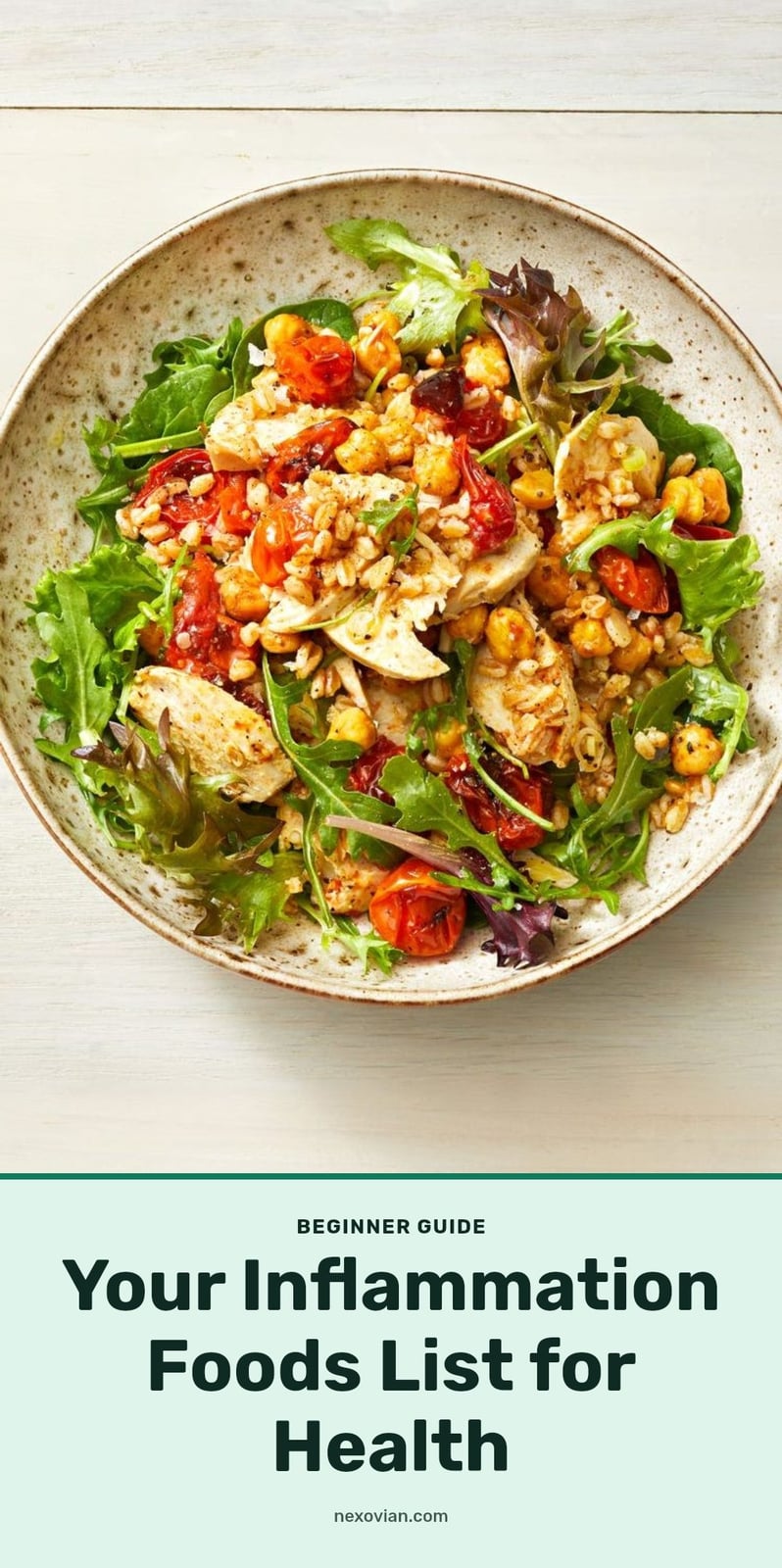
You may have heard that certain foods can help calm inflammation, and you want a clear list to guide your next grocery run. This article gives you that list: the foods to enjoy more often, the ones to limit, and a few practical tips to make it all stick. It is not about strict rules or cutting out entire food groups, but about building a pattern that supports your body over time.
Key Takeaways
- Fill your plate with colorful fruits and vegetables, whole grains, lean proteins, and healthy oils like extra virgin olive oil.
- Include omega-3 rich foods such as salmon, mackerel, sardines, flaxseeds, and walnuts regularly.
- Limit highly processed foods, refined sugars, trans fats, and excessive alcohol.
- Add anti-inflammatory spices like turmeric and ginger, and stay hydrated with water and herbal teas.
- Give it weeks to months of consistency before expecting noticeable changes.
What Foods Help Fight Inflammation?
An anti-inflammatory diet starts with whole, unprocessed foods. I focus on packing my plate with a wide variety of colorful fruits, vegetables, whole grains, lean proteins, and healthy oils like extra virgin olive oil. These foods are rich in antioxidants and healthy fats that help calm inflammation. At the same time, I cut back on processed foods, refined sugars, and trans fats, which can trigger an inflammatory response. It is not about strict rules. It is about making consistent, smarter choices.
1. Leafy Green Vegetables

Spinach, kale, and collard greens are some of the most nutrient-dense foods you can eat. They are loaded with vitamins, minerals, and antioxidants that shield your cells from oxidative stress, a major driver of inflammation.
- Toss a handful into smoothies: A cup of spinach blends right in without changing the taste.
- Use them as a salad base: Massage kale with a little olive oil to soften it before adding toppings.
- Sauté them as a side: Cook collard greens with garlic for a quick, warm dish.
I aim for at least one generous serving daily, rotating the greens so I do not get bored.
2. Berries
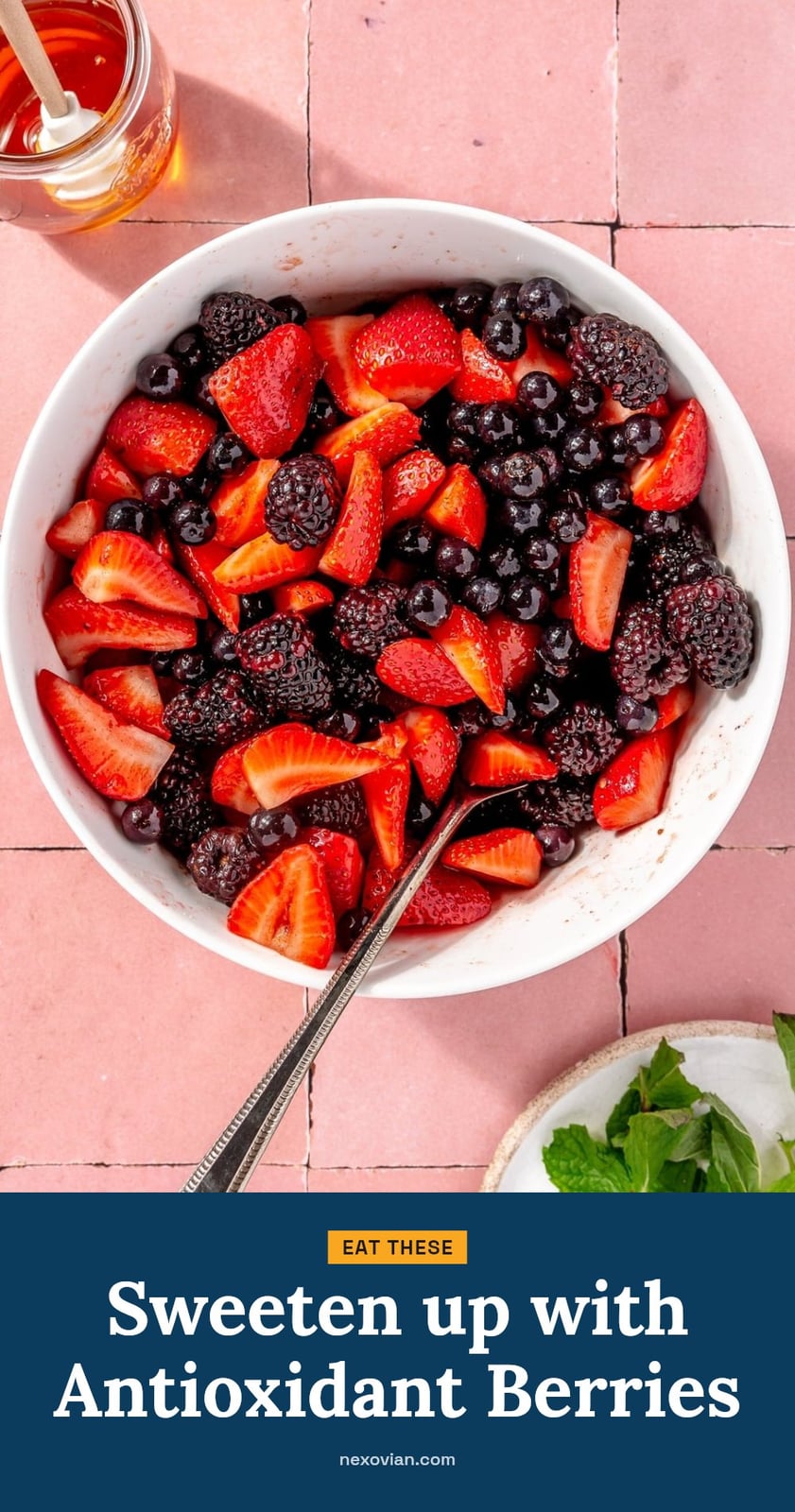
Strawberries, blueberries, raspberries, and blackberries are packed with anthocyanins, the pigments that give them their deep colors and powerful anti-inflammatory effects. These antioxidants help neutralize free radicals that can damage cells.
- Eat them fresh or frozen: Frozen berries keep their nutrients and work great in smoothies.
- Stir them into yogurt or oatmeal: A handful adds natural sweetness and a pop of color.
- Blend them into a sauce: Simmer berries with a little water for a topping on pancakes or pork.
I keep a bag of frozen blueberries on hand for days when fresh ones are out of season.
3. Fatty Fish
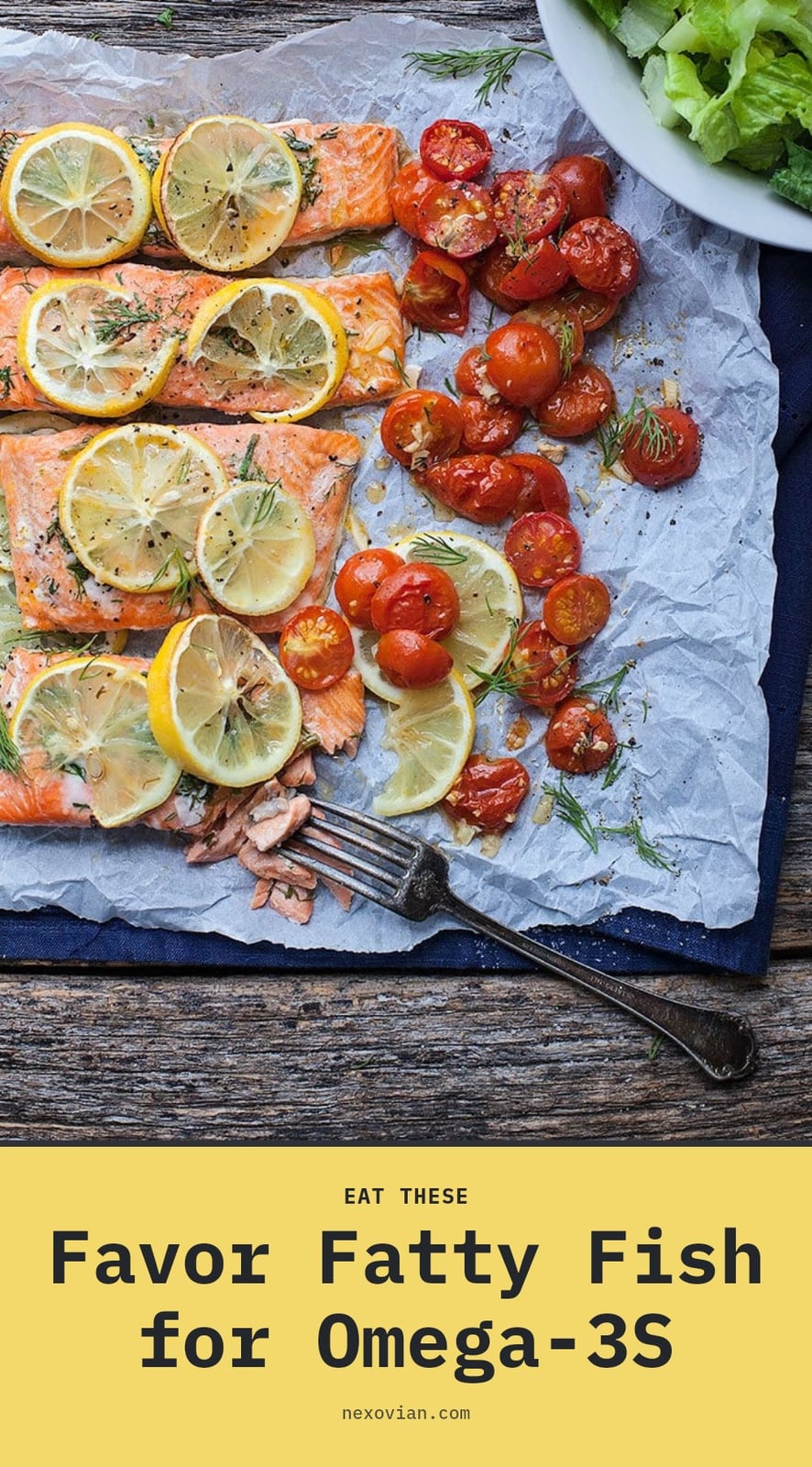
Salmon, mackerel, and sardines are my go-to sources of omega-3 fatty acids. These healthy fats work throughout your body to lower inflammation by reducing the production of inflammatory molecules.
- Grill or bake salmon: A simple lemon-herb rub keeps it light and flavorful.
- Add sardines to salads or pasta: They come packed in olive oil and require no cooking.
- Plan for two servings a week: Canned or fresh, fatty fish deliver the omega-3s you need.
I usually buy wild-caught salmon when it is on sale and freeze portions for later.
4. Extra Virgin Olive Oil
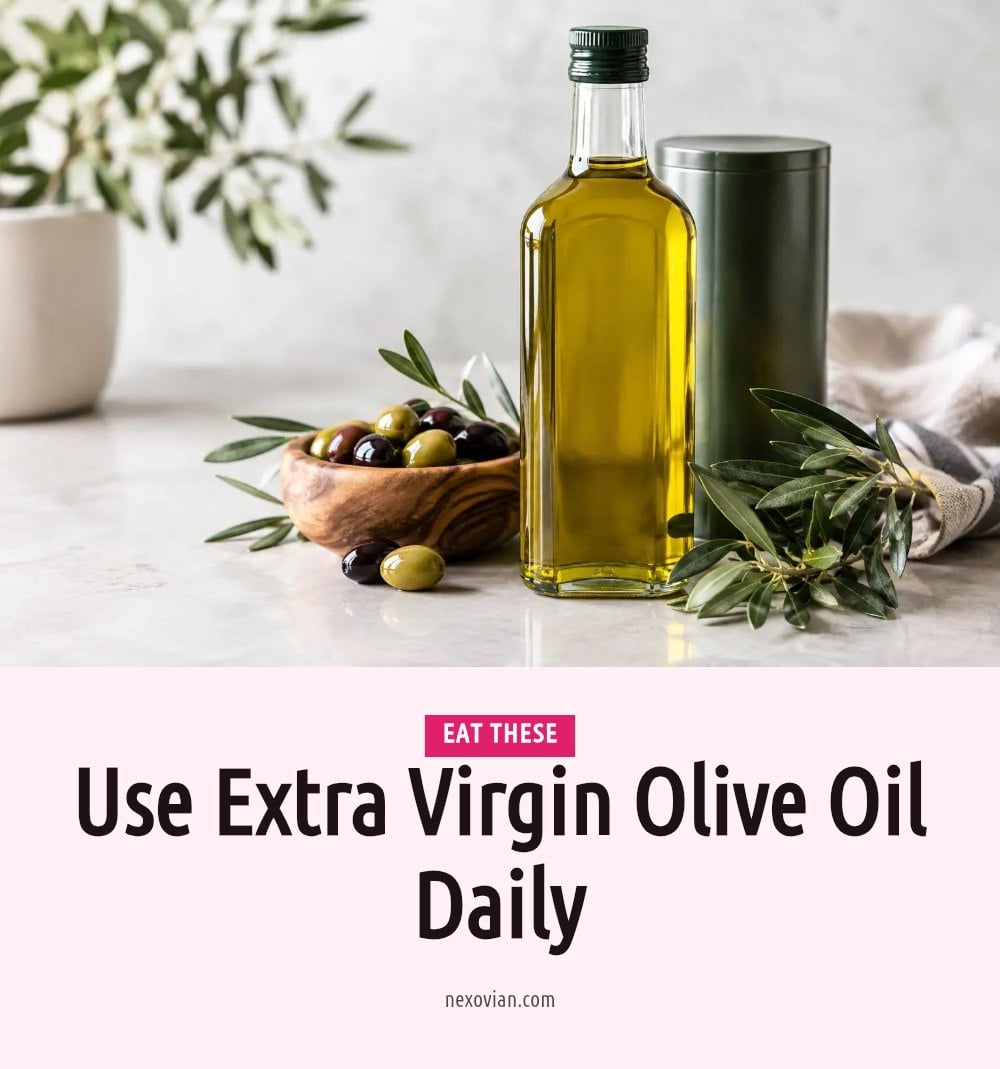
Extra virgin olive oil is a staple I always have on hand. It contains oleocanthal, a compound with anti-inflammatory properties similar to ibuprofen. This is a key reason the Mediterranean diet, which relies heavily on this oil, is linked to so many health benefits.
- Use it for dressings: Drizzle it over salads or roasted vegetables to get the most from its beneficial compounds.
- Light sautéing: Keep the heat low to preserve the oleocanthal. High heat can degrade it.
5. Whole Grains
Swapping refined grains for whole grains is a simple swap with big benefits. Oats, brown rice, and quinoa provide essential fiber that supports a healthy gut microbiome.
A balanced gut microbiome plays a significant role in regulating inflammation throughout your body. I usually replace white rice with brown rice or quinoa, and choose oats for breakfast instead of sugary cereals.
6. Nuts and Seeds
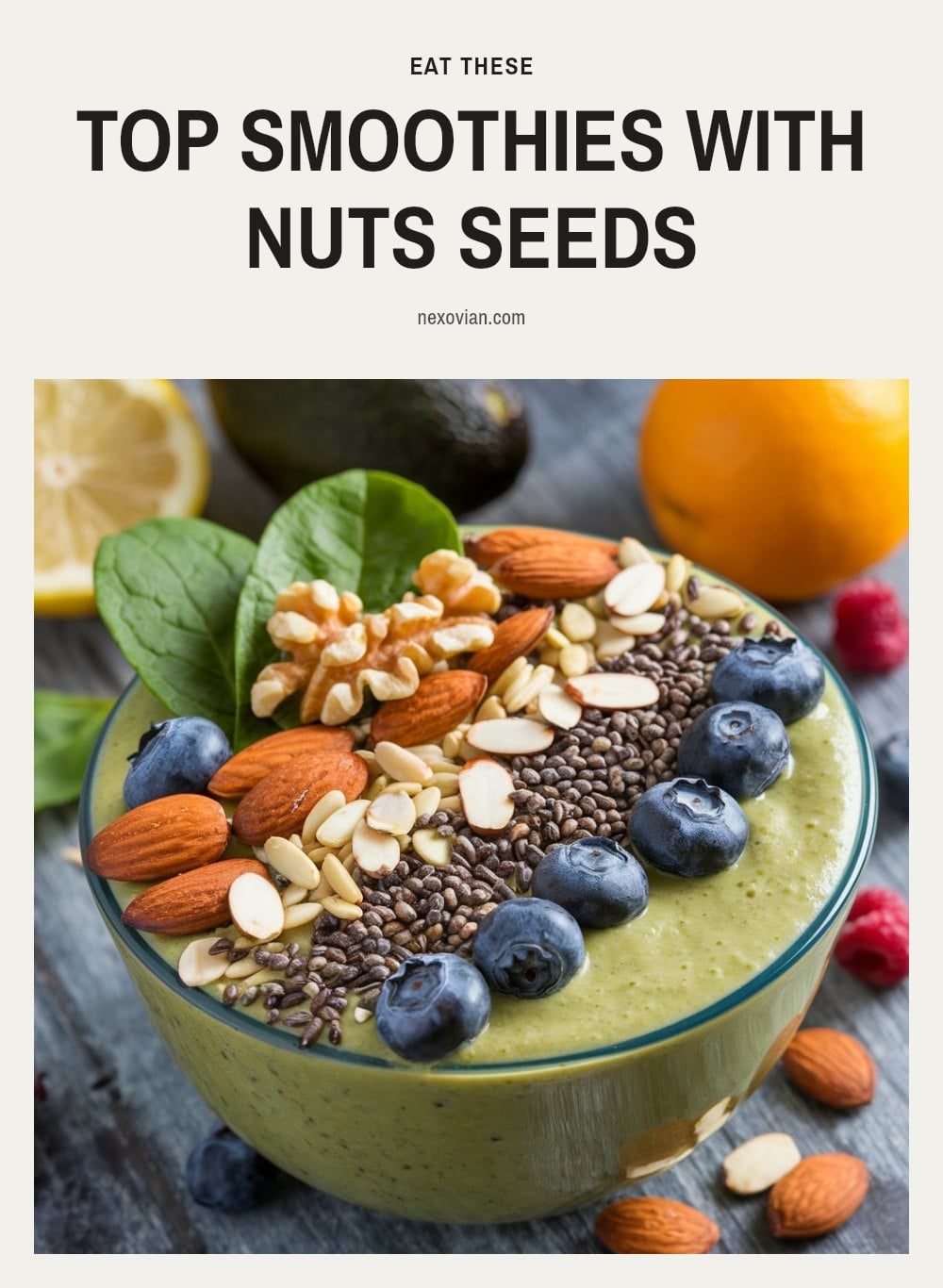
Almonds, walnuts, flaxseeds, and chia seeds are small but mighty. They are packed with healthy fats, fiber, and antioxidants. Walnuts, in particular, are rich in omega-3s, which help reduce inflammation.
A handful a day can contribute to overall health. My tip: Add them to salads or oatmeal for a satisfying crunch that boosts your meal’s anti-inflammatory power.
7. Turmeric
Turmeric gets its vibrant yellow color from curcumin, a compound with recognized potent anti-inflammatory effects. Curcumin has been studied for its potential role in managing various inflammatory conditions.
I add turmeric to curries, soups, and even a golden milk latte. Pair it with black pepper to help your body absorb the curcumin more effectively.
8. Green Tea

Green tea is rich in polyphenols, especially EGCG, which have powerful anti-inflammatory and antioxidant properties. These compounds can help reduce inflammatory markers in your body when consumed regularly.
I usually keep a pitcher of brewed green tea in my fridge for a refreshing drink. Aim for a few cups throughout the day as a healthy, hydrating alternative to sugary beverages.
9. Tomatoes
Tomatoes are a great source of lycopene, a powerful antioxidant with anti-inflammatory properties. Cooking tomatoes actually enhances the bioavailability of lycopene, so enjoy them both raw and cooked.
Add them to sauces, salads, or as a simple side dish. Tip: a splash of olive oil with cooked tomatoes helps your body absorb lycopene even better.
10. Bell Peppers
Bell peppers, especially red and yellow varieties, are incredibly high in vitamin C and other antioxidants. Vitamin C is essential for immune function and helps combat oxidative stress that drives inflammation.
They are versatile and easy to add to stir-fries, salads, or enjoy as a crunchy snack. Good to know: red bell peppers have the most vitamin C because they ripen longest on the vine.
11. Legumes
Beans and lentils are fantastic sources of fiber, plant-based protein, and various minerals. Their high fiber content supports a healthy gut microbiome, which plays a key role in regulating inflammation.
They are a versatile and affordable addition to soups, stews, and salads. My tip: rinse canned beans well to reduce sodium before adding them to your dish.
Common Mistakes When Adopting an Anti-Inflammatory Diet
When I first started eating for inflammation, I expected to feel different overnight. That is not how it works. Dietary changes take time to impact your body’s inflammatory response, sometimes weeks or months. Patience and consistency matter more than perfection.
Mistake 1: Trying to cut everything at once. An overly restrictive diet is hard to maintain. Aim for balance and gradual changes instead. Swap one refined grain for a whole grain this week, then add a serving of berries next week.
Mistake 2: Ignoring sleep, stress, and exercise. These factors influence inflammation as much as food does. Address them alongside your diet for real results.
Mistake 3: Chasing single ‘superfoods.’ No one food can fix inflammation. Focus on a holistic dietary pattern with variety across all food groups. That is what actually works.
Frequently Asked Questions
How quickly can an anti-inflammatory diet show results?
Many people may start to notice subtle changes within a few weeks, but more significant improvements often take a few months of consistent eating. Everyone responds differently, and factors like stress, sleep, and exercise also play a role. It is best to think of this as a long-term pattern rather than a quick fix.
Can I still eat some inflammatory foods?
Yes, you can still enjoy them occasionally. The goal is to make anti-inflammatory foods the foundation of your diet, not to eliminate every treat. Having a slice of cake at a celebration or a serving of fries now and then is fine; just aim for balance and avoid letting these foods crowd out the good stuff most of the time.
Is an anti-inflammatory diet suitable for everyone?
It can be a healthy pattern for most people, but it is not one-size-fits-all. If you have a specific health condition, are pregnant, or take medications, talk to your doctor or a registered dietitian before making big changes. They can help tailor the approach to your needs and flag any potential interactions, such as with turmeric and blood thinners.
What is the difference between acute and chronic inflammation?
Acute inflammation is your body’s short-term response to injury or infection, and it is actually beneficial. Chronic inflammation is a prolonged, low-grade state that can contribute to various health issues over time. The anti-inflammatory diet focuses on reducing chronic inflammation through long-term eating habits, not on suppressing the acute response you need for healing.
What foods cause inflammation?
Foods that are commonly linked to promoting inflammation include highly processed foods, fast food, packaged snacks, refined sugars (like those in sodas and candies), trans fats, and excessive saturated fats. Excessive alcohol consumption can also contribute. Limiting these and emphasizing whole foods is the core of an anti-inflammatory approach.
Final Thoughts
My tip: start with one swap, like trading your usual afternoon snack for a handful of walnuts or adding a cup of spinach to your smoothie. Build from there rather than overhauling everything at once. Realistically, you might notice subtle shifts in how you feel after a few weeks of steady effort, with more meaningful changes after a few months. Consistency matters more than perfection, so focus on the foods you can add rather than only on what you cut out.
This information is for general educational purposes only and is not a substitute for professional medical advice. Always consult a healthcare provider or registered dietitian before making significant dietary changes, especially if you have a health condition, are pregnant, or take medications. If you have persistent symptoms, see a doctor for personalized guidance.

