
Waking up to a puffy face can be frustrating, especially when you have a busy day ahead. The good news is that in most cases, facial puffiness is temporary and can be quickly reduced with a few simple at-home remedies. This article covers 12 practical strategies, from cold compresses to dietary tweaks, to help you de-puff your face fast.
Whether your puffiness is from last night’s salty dinner, a late night, or an allergy flare-up, these tips can help you look and feel more like yourself in no time.
Key Takeaways
- Apply a cold compress for 5-10 minutes to constrict blood vessels.
- Stay hydrated with at least 8 glasses of water daily.
- Elevate your head with an extra pillow while sleeping.
- Reduce sodium intake and eat potassium-rich foods like bananas.
- Seek immediate care for sudden, severe puffiness with breathing trouble.
Why Your Face Gets Puffy and How to Fix It
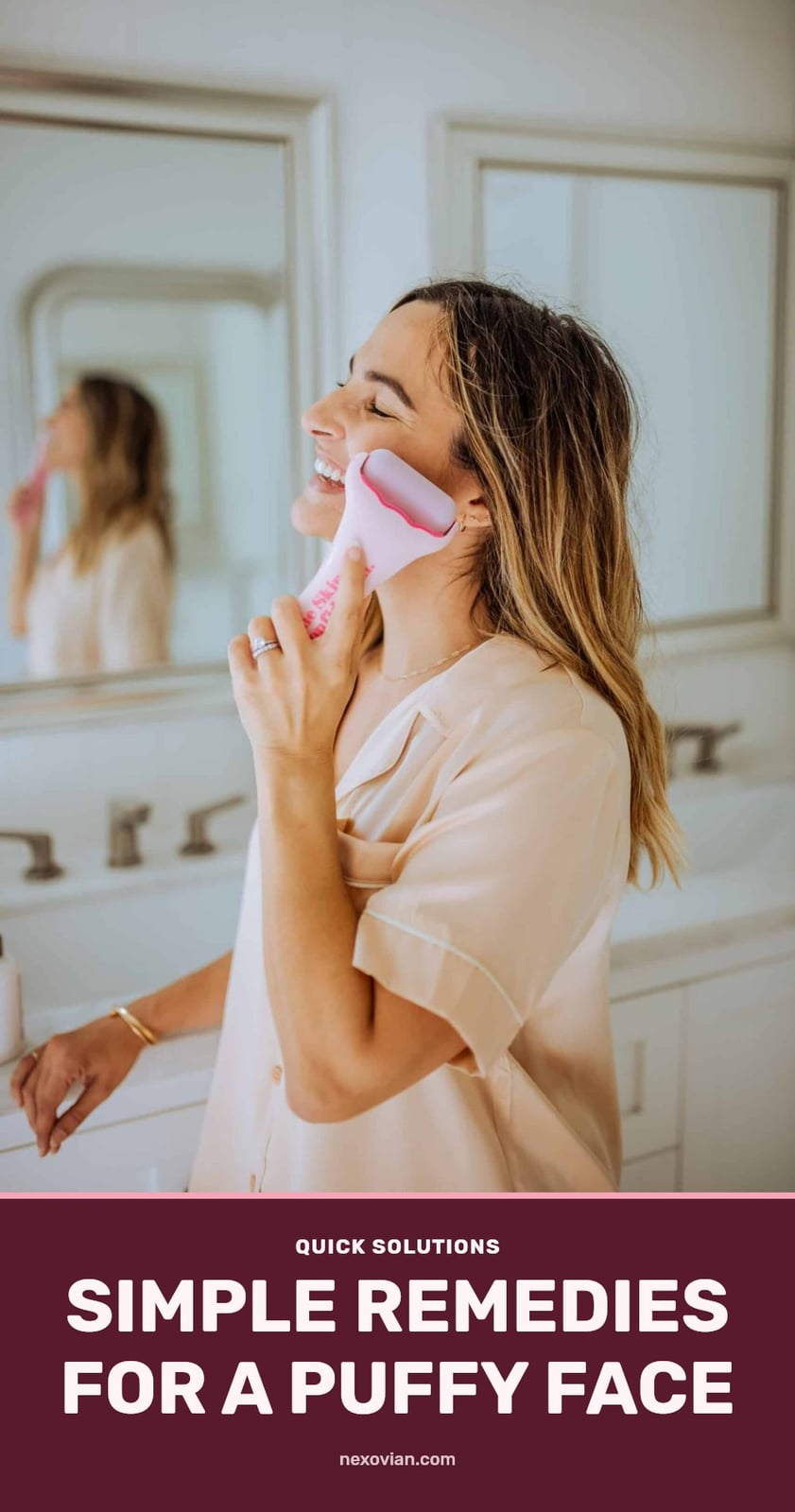
Facial puffiness is often caused by fluid retention, inflammation, or allergic reactions. Common triggers include high sodium intake, dehydration, or lack of sleep. To quickly reduce puffiness, I’ve found that applying cold compresses, gentle facial massage, and staying well-hydrated are some of the most effective at-home remedies. While usually temporary, persistent or severe puffiness warrants a doctor’s visit to rule out underlying health concerns.
1. Apply a Cold Compress
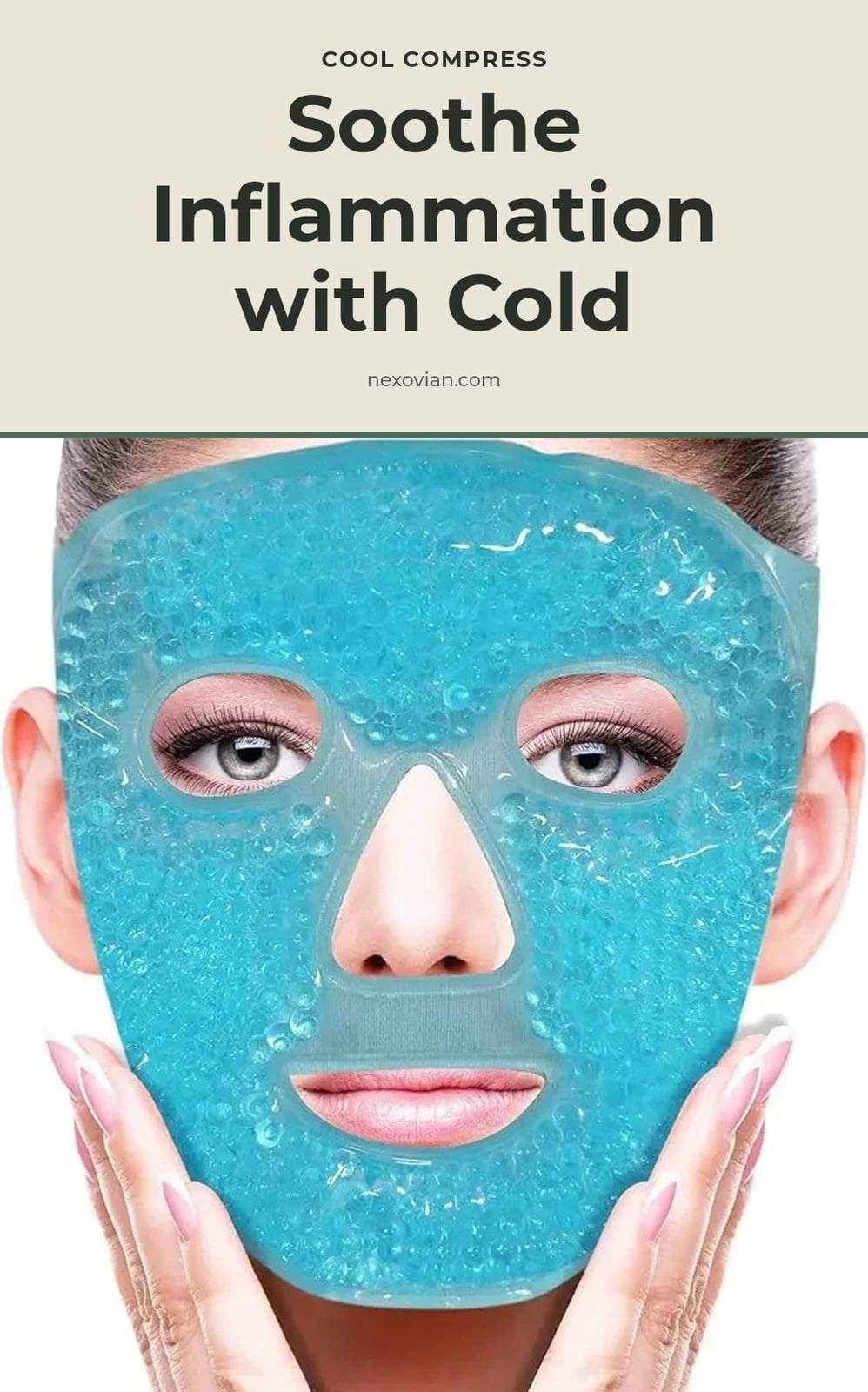
Cold temperatures constrict blood vessels, which immediately helps reduce swelling and inflammation. My tip: Wrap ice or a frozen gel pack in a soft cloth and apply it to your puffy areas for 5-10 minutes. Never apply ice directly to your skin.
2. Use an Ice Roller
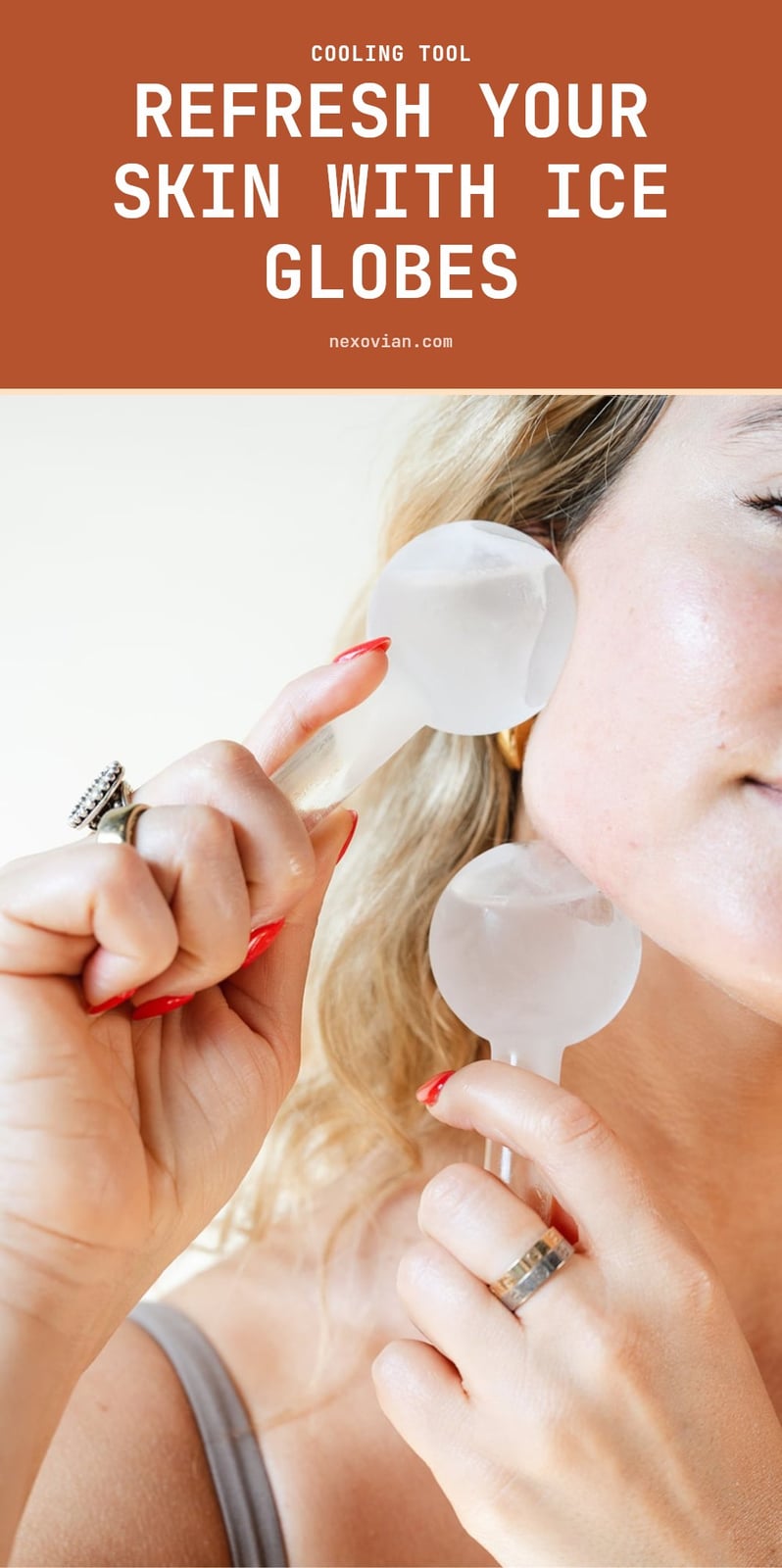
An ice roller combines the benefits of cold therapy with a gentle massage action, promoting lymphatic drainage. Roll it gently over your face, starting from the center and moving outwards towards your lymph nodes (near ears and collarbone). My tip: Keep your ice roller in the freezer so it’s ready whenever you need a quick depuffing session.
3. Perform Gentle Facial Massage
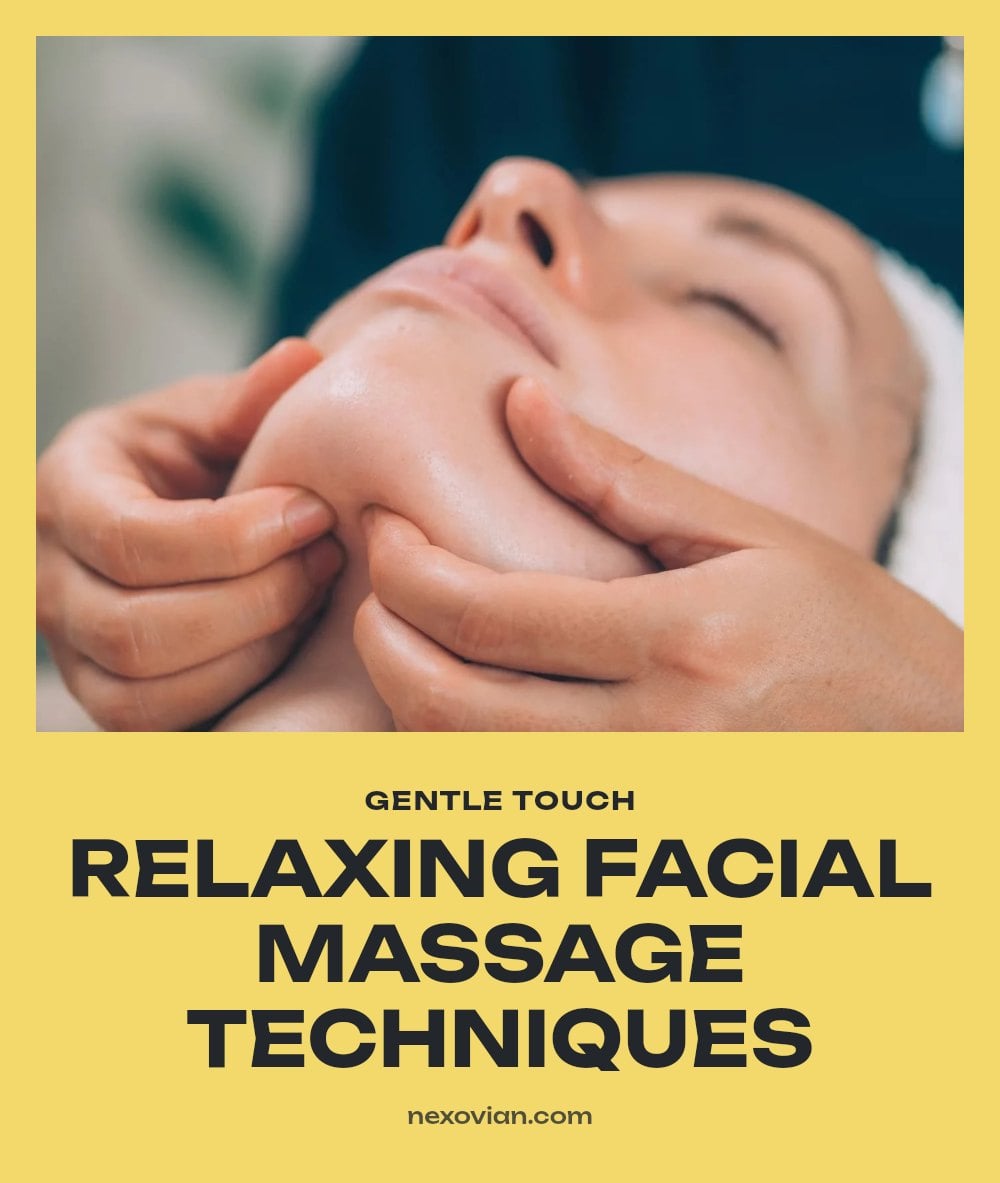
Gentle facial massage stimulates lymphatic drainage, helping to move excess fluid away from your face. Using your fingertips, gently stroke from the center of your face outwards and downwards towards your neck and collarbones. Tip: Use a hydrating facial oil to help your fingers glide smoothly without pulling your skin.
4. Stay Well Hydrated

Drinking enough water helps your body flush out excess sodium, which can reduce fluid retention and facial puffiness. Aim for at least 8 glasses throughout the day. Dehydration can actually make your body hold onto water, making puffiness worse.
- Good to know: Carry a reusable water bottle with you to ensure you’re sipping regularly. It’s a simple habit that keeps you hydrated without thinking about it.
5. Elevate Your Head While Sleeping
Sleeping with your head slightly elevated prevents fluid from pooling in your face overnight, which reduces morning puffiness. Try using an extra pillow or a wedge pillow to keep your head raised a few inches.
Pro move: This simple adjustment can make a noticeable difference, especially if you tend to wake up with a very puffy face. It works by using gravity to keep fluid from settling.
6. Incorporate Caffeine Skincare
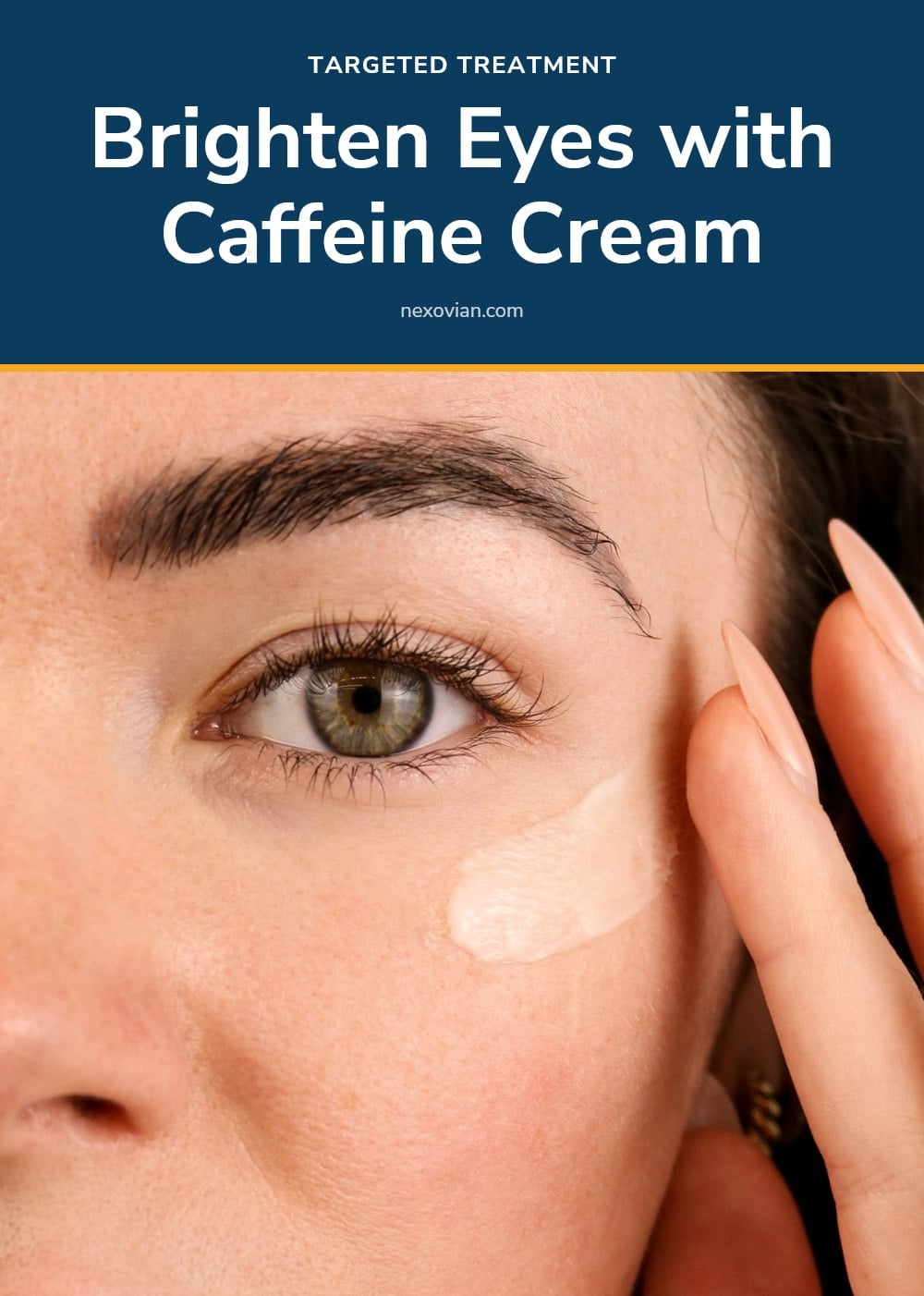
Caffeine is a vasoconstrictor, meaning it temporarily tightens blood vessels, which can reduce swelling and puffiness. Look for eye creams or serums that contain caffeine and gently pat them onto puffy areas.
Quick tip: Keep your caffeine-infused products in the fridge for an extra cooling and depuffing boost. The cold enhances the tightening effect.
7. Reduce Sodium Intake
High sodium intake is a major cause of fluid retention, which often shows up as facial puffiness. Avoid processed foods, fast food, and excessive salt in your cooking. Pay attention to food labels, especially for hidden sodium.
Tip: Opt for fresh, whole foods and season with herbs and spices instead of relying on salt. Your face will thank you in the morning.
8. Eat Potassium-Rich Foods

Potassium helps balance sodium levels in your body, which can reduce fluid retention. Incorporate foods like bananas, avocados, spinach, and sweet potatoes into your diet.
Good to know: A morning smoothie with spinach and banana is a delicious way to start your day and help combat puffiness. The potassium works by signaling your kidneys to excrete more sodium, which pulls excess water out of your tissues.
9. Get Adequate Sleep
Lack of sleep can disrupt hormone balance and increase cortisol levels, contributing to fluid retention and puffiness. Aim for 7-9 hours of quality sleep each night to help your body regulate itself.
Pro move: Establish a consistent sleep schedule and create a relaxing bedtime routine to improve your sleep quality. Even one night of poor sleep can raise cortisol enough to make your face look puffier the next morning.
10. Use a Jade Roller or Gua Sha
These tools aid in lymphatic drainage and can help move stagnant fluid, reducing facial puffiness. Gently roll or scrape the tool across your face in upward and outward motions, always moving toward your lymph nodes near your ears and collarbone.
Quick tip: Keep your jade roller or gua sha tool in the fridge for an extra cooling and soothing effect. The cold temperature constricts blood vessels while the mechanical action pushes fluid away.
11. Exercise Regularly
Physical activity improves circulation and lymphatic flow throughout your body, which can help reduce overall fluid retention, including in your face. Even a brisk walk can make a difference in getting your lymphatic system moving.
Tip: Find an activity you enjoy to make regular exercise a sustainable part of your routine. Aim for at least 30 minutes of moderate movement most days to keep fluid from pooling in your face.
12. Identify and Avoid Allergens
Allergic reactions to food, cosmetics, or environmental factors can cause sudden and significant facial swelling. If you suspect an allergy, try to identify the trigger and avoid it. Keep a diary of your symptoms and potential exposures to spot patterns.
Good to know: Patch test new skincare products on a small area of skin before applying them to your entire face. Just apply a pea-sized amount behind your ear or on your inner arm and wait 24 hours to check for any reaction before using it on your face.
When to See a Doctor About Facial Puffiness
Most facial puffiness is temporary and harmless, but there are times when it needs professional attention. If your facial swelling comes on suddenly, is severe or painful, or is accompanied by difficulty breathing, hives, or dizziness, seek immediate medical care. This can be a sign of a severe allergic reaction called anaphylaxis.
Persistent puffiness that lingers or gets worse over time also warrants a doctor’s visit, especially if you also notice fever, fatigue, unexplained weight gain, or changes in how often you urinate. These could point to underlying conditions like kidney issues or thyroid problems.
Caution: Always listen to your body. If something feels off or the puffiness doesn’t respond to home remedies, a professional opinion is the safest next step.
Frequently Asked Questions
How long does facial puffiness usually last?
Most temporary facial puffiness from fluid retention or lack of sleep resolves within a few hours, especially if you use immediate remedies like cold compresses or gentle massage. Lifestyle changes such as reducing sodium and improving sleep may show gradual improvements over days to weeks. If puffiness persists for more than a day or two, consult a doctor.
Can certain foods cause a puffy face?
Yes, high-sodium foods like processed snacks and fast food are a common trigger for fluid retention, which can make your face look puffy. On the flip side, potassium-rich foods like bananas, avocados, and spinach can help balance sodium levels and reduce puffiness. Keeping a food diary may help you spot your personal triggers.
Is a jade roller better than an ice roller for puffiness?
Both tools can help, but they work a bit differently. An ice roller combines cold therapy with massage, which constricts blood vessels and reduces swelling. A jade roller is gentler and focuses on lymphatic drainage. Some people use both: ice roller for quick de-puffing, then jade roller for soothing massage. Choose based on your preference and skin sensitivity.
What is lymphatic drainage massage for the face?
Lymphatic drainage massage is a gentle technique that stimulates the lymphatic system to move excess fluid away from your face. Using your fingertips or a tool, you stroke from the center of your face outward and downward toward your neck and collarbones, where lymph nodes are located. This can help reduce puffiness and improve circulation.
Does drinking more water really help with puffiness?
Yes, staying well-hydrated helps your body flush out excess sodium, which can reduce fluid retention. Ironically, not drinking enough water can make your body hold onto fluid, worsening puffiness. Aim for at least 8 glasses a day, and you may notice less morning puffiness over time.
Can allergies make my face puffy?
Absolutely. Allergic reactions to food, cosmetics, or environmental triggers can cause sudden and significant facial swelling. If you suspect an allergy, try to identify and avoid the trigger, and consider keeping a symptom diary. If swelling is sudden, severe, or accompanied by difficulty breathing, seek emergency care immediately.
Final Thoughts
For quick relief, start with a cold compress or ice roller, and gently massage your face to encourage lymphatic drainage. For long-term results, focus on lifestyle habits like reducing sodium, staying hydrated, and getting 7-9 hours of sleep. Remember, most facial puffiness resolves within hours, but if it persists or worsens, it’s worth a check-up with your doctor.
My tip: keep a jade roller or ice roller in your fridge for a refreshing, de-puffing boost any morning. You’ll likely notice a difference in as little as 10-30 minutes with immediate remedies.
This article is for general informational purposes only and is not a substitute for professional medical advice. If you have persistent, severe, or painful facial puffiness, or if it’s accompanied by other symptoms, please consult a doctor or dermatologist. Do not ignore warning signs of a serious allergic reaction.

