
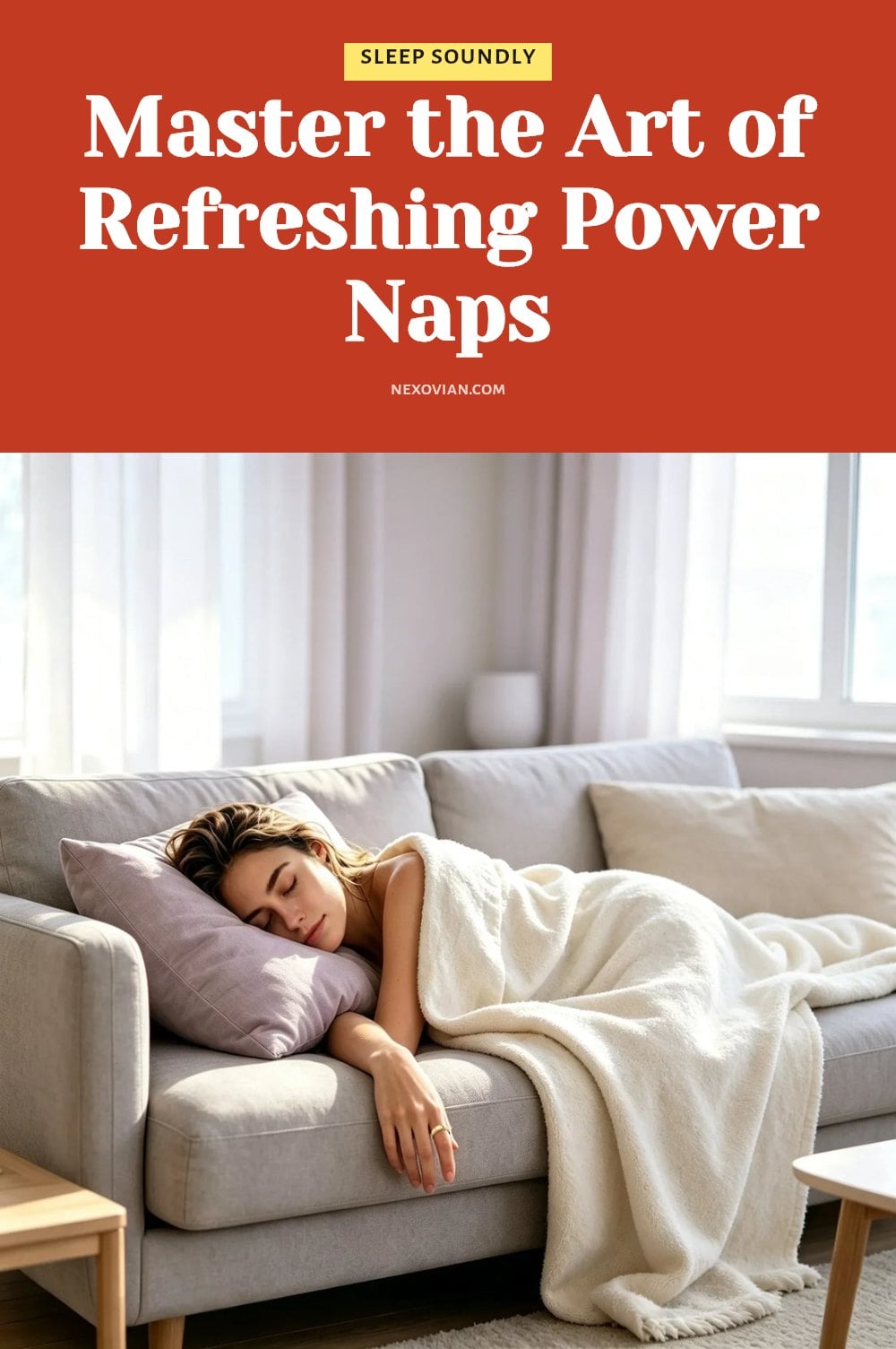
Feeling that midafternoon slump and wondering whether a nap will help or just make you foggier? The difference usually comes down to two things: how long you sleep and when you lie down. A short nap of 10-20 minutes, taken in the early to mid-afternoon, is the version most likely to leave you sharper rather than groggy.
This article walks through why short naps work, the simple tools that make one easier, a step-by-step routine, a few napping styles, and the mistakes that turn a good nap bad.
Key Takeaways
- Aim for a 10-20 minute nap to get the alertness boost without the grogginess.
- Nap between 1 PM and 3 PM, when your alertness naturally dips.
- Keep naps under 30 minutes; past that, sleep inertia is more likely.
- Set an alarm, and give yourself a few minutes to fully wake up afterward.
- Don’t use naps to make up for chronic sleep deprivation or replace nighttime sleep.
How to Nap Without Waking Up Groggy
The trick to waking up refreshed instead of foggy comes down to two numbers: how long you sleep and when. Aim for a short power nap of 10-20 minutes. That window keeps you in light sleep, so you wake up clear rather than groggy. Timing matters just as much: nap in the early to mid-afternoon, between 1 PM and 3 PM, when your body is already dipping in alertness.
Why Short Naps Are More Effective
A short nap can lift alertness, motor performance, and mood, and it may lower the risk of errors and accidents caused by fatigue. The reason length matters so much is sleep inertia: past roughly 30 minutes, you can sink into deeper sleep and wake up groggy and disoriented.
The clock on the wall matters too. Most people hit a natural dip in alertness in the early afternoon, which is why 1 PM to 3 PM is the sweet spot.
What a nap does for you
- Alertness: a short nap can sharpen focus for the next few hours.
- Performance: it can help with reaction time and motor tasks.
- Mood: many people find a brief nap takes the edge off irritability.
- Safety: it can reduce fatigue-related errors and accidents.
Tools for a Perfect Power Nap
You do not need much, but a few small items make the difference between a nap that works and one you spend tossing.
- Alarm clock or smartphone timer: essential for hitting the 10-20 minute window exactly.
- Eye mask: blocks light so you settle faster.
- Earplugs or noise-canceling headphones: cut background sound that keeps you half awake.
- Comfortable pillow or blanket: a little support and warmth helps your body relax.
Step-by-Step: Taking Your Best Power Nap
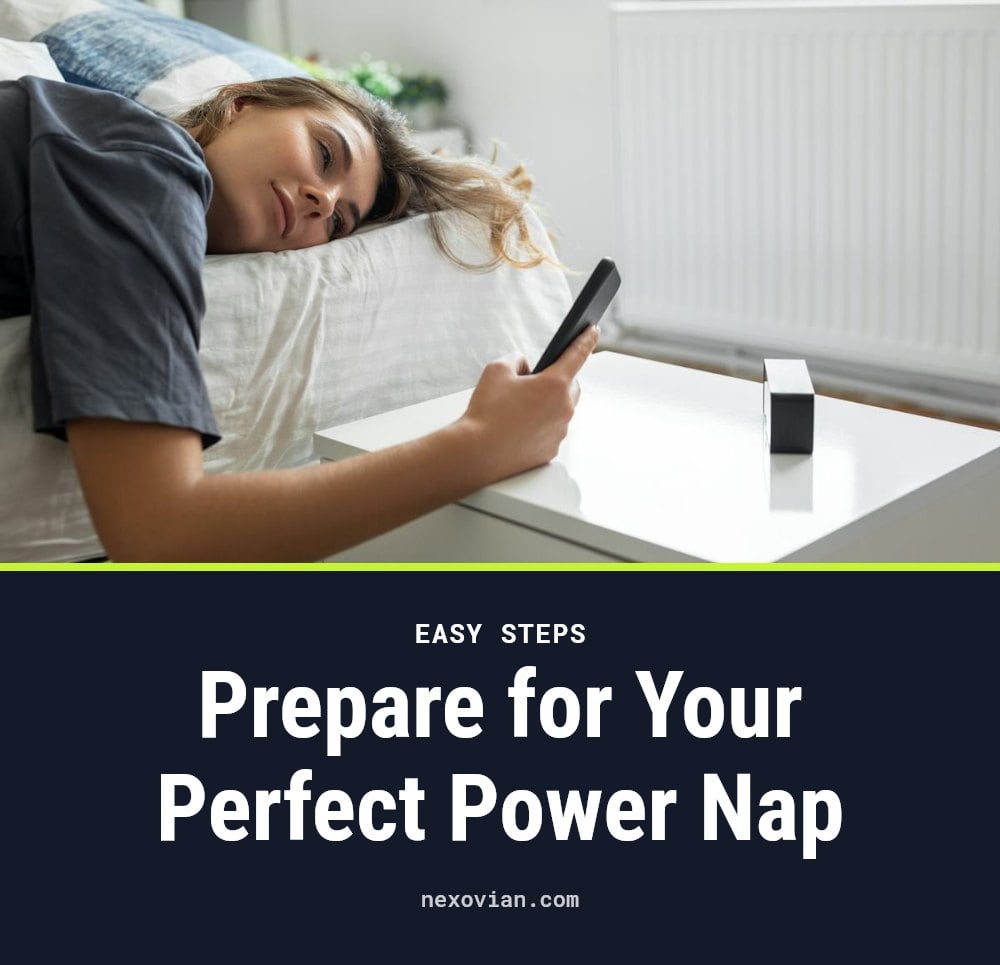
A good nap is mostly setup. Get these five moves right and the sleep itself takes care of itself.
- Pick your window: aim for early to mid-afternoon, roughly 1 PM to 3 PM, when alertness naturally dips. Napping later can push your bedtime back.
- Set up the space: find somewhere quiet, dark, and cool. Close the blinds, put on an eye mask, and use earplugs if your surroundings are noisy.
- Set your alarm: 10-20 minutes is the target. Set it before you lie down so you are not watching the clock, and keep the phone face down.
- Let yourself drift: lie back, relax your jaw and shoulders, and breathe slowly. If you do not fully fall asleep, resting quietly with your eyes closed still counts.
- Wake up gently: sit up slowly and give yourself a minute or two before jumping into anything demanding. A glass of water and a stretch help you reorient.
My tip: keep your nap spot consistent, whether that is a couch, a spare room, or a parked car, so your body starts associating that place with a quick reset.
Exploring Different Napping Techniques

Once the basics are in place, you can pick a style of nap that matches what you need from it. There are three worth knowing.
The classic power nap
This is the 10-20 minute version, and it is the safest bet for most people. You stay in light sleep, so you wake up clear instead of foggy, and the lift in alertness is usually noticeable right away. My tip: set your alarm before you lie down, then put the phone face down or across the room. Doing the setup first means you are not watching the clock once your head hits the pillow.
The caffeine nap
Drink a cup of coffee or tea, then lie down for 10-20 minutes straight away. Caffeine takes roughly 20-30 minutes to start working, so it tends to kick in about the time your alarm goes off. Many people find the combination feels stronger than either one alone. Caution: skip this one in the late afternoon, and skip it entirely if caffeine keeps you up at night.
Longer naps
Naps of 30-60 minutes can support memory consolidation, which is why students and shift workers often use them. The trade-off is sleep inertia: past 30 minutes you are more likely to enter deep sleep, and waking from it can leave you groggy for a while. If you try a longer nap, keep it early in the afternoon and give yourself 15-20 minutes to shake off the fog before you need to be sharp.
Common Napping Mistakes to Avoid
Most bad naps come from a handful of habits, and each one is easy to fix once you know what to watch for.
- Sleeping past 30 minutes: this is the main cause of that heavy, disoriented feeling on waking. Set the alarm for 20 minutes and get up when it goes.
- Napping late in the day: a nap in the late afternoon or evening can push your bedtime back and make it harder to fall asleep at night.
- Forcing it: if you are not sleepy, lying there trying to drift off usually just leaves you frustrated. Rest with your eyes closed instead, or skip it.
- No alarm: a nap without a timer can turn into an hour or more, which lands you in the groggy zone and eats your afternoon.
- Using naps as a substitute for sleep: a nap can take the edge off a bad night, but it does not replace consistent, adequate sleep. If you are short on sleep most nights, the nap is a patch, not a fix.
When to Consult a Healthcare Professional
Napping is a tool, not a treatment. Talk to a doctor if any of these sound familiar.
- You feel persistently tired during the day even with adequate nighttime sleep and well-timed short naps.
- You suspect an underlying condition such as sleep apnea, anemia, or a thyroid issue. Loud snoring, gasping at night, or unrefreshing sleep are worth mentioning.
- You have insomnia and notice that naps make it harder to fall asleep or stay asleep at night.
Good to know: bring a simple note of your sleep and nap times to the appointment. It gives the doctor something concrete to work from.
Nap Duration and Immediate Benefits
The whole investment is 10-20 minutes, and you do not need to build in recovery time. Benefits usually show up within minutes of waking: you feel more alert, your mood lifts, and focus comes back.
That sharper state tends to hold for a few hours, which is why a short nap fits neatly before a meeting, a drive, or a task that needs attention. Keep the nap short and early, and you get the lift without borrowing from the night.
Frequently Asked Questions
Why do I wake up more tired after a nap?
You likely slept past the 30 minute mark and slipped into deeper sleep, which is what causes sleep inertia, that heavy, disoriented feeling on waking. Keeping naps to 10-20 minutes helps you stay in lighter sleep so you wake up clear. Setting an alarm before you lie down is the simplest fix.
Can naps help with memory?
Yes, napping can support memory consolidation, which is one reason a short nap can leave you feeling sharper afterward. The effect tends to come with the same short nap that boosts alertness and mood. Longer naps aren’t required for this, and they carry the grogginess trade-off.
What if I can’t fall asleep during a nap?
That’s common, and it doesn’t mean the nap failed. Resting quietly in a dark, cool room with your eyes closed can still leave you feeling more settled. My tip: don’t force it. If you’re not sleepy, skip the nap and try again the next afternoon rather than lying there frustrated.
Is it bad to nap every day?
Not necessarily. A short daily nap in the early afternoon works fine for many people, as long as it doesn’t push your bedtime back or leave you groggy. The key is consistency and keeping it brief. If daily napping starts to interfere with nighttime sleep, scale back or shift the timing earlier.
Can naps replace a full night’s sleep?
No. Naps can improve alertness, mood, and focus, but they don’t substitute for adequate nighttime sleep. Relying on naps to cover chronic sleep deprivation usually backfires, and persistent daytime fatigue despite enough sleep is worth discussing with a healthcare professional.
Final Thoughts
My tip: treat a nap like a short appointment, not a free fall. Set your alarm for 20 minutes, lie down in a dark, cool, quiet spot in the early afternoon, and get up when it goes off even if you feel like you just closed your eyes. If you do this a few times a week, most people find the routine gets easier and the wake-up gets cleaner.
Expect the sharper, brighter feeling to hold for a few hours, not all day, and expect the occasional nap where you don’t sleep at all. That’s fine. If you’re consistently dragging even with good nighttime sleep and well-timed naps, that’s a signal to check in with a healthcare professional rather than to nap more.
This article is general information, not medical advice. If you have persistent daytime fatigue despite adequate sleep, or a condition such as insomnia or suspected sleep apnea, talk to a doctor or sleep specialist before making napping a regular habit.

