Curly hair rewards the right cut, and the current wave favors soft face-framing layers and curtain bangs over heavy, uniform shapes. These cuts are designed to let your natural texture do the talking, whether you prefer air-dried definition or a polished blowout.
This collection of 20 Curly Hair Ideas spans from short bobs to mid-back lengths, with options for fine hair that falls flat and thick hair that needs weight management. You will find low-maintenance cuts for busy weeks and higher-effort styles for occasions, each with practical styling and upkeep tips. No more guessing what to ask for or wrestling with a fringe that will not sit.
The 20 looksOpen list +
Layered Shoulder Length Cut With Wispy Bangs
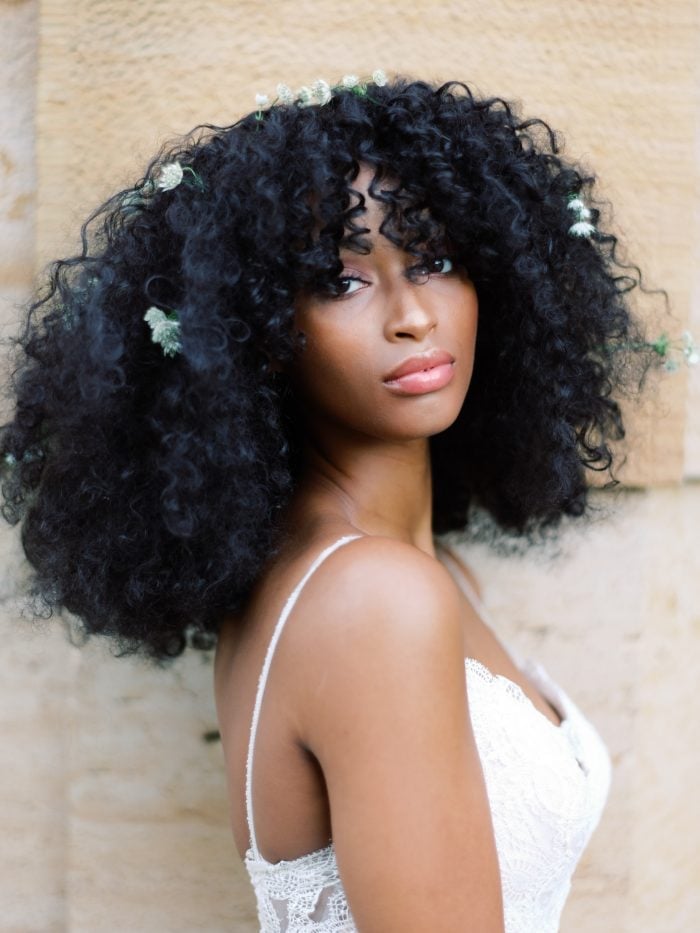
Layers cut to the shoulder give thick curls somewhere to go, and the wispy bangs keep the whole shape from reading as a helmet. The middle part splits that volume into two soft columns instead of one solid mass. This is a cut built for density: if your hair is fine, the same layers can thin the ends out and leave the curl with nothing to push against. Curly texture starting at shoulder length or longer has enough weight for the shape to hold. Round and oval faces get a softer line from the bangs, which break up the forehead without hiding it. Ask your stylist for: shoulder length layers with wispy bangs. A light hold product defines curls without stiffening them, and the bangs want a small trim between full cuts to stay wispy.
Collarbone Cut With Defined Curls And Curtain Bangs
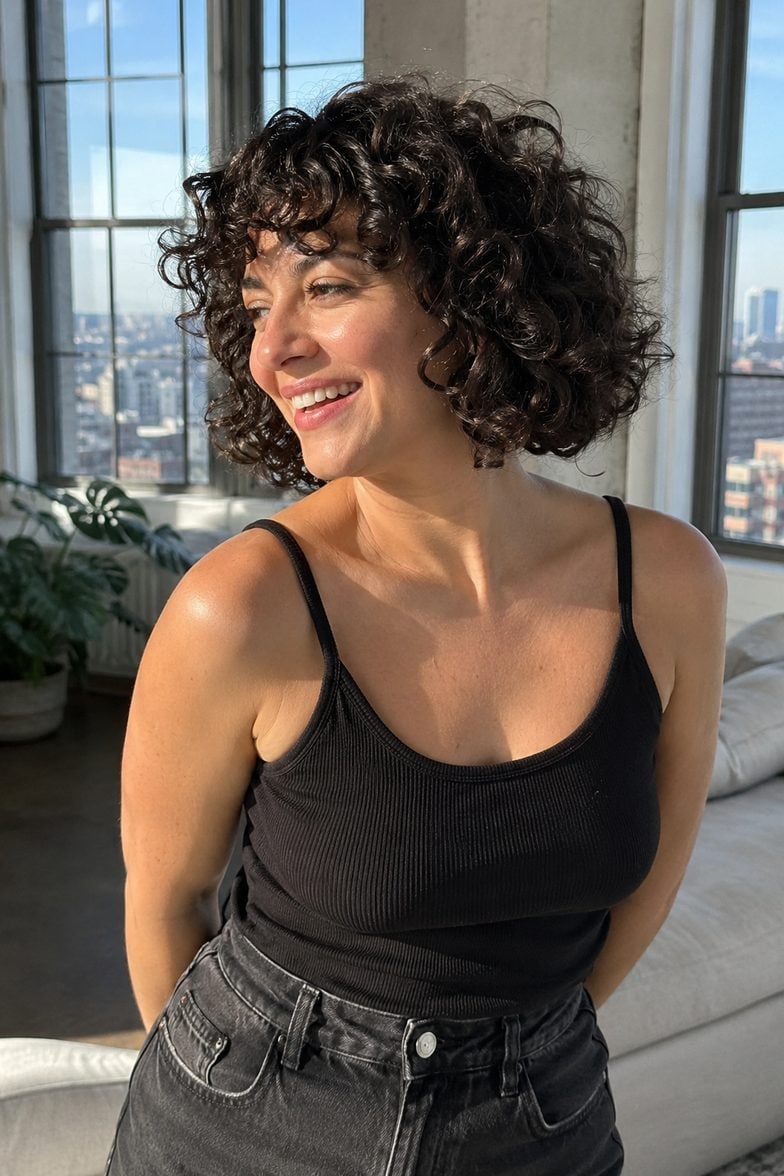
Wondering how to leave the salon with curls this defined instead of a rounded cloud? The words matter more than the picture you bring. Collarbone length sits far enough from the scalp that thick curls can form full spirals, and soft layers take weight off the ends so the pattern springs back. A side part does some of the work too, pushing volume to one side. Ask your stylist for: collarbone length layers with curtain bangs. Then be specific about the fringe, because this is where most collarbone curly cut requests go sideways:
- Curtain bangs that sweep outward, not a heavy block across the forehead
- Layers cut dry, so the stylist sees the curl where it actually lives
- Enough length at the crown to keep the spiral, with the ends tapered
Curtain bangs suit most face shapes, and square and oval faces in particular get a softer edge from the sweep.
Collarbone Layers With Caramel Highlights
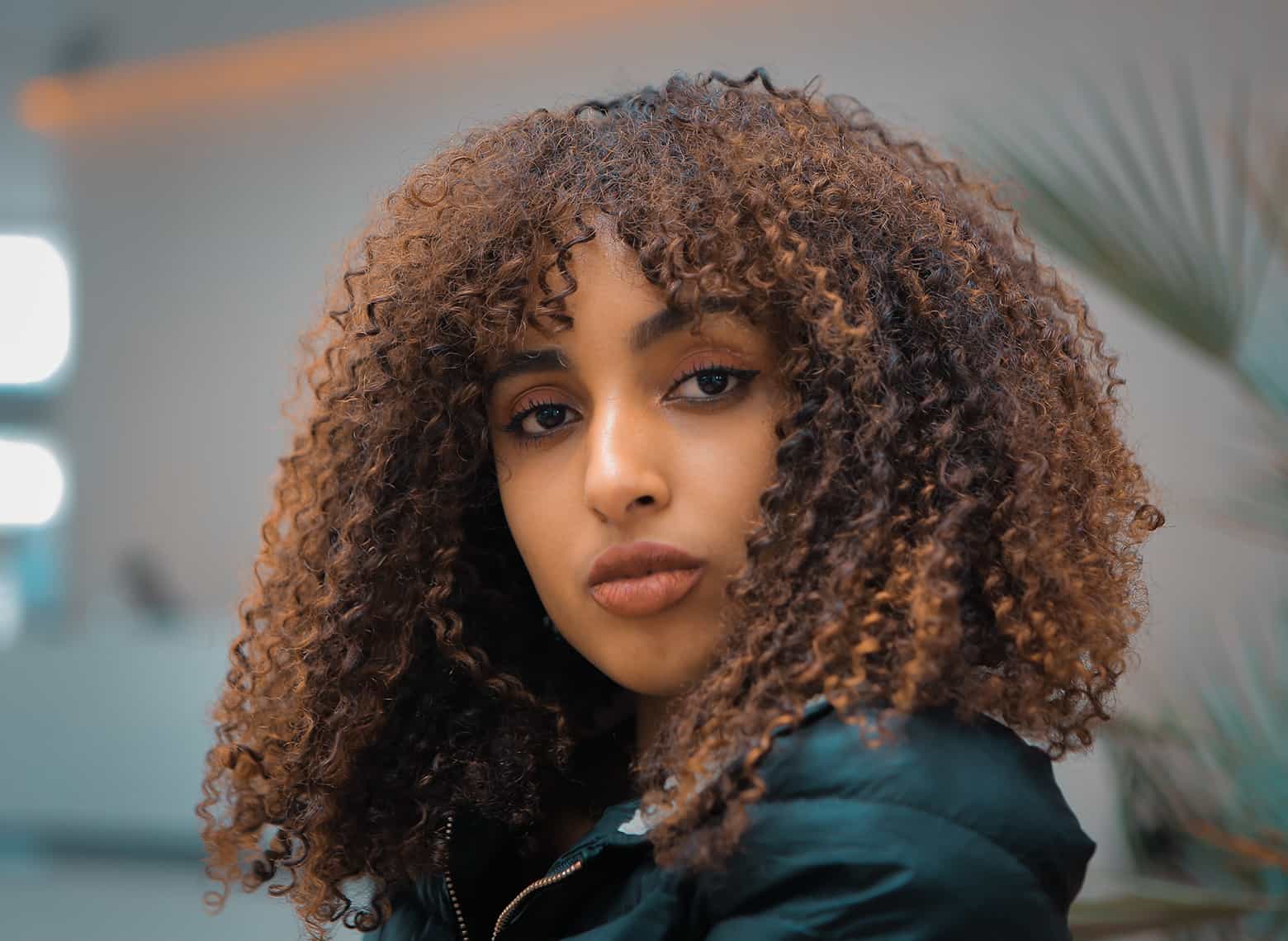
Caramel highlights on a dark brown base work best when they are painted in thin ribbons rather than blocked in, so the curl keeps its depth and the lighter pieces catch the bend of each spiral. A collarbone cut with soft curtain bangs gives those ribbons room to show, and air drying keeps the texture honest. Ask your colorist for: caramel highlights on dark brown. Ask your stylist for: collarbone layers with curtain bangs. A sulfate-free wash protects the color, and a water refresh between washes revives the curl. Plan on a toning appointment every six to eight weeks to keep the caramel from drifting warm.
Collarbone Bob With Soft Curls And Short Bangs
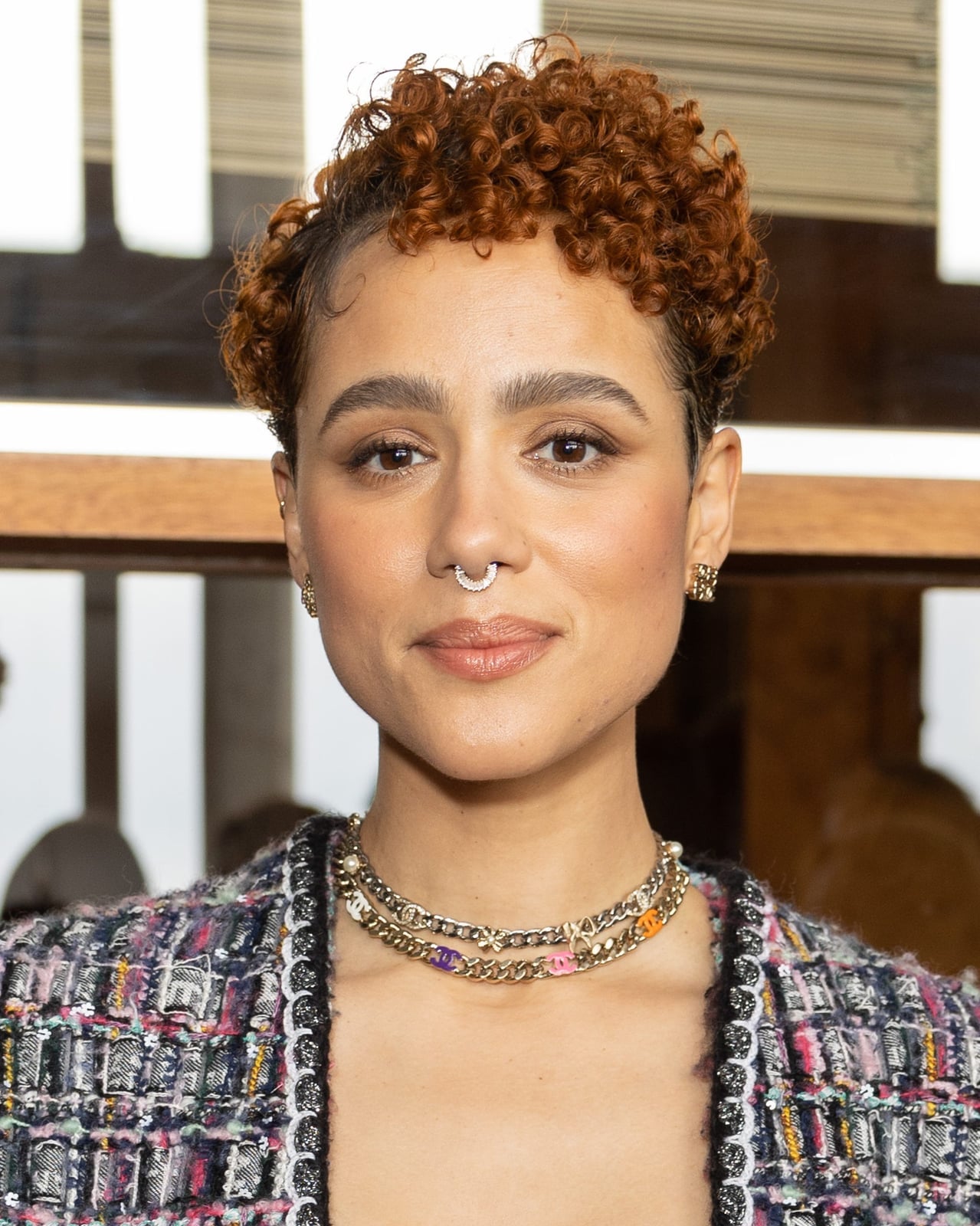
A collarbone bob sits in the middle ground: longer than a crop, shorter than the layers most curly cuts default to, and it needs a clean line to look deliberate. Short face-framing bangs sharpen that line and pull attention toward the eyes, which is why longer faces tend to wear them well. The blunt edge of a bob is the hard part at home. Curly hair shrinks as it dries, so a DIY trim on wet hair can spring up an inch shorter than planned, and bangs cut freehand rarely sit even. Ask your stylist for: collarbone bob, short face-framing bangs. A heat protectant and a diffuser keep the soft curl without the frizz.
Chin Length Bob With Voluminous Waves And Curtain Bangs
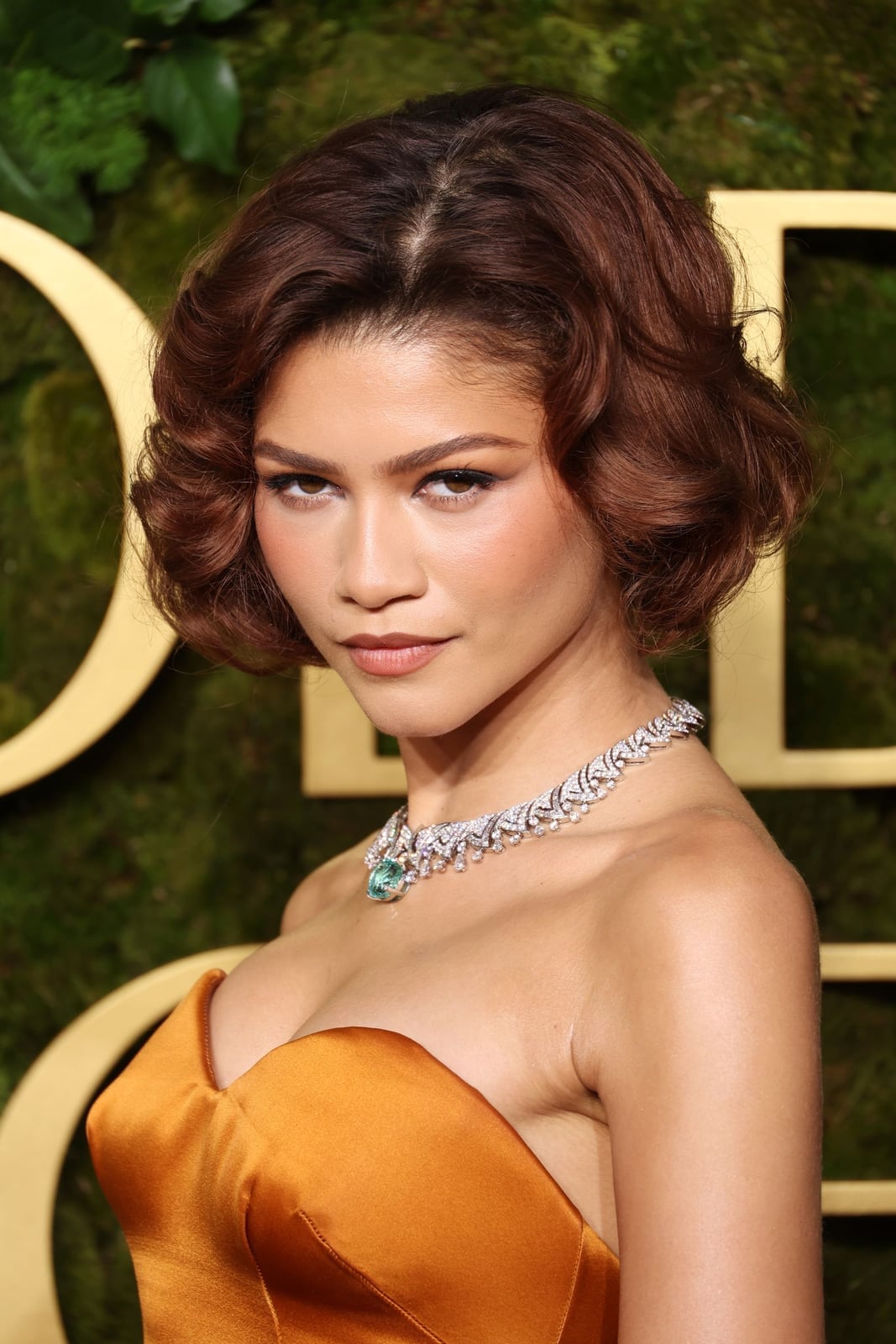
A chin length bob with curtain bangs and a side part lives or dies on volume, since the cut ends right where the jaw does and has no length to lean on. The chestnut base with subtle highlights gives the waves something to catch, but the shape comes from the blowout. Curtain bangs here frame the forehead and soften round and square jawlines without shortening it.
Expect to earn the volume: mousse on damp hair, then a blowout with a round brush, and the finish typically lasts a day or two before it needs a refresh. That makes it a strong choice for a brunch or an evening out and a fussier one for a rushed morning, when the same cut reads flatter. Chin length also grows out fast, so a trim every six to eight weeks keeps the bob from turning into a collarbone cut. Ask your stylist for: chin length bob, voluminous waves, curtain bangs.
Chin Length Black Bob With Subtle Layers
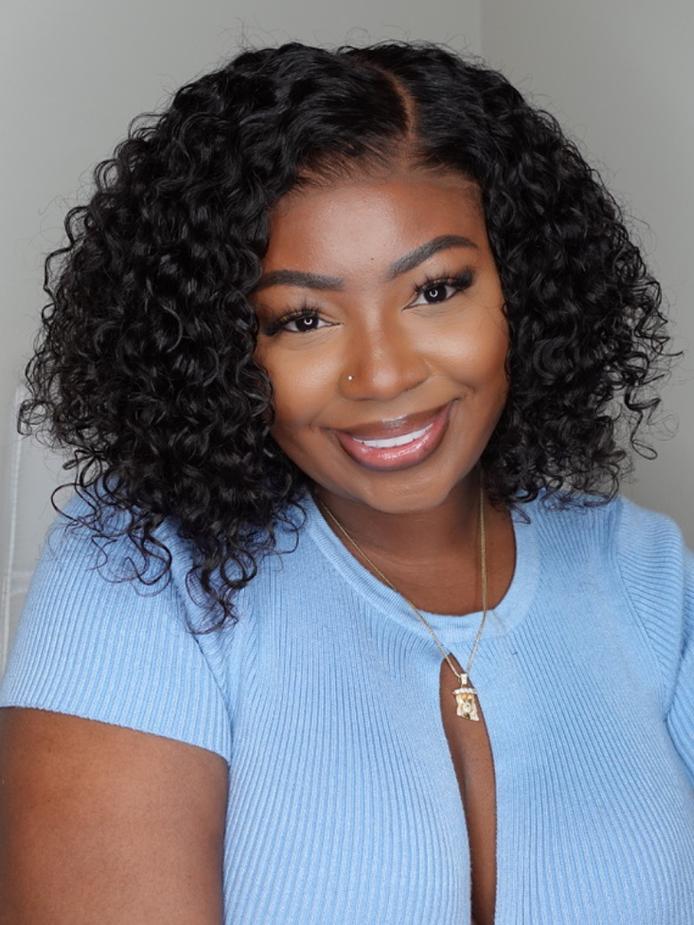
Does fine, curly hair ever hold a bob shape without turning into a sad triangle? A chin-length bob with subtle layers works because those layers encourage the curl pattern instead of flattening it. The middle part helps elongate a round face. Ask your stylist for: chin length bob, subtle layers, natural texture. A curl-defining cream and a scrunch are your tools here. Expect a trim every six to eight weeks to keep the shape from turning into an accidental mullet.
Collarbone Layers With Two-Tone Color
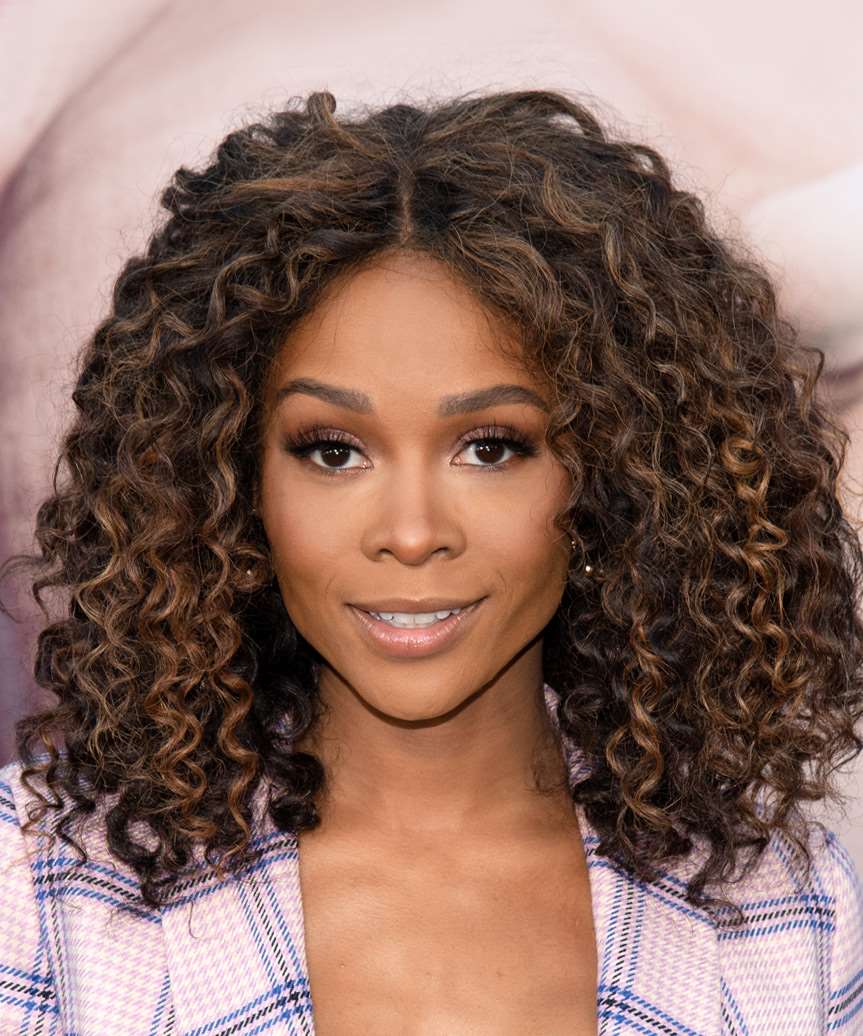
A dark brown base with lighter brown highlights creates a two-tone effect that gives curly hair more depth than a single shade can manage. The collarbone-length layers let the color travel through the curl pattern rather than sitting flat. Medium density hair benefits from this cut because the layers add movement without losing volume. Ask your stylist for: collarbone length layers, two-tone highlights, blowout finish.
A voluminous mousse before drying helps the blowout hold. Dry shampoo at the roots keeps the lift between washes.
Shoulder Length Layers With Caramel Highlights
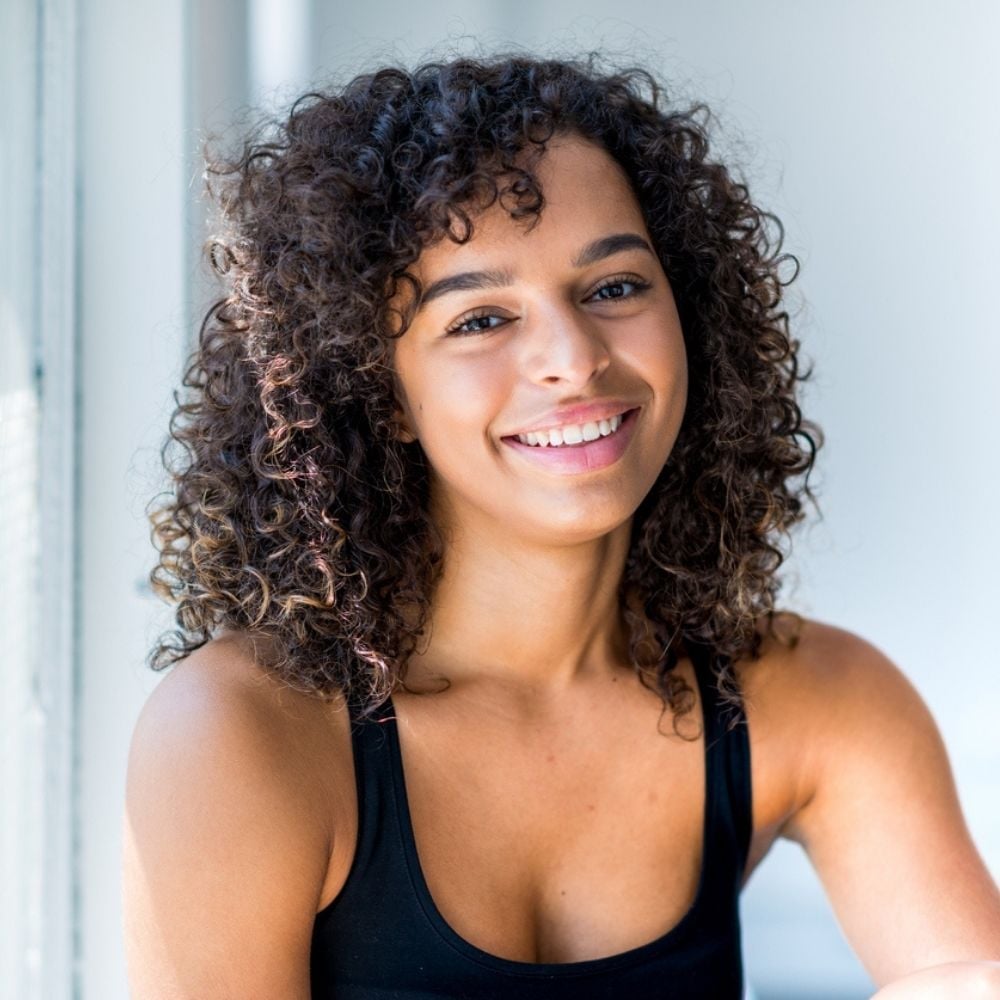
Thick, curly hair can feel like a lot of hair, and that is where a shoulder-length layered cut with caramel highlights earns its keep. The layers reduce bulk so the curls spring up and hold their shape. The caramel pieces add warmth against the dark brown base without requiring full commitment to lighter color. A side part breaks up the roundness of a fuller face. Ask your stylist for: shoulder length layers, caramel highlights, natural air-dried texture. A lightweight styling cream on damp hair is all the styling this cut really needs.
Shoulder Length Layers With Soft Face-Framing
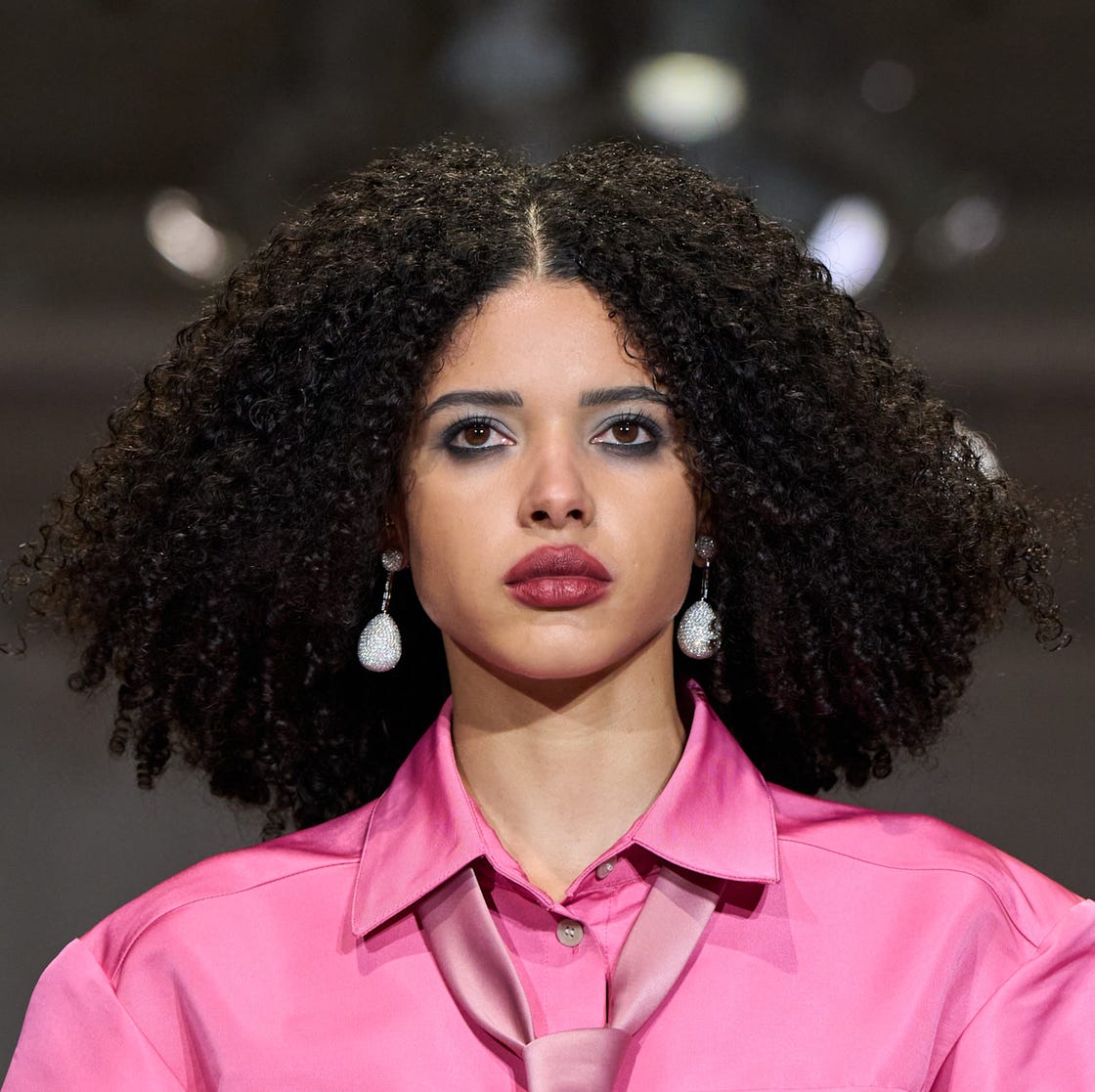
How do you ask for layers that soften the face without making curly hair look short and choppy? The answer is soft face-framing layers cut to graze the cheekbones, kept away from a stacked jaw. This shoulder-length cut works because the layers stay subtle enough to let the natural curl pattern read clearly. Thick, dark brown hair benefits from the reduced weight around the perimeter. Ask your stylist for: shoulder length soft layers, face-framing pieces. Use a wide-tooth comb on wet hair only; a light-hold hairspray finishes the shape.
Shoulder Length Updo With Curtain Bangs
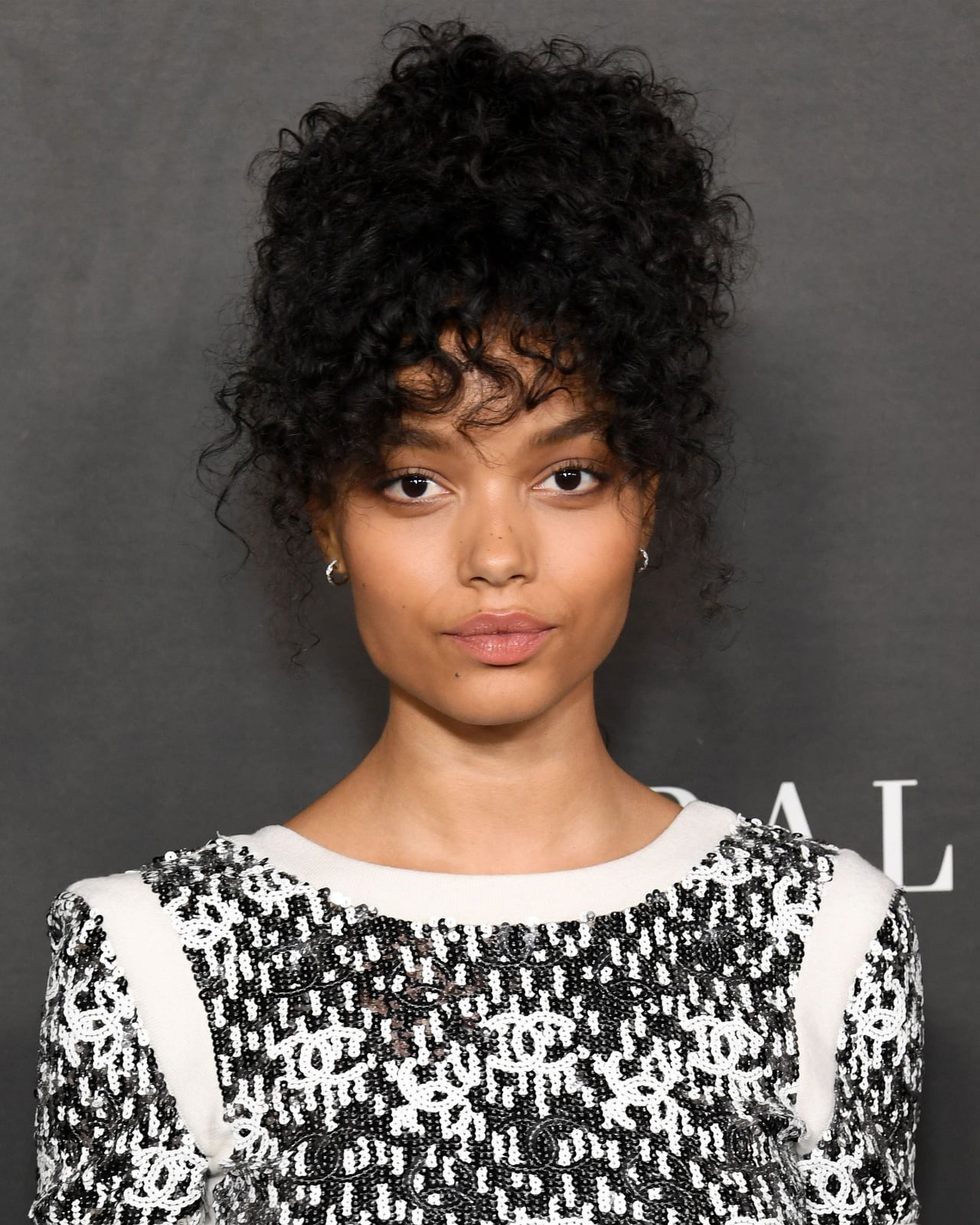
An updo on curly hair usually means hiding the texture, but this version lets the curls do the work. The voluminous shape starts with shoulder-length layers that are pinned loosely, leaving the individual curl pattern visible. The curtain bangs stay out, softening the hairline without being tucked away. This works for wedding guest season or any occasion that calls for something polished that still moves. Ask your stylist for: voluminous updo with curtain bangs. A texturizing spray before pinning gives the curls grip, and bobby pins in a matching shade keep things discreet.
Mid-Back Length Layers With Natural Volume
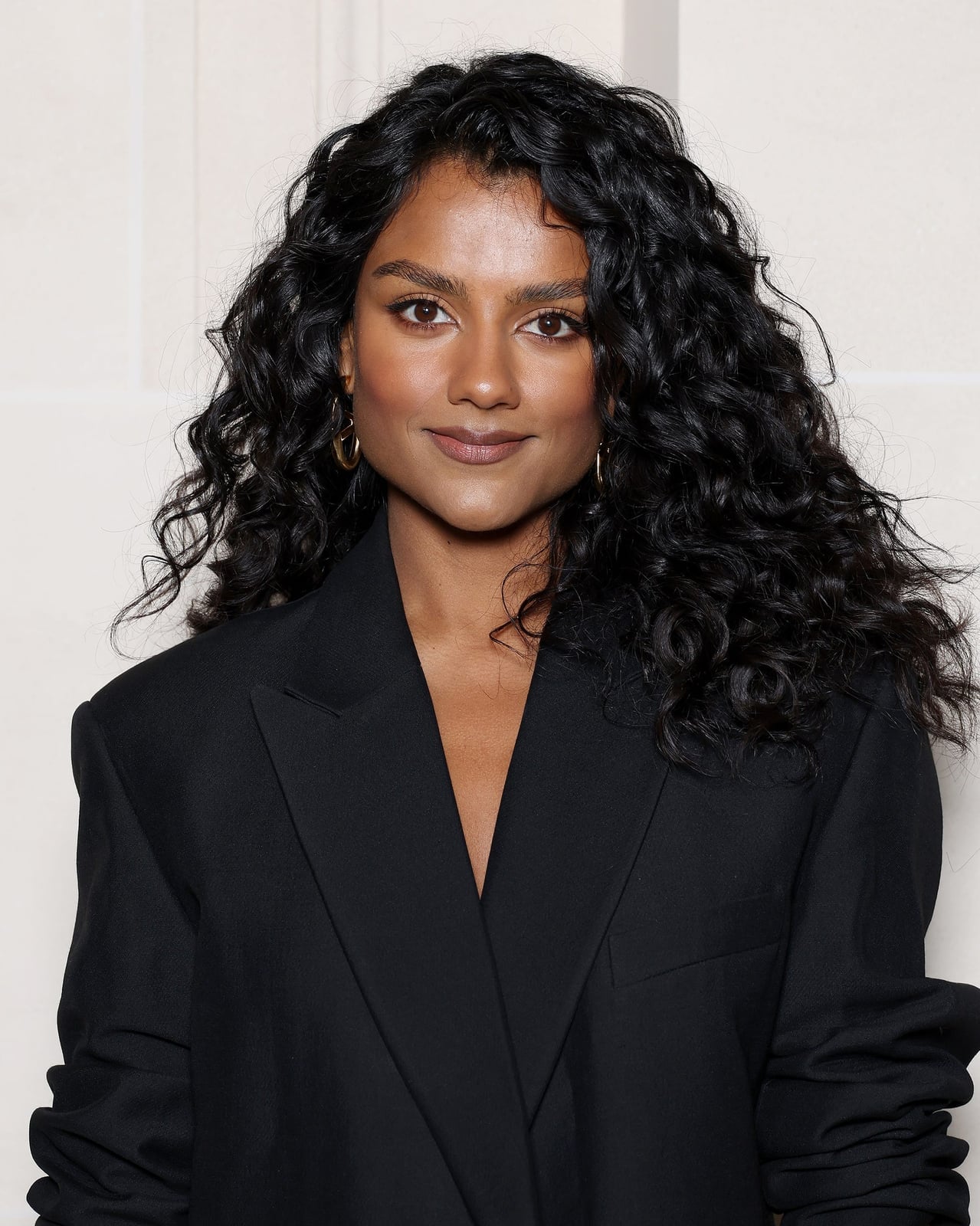
Layers cut into mid-back length do the quiet work of letting thick curls fall in a consistent pattern instead of pooling into one solid mass. A middle part splits that volume evenly on both sides, and with no bangs to interrupt the line, the curl pattern runs unbroken from root to end. Thick, curly hair holds this shape well because the weight of the length pulls the layers down into a natural drape.
Ask your stylist for: mid-back length layers, natural air-dried texture. The cut needs very little styling to look finished: work a curl-enhancing serum through wet hair, scrunch, and let it dry completely without touching it. Layers this long grow out gracefully, so a trim every ten to twelve weeks keeps the shape without constant salon visits. Expect the fullness to read as volume, not frizz, once the right amount of weight comes off.
Mid-Back Length With Long Layers And Side Part
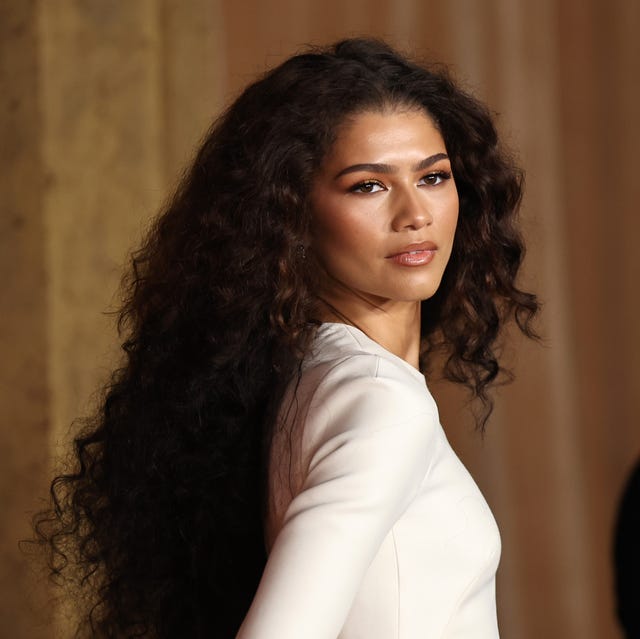
How do you get length without the curls collapsing into a triangle? Long layers are the answer, and the side part does the rest. On mid-back length, layers cut this long remove bulk from the bottom half while leaving the density at the root intact. A side part shifts the weight to one side, which gives thick curls a directional fall and keeps the silhouette from reading as a single wide block.
Ask your stylist for: mid-back length long layers, side part. Be specific about the layer placement: long layers should start below the collarbone so the top of the head keeps its volume. For thick, curly texture, a wide-tooth comb detangles without breaking up the pattern, and a light-hold hairspray at the roots keeps the part clean through the day. A trim every eight to ten weeks holds the shape as the layers grow out.
Mid-Back Ash Blonde Layers With Spiral Curls
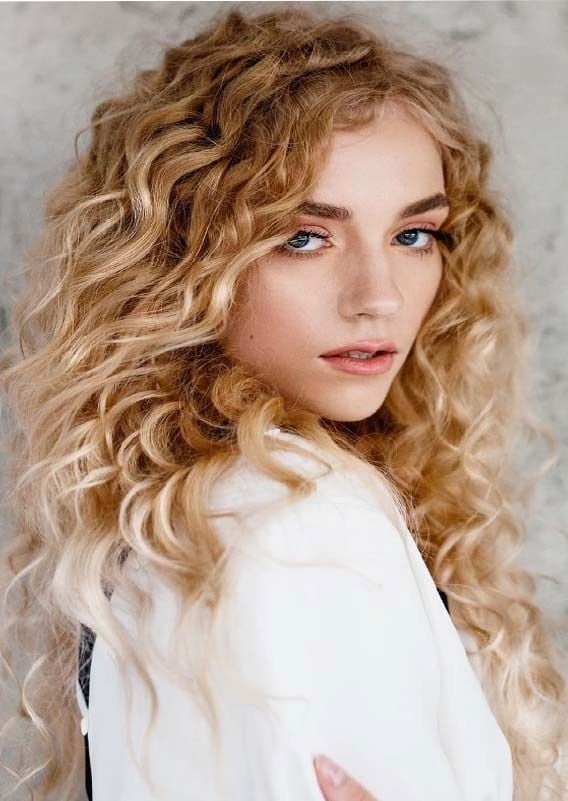
Lifting dark hair to this level usually takes more than one session, and the tone needs a purple toning shampoo once a week to keep the ash from drifting warm. Curl definition comes from styling, not the cut alone: a curl enhancer on wet hair, then air dry. A toner refresh every six to eight weeks keeps the shade on target.
Mid-Back Long Layers With Glossy Curls
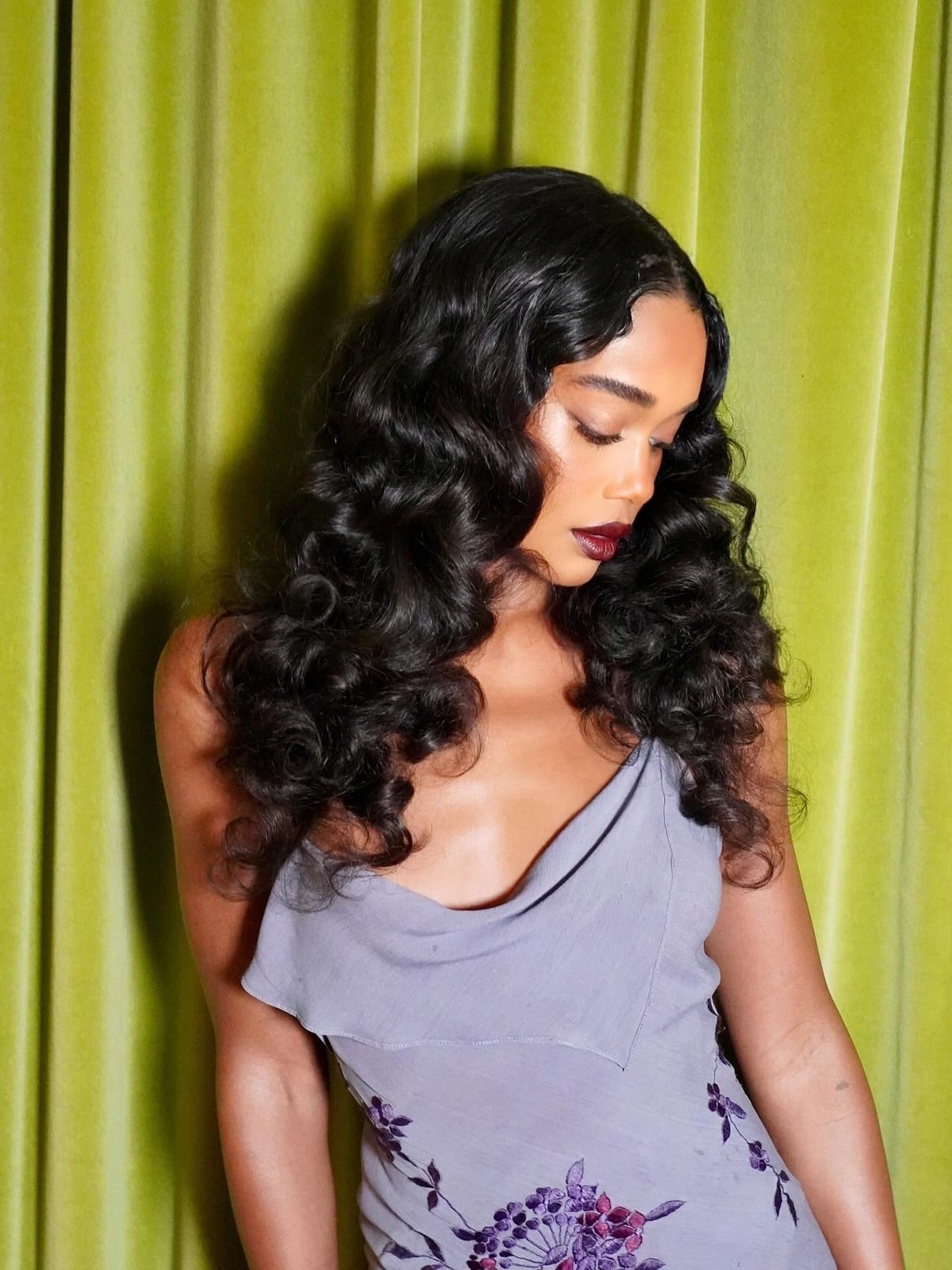
Glossy loose curls come from a blowout, while natural curls dry as they dry. Long layers keep the shape from turning heavy, and a side part gives the volume somewhere to go. Dark brown with subtle lighter brown highlights adds depth without disrupting the curl pattern.
Ask your stylist for: mid-back length long layers, defined glossy curls. The salon blowout is the version that holds a smooth, reflective surface, and it takes a round brush and a steady hand to repeat at home. A shine product on damp hair plus a diffuser on medium heat gets close, though the finish will read softer. Curly texture that wants definition over polish can air dry and skip the round brush entirely. A trim every eight to ten weeks maintains the layers.
Mid-Back Long Layers With Balayage Highlights
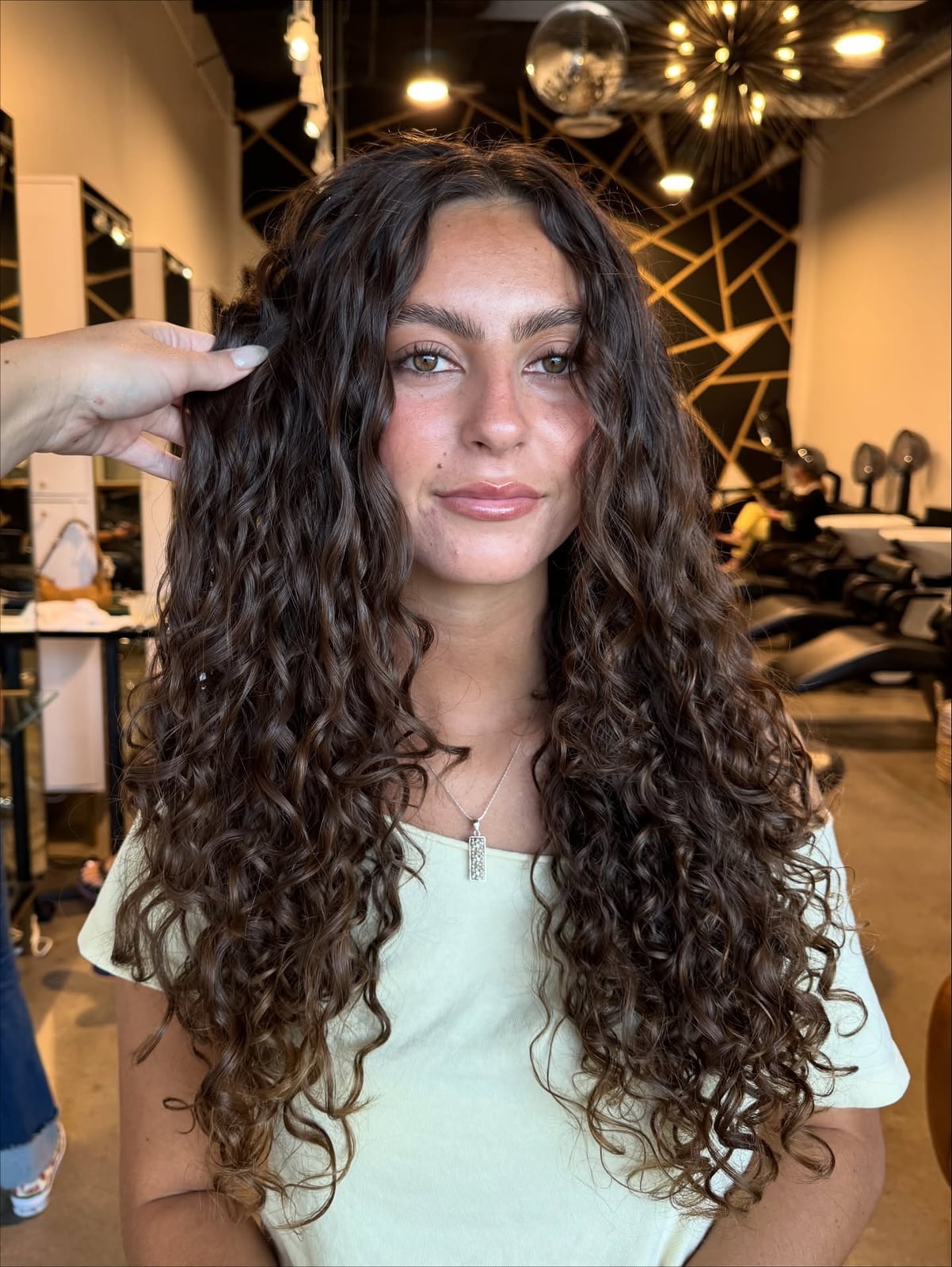
What happens to balayage when the curls are abundant and air-dried? The highlights scatter through the pattern instead of sitting in flat bands, which is why the painted technique suits this texture. Long layers through mid-back length give the dark brown base movement, and a middle part keeps the grow-out line hidden as the color softens.
Ask your colorist for: mid-back length long layers, balayage highlights, natural air-dried curls. The air-dried routine is simple:
- Apply a curl cream to soaking wet hair and scrunch upward.
- Let it dry completely before touching the curls.
- Refresh on day two with water and a curl refresher spray.
Skip the brush once the hair is dry, since brushing breaks the pattern into frizz. The drawback is upkeep: balayage grows out slowly, but the lighter pieces can turn brassy, so a toning appointment every eight to ten weeks keeps the dimension looking deliberate. A trim every ten to twelve weeks holds the layers.
Mid-Back Natural Grey Layers
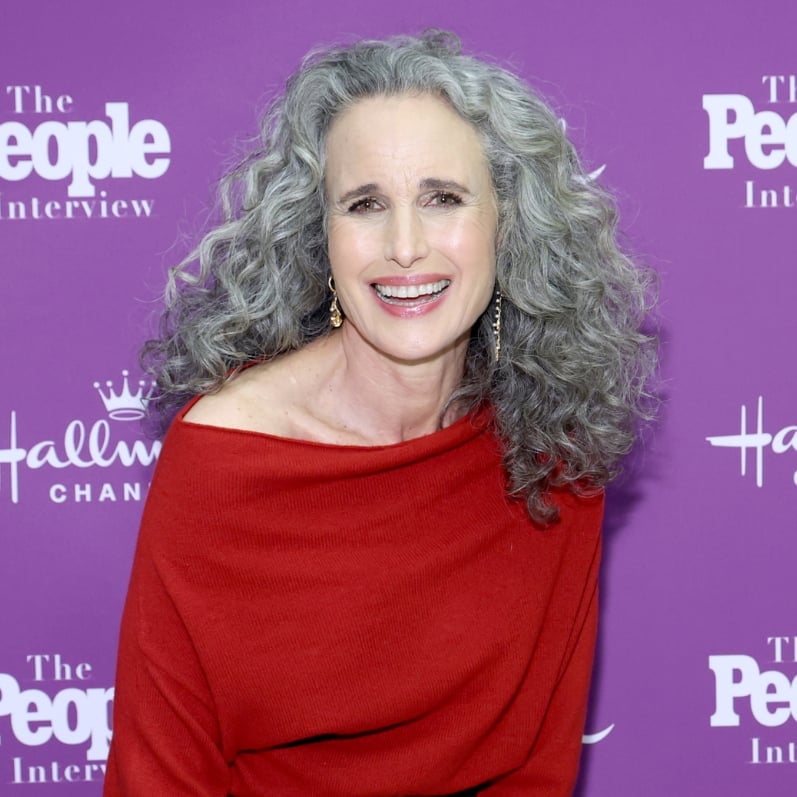
A mid-back length kept in fine, grey curls is actually a clever way to let the natural texture define the shape without the weight of longer hair pulling it straight. This cut works best when the layers are soft and internal, so the curl pattern stays springy and full. Ask your stylist for: mid-back length layers, natural grey color. The side part adds a little lift at the root, which fine curly hair usually needs. A silk pillowcase helps reduce frizz overnight, and a trim every ten to twelve weeks keeps the ends from looking stringy. Just know that at this length, the grey can read as warmer or cooler depending on what you wash with, so a purple shampoo once a week keeps it neutral.
Mid-Back Length With Natural Curl Pattern
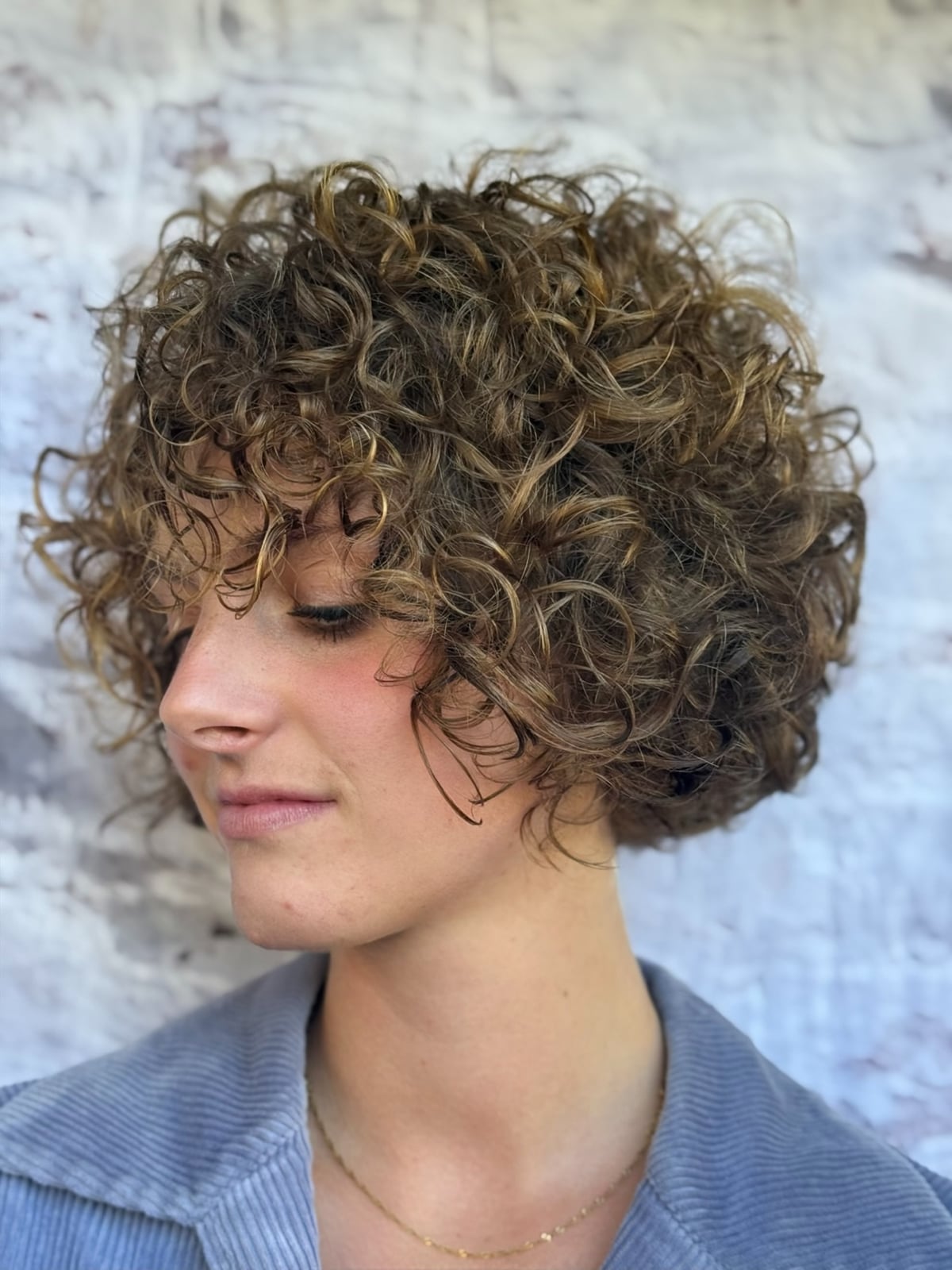
Thick, dark brown curls that reach mid-back have enough heft to hold their shape with little interference. A middle parting keeps the volume distributed evenly. Ask your stylist for: mid-back length, natural air-dried curls. A curl-enhancing cream applied to damp hair and scrunched is all this texture needs. It is a good option if you want to wash and go, because the density does the styling for you. The one caveat: this much hair air-dries slowly, so plan for a few hours of drying time or diffuse on low heat.
Short Bob With Subtle Highlights
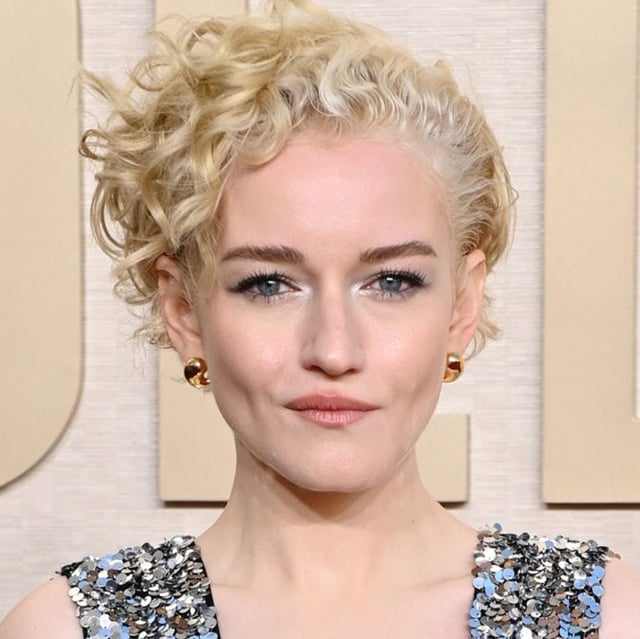
How does a short bob keep fine curly hair from looking flat? The answer is subtle highlights and a side part that break up the solid dark brown base. Ask your stylist for: short curly bob, subtle highlights. The color is applied sparingly, just enough to catch light without a noticeable grow-out line. This is a salon cut, not a DIY situation, because the bob needs precise shaping to work with the curl pattern. A texturizing spray spritzed on dry curls adds definition, and a trim every six to eight weeks keeps the bob from turning into a shapeless blob.
Pixie Bob With Short Curly Bangs
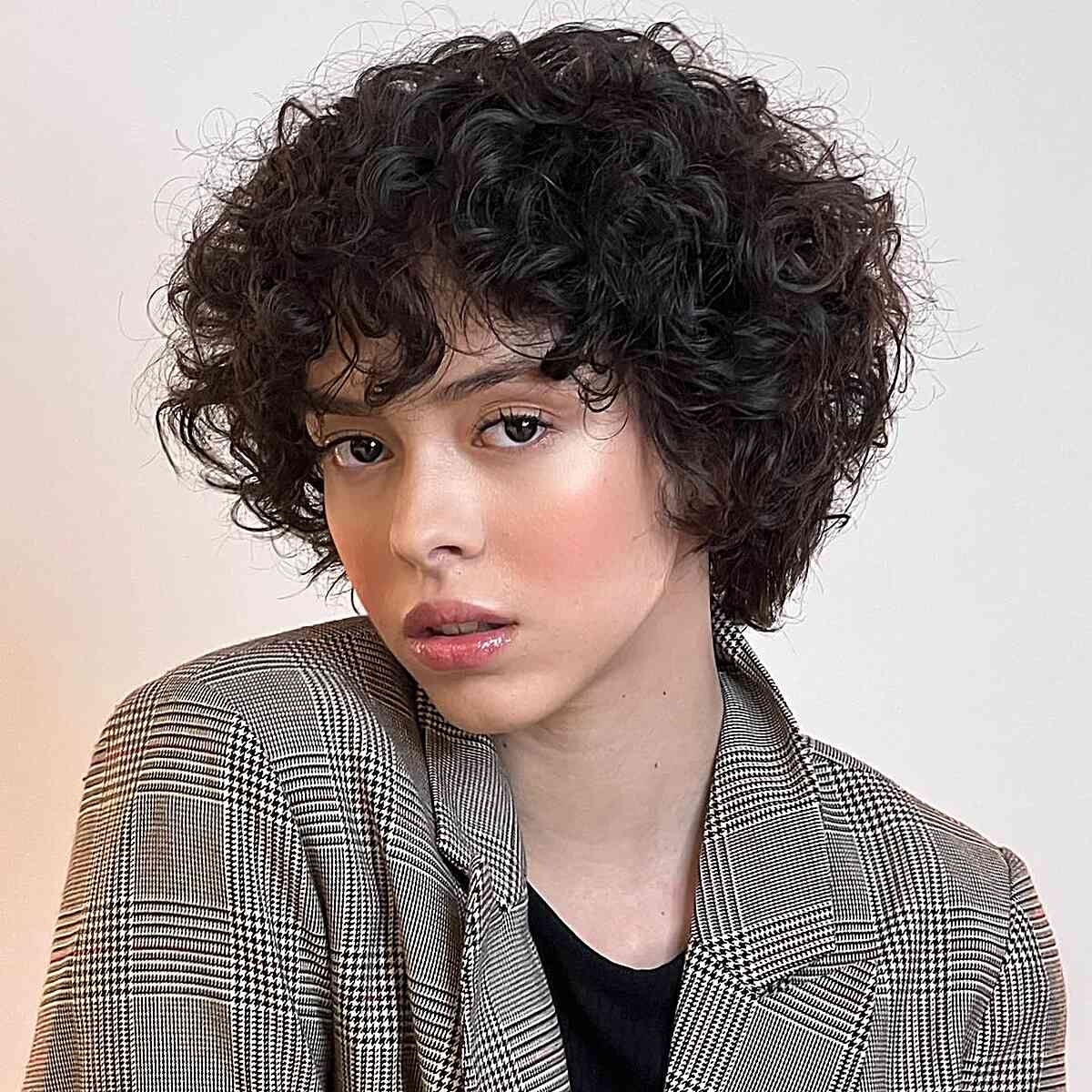
A pixie bob with short curly bangs is a shape that depends entirely on the density of the hair, because the bangs need enough curl to stand away from the forehead without being coaxed. Ask your stylist for: pixie bob, short curly bangs. The middle parting helps the bangs fall forward evenly rather than parting down the middle. The honest drawback is that short curly bangs need a trim every four to six weeks, otherwise they start to curl into your eyes or lie flat across your brow. A curl-defining paste worked through damp hair gives them enough hold to keep their shape without getting stiff.
Textured Pixie Cut In Blonde With Highlights
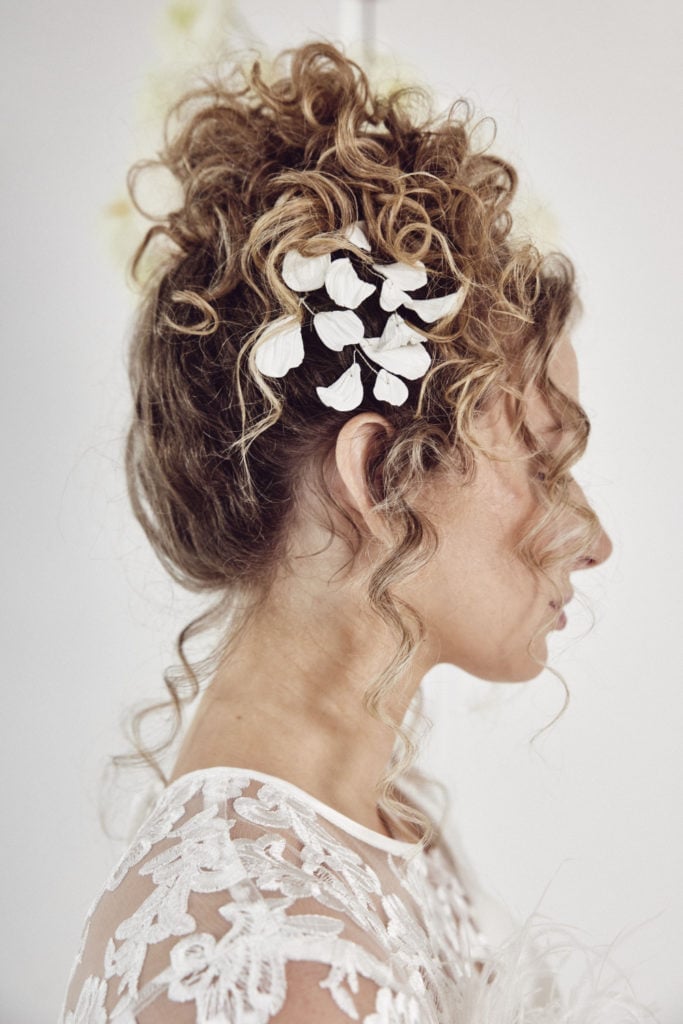
A blonde curly updo is a formal-occasion move that works because the loose tendrils keep it from looking too stiff. Ask your colorist for: textured pixie cut, light blonde with highlights. The decorative accessory is the anchor, so the hair can stay soft and airy. This is a good option for a wedding or a dinner where you want your hair to look polished but not complicated. The fine texture curls nicely around the face without needing much product, just a little texture spray for grip.
Final Thoughts
For fine curls, keep one blunt baseline and skip heavy layers to hold volume. For thick curls, longer layers manage weight and let the shape move. Match the cut to your texture, and the styling time drops.
- Trim layered cuts every 8-12 weeks to maintain shape.
- Air-dry or use a diffuser on low heat to preserve curl pattern.
- Deep condition weekly to keep curls hydrated and defined.
- Refresh styled curls with a light mist of water and curl enhancer.
Embrace your natural texture with confidence and the perfect cut.