
Packing for a trip can feel like a puzzle, but with the right list, it’s a breeze. Whether you’re heading out for a long weekend or a two-week adventure, a smart packing strategy saves time, space, and stress. This article walks you through the essentials, from documents to toiletries, with practical tips to keep your luggage light and organized.
You’ll find category-by-category checklists, space-saving tricks, and reminders about rules like the TSA liquid limit, so you can pack with confidence and focus on the fun ahead.
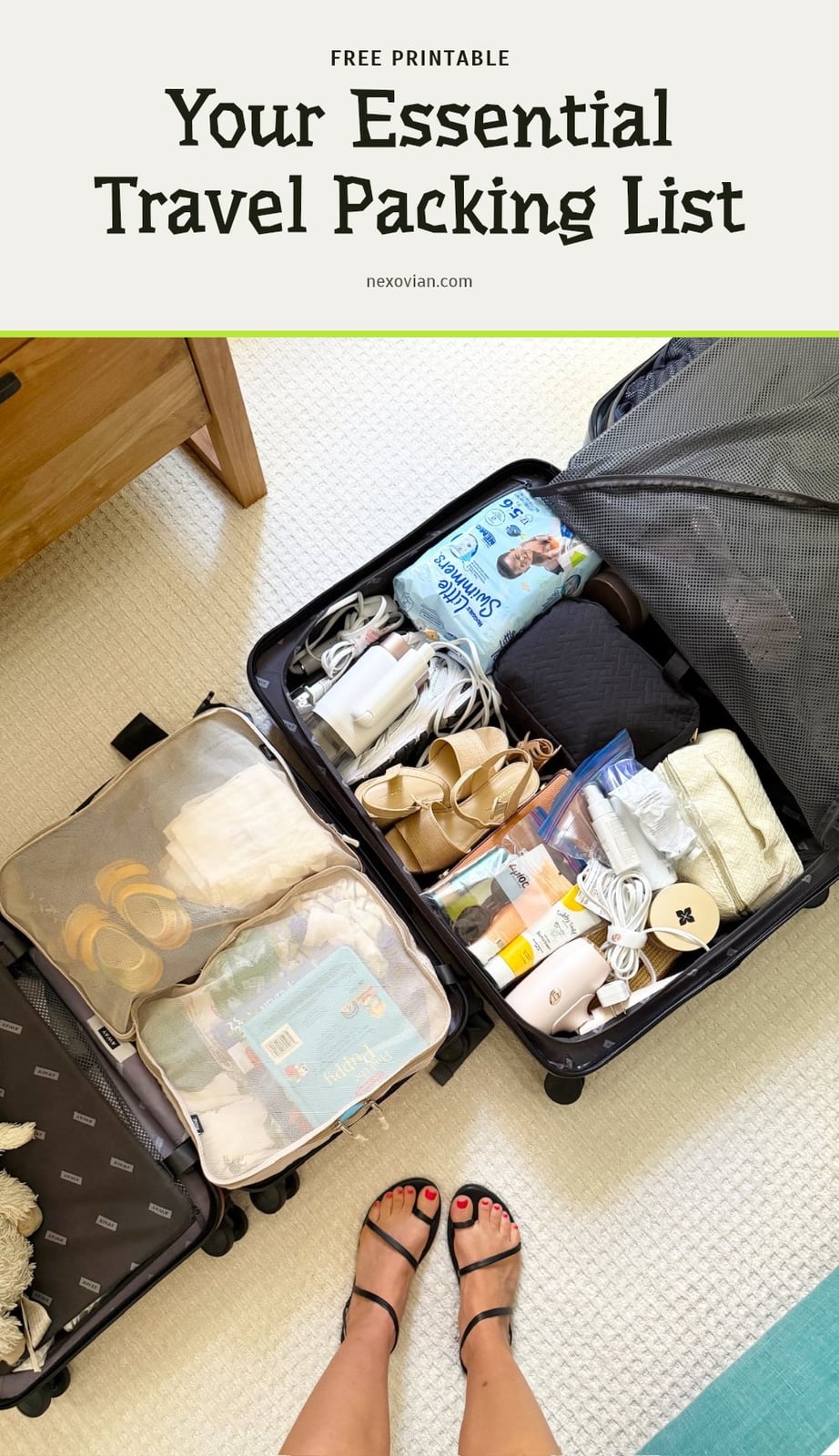
Key Takeaways
- Start your packing list at least a week before departure to allow time for purchases.
- Follow the TSA 3-1-1 rule for carry-on liquids: 3.4 oz or less per container.
- Wear your bulkiest shoes and jacket on travel day to free up suitcase space.
- Keep physical and digital copies of important documents separate from originals.
- Leave room in your luggage for souvenirs and unexpected purchases.
Why a Smart Packing List Makes All the Difference
A well-thought-out packing list is your secret weapon for a stress-free trip. It ensures you have everything you need without overpacking, so you can focus on the experience instead of worrying about what you forgot. Starting a few days or weeks in advance lets you organize thoughtfully, avoid the last-minute scramble, and prepare for any destination or activity with confidence.
Essential Documents and Money
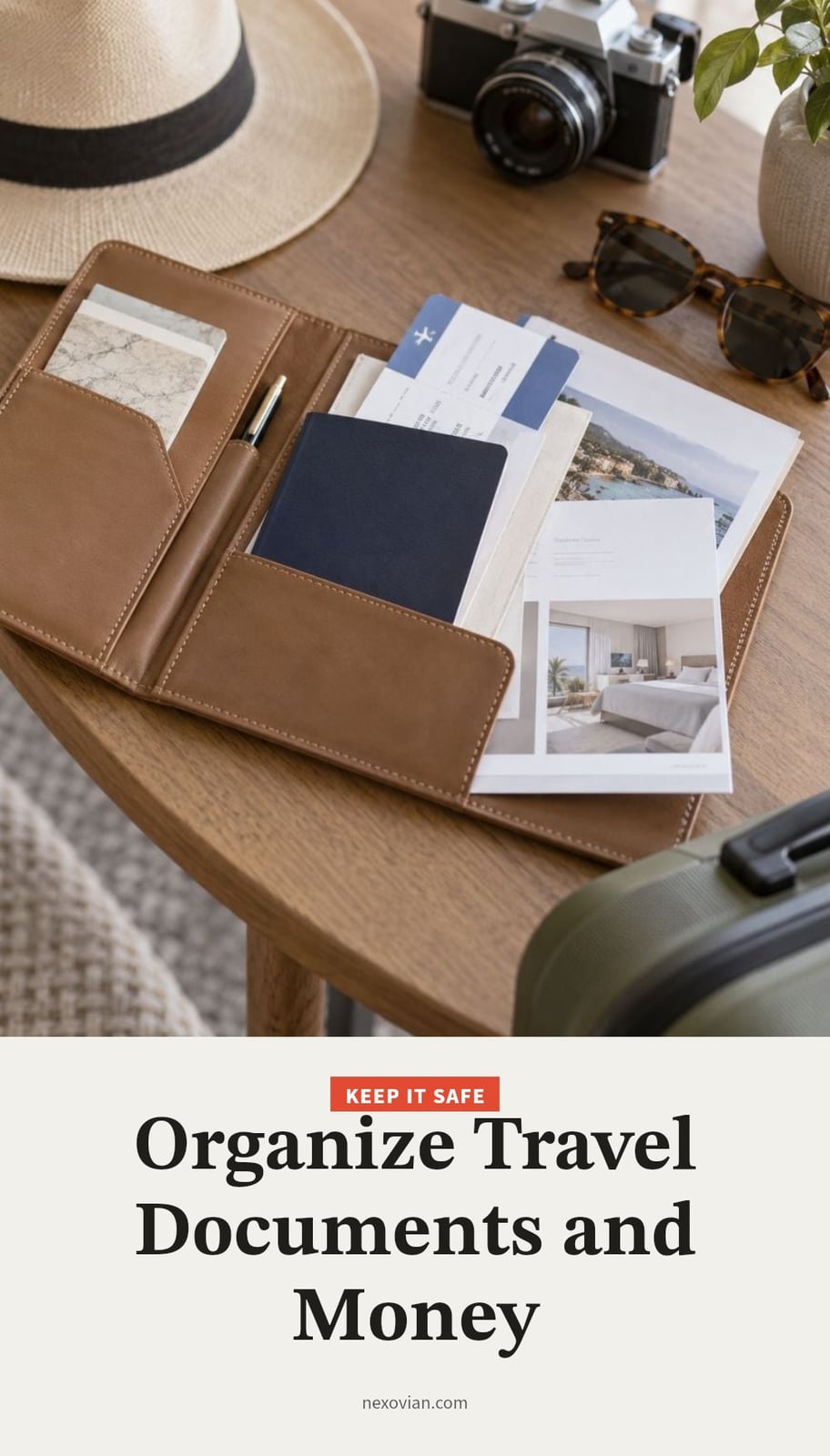
Start with the non-negotiables: identification, travel documents, and money. Make physical and digital copies of everything and store them separately from the originals.
- Passport (check validity for international travel)
- Visa (if required for your destination)
- Driver’s license or ID
- Flight and train tickets
- Hotel and reservation confirmations
- Cash in local currency
- Credit and debit cards
- Health insurance card
- Copies of all documents (physical and digital)
- Emergency contact numbers
Clothing and Accessories for Any Adventure
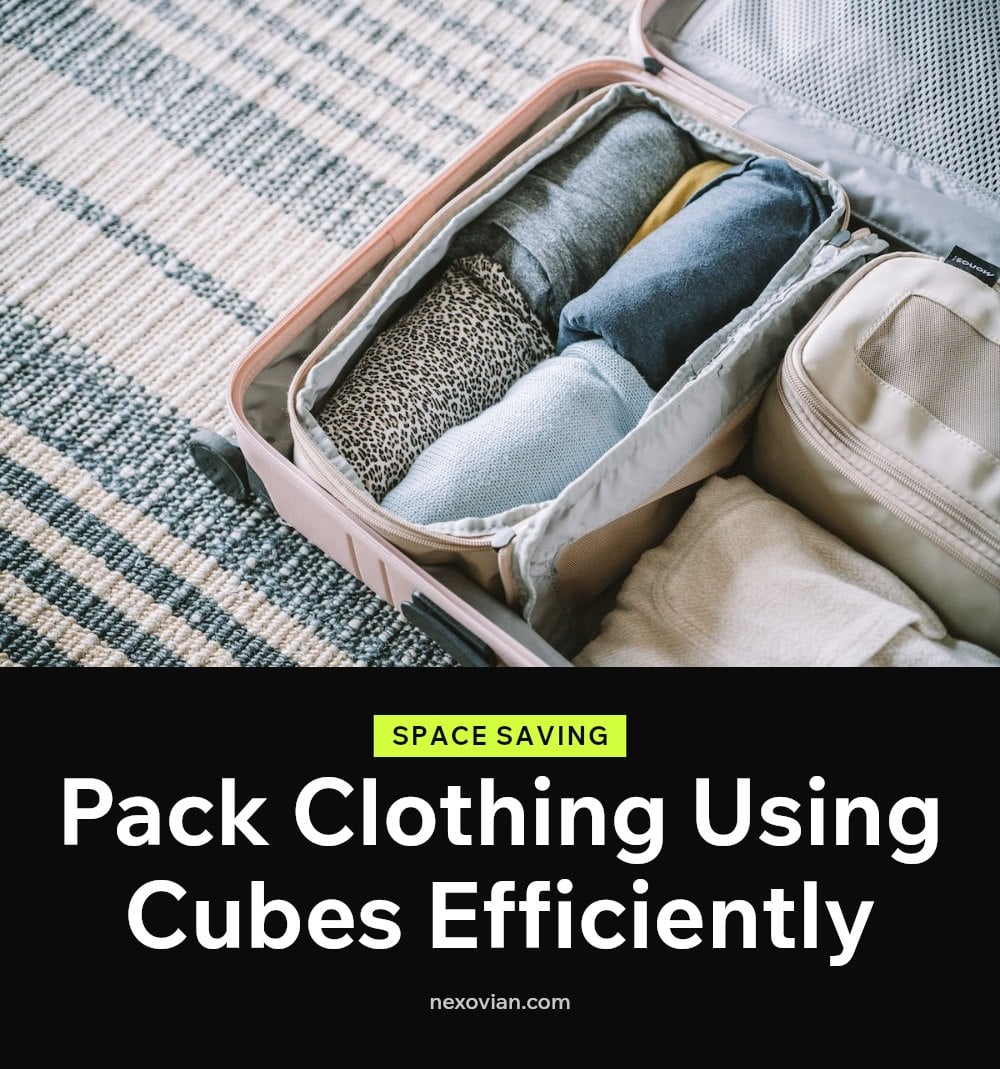
Choose versatile pieces that mix and match, and always check the weather forecast before you pack. Wear your bulkiest shoes and jacket on the plane to save luggage space.
- 5-7 tops (mix of short and long sleeves)
- 2-3 bottoms (pants, shorts, or skirts)
- 1-2 outer layers (jacket, cardigan, or hoodie)
- Underwear and socks (one per day plus extra)
- Sleepwear (comfortable and season-appropriate)
- Swimwear (if any water activities planned)
- Comfortable walking shoes
- Dressier shoes (for evenings or special occasions)
- Hat and scarf (for sun or cold)
- Packing cubes (to compress and organize)
Toiletries and Personal Care
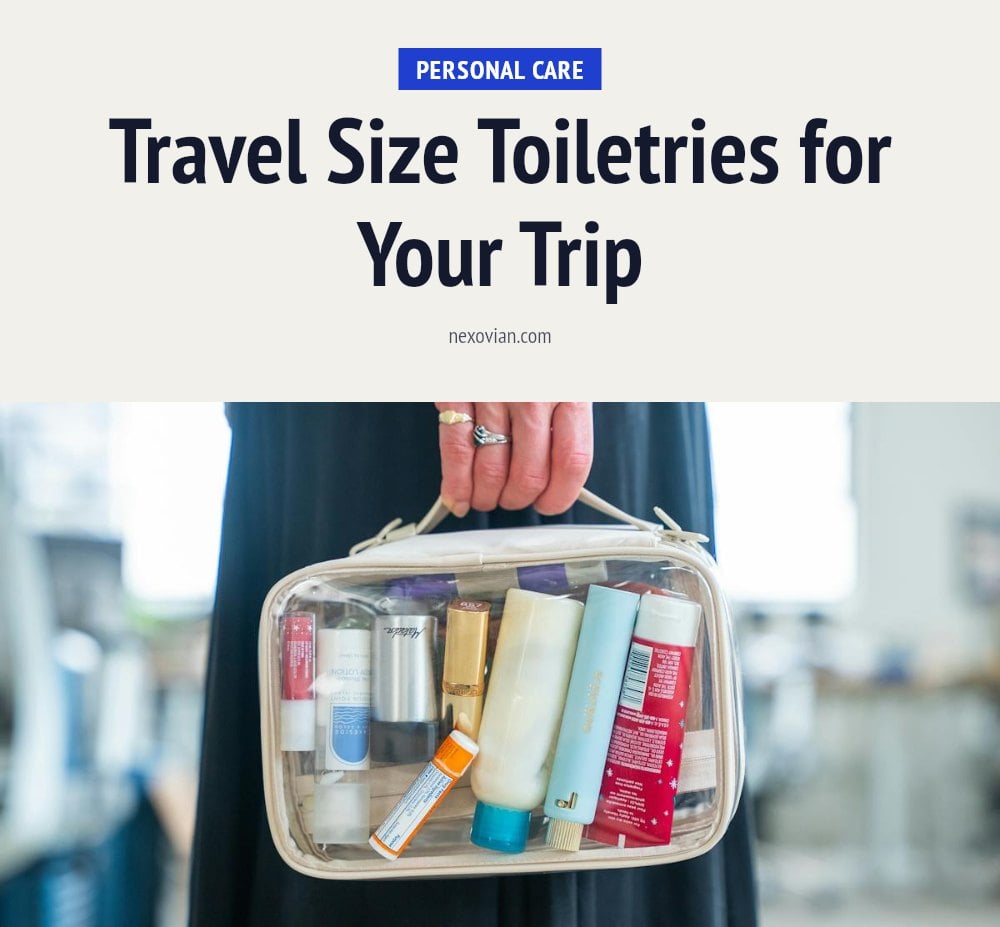
Stick to travel-sized toiletries and remember the TSA 3-1-1 rule: liquids, aerosols, gels, creams, and pastes must be in containers of 3.4 ounces (100 milliliters) or less, all fitting in one quart-sized bag.
- Shampoo and conditioner (travel-sized or refillable)
- Soap or body wash
- Toothbrush and toothpaste
- Deodorant
- Moisturizer
- Sunscreen (SPF 30 or higher)
- Basic makeup (minimal, multipurpose)
- Contact lens solution (if you wear contacts)
- Small first-aid kit (bandages, antiseptic wipes)
- Quart-sized bag for all liquids
Electronics and Entertainment
Keep every gadget charged and ready with this electronics lineup. Double-check that you have every charger and a universal adapter if you are traveling abroad.
- Phone: Your navigation, camera, and boarding pass in one device.
- Charger: The one item people forget most often, so pack it first.
- Power bank: A lifesaver for long flights, layovers, and day trips.
- Headphones: Noise-canceling ones make flights and waits much quieter.
- Camera: Capture better shots than your phone if photography matters to you.
- E-reader: Carry dozens of books without adding weight to your bag.
- Travel adapter: Essential for international trips with different plug types.
- Tablet: Great for movies, games, or light work during downtime.
- Portable speaker: Small enough to pack, perfect for hotel rooms or picnics.
- Extra charging cable: A backup in case one breaks or gets lost.
Health and Wellness Essentials
Keep your health in check on the road with these wellness essentials. Always keep prescription medications in their original bottles with labels, especially for international travel.
- Prescription medications: Enough for the whole trip plus a few extra days.
- Pain reliever: Ibuprofen or acetaminophen for headaches and aches.
- Allergy medicine: Antihistamines for unexpected reactions or seasonal pollen.
- Motion sickness remedy: Tablets or wristbands for cars, planes, or boats.
- Hand sanitizer: At least 60% alcohol, in a travel-sized container.
- Insect repellent: DEET or picaridin for outdoor destinations.
- Antacids: For rich meals or unfamiliar cuisine.
- Oral rehydration salts: Packets for dehydration or stomach upsets.
- Thermometer: A compact digital one to check for fever.
- First-aid basics: Bandages, antiseptic wipes, and blister pads.
Miscellaneous Must-Haves
These extras make travel smoother and more comfortable, and many are eco-friendly swaps that cut down on single-use plastics.
- Reusable water bottle: Fill it after security to stay hydrated anywhere.
- Small umbrella: Compact enough for a purse or daypack.
- Reusable shopping bag: Folds flat for markets, groceries, or dirty laundry.
- Eye mask: Blocks light on planes, trains, and bright hotel rooms.
- Earplugs: Drown out snorers, traffic, and noisy neighbors.
- Travel pillow: Supports your neck on long flights or road trips.
- Journal and pen: Capture memories or jot down plans and directions.
- Sunglasses: Protect your eyes from glare and UV rays.
- Packing cubes: Compress clothing and keep your suitcase tidy.
- Empty tote: Handy for souvenirs or beach gear without bulking up.
Frequently Asked Questions
How far in advance should I start packing?
Begin your packing list at least a week before your trip. This gives you time to shop for any missing items and to lay everything out without rushing. Start physically packing a few days ahead, so you can adjust for weather changes or last-minute additions without stress.
What are the TSA rules for liquids in carry-on?
The TSA 3-1-1 rule applies: all liquids, aerosols, gels, creams, and pastes must be in containers of 3.4 ounces (100 milliliters) or less. All containers must fit into one quart-sized (liter-sized) clear bag per passenger. Full-sized bottles will be confiscated at security, so stick to travel sizes or refillables.
How can I save space in my suitcase?
Roll your clothes instead of folding them to reduce wrinkles and save space. Use packing cubes to compress items and keep them organized. Wear your heaviest shoes and bulkiest jacket on travel day, and consider leaving some room for souvenirs by packing only versatile pieces you’ll actually wear.
Should I pack a first-aid kit?
Yes, a small first-aid kit is a smart addition, especially for longer trips or outdoor activities. Include basics like adhesive bandages, antiseptic wipes, pain reliever, and any personal medications. Keep prescription meds in their original labeled bottles, and adjust the kit based on your destination and planned activities.
What documents do I need for international travel?
For international trips, you’ll need a valid passport, and check if a visa is required for your destination. Many countries require your passport to be valid for at least six months beyond your return date. Carry your flight and hotel reservations, and keep physical and digital copies of everything stored separately from the originals.
Final Thoughts
My tip: build your packing list around your planned activities and the weather forecast, and stick to versatile pieces that mix and match. Start a week ahead, lay everything out, and edit ruthlessly. You’ll likely find you need less than you think, and you’ll thank yourself for leaving space for souvenirs.
Expect the packing process to take about 30 to 60 minutes once you have your list ready. With this approach, you’ll walk out the door knowing you’ve got what matters, and you can relax into the journey.

