Almost everyone knows the moment when nothing goes your way and frustration starts to bubble up. Your shoulders tense, your jaw tightens, and a voice in your head keeps asking why this has to be so hard. Here’s the reassuring part: frustration doesn’t mean you’re failing. It’s a signal that something needs to change. In this 2027 guide, I’m sharing practical, healthy ways to work through it so it doesn’t take over your whole day.
Key Takeaways
- Acknowledge and name your frustration to create distance from the emotion.
- Take a few slow, deep breaths to calm your body’s immediate stress response.
- Identify the specific trigger and ask if it’s something you can control.
- Step away from the situation for 10 to 15 minutes to let your brain reset.
- If frustration regularly leads to aggression or distress, seek professional support.
The 4 looksOpen list +
Frequently Asked Questions
Can frustration ever be a positive emotion?
In a way, yes. Frustration works like a warning light that something in your life isn’t working or a goal is stuck. When you listen to that message, it can push you to change course, solve a problem, or draw a new boundary. The point is to channel that energy productively instead of letting it harden into anger or giving up.
How can I stop frustration from escalating into anger?
The best way to keep frustration from escalating is to catch it early. The moment you notice it, take a few slow breaths to calm your body’s fight-or-flight reaction. Then name it out loud: “I’m frustrated right now.” That brief pause stops the feeling from building momentum. If anger still rises, step away from the situation for 10 to 15 minutes.
Is it normal to feel frustrated often?
Yes, feeling frustrated now and then is completely normal, especially when life brings unexpected delays, unfair moments, or tough tasks. Still, if it shows up most days or across many areas of your life, your expectations may need adjusting, or there could be a deeper issue worth talking through with a therapist.
What’s the difference between frustration and anger?
Frustration is usually the milder feeling that comes from being blocked. Anger tends to be stronger and can follow if frustration goes unaddressed. Picture frustration as the warning light on your dashboard and anger as the alarm that sounds when you ignore it. Catching frustration early gives you a chance to deal with it before it becomes anger.
What are common triggers for frustration?
Common triggers include unexpected delays, a lack of control, a sense of unfairness, and a challenging task. Repeated interruptions, unclear instructions, or expectations that go unmet can also set it off, particularly after you’ve poured a lot of effort into something. Once you know your personal triggers, you can prepare for them and respond more calmly.
2. Reframe Negative Thoughts
Frustration often feeds a stream of harsh self-talk. Test those thoughts by asking whether they’re actually true. “This always happens to me” can become “This is a challenge I can learn from.” And “This is impossible” can turn into “This is hard, but I can try another route.”
Good to know: Think of the problem as a puzzle you don’t have to finish in one sitting. Look at the pieces from a different angle and ask which small change in perspective might shift the whole picture.
3. Take a Short Break or Step Away
When frustration keeps building, the best option is often to step away for 10 to 15 minutes. Physical distance breaks the emotional loop and gives your brain room to reset. Stand up, stretch, get a glass of water, or simply move to another room.
Tip: Even a few minutes of looking out the window can shift your focus and calm you down. Taking a break isn’t giving up. It’s making room to think clearly.
4. Engage in Physical Activity

Movement is one of the quickest ways to burn off the restless energy frustration creates. A brisk walk around the block, a quick dance in your living room, or a few minutes of stretching can boost endorphins and loosen tight muscles.
When I feel stuck, a quick run clears my head better than anything else. You don’t need a full workout. Even five minutes of movement can lift your mood and help you come back to the problem with a fresher outlook.
5. Practice Self-Compassion
When frustration hits, it’s easy to blame yourself or pile on harsh criticism. Self-compassion means speaking to yourself with the same warmth you’d give a close friend. Remind yourself that feeling frustrated is normal and says nothing about your strength.
Quick tip: A simple line like ‘I am doing my best, and this feeling will pass’ can reset your mindset. Skip the excessive self-blame and focus on your next small step.
What is Frustration and Why Does it Happen?
Frustration is a familiar emotion that shows up when something stands between you and a goal or a want. It might look like irritation, anger, or plain disappointment, and it usually means something isn’t going the way you expected. Typical triggers are unexpected delays, a sense that things are unfair, or feeling like you have no control. The trick is to notice the feeling, figure out where it’s coming from, and then use problem-solving or emotional regulation to get moving again.
When to Seek Professional Help
Sometimes frustration keeps erupting into angry outbursts, brings up thoughts of hurting yourself, or starts damaging your work, relationships, or everyday life. In those cases, reaching out to a professional is worth it. A therapist or counselor can offer tailored strategies for managing frustration and whatever sits beneath it.
If ongoing frustration starts to show up in your body, such as trouble sleeping or digestive problems, it’s wise to check in with a healthcare provider. Those are signs the stress has moved past what ordinary coping can handle.
8. Acknowledge and Name Your Feelings
Handling frustration starts with simply naming it. Quietly telling yourself “I feel frustrated right now,” or saying it out loud, can take the edge off. That small act of labeling creates a bit of space between you and the emotion, so it doesn’t swallow you whole. You aren’t judging the feeling here, just noticing it.
My tip: Grab a notebook and write for a few minutes about what’s bugging you. Putting the messy thoughts on paper often feels like a release, even if you never look at them again.
9. Take a Mindful Breath Break

Frustration tends to show up in the body first, with a faster heartbeat and tight shoulders or jaw. Slow, deep breathing helps bring those signals back down. Breathe in through your nose, hold briefly, then let the air out slowly through your mouth. Your nervous system picks up on that rhythm and starts to settle the surge of emotion.
Pro move: Try a 4-7-8 pattern: inhale for 4 counts, hold for 7, exhale for 8. My tip is to do just a few rounds and notice how much the tension eases.
10. Identify the Root Cause
Frustration is usually a sign of something deeper. Find the exact trigger, whether that’s a delay, a sense of unfairness, or a hard task, and you’re halfway to fixing it. Ask yourself, “What exactly is making me feel this way?” or “Which goal is blocked right now?” Knowing the source lets you deal with the problem itself, not only the feeling.
My tip: Often the real “cause” is a pile of small annoyances rather than one big thing. Splitting it into pieces makes it much easier to handle.
11. Brainstorm Solutions
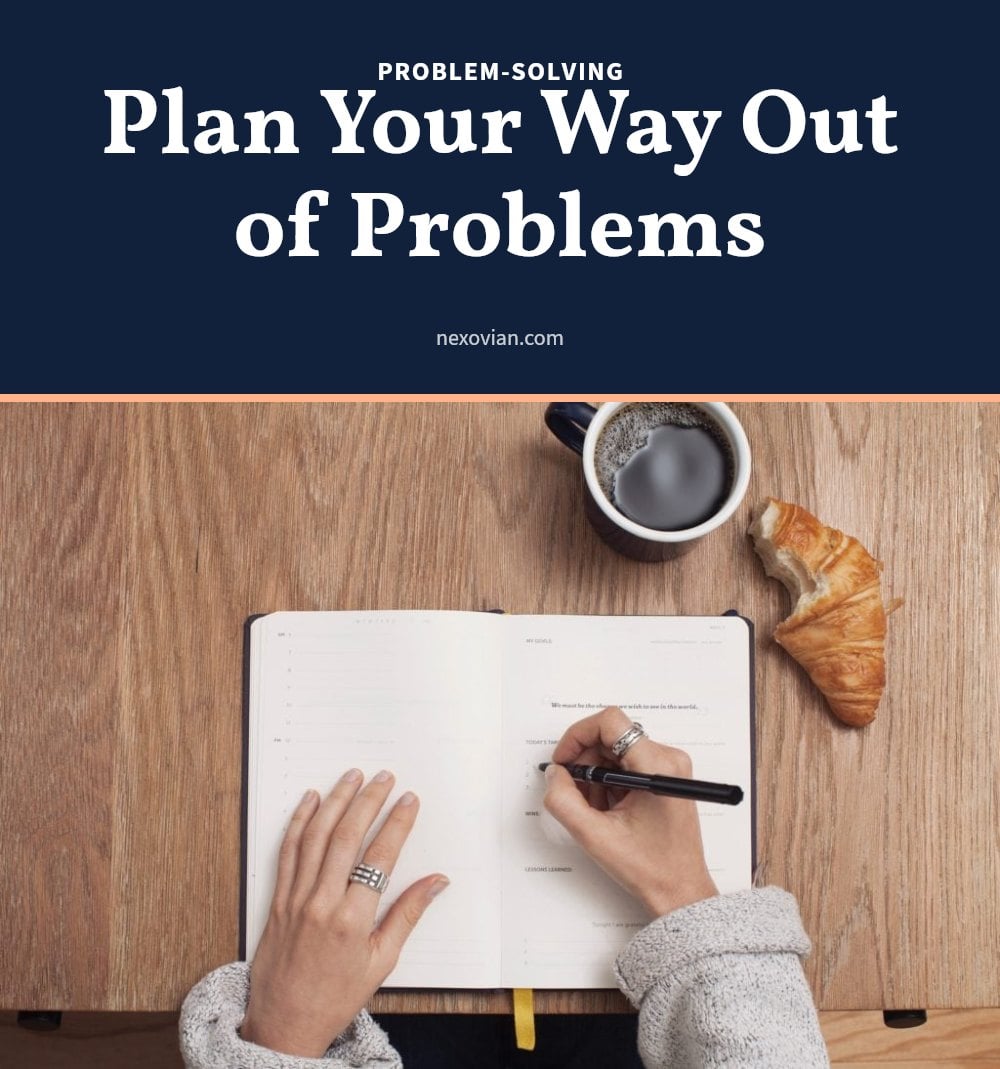
Once you know the cause, ask whether you can actually control it. If you can, set a five-minute timer and jot down every possible fix, even the small or silly ones. A tiny step, like sending one email or moving a meeting, can cut down that helpless feeling and get you back in charge.
Tip: If the problem is beyond your control, turn your attention to what you can change. Could you adjust your approach, lower your expectations, or ask someone for a hand? Asking for help is a smart move, not a failure.
12. Seek Social Support

A trusted friend, relative, or mentor can offer a view you can’t reach on your own. Saying your frustration out loud often makes it feel lighter right away. They might share a fresh perspective, practical advice, or just listen, which reminds you that other people deal with struggles too.
Pro move: Pick someone who listens well and gives constructive support, not someone who will stoke the fire. You’re looking for relief, not more reasons to be upset.
Final Thoughts
Handling frustration well comes down to one habit: pause before you react. Whether that pause is a deep breath, a short walk, or a quick journal entry, it gives you room to choose your response. Over time these small moments add up, and frustration loses its hold a little faster each time. You won’t stop feeling frustrated altogether. What you gain is the confidence that you have the tools to get through it.
This article is for informational purposes only and is not a substitute for professional medical or mental health advice. If frustration is causing significant distress, aggressive behavior, or thoughts of self-harm, please reach out to a licensed therapist or counselor for personalized support.