
Meditation isn’t about emptying your head. It’s about training your attention and awareness so you can reach a clear, calm, stable state, even when life feels loud. You don’t need a special room or fancy gear, just a few minutes and a willingness to show up. This article walks you through ten simple tips, from finding a quiet spot to handling a wandering mind without judgment.
My tip: start where you are. A short daily session beats a long one you dread.
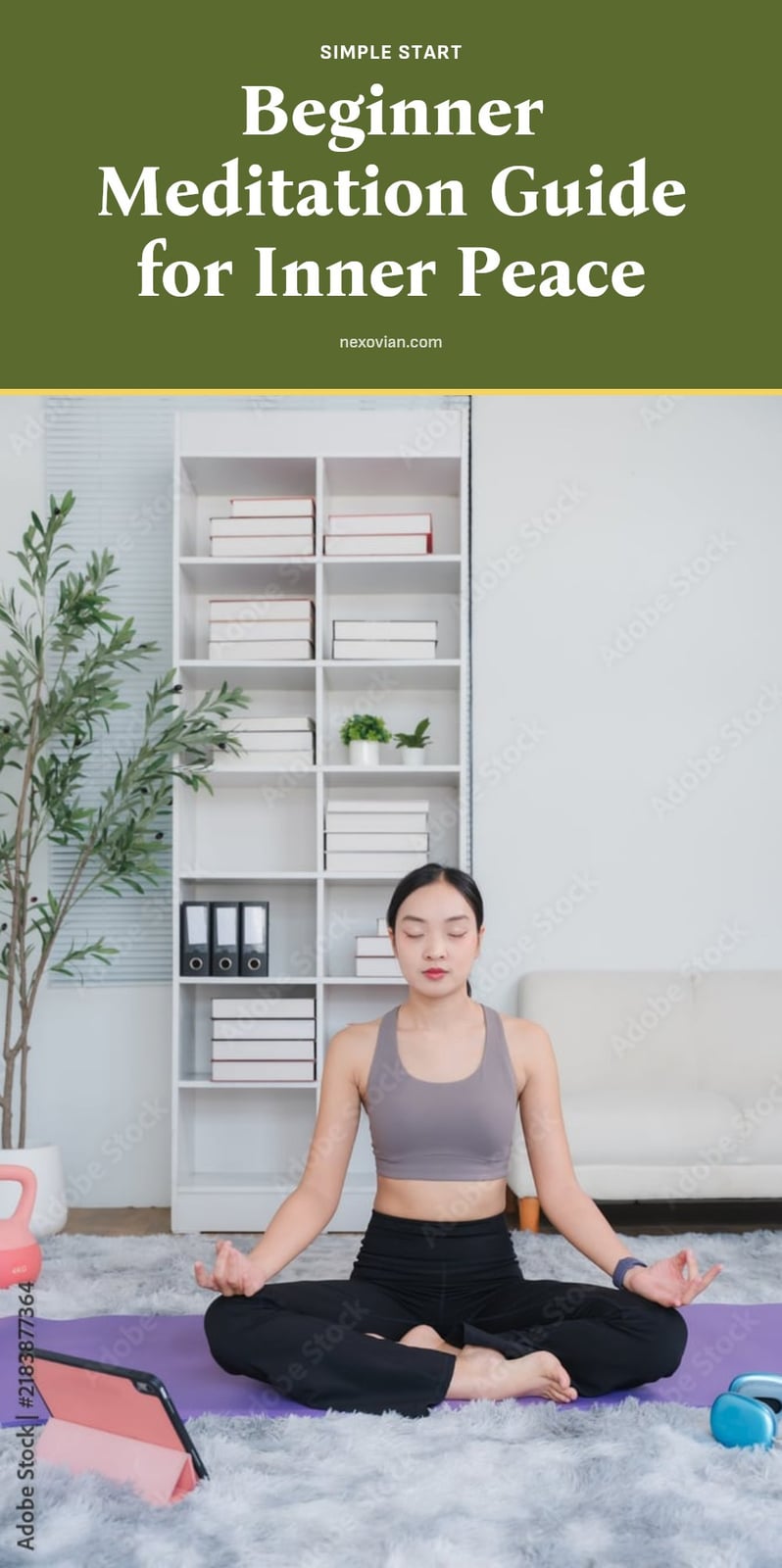
Key Takeaways
- Start with 5 to 10 minutes daily; consistency matters more than session length.
- Use your breath as an anchor and gently return when your mind wanders.
- Thoughts are natural; the practice is noticing them without judgment, not forcing a blank mind.
- Try guided meditations if silence feels overwhelming; free resources range from two minutes to an hour.
- Carry awareness into daily activities like eating or walking, no cushion required.
What is Meditation and Why Should You Try It?
Meditation is simply training your attention and awareness to reach a clear, calm, and stable mental state. It’s a common misconception that you need to stop all thoughts. The real practice is about changing your relationship with them, noticing them without getting swept away. With regular practice, many people find it reduces stress, improves concentration, and boosts emotional well-being. It’s a skill you build over time, not a switch you flip.
1. Find Your Quiet Space
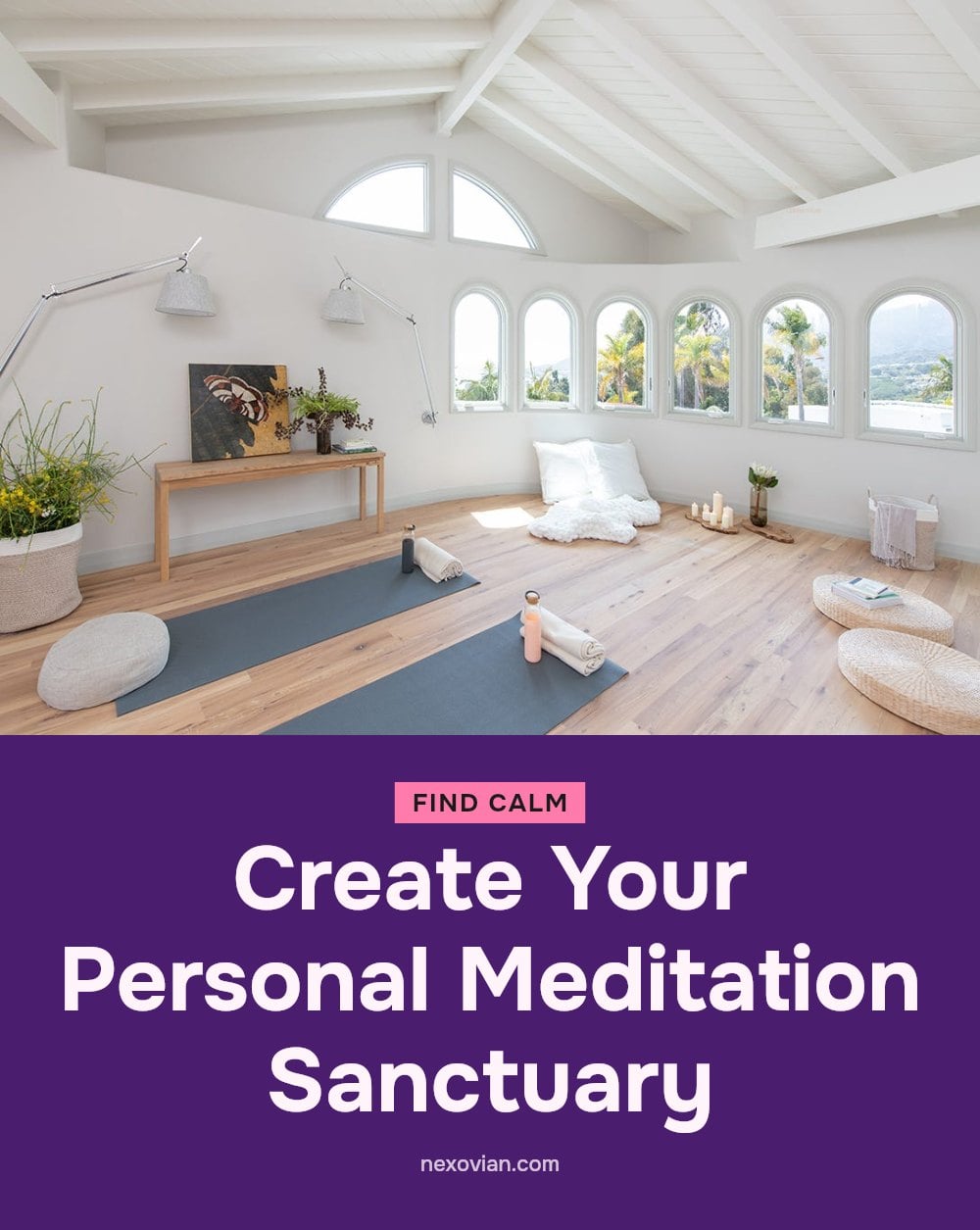
Pick a spot where you’re unlikely to be interrupted. A quiet environment helps minimize distractions, which is especially helpful when you’re new to meditation. You don’t need a special room or fancy setup. A corner of your bedroom, a spot on the living room floor, or even a quiet park bench can work perfectly.
- Turn off notifications on your phone or put it in another room.
- Let others in your home know you need a few minutes of quiet.
- Keep a cushion or folded blanket nearby if you want extra comfort.
2. Choose a Comfortable Posture
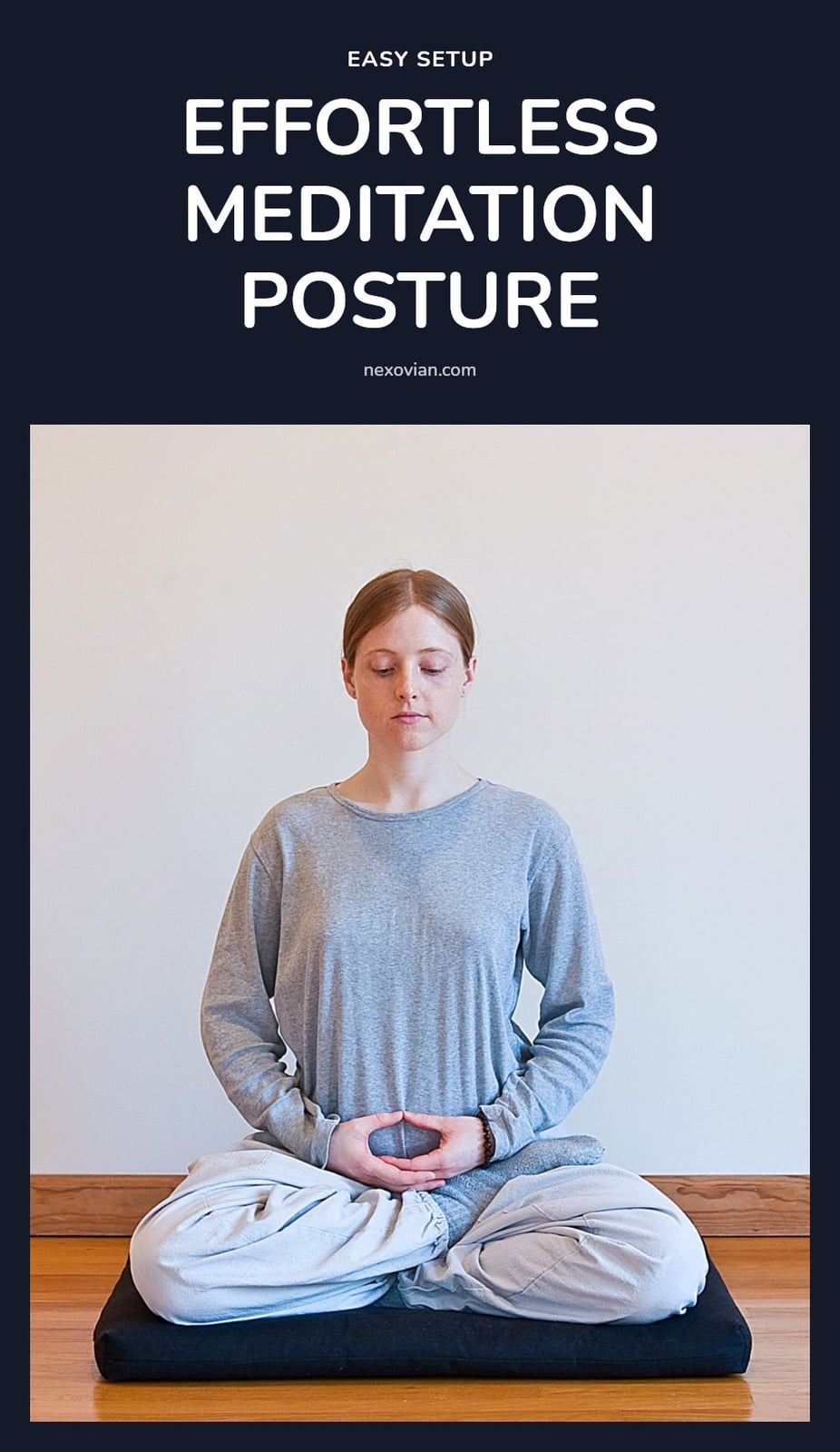
Sit in a way that feels sustainable for the length of your session. You can sit on a cushion on the floor, on a chair with your feet flat, or even lie down if that’s more comfortable. The goal is to be alert but relaxed, so you can stay with the practice without fidgeting or falling asleep. Keep your spine relatively straight but not rigid. A slight natural curve is fine.
- A chair with good back support works well if sitting on the floor is uncomfortable.
- Lying down is okay, but you may be more likely to doze off.
- Place your hands on your thighs or in your lap, whichever feels natural.
3. Start Small, Be Consistent
Start with short sessions of 5 to 10 minutes. You can gradually increase the time as you feel comfortable. Consistency matters far more than duration. A daily 5-minute practice is more effective than an hour-long session once a month. My tip: Set a gentle timer with a soft alarm so you don’t have to keep checking the clock. This lets you fully relax into the practice without wondering when it will end.
4. Anchor Your Attention on Your Breath
Your breath is the most portable anchor you will ever find. It is always with you, and it naturally reflects your mental state. To use it, simply notice the physical sensation of air moving in and out. Focus on where you feel it most clearly: the cool air entering your nostrils, the rise and fall of your chest, or the expansion of your abdomen.
This is not a breathing exercise. You are not trying to slow it down, deepen it, or change it in any way. You are just observing what is already happening. When you notice your attention has drifted, the breath is the place you return to, again and again.
5. Acknowledge Wandering Thoughts

Your mind will wander. It is designed to do that. Expect it, and do not treat it as a failure. The moment you realize you have been thinking about your to-do list, a conversation, or what to have for dinner, that moment of awareness is your win.
Simply label the thought as “thinking” in your mind, or just note it without any judgment. Then, without scolding yourself, gently guide your attention back to your breath. Each time you do this, you are strengthening your mental muscle of focus. It is not about never wandering; it is about how kindly you return.
6. Be Patient and Kind to Yourself
If you were learning to play the piano, you would not expect to play a sonata on day one. Meditation is no different. It is a skill that builds with repetition, not perfection. There is no single “correct” experience to have. Your session today will be different from yesterday, and that is exactly how it should be.
My tip: On days when your mind feels especially busy or you feel restless, lower your expectations. Aim for just two minutes of sitting quietly. Showing up on a hard day is more valuable than a perfect session on an easy one. Be as kind to yourself during meditation as you would be to a friend learning something new.
7. Try Guided Meditations
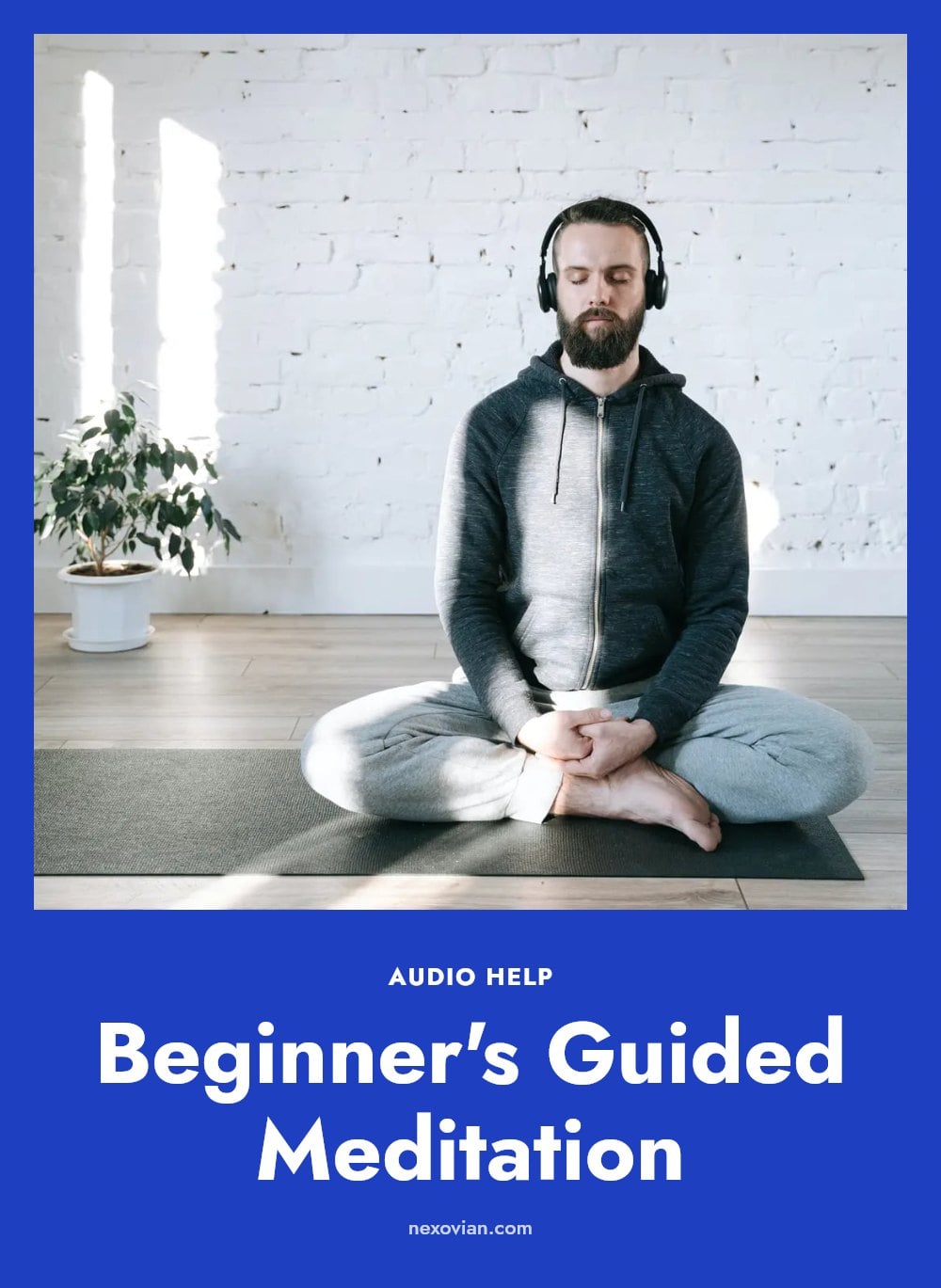
If sitting in silence feels overwhelming, let someone guide you. Guided meditations provide a voice to follow, which gives your brain a clear task and reduces the guesswork. Many free apps and online resources offer sessions ranging from two minutes to an hour.
Tip: Try at least three different teachers or styles before deciding you don’t like guided meditation. Some voices will click with you and some won’t. Look for a guide whose pace and tone make you feel at ease, not rushed or pressured. Once you find one you like, stick with it for a few sessions to build consistency.
8. Don’t Chase Specific Experiences
Do not walk into meditation expecting a blank mind or a sudden spiritual breakthrough. That pressure creates tension and makes the practice harder. The real goal is simply to show up and train your attention, whatever arises during the session is part of the experience.
- Focus on the process: Each time you notice your mind has wandered and gently bring it back, you have just done a rep of mental training. That is the work.
- Let go of expectations: Some sessions will feel calm, others restless. Both are valuable. The benefits come from consistent practice, not from chasing a particular feeling.
9. Integrate Mindfulness Into Your Day
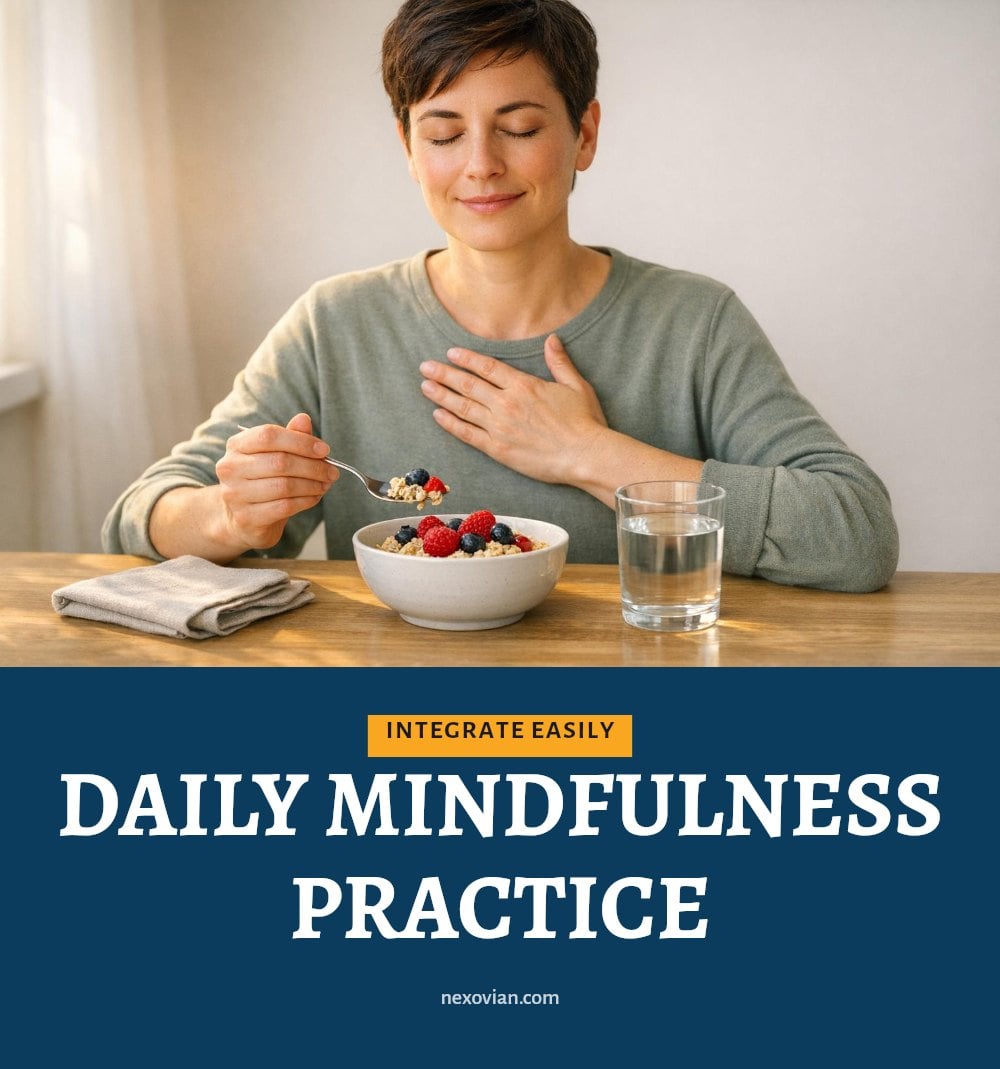
Formal meditation is the foundation, but the real payoff comes when you carry that awareness into the rest of your day. You do not need a cushion to practice mindfulness. Try it during routine activities that you already do.
- While eating: Notice the texture, temperature, and flavor of each bite. Put your fork down between bites to slow down.
- While walking: Feel your feet making contact with the ground. Pay attention to the air on your skin and the sounds around you.
- While doing chores: Focus on the sensation of water on your hands while washing dishes or the rhythm of folding laundry.
These micro-moments of awareness extend the calm and focus from your formal practice into daily life, making the benefits last longer.
Common Meditation Mistakes to Avoid
Many beginners quit because they run into the same predictable obstacles. Recognizing these mistakes early can keep you on track.
- Trying to force your mind to be blank: Thoughts are natural. The practice is to observe them and return to your anchor, not eliminate them.
- Getting frustrated when your mind wanders: This is a normal part of the process. Instead of judging, gently redirect your attention.
- Giving up too soon because results aren’t immediate: Meditation is a skill that takes time to develop. Be patient and consistent.
- Comparing your experience to others’: Everyone’s meditation journey is unique. Focus on your own progress and experience.
If you miss a session, simply start again the next day. The practice is about returning, not perfection.
Frequently Asked Questions
What is the best time of day to meditate?
There’s no universal best time. Many people find that a consistent time, like right after waking or before bed, helps them build the habit. Choose a slot when you’re reasonably alert and unlikely to be interrupted. The key is regularity, not a specific hour.
Do I need special equipment to meditate?
No. All you really need is a comfortable place to sit or lie down and a few minutes. A cushion, bench, or timer can be helpful but are optional. Wear comfortable clothing and use a free app or online timer if you like.
Can I meditate lying down?
Yes, lying down is fine if it helps you stay comfortable and alert. The goal is a posture you can sustain for your session. If you tend to get sleepy, try sitting up instead. Adjust as needed.
Is it normal for my mind to wander during meditation?
Absolutely. The mind is designed to wander. The practice is to notice when it happens and gently return your attention to your anchor, like the breath. That moment of noticing is the meditation, not a failure.
How long should a beginner meditate?
Start with 5 to 10 minutes per session. You can gradually increase the time as you feel comfortable. Consistency matters more than duration, so a daily short practice is more effective than an occasional long one.
Final Thoughts
My advice: pick one small slot each day, set a gentle timer for 5 to 10 minutes, and treat it like brushing your teeth, nonnegotiable but not dramatic. Expect benefits to build over several weeks or months of consistent practice, and know that individual experiences vary. Some sessions will feel calm, others scattered, and both are part of the training. If you miss a day, just start again the next. The goal isn’t perfection; it’s showing up with kindness and curiosity, one breath at a time.
This article provides general information and is not a substitute for professional medical or psychological advice. If you have a pre-existing mental health condition or experience significant distress during meditation, consult a qualified instructor or healthcare professional. Meditation should not replace professional treatment.

