Many cases of snoring improve with a handful of changes you can make at home, and most of them cost little or nothing. The first step is working out which common cause fits you: sleeping flat on your back, extra weight around the neck, a blocked nose, or a nightcap too close to bedtime. Each method below tackles one of these causes, and for many people just one or two of them make a clear difference in 2027. If your snoring is loud, happens most nights, or comes with gasping or breathing pauses, skip the home remedies and book a visit with a doctor.
Key Takeaways
- Sleep on your side instead of your back to keep your airway more open.
- Avoid alcohol and sedatives close to bedtime, since they relax throat muscles.
- Clear nasal passages before bed with a saline spray or neti pot.
- Elevate your head a few inches with an extra pillow or wedge pillow.
- See a doctor promptly if you gasp, choke, or pause in breathing during sleep.
How to Stop Snoring Naturally
Plenty of snoring can be eased or stopped with natural approaches that address what narrows the airway while you sleep. Small lifestyle shifts, such as adjusting how you lie down, keeping your weight in check, and cutting back on alcohol or sedatives in the evening, often help more than people expect. Most of these fixes are simple to test at home and tend to show results fairly quickly. That said, if the snoring is loud, keeps coming back, or is paired with gasping or pauses in breathing, get checked by a doctor to rule out sleep apnea or another underlying problem.
2. Maintain a Healthy Weight
Extra weight, particularly around the neck, puts more soft tissue in the throat, and that tissue can narrow the airway enough to set off snoring. Even modest weight loss can bring real change if you are overweight or living with obesity. A balanced diet paired with regular exercise is the most reliable way to get to and stay at a healthy weight. Those habits support your overall health too, and over months they can noticeably cut back on snoring.
When to Talk to a Doctor About Snoring
Home fixes cover a lot of ground, but some snoring needs a professional eye. Book a visit if your snoring is loud, happens most nights, or comes with symptoms you cannot explain.
Seek medical advice promptly if you gasp, choke, or pause in breathing during sleep. Those can be signs of sleep apnea, a serious condition that a doctor needs to evaluate, and partners often notice them first.
- Also see a doctor if snoring leaves you sleepy during the day, affects your work or relationships, or does not improve after weeks of home remedies.
- Caution: Do not self-diagnose sleep apnea from an app or a partner’s description. Only a healthcare professional can confirm it.
4. Elevate Your Head While Sleeping
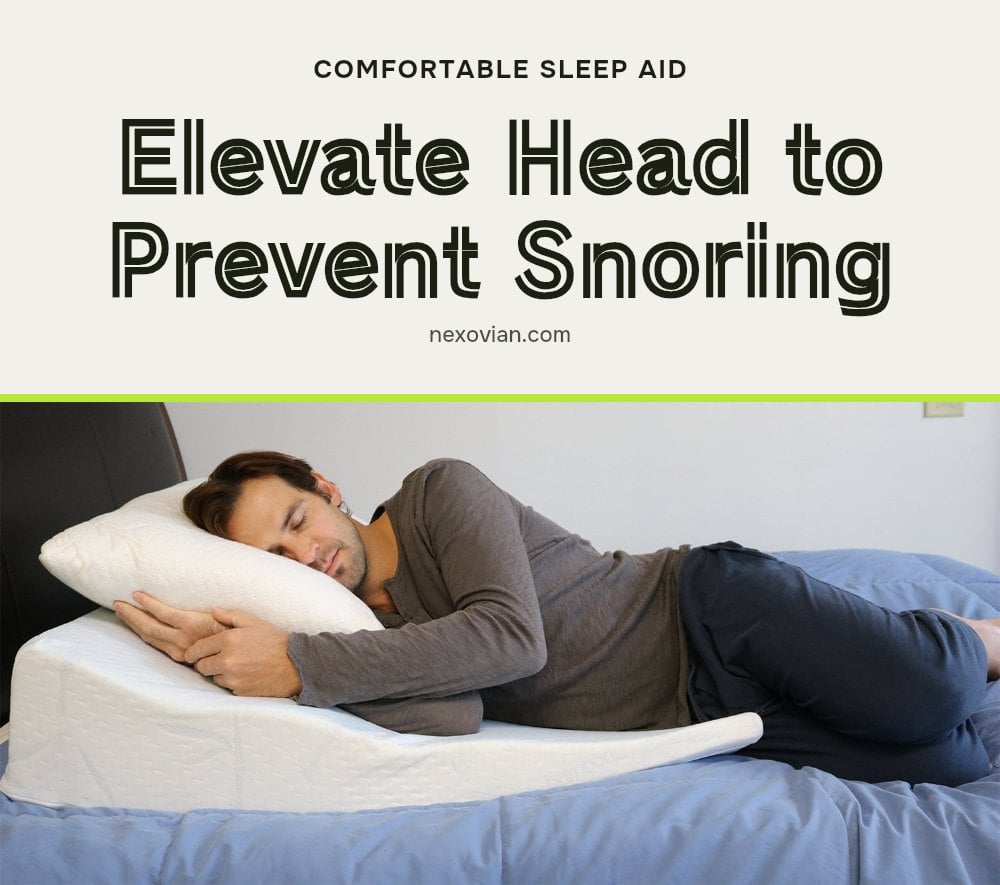
Lifting your head a few inches allows gravity to help you, so your tongue and soft tissues are less likely to drift backward and close off the airway.
Tip: Slip an extra pillow under your head or try a wedge pillow designed for snoring. You only need a few inches of elevation, so there is no need to sit bolt upright as if you were in a chair.
Comfort check: Keep your neck well supported and avoid letting your chin drop toward your chest, because that posture can strain the neck and undo the benefit of raising your head.
Frequently Asked Questions
Can snoring be a sign of a serious health problem?
Sometimes, yes. Snoring by itself is often harmless, but loud snoring accompanied by gasping, choking, or pauses in breathing may point to sleep apnea, which needs a medical evaluation. A sudden start to snoring or a clear jump in how often you snore is also worth a doctor’s look.
How quickly can I expect to see results from these methods?
It depends on the method. Switching your sleep position may help on the very first night, while losing weight and quitting smoking typically take weeks or months of steady effort before the change shows. Give each adjustment a fair chance instead of judging it after a single night.
Are there any specific exercises that can help reduce snoring?
Throat exercises meant to firm up the muscles in your airway are sometimes recommended, but the research supporting them is limited, so think of them as a maybe rather than a sure fix. They do not replace tackling the bigger culprits like alcohol, congestion, or excess weight, and they are no excuse to put off seeing a doctor about severe snoring.
What is the best sleeping position to prevent snoring?
For most people who snore, sleeping on the side is the best position, since it keeps the tongue and soft palate from falling back into the throat. If you tend to roll onto your back overnight, placing a body pillow behind you can help you stay on your side.
Does alcohol really make snoring worse?
Yes. Alcohol loosens the muscles in your throat, which makes it more likely that your soft palate and tongue will collapse and block the airway. Stopping your drinks well before bedtime gives your body time to process the alcohol and can make a noticeable difference.
6. Change Your Sleep Position
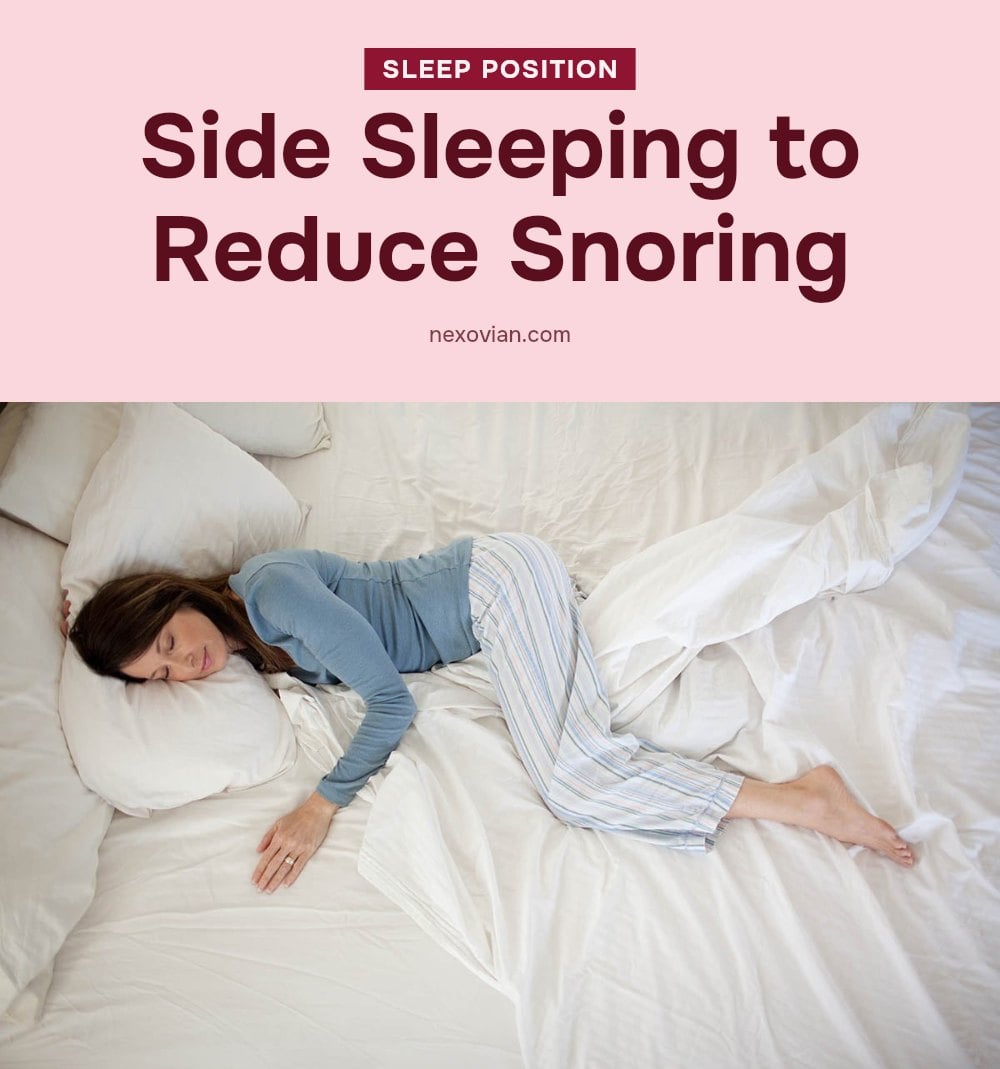
Sleeping on your back often makes your tongue and soft palate collapse to the back of your throat, narrowing your airway and causing snoring. My tip: Try sleeping on your side instead. This position keeps your airways more open and can significantly reduce or stop snoring.
- Use a body pillow to keep yourself in place through the night.
- Sew a tennis ball into the back of your pajama top to train yourself to stay on your side.
7. Avoid Alcohol and Sedatives Before Bed
Alcohol and sedatives relax the muscles in your throat, so your soft palate and tongue are more likely to collapse backward and obstruct your airway. That is why a nightcap can turn quiet breathing into full-on snoring.
Timing: Aim to finish your last drink at least 3-4 hours before bedtime. That window gives your body time to metabolize the alcohol and dial back its muscle-relaxing effect before you lie down.
- Caution: If you take sedatives, talk to your doctor about any snoring concerns before you change your medication routine. Never skip or adjust a prescription on your own.
8. Clear Your Nasal Passages
A stuffy nose from allergies, a cold, or a deviated septum pushes you to breathe through your mouth, and that makes snoring more likely. Before bed, a saline nasal spray or a neti pot can clear things out and help air move more freely. My tip: nasal strips have been a real help for me on congested nights, since they gently lift the sides of your nose and make breathing easier while you sleep. Nasal dilators do the same job in a different form.
Final Thoughts
My advice is to begin with the simplest change, your sleep position, and give it a few nights before you add anything else. Position changes can work right away, whereas weight loss or quitting smoking takes weeks or months of consistent effort before you see results. Think of this as a gradual process rather than an overnight switch, and keep your partner in the loop so you can tell what is really helping. If nothing improves after a few weeks, or the snoring is loud and happens every night, that is the signal to bring in a professional.
This article is general information and not medical advice. It cannot diagnose or treat any condition. If your snoring is persistent, very loud, or comes with gasping or pauses in breathing, see a doctor or sleep specialist for a proper evaluation.