If you’ve just brought home a money tree or are thinking about getting one, you’re probably wondering how to keep those braided trunks and glossy leaves looking good. The good news is that this plant is forgiving once you understand what it wants. In this article, I cover the essentials: light, water, humidity, feeding, and the warning signs that something is off. My tip: focus on getting the watering right first, since that’s where most problems start.
Key Takeaways
- Place your money tree in bright, indirect light; direct sun can scorch the leaves.
- Water only when the soil is completely dry, checking with a wooden skewer or moisture meter.
- Keep humidity above 50% and temperatures between 65 and 85°F.
- Fertilize once a month at half strength during spring and summer only.
- Repot every 2 to 3 years, or when the plant becomes root-bound.
Caring for Your Money Tree
Money trees thrive in bright, indirect light and consistent, but not excessive, watering. The key is to let the soil dry out completely between waterings to prevent root rot. High humidity and regular leaf cleaning also keep the foliage vibrant and support overall health.
Essential Supplies for Money Tree Care
To keep your money tree happy, gather these essentials:
- Well-draining potting mix: Use a houseplant-specific blend to prevent waterlogging.
- Pot with drainage holes: Allows excess water to escape, avoiding root rot.
- Watering can: For thorough, controlled watering.
- Balanced liquid fertilizer: Feed during the growing season for healthy growth.
- Misting bottle or humidifier: Maintains the high humidity money trees love.
- Pruning shears or scissors: For trimming and shaping.
- Soft cloth: For cleaning leaves and checking for pests.
Step-by-Step: Keeping Your Money Tree Healthy
- Select your plant: Choose a money tree with a uniform braid and plants of similar thickness to prevent larger ones from choking smaller ones. Inspect leaves for yellow, brown, or black blemishes, and check both sides for pests.
- Quarantine: Keep your new plant away from other houseplants for at least three weeks to avoid spreading pests or diseases.
- Place in bright, indirect light: A spot where it can see the blue sky but not direct sun works best. If you lack natural light, use grow lights.
- Maintain temperature: Keep your money tree between 65-85°F (18-29°C), avoiding cold drafts and heat vents.
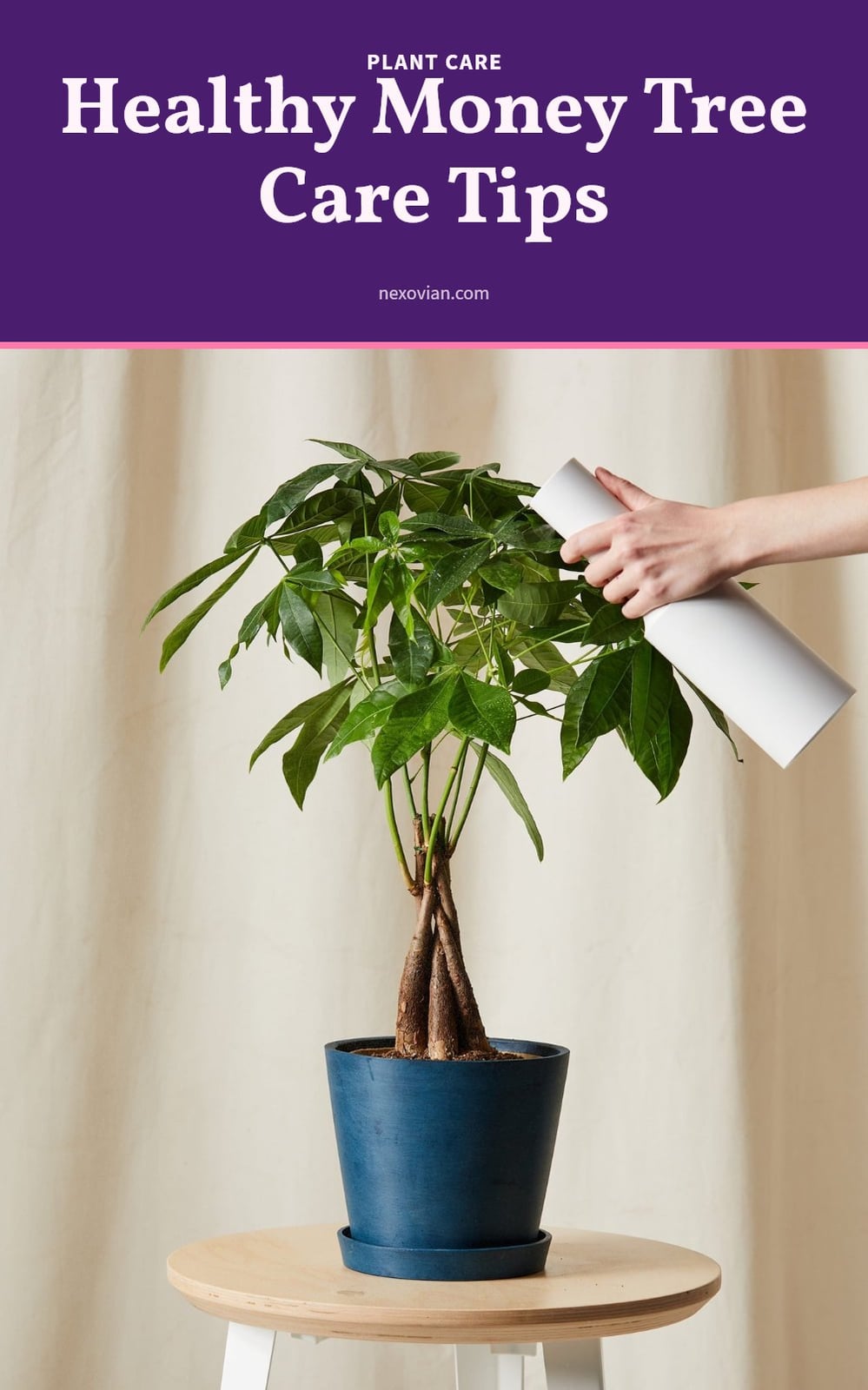
- Clean leaves monthly: Wipe both sides of the leaves with a damp cloth to aid photosynthesis and check for pests. You can spray with water and wipe.
- Fertilize monthly in spring and summer: Use a balanced liquid houseplant fertilizer at half strength. Always fertilize after watering to prevent root burn.
- Trim runners: Cut back runners inside the plant’s head with sanitized pruners to encourage a fuller appearance.
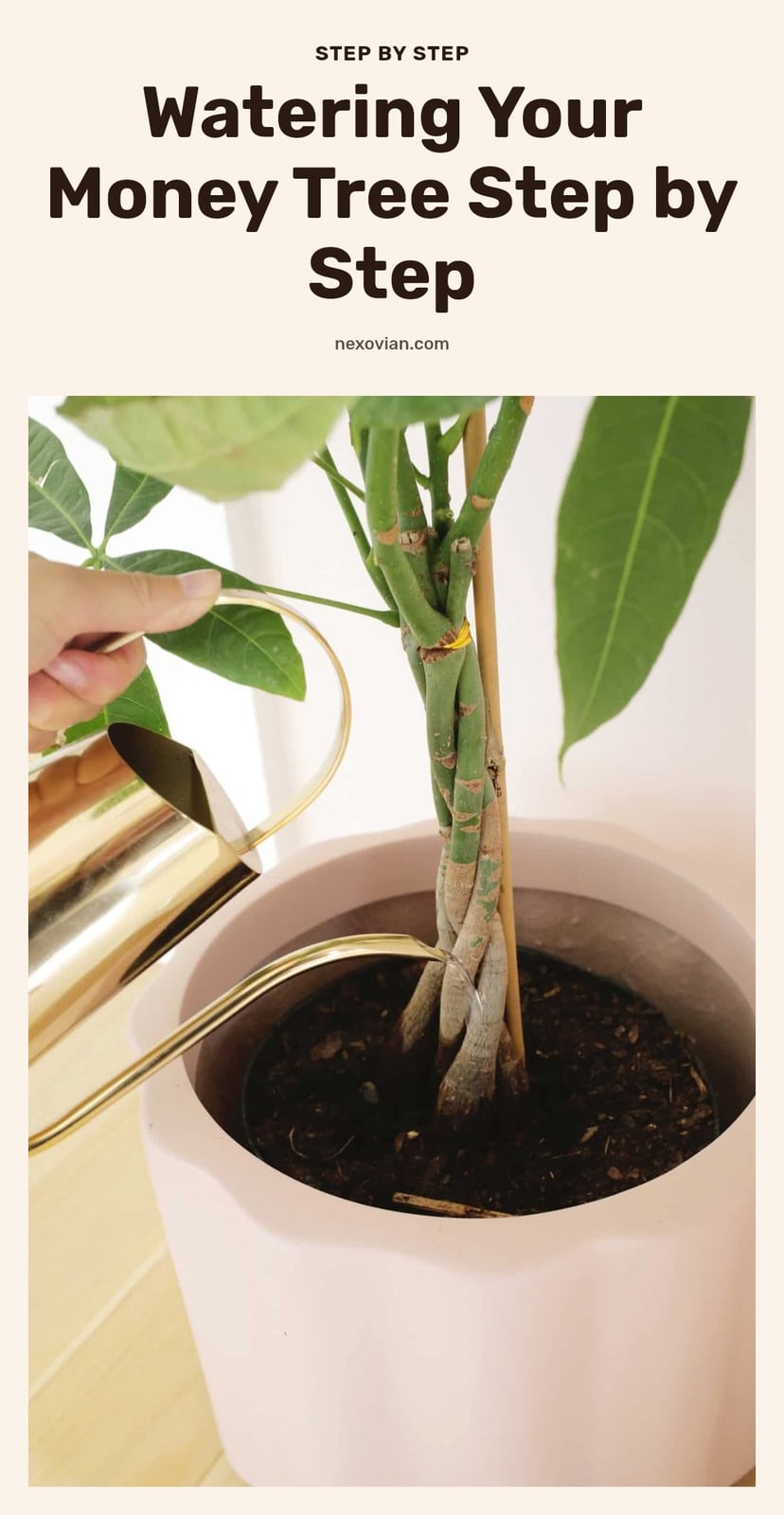
- Water only when soil is 100% dry: Insert a wooden skewer or moisture meter to the bottom of the pot. Water thoroughly when it comes out completely dry, allowing excess to drain.
- Repot every 2-3 years: Do this in spring, or when root-bound, into a pot 1-2 inches larger in diameter.
If you learn better by watching, this 8-minute video from MonstroFarm shows every step. The how-to part starts at 0:28.
Best Tips for a Thriving Money Tree

- Choose Wisely: When buying, look for an even braid and plants of similar thickness to avoid one choking out the others.
- Listen to the Roots: Healthy roots are firm and light colored. Check them during repotting to gauge overall health.
- Consider Grow Lights: If you don’t have a spot with natural bright, indirect light, grow lights are an excellent alternative.
- Fertilize After Watering: Always fertilize after you’ve watered to keep soil moist and prevent root burn.
- Snug is Good: Money trees prefer being a bit snug in their pots, so you won’t need to repot as often as other houseplants.
Common Money Tree Mistakes to Avoid
Overwatering: This is the number one killer of money trees. Always let the soil dry out completely between waterings to prevent root rot. Check with a wooden skewer or moisture meter inserted to the bottom of the pot.
Direct Sunlight: Harsh, direct sun scorches the leaves, leaving brown, crispy edges. Keep your plant in bright, indirect light where it can see the blue sky but not the sun itself.
Ignoring Pests: Check both sides of every leaf for pests, especially when you bring a new plant home and during monthly cleaning. Catching an infestation early makes treatment much easier.
Uneven Braids: A braid made of unevenly sized plants can end badly. The larger, more vigorous plants may choke out the smaller ones, so choose a tree with stems of similar thickness.
Poor Drainage: A pot without drainage holes lets water pool at the roots, which quickly leads to root rot. Always use a pot with adequate drainage and never let the plant sit in standing water.
Troubleshooting Money Tree Problems
Here’s a quick guide to common money tree issues and how to fix them:
| Problem | Possible Cause | Solution |
|---|---|---|
| Yellowing Leaves | Overwatering, underwatering, nutrient deficiency | Check soil moisture; adjust watering, fertilize if needed |
| Drooping Leaves | Underwatering, sudden temperature change | Water thoroughly if soil is dry; stabilize environment |
| Crispy Brown Edges | Low humidity, underwatering | Increase humidity with a pebble tray or misting; water when top 2-4 inches are dry |
| Leaf Drop | Environmental stress, inconsistent watering | Keep watering consistent; avoid drafts and sudden temperature shifts |
| Pest Infestation | Spider mites, mealybugs, or scale | Wipe leaves with soapy water; inspect both sides regularly |
Ongoing Care and Maintenance Schedule
Watering: Check the soil moisture every 1-2 weeks, but only water when the soil is 100% dry. The exact frequency depends on your home’s temperature and humidity, so always test with a skewer or moisture meter before reaching for the watering can.
Fertilizing: During spring and summer, feed your money tree every 2-4 weeks with a balanced liquid fertilizer diluted to half strength. Skip fertilizing entirely in fall and winter when growth slows.
Repotting: Plan to repot every 2-3 years, or when you notice roots circling the pot or poking out of the drainage holes. Spring is the best time, and choose a pot just 1-2 inches larger in diameter.
Leaf Cleaning: Wipe down the leaves at least once a month with a soft, damp cloth. This removes dust so the plant can photosynthesize efficiently, and it gives you a chance to spot pests early.
Frequently Asked Questions
How often should I water my money tree?
There’s no fixed schedule. Water only when the soil is 100% dry, which might be every 1 to 2 weeks depending on your home’s temperature and humidity. Always check with a wooden skewer or moisture meter before watering. Overwatering is the number one killer of money trees.
Why are my money tree leaves turning yellow?
Yellow leaves can mean overwatering, underwatering, or a nutrient deficiency. Check the soil moisture first: if it’s soggy, let it dry out; if it’s bone dry, give it a thorough watering. If moisture seems fine, a dose of balanced fertilizer during the growing season may help.
Is a money tree toxic to pets?
Money trees are generally considered non-toxic to pets and humans. However, eating large amounts of any plant can cause mild digestive upset, so it’s best to keep it out of reach of curious pets and children.
How do I know if my money tree needs repotting?
Repot every 2 to 3 years, or when you see roots circling the pot, the soil has become compacted, or the plant looks root-bound. The best time is spring. Choose a new pot only 1 to 2 inches larger in diameter, since money trees like to be snug.
Can I put my money tree outside?
Money trees are tropical plants and prefer consistent indoor conditions. If you move yours outside, keep it in bright, indirect light and protect it from direct sun, cold drafts, and temperatures below 65°F. It’s safer to keep it indoors year-round.
Final Thoughts
My advice: before you do anything else, get a wooden skewer and use it to check the soil every week. Water only when it comes out completely dry. That single habit will prevent most money tree problems. Expect to see steady new growth within a few months if the light and watering are right, but don’t expect instant results. These plants move at their own pace. Stick with the routine, and your money tree will reward you with a full, healthy head of leaves.