You don’t need an entire weekend to get your house feeling fresh. The fastest way to a clean home is a smart order of operations: declutter first, work top to bottom, and let your products do their job. This article walks you through the 25 best tips to speed up your deep cleaning, from choosing the right cloth to knowing when to scrub the toilet.
Key Takeaways
- Declutter each room before cleaning to speed up the process.
- Work top to bottom and dust before vacuuming to avoid re-cleaning.
- Respect disinfectant dwell times, usually several minutes.
- Never mix bleach with ammonia or acids like vinegar.
- Vacuum carpets weekly and scrub toilet bowls weekly.
The 9 looksOpen list +
Your Fastest Path to a Clean Home
Cleaning your house fast comes down to smart strategies: declutter first, work top to bottom, and use the right tools. Prioritize high-traffic areas like the kitchen and bathroom, and let products work by respecting their dwell times. Regular maintenance, like daily counter wipes and weekly vacuuming, keeps deep cleaning quick and less daunting.
1. Gather All Your Supplies
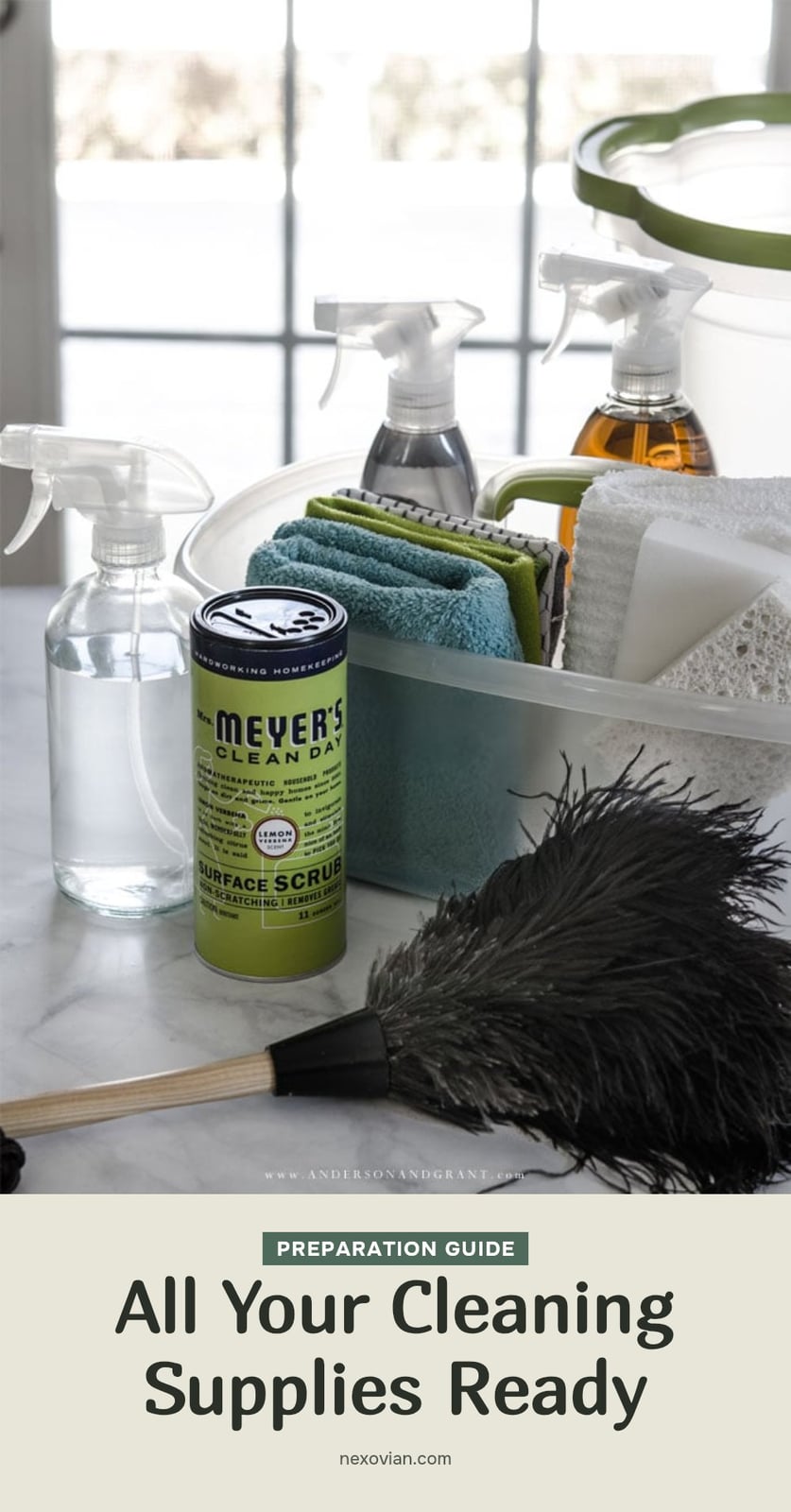
Before you start, collect all your cleaning supplies in one caddy or bucket. This saves countless trips back and forth, making the whole process more efficient. My tip: keep a separate caddy for each floor of your home so you never have to carry supplies upstairs.
- Include: all-purpose cleaner, glass cleaner, microfiber cloths, scrub brush, and gloves.
- Add: baking soda and vinegar for natural scrubbing and deodorizing.
2. Declutter Each Room First
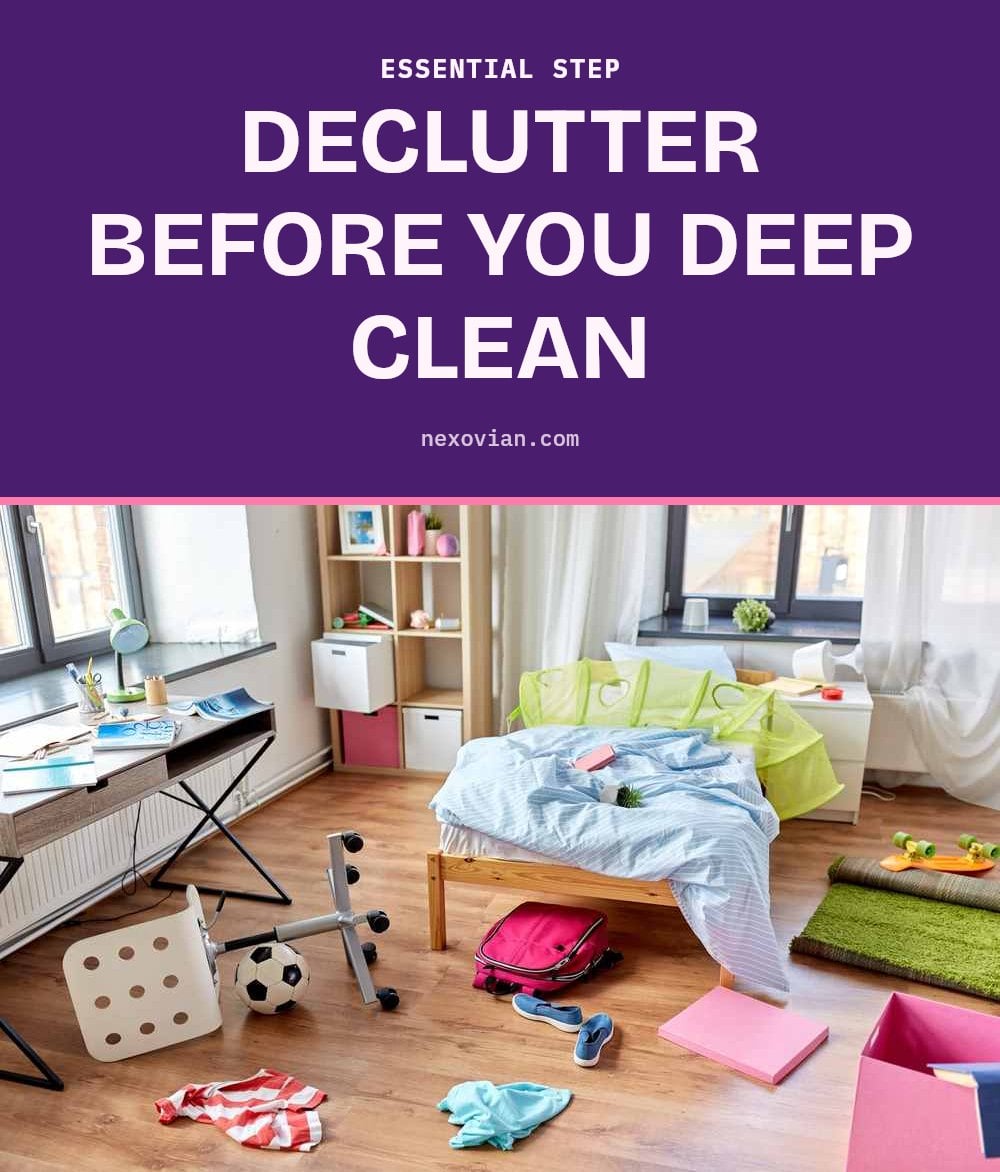
Before you even think about wiping surfaces, declutter. Put away items that don’t belong, toss trash, and clear surfaces. Cleaning a tidy space is always faster and more effective than cleaning around clutter.
My tip: keep a ‘return to owner’ basket for items that belong elsewhere. This way, you can quickly move things to their proper rooms without stopping your flow.
3. Work Top to Bottom
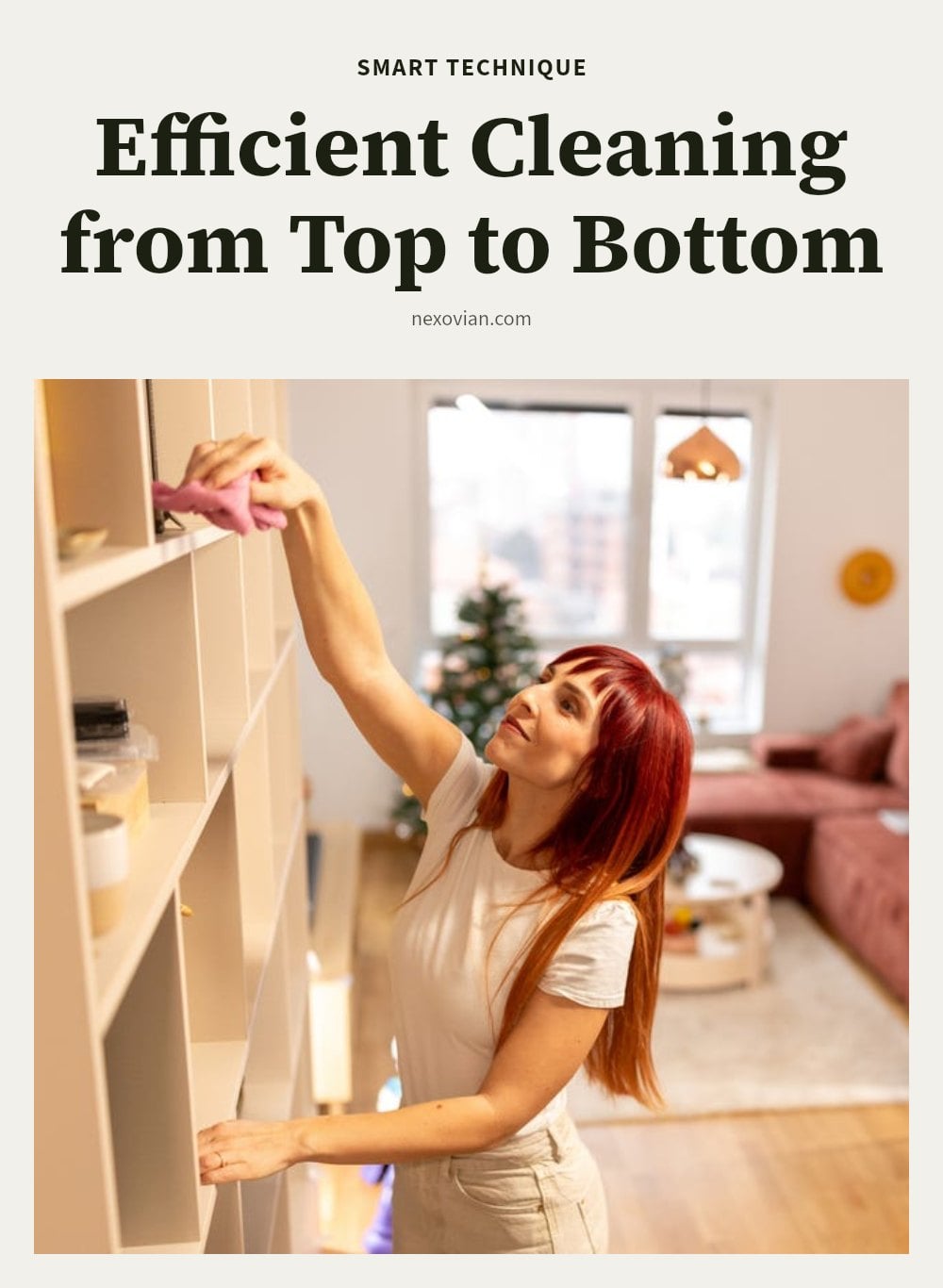
Always clean from the highest points in a room down to the lowest. Dust falls, so starting with high shelves, light fixtures, and ceiling fans ensures you’re not re-cleaning surfaces you’ve already tackled.
Work your way down to baseboards and floors last. This way, any dislodged dust is captured in your final vacuum or sweep.
4. Dust Before You Vacuum
Dusting kicks up particles that will land on everything below, including surfaces you have already wiped. So do all the dry work first: high shelves, light fixtures, baseboards, blinds. Then vacuum or sweep to collect every bit of fallen dust and debris.
Good to know: this dry-then-wet order is the most efficient sequence, because a wet wipe over a dusty floor just turns into mud you have to clean twice.
5. Use Microfiber Cloths
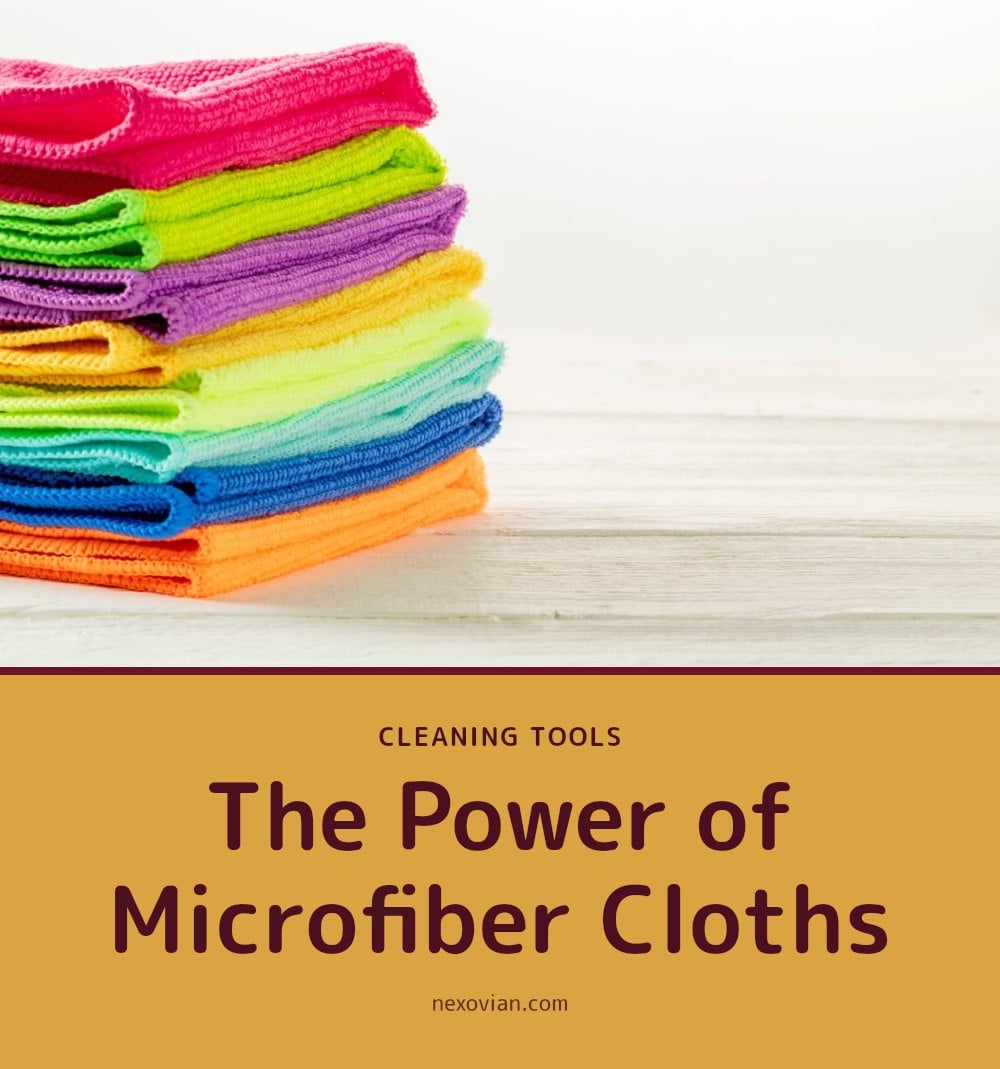
These cloths trap dust and dirt in their split fibers instead of pushing it around, so you need far less spray. For dusting and general wiping, a slightly damp microfiber often leaves glass and counters streak-free with water alone.
- Dry cloth: dusting shelves, screens, and blinds.
- Damp cloth: counters, glass, and appliance fronts.
6. Leverage White Vinegar
Diluted white vinegar (1 part vinegar to 3 parts water) makes a great natural cleaner for glass, sealed or synthetic flooring, and general surface wiping. Its acidity cuts through light mineral film and grease without leaving residue.
Caution: never use vinegar on any stone surface, including natural stone like marble, granite, or travertine. The acid can etch the finish, creating permanent dull spots that polishing cannot fix.
7. Baking Soda for Scrubbing
Baking soda is a mild abrasive and an odor absorber, which makes it useful for two jobs at once. Scrub sinks and tubs with a paste, or sprinkle it dry on carpets, let it sit, then vacuum to lift stale smells.
My tip: sprinkle it on a damp sponge for extra scrubbing power on stubborn rings and soap scum.
8. Respect Dwell Times
Disinfectants do not kill germs on contact. To work, the product has to stay visibly wet on the surface for its listed contact time, which the label calls dwell time. This is usually several minutes, and some products ask for up to ten.
How to apply it: read the label before you spray, then move on to another task while the surface stays wet. A quick spray and immediate wipe mostly just moves dirt around.
9. Never Mix Cleaning Products
Never combine two cleaning products unless both labels tell you to. Bleach plus ammonia creates toxic fumes, and bleach plus acids like vinegar releases harmful gas too. The reaction is fast and the fumes can be dangerous in a small bathroom.
- Rule: one product per surface, rinse in between if you switch.
- Caution: if you smell something sharp, open windows and step outside.
10. Squeegee for Streak-Free Glass
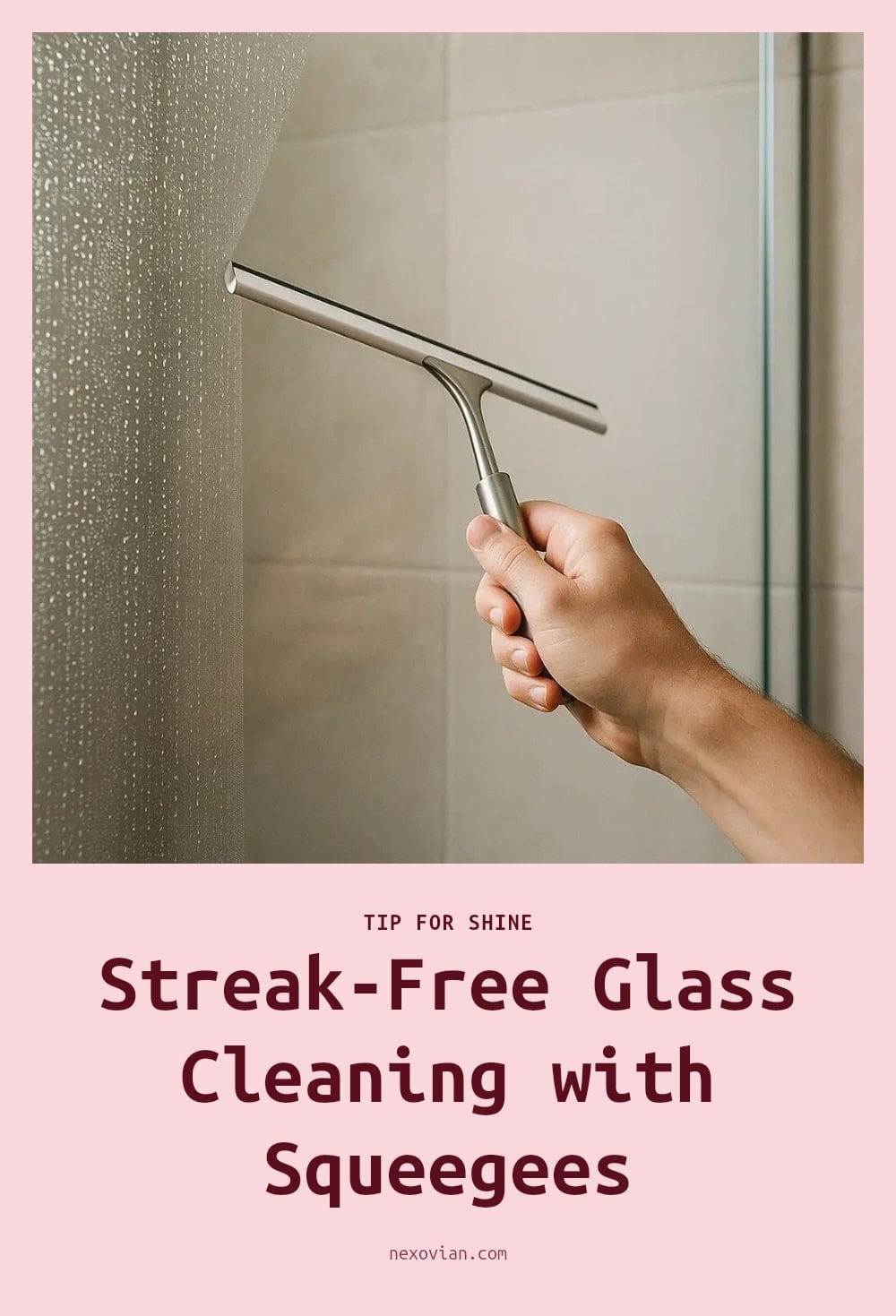
For streak-free windows and shower doors, a squeegee beats paper towels every time. Pull it from the top of the glass down in overlapping passes, so each stroke carries the dirty water onto the strip below.
Tip: wipe the blade with a cloth after each stroke. A loaded blade drags water back onto the clean glass and leaves the streaks you were trying to avoid.
11. Empty Trash Cans Regularly
Empty trash cans before they are full, and give the bin itself a rinse now and then. Food scraps and damp packaging sit at the bottom and start to smell long before the bag is heavy, and that smell is what draws pests.
A fresh liner and a quick wipe take under a minute and do more for how a room smells than most sprays.
12. Daily Kitchen Counter Wipes
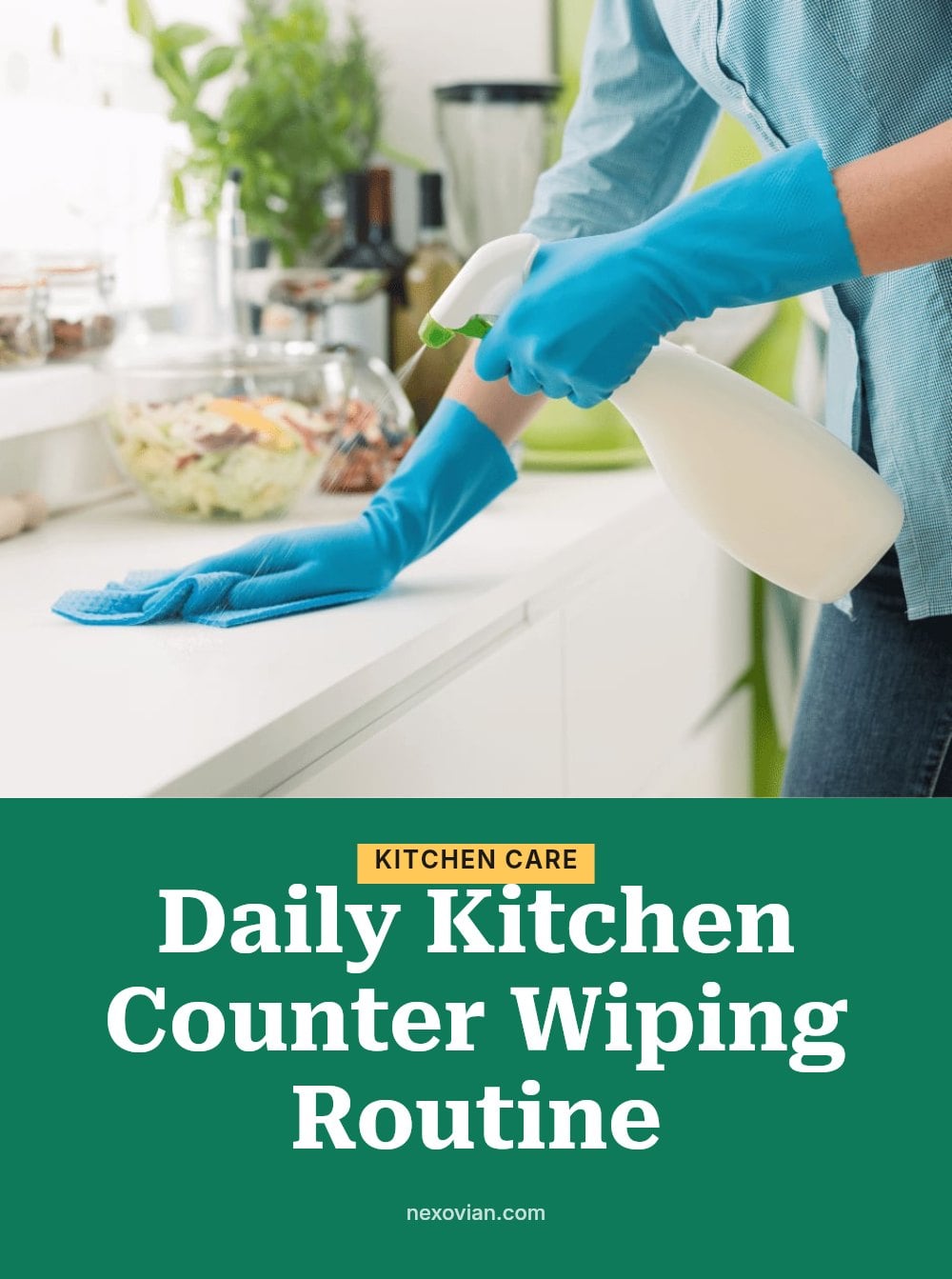
Wipe down kitchen counters and the sink every evening before you leave the room. Food residue and moisture sit overnight, attract pests, and harden into sticky film that takes scrubbing to remove.
A quick spray of all-purpose cleaner and one pass with a cloth is all it takes. That one daily minute keeps the weekly kitchen clean to a fast wipe-down instead of a scrub session.
13. Weekly Toilet Bowl Clean
Scrub the toilet bowl at least once a week, even if it looks clean. Mineral deposits and bacteria build below the waterline where you cannot see them, and once stains set in they take real effort to lift.
Apply toilet cleaner under the rim, let it sit for the listed contact time, then scrub the whole bowl with a brush and flush. A small task that keeps the bathroom hygienic.
14. Vacuum Carpets Weekly
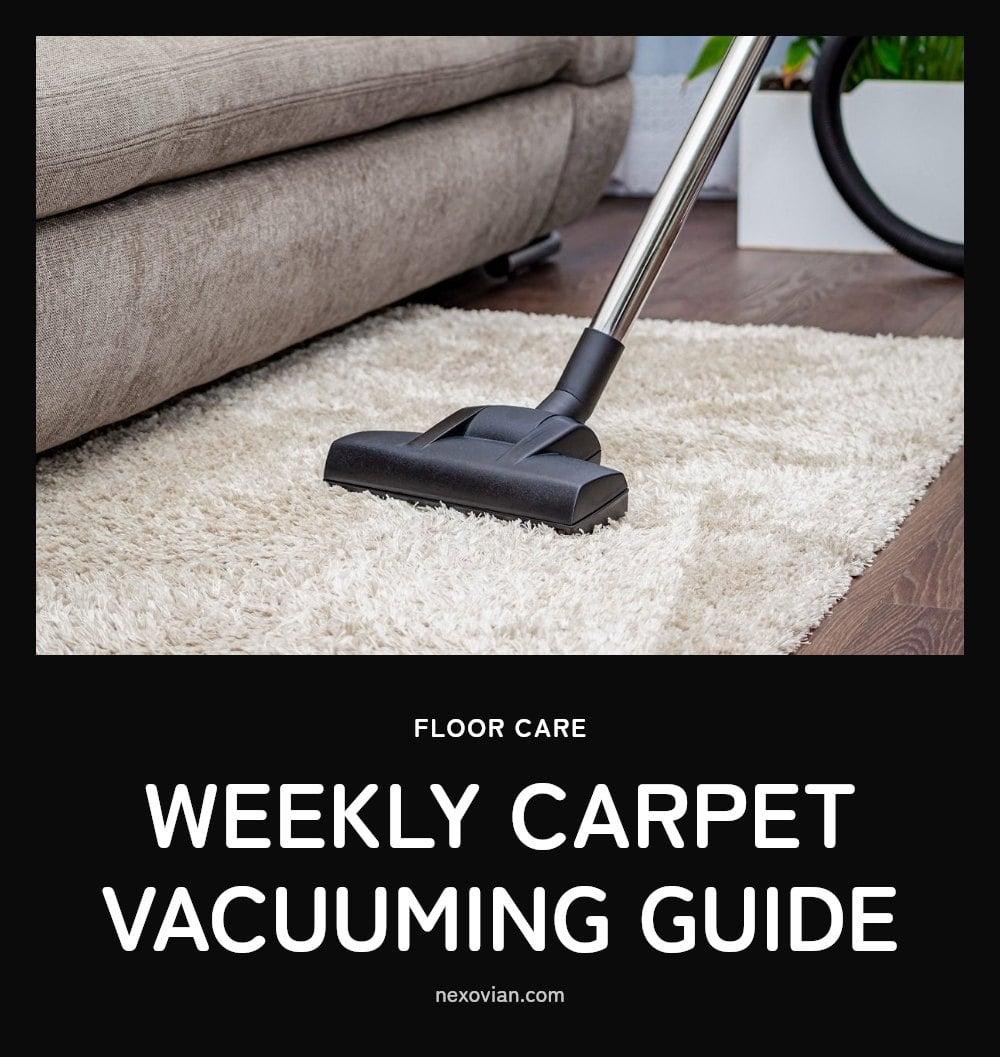
Vacuum carpets and rugs once a week, not just when crumbs show. Weekly passes pull out dust and allergens that settle deep in the pile and keep them from getting embedded in the fibers.
Embedded grit wears carpet fibers down and makes every later clean harder. My tip: go slowly with overlapping passes, since the slower you move, the more the vacuum picks up.
15. Clean Microwave Spills Instantly
The moment something spills in the microwave, wipe it up, whether the food is still warm or has already cooled. A fresh spill comes right off with a damp cloth, but once it bakes onto the walls and ceiling, it hardens into a crust that needs steam and serious scraping.
Keep a cloth near the microwave and do a ten-second pass right after you close the door. That quick habit saves you a long scrubbing session later.
16. Wipe Shower Walls After Use
Give the walls and doors a quick pass with a squeegee or a dedicated cloth before you step out. Soap, body oils, and minerals in the water are what form scum, and they bond to the surface as they dry. Removing them while the shower is still wet takes seconds.
Keep the tool inside the shower so you do not have to hunt for it. A squeegee covers a wide door in three or four strokes, and a microfiber cloth works better on tile and grout lines.
Good to know: a few seconds of wiping after each shower saves hours of scrubbing later, when scum has turned into a hard film.
17. Ventilate While Cleaning
Open a window or turn on the exhaust fan before you spray anything and leave it running for a few minutes after you finish. Fumes from bleach, ammonia, and strong degreasers build up in a closed room, and ventilation carries them out instead of into your lungs.
Caution: in a bathroom with no window, run the fan and take breaks between rooms so the air has time to clear.
18. Wear Protective Gloves
Pull on a pair of rubber gloves before you touch bathroom cleaner, bleach, or a bucket of hot water. Strong chemicals strip the oils from your skin, and repeated soaking in hot water leaves hands dry and cracked. Gloves also give you a better grip on wet bottles, mop handles, and slippery tub surfaces.
Good to know: buy a comfortable pair you will actually wear. A glove that pinches or slips ends up in the drawer, and bare hands do the work anyway.
19. Clean Frequently Touched Surfaces
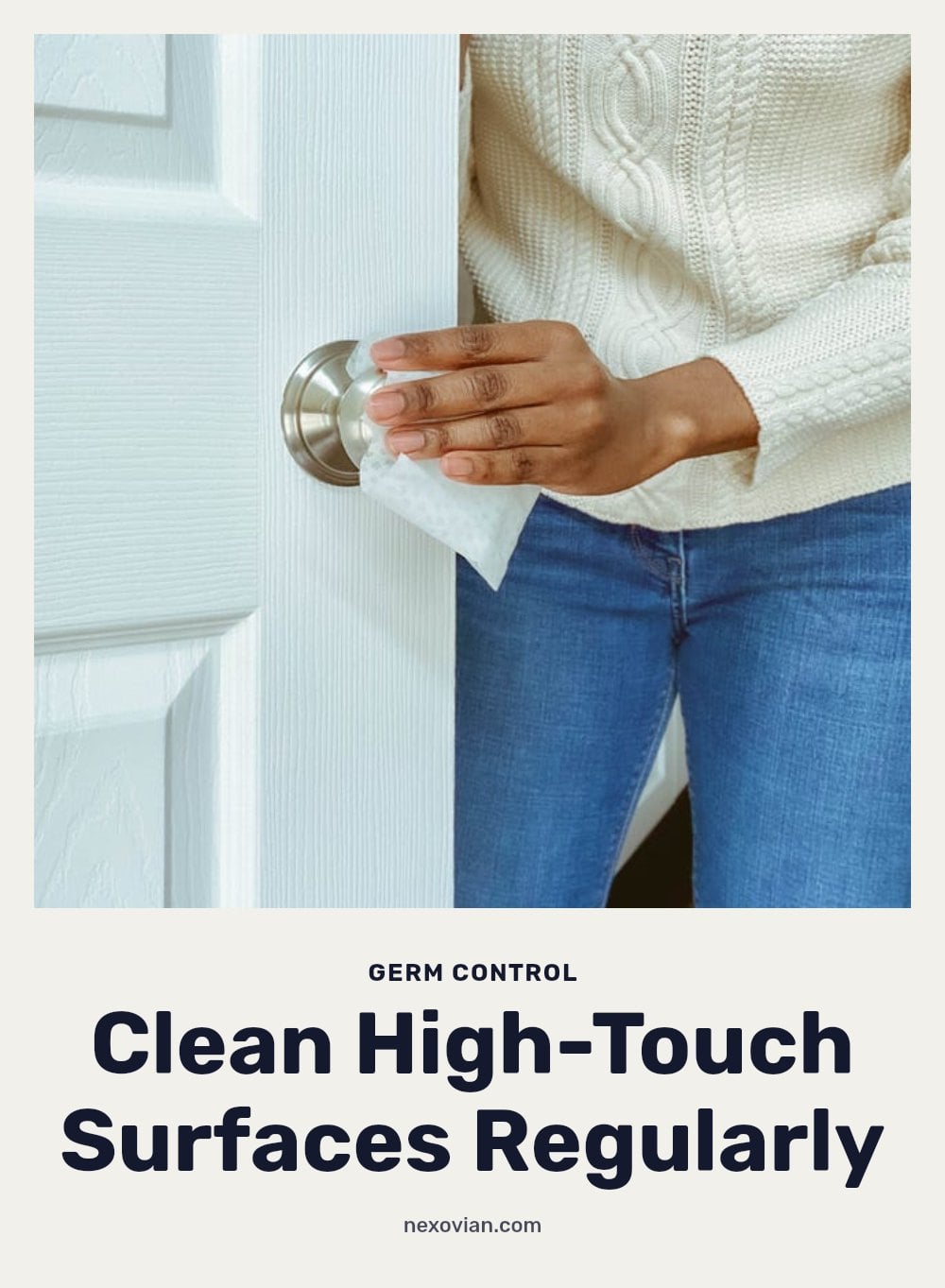
Add doorknobs, light switches, TV remotes, phone screens, and the handles of the fridge and microwave to your list. Hands touch these dozens of times a day, so they collect germs even when the room looks clean.
A disinfectant wipe takes a few seconds per item. Check the label for the dwell time and let the surface stay wet that long before you use it again.
20. Don’t Overuse Product
More product does not mean more clean. Extra spray leaves a sticky film that dulls shine, streaks glass, and grabs fresh dust within a day, so you end up wiping the same counter twice. Read the label dose and start with half of it.
- Dilute concentrates: measure the water ratio instead of eyeballing a splash.
- Spray the cloth: a few pumps on microfiber covers more surface than soaking the counter.
21. Clean Your Cleaning Tools
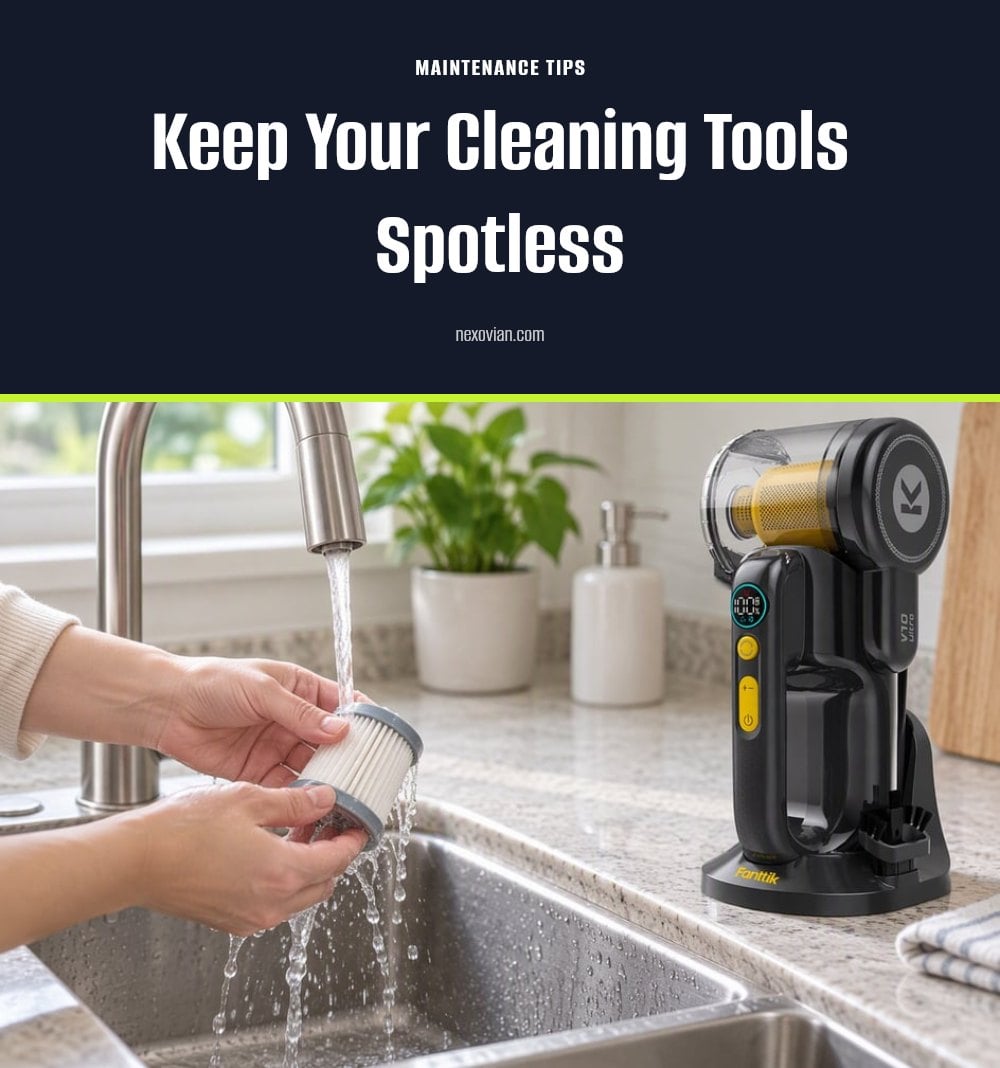
Wash mop heads after every few uses, rinse vacuum filters on the schedule in the manual, and swap sponges before they smell. A grimy tool does not clean, it smears bacteria and dirt back onto the surface you just finished.
Pro move: run sponges through the dishwasher with the dishes or microwave a damp one for about a minute to sanitize it, and keep a spare mop head so you are never tempted to reuse a dirty one.
22. Tackle One Room at a Time
Finish one room completely before you touch the next, from the ceiling corners down to the floor and the trash can. Jumping between rooms leaves half-done jobs and a house that looks untouched at 4 p.m.
Room by room, you see a finished space every 20 to 30 minutes, which keeps momentum up when your energy drops. Carry your caddy in, clean, carry it out, and close the door behind you.
23. Address Small Messes Immediately
Wipe a spill or sweep crumbs the moment you spot them, before they dry, set, or get walked into the carpet. A fresh splash takes seconds; the same spill a day later takes scrubbing, and on fabric it can stain for good.
Keep a cloth and spray within reach in the kitchen and bathroom so the fix is faster than postponing it.
24. Use the Right Product for the Surface
Match the cleaner to what the surface is made of, because the wrong one can dull, scratch, or strip a finish that never comes back. Abrasive powders and rough pads are the usual culprits on stainless steel and on sealed or matte finishes.
- Check first: read the label for the surfaces it lists and the ones it warns against.
- Test small: try any new product on a hidden spot before you commit to the whole surface.
I’ve learned this the hard way, and a two-second label check is cheaper than replacing a finish.
25. Don’t Use Dirty Cloths
A cloth that already holds dirt cannot pick up more, it just moves the grime from one surface to the next, and a damp sponge left sitting grows bacteria between uses.
Keep a stack of clean cloths within reach and swap to a fresh one as soon as it looks gray or smells off. My tip: color-code them by zone, blue for glass and mirrors, green for kitchen, so a bathroom cloth never lands on a counter.
Common Cleaning Mistakes to Avoid
Most slow cleanings come down to a handful of habits. Fix these four and the work stops doubling back on you.
- Cleaning in a random order: You end up re-doing surfaces you already wiped. Pick a system, top to bottom and dry to wet, and stick to it in every room.
- Not letting disinfectants sit long enough: Germs survive a quick spray-and-wipe. Check the label for the contact time and let the surface stay visibly wet for the full count.
- Overlooking frequently touched areas: Doorknobs, light switches, and remotes get skipped because they do not look dirty. Add them to the end of every room pass.
- Using too much water on wood floors or electronics: Standing water warps wood and seeps into seams and ports. Use a barely damp cloth on wood, never vinegar or other acidic cleaners, and spray onto a cloth, never the device.
Frequently Asked Questions
How often should I deep clean my house?
Most deep cleaning tasks can be done weekly or bi-weekly, with daily tidying in between. A full fast deep clean of a typical home can often be done in 2 to 4 hours with efficient methods. If you keep up with daily wipes and weekly routines, you may only need a deeper clean monthly.
What are the best natural cleaning products?
White vinegar diluted with water works well on glass and non-stone floors, and baking soda is great for scrubbing sinks and deodorizing carpets. Both are inexpensive and effective for many jobs. Just keep vinegar off natural stone like marble or granite, and test any homemade mix on a small area first.
Can I mix cleaning products to save time?
No, never mix cleaning products unless both labels explicitly say it is safe. Bleach plus ammonia creates toxic fumes, and bleach plus acids like vinegar releases harmful gas too. The reaction can be fast and dangerous, especially in a small bathroom. Always use one product at a time and follow the label instructions.
How do I keep my house clean between deep cleans?
Focus on daily habits: wipe kitchen counters and sinks every evening, clean microwave spills immediately, and give shower walls a quick squeegee after use. Empty trash cans before they are full and address small messes right away. These few minutes a day prevent buildup, so your next deep clean is much quicker.
Final Thoughts
The real shortcut to a fast clean is consistency. Wipe counters and sinks daily, give the toilet a weekly scrub, and vacuum carpets weekly. These small habits stop grime from building up, so a deep clean takes 2 to 4 hours instead of a whole day. Pick one tip to start with, like keeping a caddy per floor, and build from there. You will notice the difference sooner than you think.