You know that feeling when your home looks clean, but it doesn’t quite feel fresh? That’s where deep cleaning comes in. It goes beyond your weekly wipe-down to tackle the grime hiding in grout, inside appliances, and under furniture. This article gives you a room-by-room checklist so you can work through your entire home systematically, from kitchen to entryway, and get that reset you’re after.
Think of it as your guide to every overlooked corner, with tips on what to do, what not to do, and how to stay safe while you work. I’ve gathered the essentials so you can plan your approach, gather your supplies, and finally check those baseboards off your list.
Key Takeaways
- Work top to bottom in every room to avoid re-dusting cleaned surfaces.
- Let cleaning solutions dwell for a few minutes before wiping to break down grime.
- Kitchens and bathrooms are the most labor-intensive rooms to deep clean.
- Never mix bleach with ammonia or acid-based cleaners to avoid toxic fumes.
- Plan for a full deep clean to take one to several days, depending on your home’s size.
What is Deep Cleaning and Why Does My Home Need It?
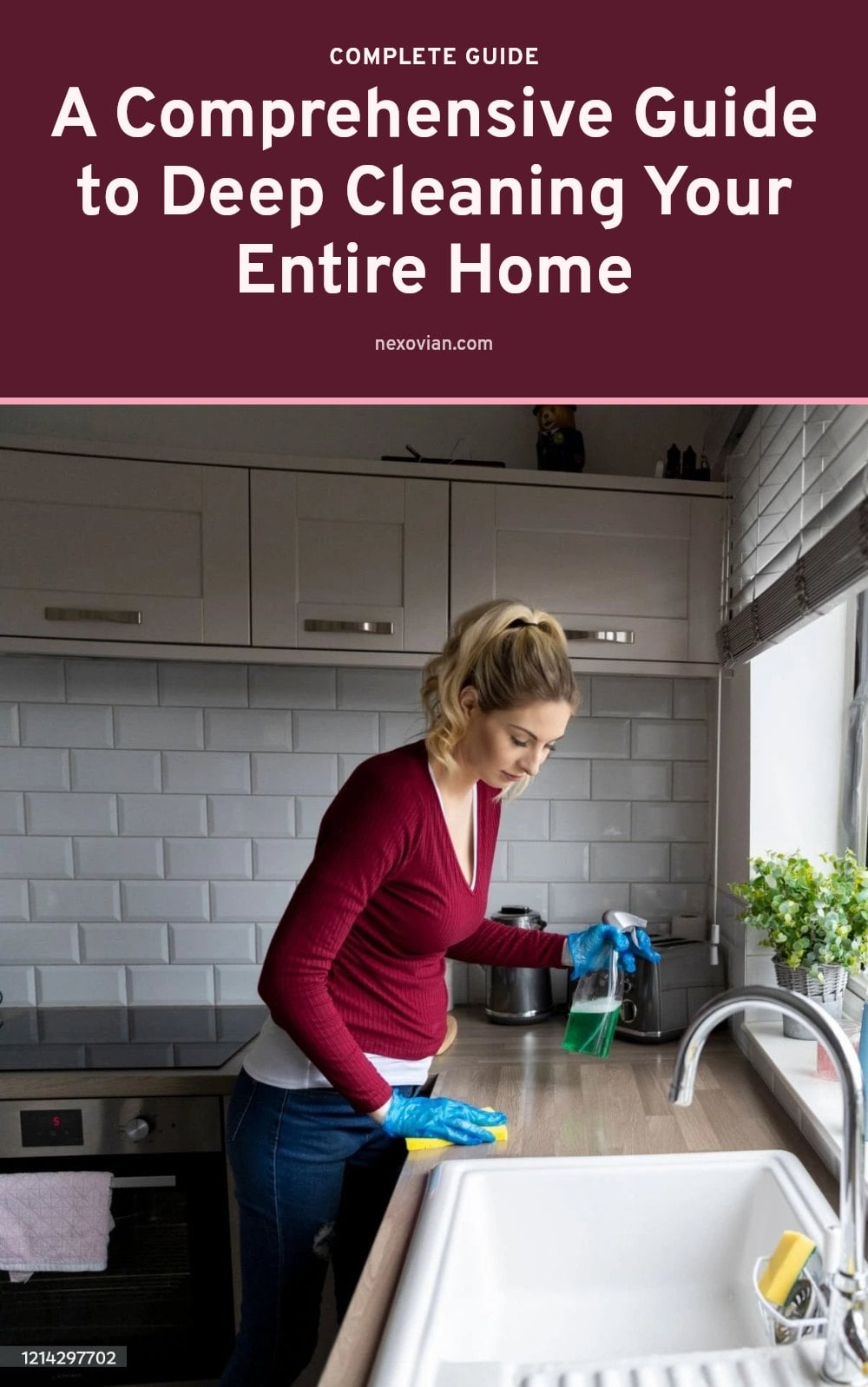
Deep cleaning is the reset your home needs when regular tidying stops cutting it. It targets the grime that builds up in places you don’t touch weekly: scrubbing grout from tile, cleaning inside the oven and refrigerator, and washing walls from floor to ceiling. A full deep clean cuts allergens, removes built-up grease, and makes your weekly wipe-downs noticeably faster afterward.
Kitchen Deep Clean Checklist
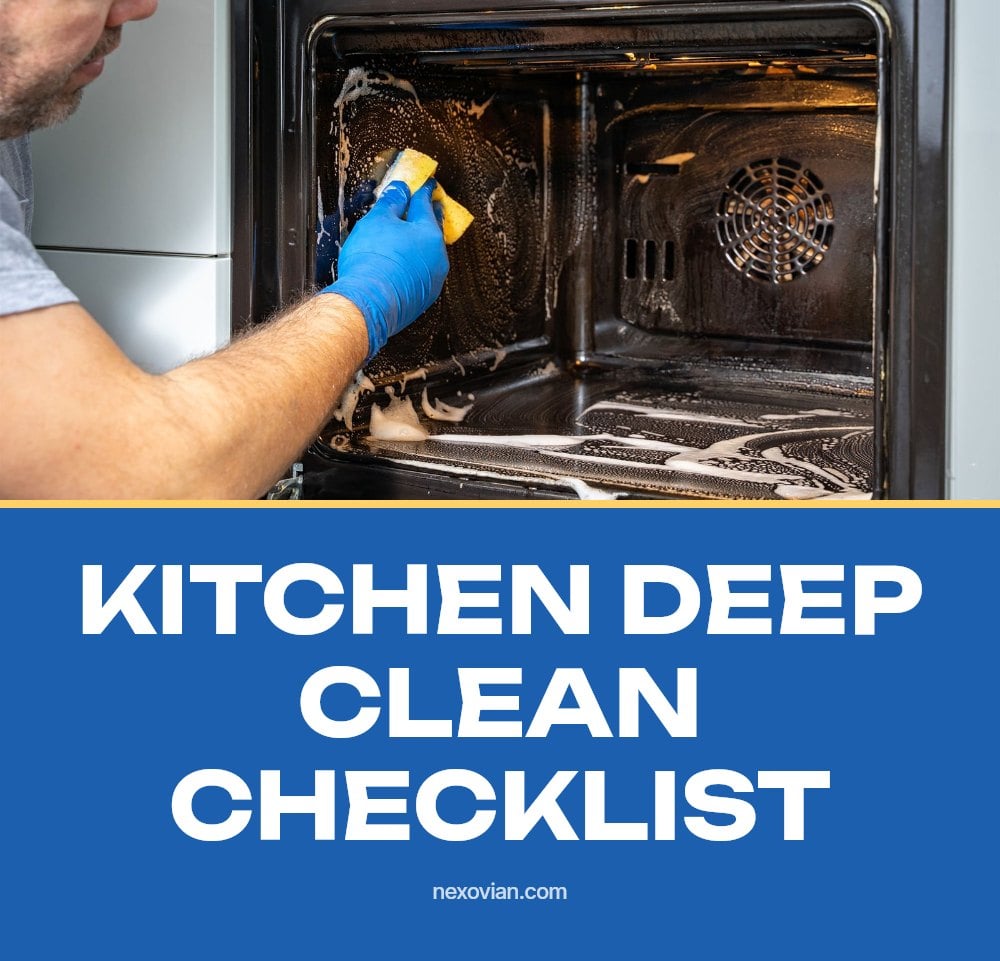
Work top to bottom and let cleaners sit for a few minutes before wiping. Open a window for ventilation while you go.
- Clear counters and declutter so every surface is reachable.
- Spray oven interior with cleaner and let it dwell while you work elsewhere.
- Wipe inside microwave including the turntable and ceiling.
- Remove refrigerator shelves and drawers and wash them in warm soapy water.
- Clean refrigerator coils with a vacuum brush attachment.
- Scrub the backsplash with a degreaser to remove splattered oil.
- Wash cabinet fronts and handles using a damp microfiber cloth.
- Disinfect the sink including the drain and faucet base.
- Clean the dishwasher filter by rinsing it under hot water.
- Wipe down countertops with a disinfectant and let air dry.
- Scrub grout lines with a stiff brush and baking soda paste.
- Empty and wash the trash can inside and out with soapy water.
- Wipe light fixtures and vent hood to remove greasy dust.
- Sweep or vacuum the floor before mopping.
- Mop the floor starting in the farthest corner and working toward the door.
Bathroom Deep Clean Checklist
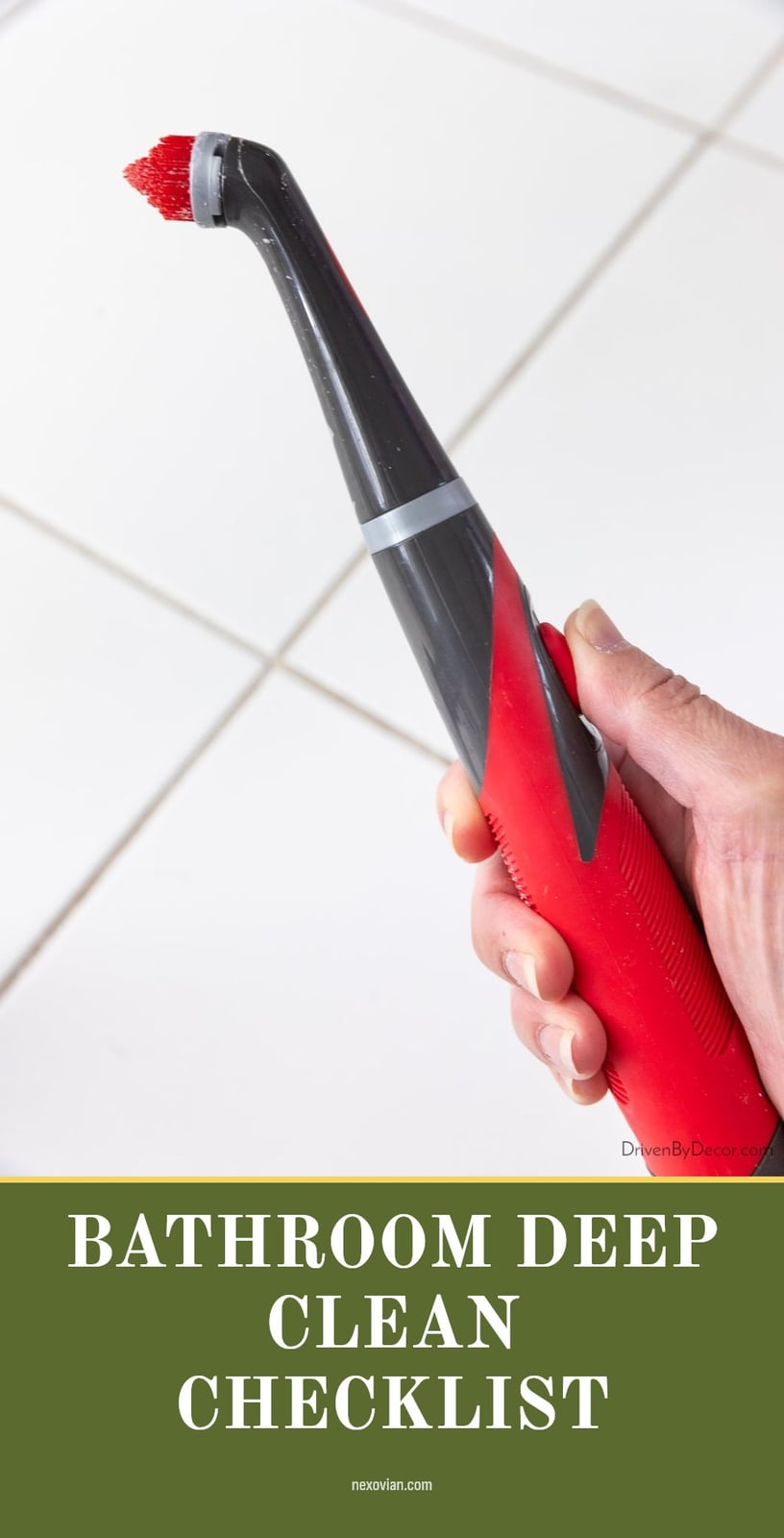
Start at the ceiling and work down so dirt falls onto surfaces you haven’t cleaned yet. Wear gloves and keep the room ventilated.
- Dust ceiling corners and light fixtures with an extendable duster.
- Clean the exhaust fan cover by vacuuming dust off the grille.
- Wash shower curtain and liner in the washing machine on gentle cycle.
- Spray showerhead with vinegar in a bag and let soak for 30 minutes.
- Scrub shower walls and door tracks with a non-abrasive cleaner.
- Clean grout lines using a grout brush and oxygen bleach paste.
- Wipe all cabinet fronts and handles inside and out.
- Disinfect the toilet inside the bowl, under the rim, and on the exterior.
- Clean the toilet base and floor around it with disinfectant.
- Scrub the sink and countertops with a bathroom-specific cleaner.
- Wipe mirrors and glass with a streak-free glass cleaner.
- Clean inside medicine cabinets and toss expired products.
- Disinfect light switches and doorknobs with a disinfectant wipe.
- Vacuum the floor moving furniture away from walls.
- Mop the floor using a microfiber mop and hot water.
Living Areas and Bedrooms Deep Clean Checklist
Dust always falls downward, so tackle high surfaces first and finish with the floor. Open curtains for natural light to spot missed spots.
- Dust ceiling fans using a pillowcase to catch the dust.
- Wipe light fixtures and lampshades with a dry microfiber cloth.
- Vacuum air vents and returns with a brush attachment.
- Wash walls and baseboards with a gentle sponge and warm water.
- Clean window sills and tracks with a vacuum crevice tool.
- Wipe window glass and blinds using a microfiber cloth and glass cleaner.
- Dust all furniture surfaces including legs and underneath items.
- Vacuum upholstery using the appropriate attachment for crevices.
- Shampoo carpets or area rugs following the manufacturer’s instructions.
- Pull furniture away from walls and vacuum behind and under it.
- Clean inside closets by wiping shelves and vacuuming the floor.
- Wipe down door frames and doors with an all-purpose cleaner.
- Dust decorative items and picture frames individually.
- Vacuum or sweep the floor starting in the farthest corner.
- Mop hard floors with a pH-neutral cleaner.
Hallways, Entryways, and Other Spaces Deep Clean Checklist
These spaces collect dirt from daily use, so focus on what you touch and walk past most.
- Wipe doors: Clean all door frames and doors from top to bottom.
- Disinfect doorknobs: Wipe every doorknob and light switch with disinfectant.
- Clean wood furniture: Dust, then polish wood pieces to restore shine.
- Empty trash cans: Wash each can with soapy water and let dry.
- Dust decor: Wipe decorative items, frames, and shelves.
- Clean baseboards: Scrub along hallways and entryways to remove scuffs.
- Vacuum floors: Start with loose dirt before mopping hard surfaces.
- Wash entry mats: Shake out and spot-clean doormats thoroughly.
- Clean light fixtures: Dust bulbs and covers in hallways and entries.
- Wipe switch plates: Remove grime from all wall plates.
- Clean closet doors: Wipe sliding and hinged doors completely.
- Dust vents: Vacuum air vents and returns in these areas.
- Clean stair rails: Wipe banisters and railings along stairs.
- Scrub entry floor: Mop tile or hard flooring with appropriate cleaner.
- Freshen shoe area: Wipe down shoe racks and bins.
Frequently Asked Questions
How often should I deep clean my home?
Most homes benefit from a deep clean at least twice a year, often seasonally. If you have pets, allergies, or heavy foot traffic, you might want to do it every three to four months. Listen to your home, if dust bunnies are appearing under furniture or grout looks dingy, it’s time.
What’s the difference between regular cleaning and deep cleaning?
Regular cleaning is what you do weekly: wiping counters, sweeping floors, and tidying up. Deep cleaning targets areas you don’t touch routinely, like scrubbing grout, cleaning inside appliances, washing walls, and detailing fixtures. It’s a more thorough reset that removes built-up dirt and grime.
Can I deep clean my whole house in one day?
It’s possible for a small apartment or if you’re very focused, but for most homes it takes one to several days. Trying to finish in one day often leads to burnout and missed spots. A better plan is to break it into a few sessions or tackle one room at a time over a weekend.
What are the most important areas to deep clean?
Focus on kitchens and bathrooms first. They see the most moisture and daily use, so they accumulate the most grime. Inside appliances, grout, and high-touch surfaces like doorknobs and light switches are also critical. Don’t forget under and behind furniture, where dust and allergens hide.
Final Thoughts
My tip: Start with the oven or another task that needs dwell time, then move to dusting while it sits. That way you’re always working on something. Expect a full deep clean to take at least a full day for a small home, and up to several days for larger spaces. It’s not a race. Once you’re done, routine maintenance feels much easier, and your home will genuinely feel cleaner.
This article is for general informational purposes only and does not constitute professional cleaning or safety advice. Always read and follow product labels, test cleaners on inconspicuous areas first, and consult a professional for persistent stains, mold, or damage. If you have health concerns related to cleaning products, speak with a medical professional.