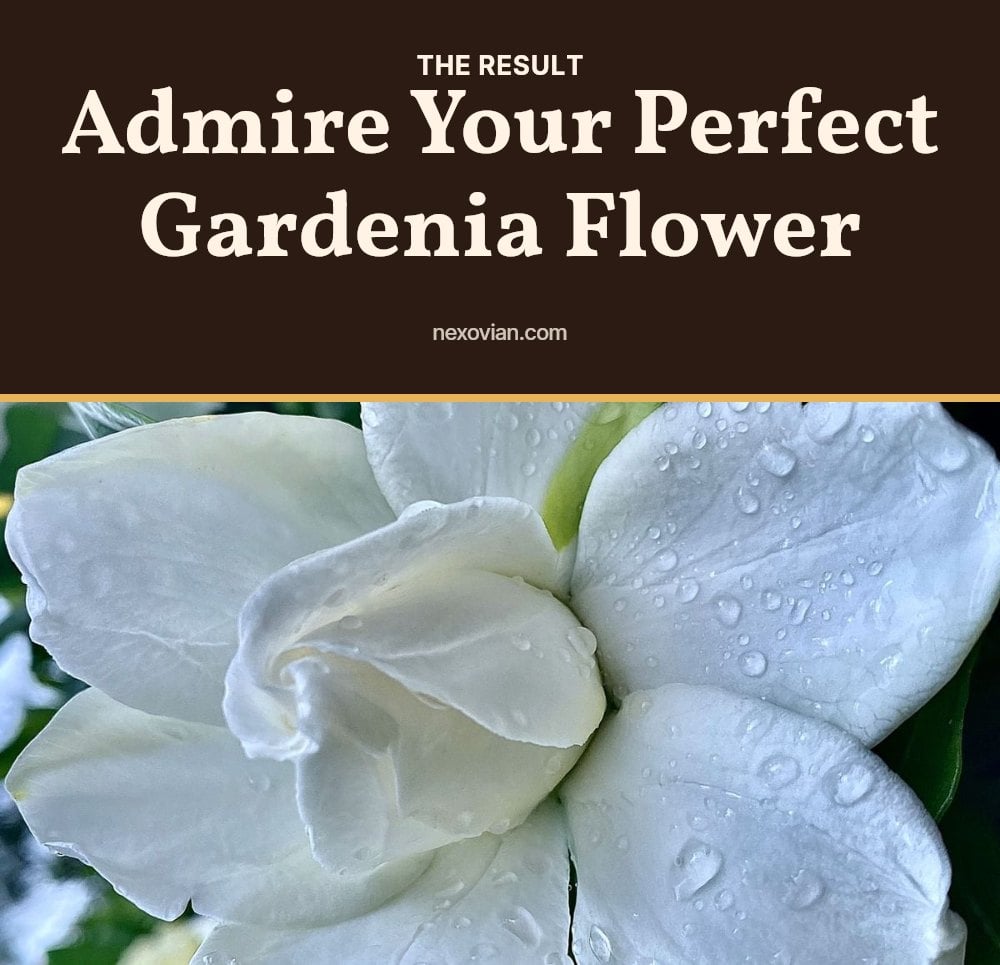
Gardenias are a dream for any gardener: glossy green leaves, intoxicating scent, and creamy white blooms that feel like a tropical escape. But let’s be honest, they can be a little demanding. If you’ve struggled with yellowing leaves or buds that drop before they open, you’re not alone. The good news is that with the right routine, these beauties thrive. This article walks you through the essential tools, a step-by-step care method, common mistakes to avoid, and expert tips to keep your gardenia blooming from late spring through summer.
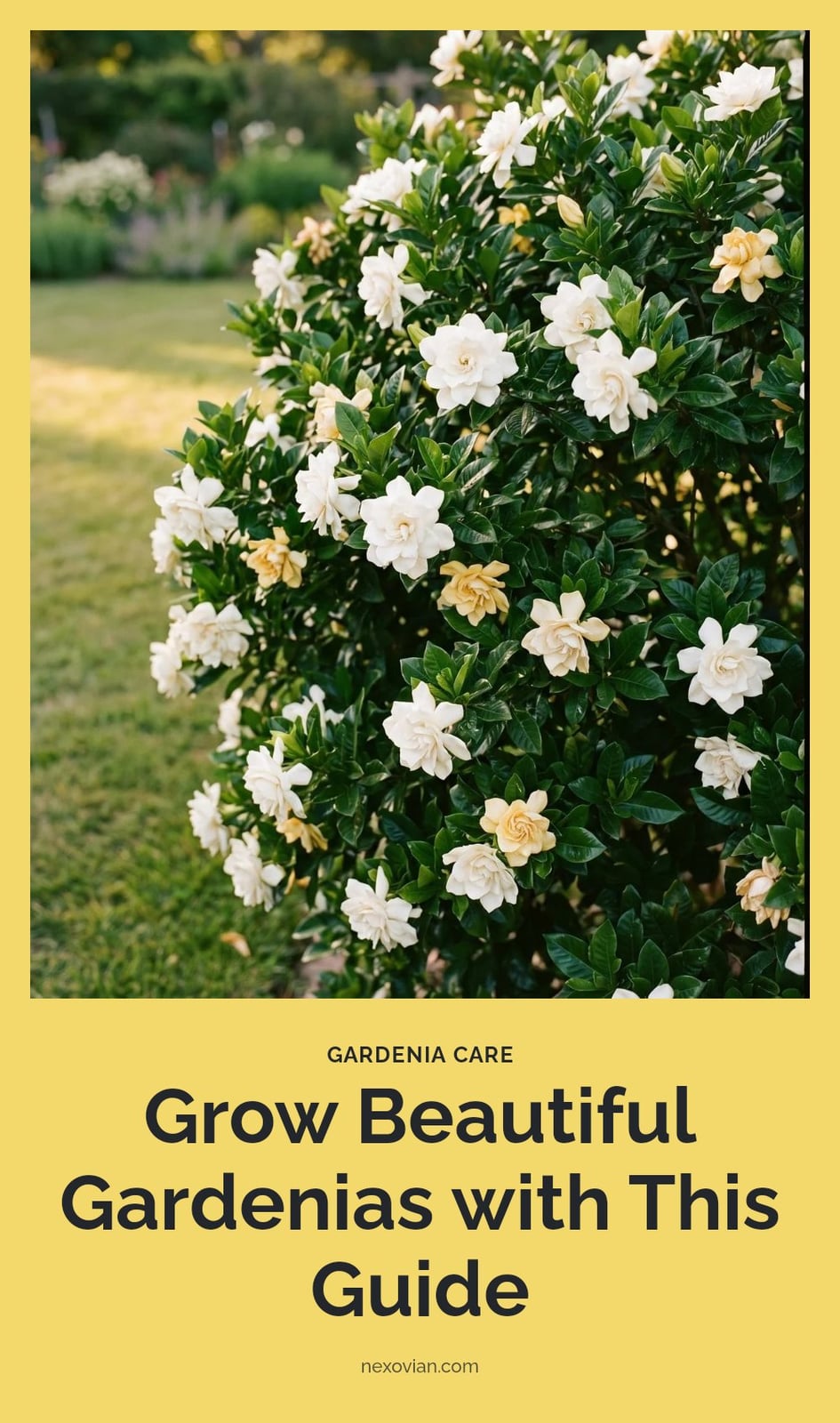
Key Takeaways
- Keep soil pH between 5.5 and 6.5 using acidifier or chelated iron twice a month.
- Water when the top 2 to 3 inches of soil are nearly dry, checking almost daily.
- Provide 4 to 5 hours of morning to midday sun, with afternoon shade in heat.
- Maintain 55% to 60% humidity; protect if it drops below 40%.
- Prune after flowering, no later than late summer, to avoid removing next year’s buds.
Essential Tools and Materials for Gardenia Care
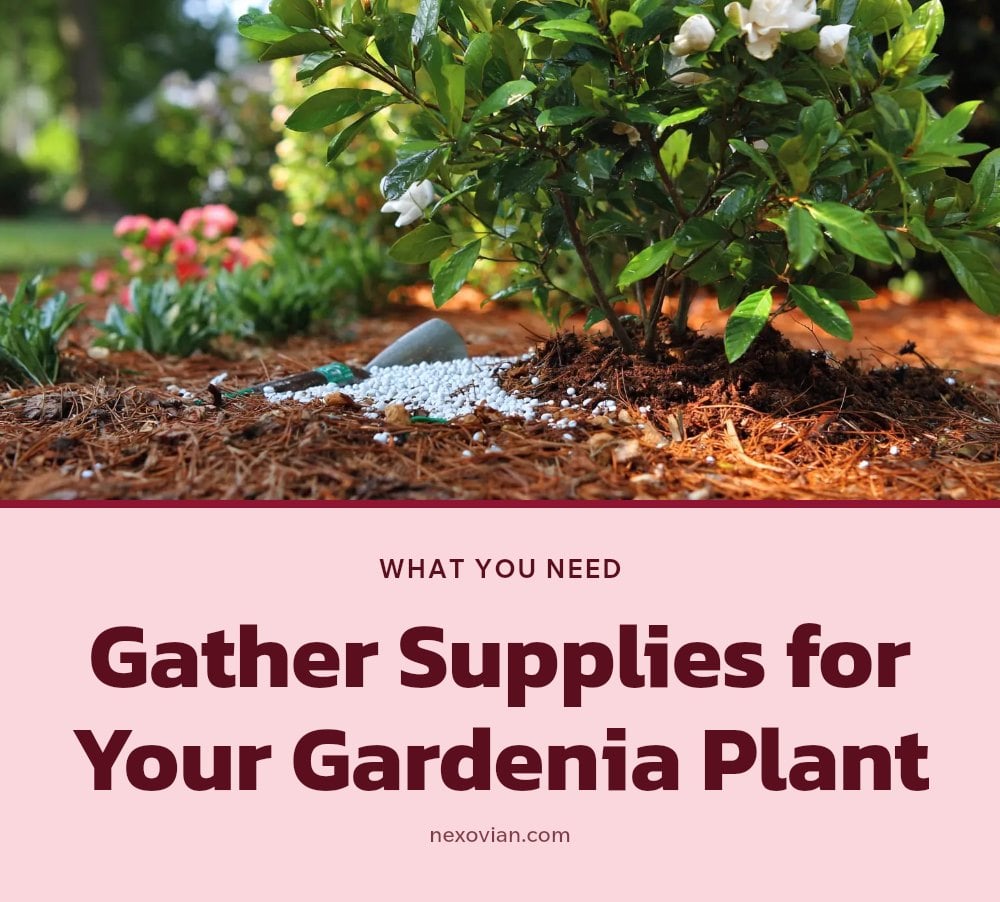
Before you start, gather the right supplies. An acidic potting mix or soil amendments like peat moss or pine bark are non-negotiable for the correct pH. You will also need an acid-loving plant fertilizer to provide the specific nutrients gardenias crave. Pruning shears are essential for shaping and encouraging new growth after blooming. A layer of mulch, such as pine needles or bark chips, helps retain moisture and regulate soil temperature. Keep pest control solutions like neem oil or insecticidal soap on hand for prevention and treatment. For indoor plants, a hygrometer is useful for monitoring humidity levels.
Step-by-Step Guide to Thriving Gardenias
Gardenias reward a routine more than they reward effort. Follow these seven steps in order, and repeat them through the growing season rather than in one big push.
- Check soil pH: Keep it between 5.5 and 6.5. Use a soil acidifier or chelated iron twice a month, or acidic organic fertilizers such as cow compost, leaf manure, and neem cake solution. Unmanaged pH is a common cause of gardenia problems, and pale new leaves often point to iron locked up by soil that is too alkaline.
- Fertilize during blooming: In summer, switch to potassium and phosphorus-rich organic options such as fish meal, fish emulsion, bone meal, or horn meal. They supply micronutrients like boron that support flower development.
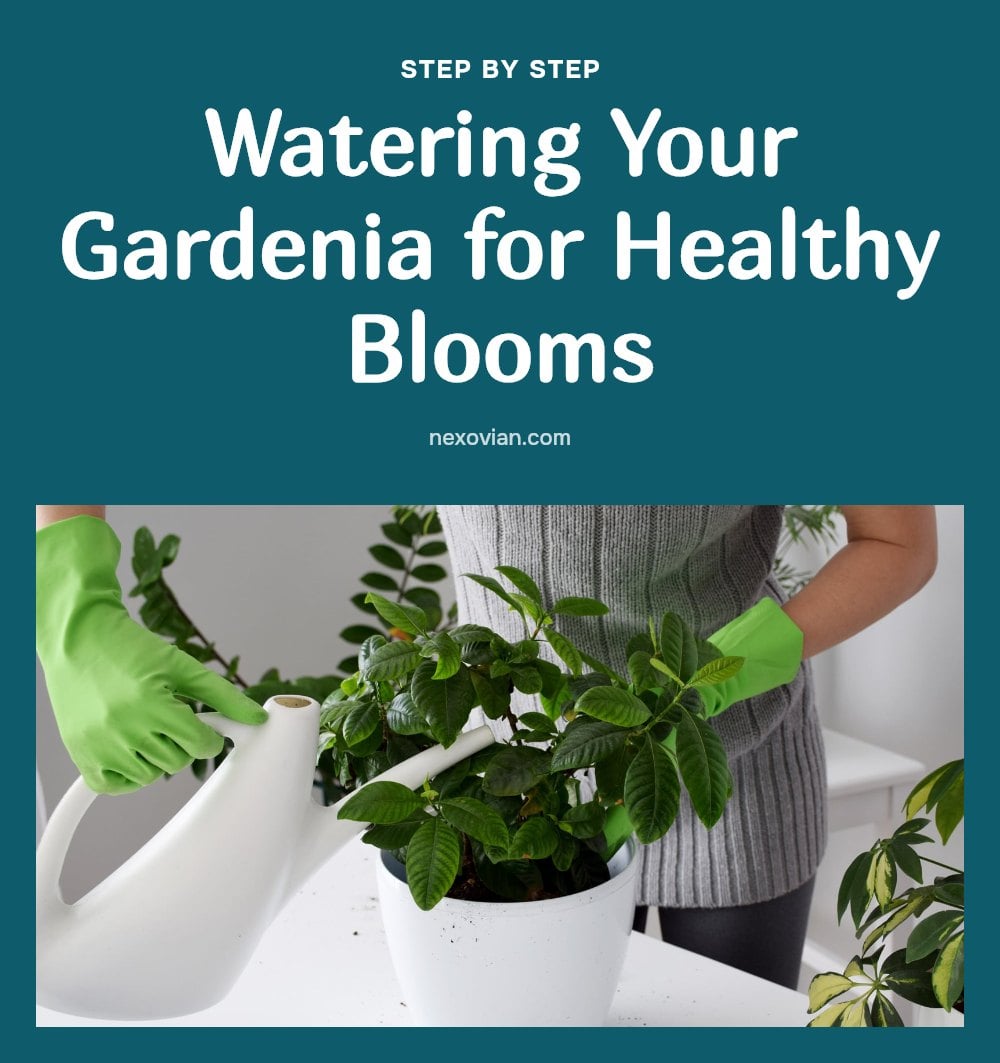
- Water when nearly dry: Water once the top 2 to 3 inches of soil feel nearly dry, and check moisture almost daily. Both overwatering and underwatering can make buds drop.
- Use the right soil: Plant in acidic, organically rich, well-draining loamy soil that lets water drain within 3 minutes but still holds moisture. A potting mix made for azaleas and roses works well in containers.
- Maintain humidity: Aim for 55% to 60% humidity. Protect the plant if it drops below 40%, especially in winter, when dry air can cause heavy leaf drop.
- Provide proper light: Give gardenias 4 to 5 hours of direct morning to midday sun. Shield them from intense late afternoon sun when summer temperatures climb above 98.6°F (37°C); in cooler regions, full sun is fine.
- Prevent pests and disease: Spray neem solution twice a month, especially around the flower buds, and apply a mild fungicide once a month to control root rot.
My tip: Put the pH check and the neem spray on the same calendar day so neither gets skipped.
Here is the method in action: Plantalogy demonstrates it in about 6 minutes.
Common Gardenia Care Mistakes and How to Fix Them
Planting in alkaline soil: Always test your soil pH and amend it to be acidic (5.5-6.5) with peat moss or specific acidifiers. Alkaline soil causes nutrient deficiencies and yellowing leaves.
Inconsistent watering: Gardenias need consistently moist soil. Check daily and water when the top few inches are dry, but never let the plant sit in standing water to avoid root rot.
Insufficient humidity: Especially for indoor plants, use a humidifier or pebble tray to maintain humidity at 55-60%. Low humidity leads to bud drop and leaf issues.
Over-fertilizing or wrong fertilizer: Use an acid-loving plant fertilizer according to package directions only during the growing season. Too much or the wrong type can harm the plant.
Too much shade: Gardenias need ample light for blooms. Aim for 4-5 hours of morning sun; afternoon shade is fine in hot climates. Too little light results in fewer flowers.
Pruning at the wrong time: Prune only after the plant has finished flowering to avoid cutting off next year’s buds. Late pruning removes future flower buds.
Expert Tips for Happy and Healthy Gardenias
Mulch around outdoor gardenias: Use pine needles or bark chips to retain soil moisture, regulate temperature, and slowly acidify the soil. This simple step reduces stress on the plant.
Monitor for pests: Regularly inspect leaves and buds for aphids, mealybugs, whiteflies, and spider mites. Treat them promptly with neem oil or insecticidal soap.
Repotting potted gardenias: Every 2-3 years, repot container gardenias to refresh the soil and give roots more space, ensuring the new pot is only slightly larger.
Use rainwater: If possible, collect and use rainwater for your gardenias, as it often has a lower pH than tap water. This helps maintain the acidic conditions they prefer.
Maintaining Your Gardenia’s Beauty Year-Round
After the flowering cycle ends, prune your gardenia to shape it and remove spent blooms. This encourages new growth and keeps the plant compact for the current season. Use clean pruning shears and cut just above a leaf node. Caution: Prune no later than late summer or early fall, as cutting too late can remove next year’s flower buds.
In USDA Zone 7 or colder, protect your gardenia in winter. Heavily mulch outdoor plants or move potted ones to a cool, bright indoor spot. Avoid drastic temperature swings, as gardenias prefer stable conditions.
Monitor for yellowing leaves, which often signal iron deficiency or incorrect soil pH. Test the soil and adjust with chelated iron or an acidifier. Keep the environment consistent to prevent stress and bud drop.
Frequently Asked Questions
Why are my gardenia leaves turning yellow?
Yellowing leaves, especially new ones, often point to an iron deficiency caused by soil pH being too high. Gardenias need acidic soil (pH 5.5 to 6.5) to absorb iron properly. Test your soil pH and amend with a soil acidifier or chelated iron. Inconsistent watering can also raise pH, so keep moisture steady.
How often should I water my gardenia plant?
Water when the top 2 to 3 inches of soil feel nearly dry, which you should check almost daily. Depending on your climate and pot size, this might mean every 2 to 3 days, but always test first. Avoid letting the soil dry out completely, and never let it stay waterlogged, as that can cause root rot.
Can gardenias grow indoors?
Yes, gardenias can grow indoors if you meet their needs: bright light from a sunny window, high humidity (55% to 60%), and consistent moisture. Indoor air is often dry, especially in winter, so use a humidifier or pebble tray. Repot every 2 to 3 years to refresh soil and prevent root crowding.
When is the best time to prune gardenias?
Prune right after the flowering cycle ends, typically in late summer. This gives the plant time to produce new growth that will bear next year’s buds. Avoid pruning too late in the season, as you could cut off developing flower buds. Use clean shears and cut just above a leaf node.
What are common gardenia pests?
Watch for aphids, mealybugs, whiteflies, and spider mites. These pests can stress the plant and cause bud drop. Inspect leaves and buds regularly, especially before flowering. Spray a neem solution twice a month as a preventive, and treat infestations promptly with insecticidal soap or neem oil.
Final Thoughts
My tip: build your care routine around the seven steps and stick to them consistently. Start by testing and adjusting your soil pH, then water only when the top few inches dry out, and give your plant that morning sun with afternoon shade in hot climates. Expect to see steady growth and blooms through the season if you stay on top of humidity and pest prevention. Gardenias aren’t a set-and-forget plant, but with regular attention, they reward you with stunning flowers and fragrance that make it all worth it.
This article is for general informational purposes only and is not a substitute for professional gardening advice. Every garden and plant is unique, so results may vary. If you encounter persistent problems like severe pest infestations or disease, consult a local nursery or extension service for guidance tailored to your area.