
Thinking about homeschooling your kids? You’re not alone, and it’s a big decision that comes with a lot of questions. This guide breaks down the essential first steps, from understanding your state’s legal requirements to picking a teaching approach that fits your family. You’ll also find practical tips on materials, scheduling, and avoiding common pitfalls to help you start with confidence.
Whether you’re just exploring the idea or ready to dive in, this article gives you a clear roadmap to get started on the right foot.
Key Takeaways
- Research your state’s homeschooling laws first, as requirements vary widely.
- Choose a curriculum that fits your child’s learning style and your family’s values.
- Create a dedicated learning space and establish a flexible routine.
- Connect with local homeschooling groups for support and socialization.
- Keep accurate records of attendance, curriculum, and progress as required.
What is Homeschooling and How Do I Start?
Homeschooling means taking on the role of your child’s primary educator at home, and it’s legal in all 50 states. The catch is that each state sets its own rules, so your first step is researching those specific requirements. From there, you’ll choose a curriculum and set up a learning space. The payoff is real flexibility and a personalized education, but it does demand serious time and organization from you.
Step-by-Step: Your Homeschooling Journey Begins
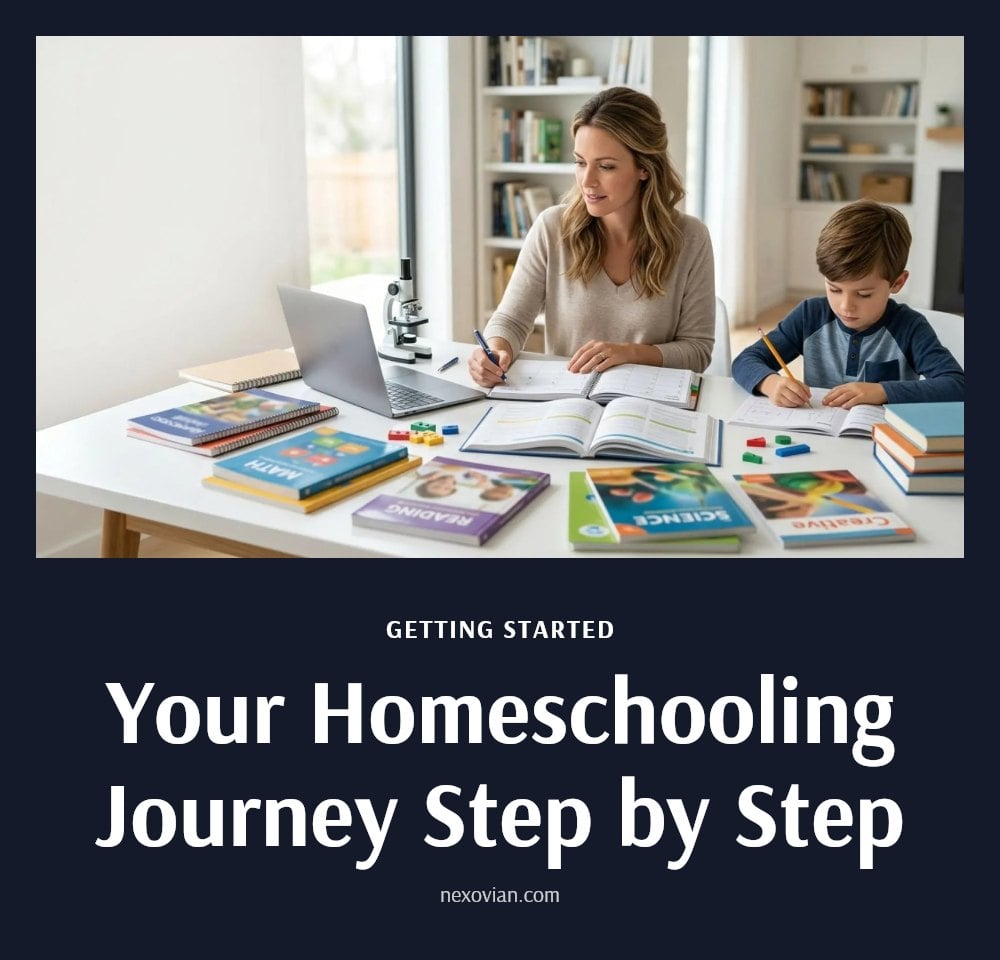
Starting your homeschooling journey is a process, not a race. Here are the steps I recommend based on what I’ve seen work for other families.
- Research your state laws: This is non-negotiable. Homeschooling regulations vary widely. Some states require a simple notification, others demand a portfolio review or standardized testing. Start at your state’s department of education website.
- Choose your approach and curriculum: Research and select a curriculum that fits your child’s learning style and your family’s values. Read about different methods like unschooling, Classical education, or Charlotte Mason. The 2-4 hour daily instruction guideline is a general starting point, but some methods, like Charlotte Mason, use shorter, more frequent lessons. Pick a curriculum that matches your chosen approach.
- Set up a learning space: You don’t need a full classroom, but a dedicated, organized area helps. A table with storage for supplies and a whiteboard on the wall can be enough. Keep it tidy so it invites focus.
- Create a flexible routine: A consistent schedule gives structure, but leave room for life. Many families find 2-4 hours of direct instruction works well as a general guideline, especially for younger kids, though some methods may involve shorter instructional periods. You can adjust as you go.
- Connect with other homeschoolers: Join a local co-op or an online group. These communities offer support, share resources, and arrange group activities. My tip: start this step early; it makes a huge difference.
- Keep thorough records: Track attendance, what you cover, and your child’s progress. Some states require this by law. Even if yours doesn’t, it helps you see the big picture and is useful if your child ever re-enters traditional school.
Essential Materials and Tools for Homeschooling
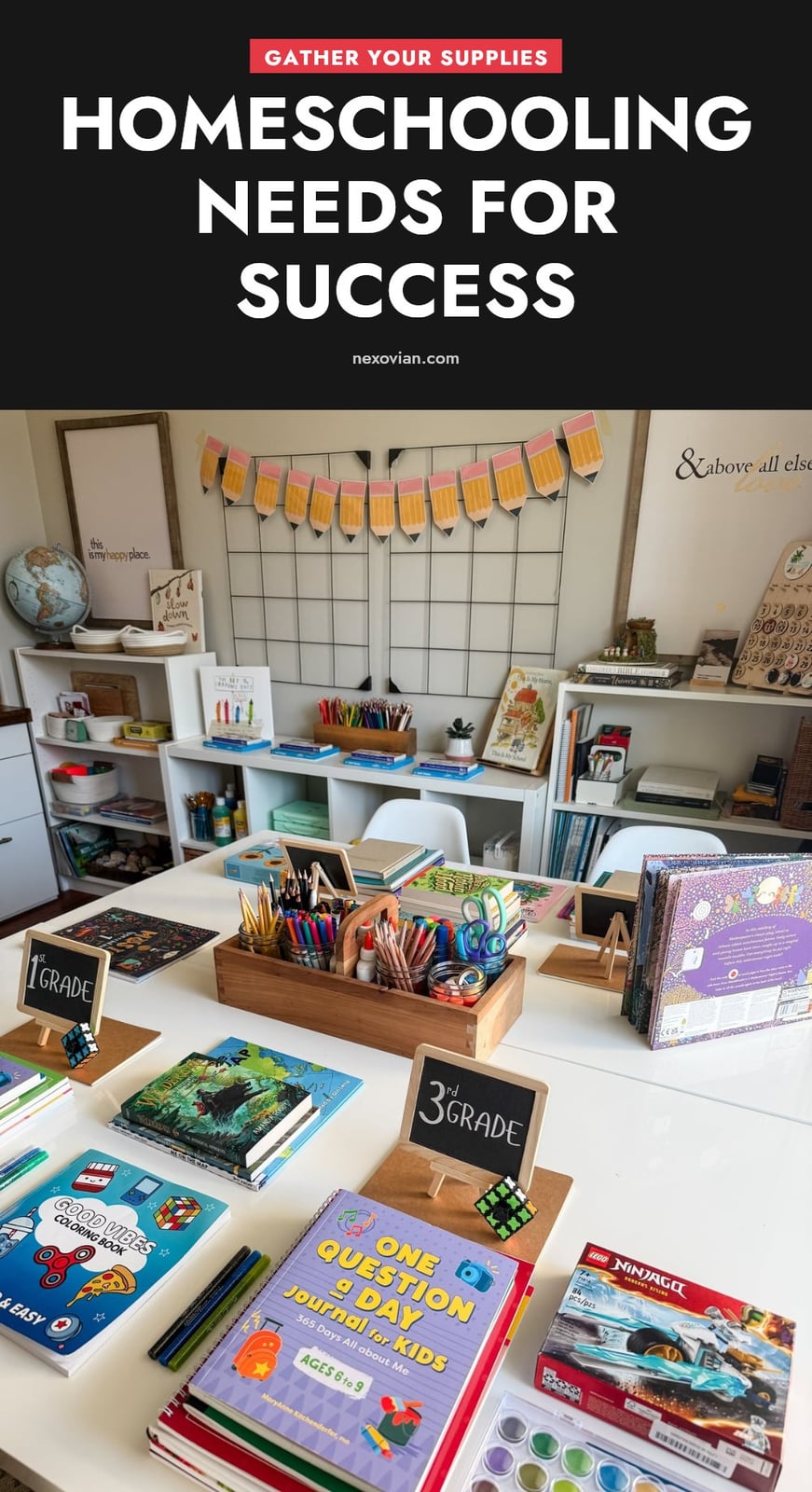
Once you have chosen your approach, you can select and gather the materials that fit it. Here is what you will likely need.
- Curriculum materials: Textbooks, workbooks, or an online program that matches your chosen method.
- Educational supplies: Pens, paper, art supplies, and math manipulatives like counters or blocks.
- Books: A mix of fiction and non-fiction for different subjects. Library trips help keep costs down.
- Technology: A computer or tablet with internet access and a printer for worksheets and projects.
- Learning aids: A whiteboard or chalkboard for visual lessons. It is great for explaining new concepts.
- Organization: Bins, shelves, or a cart to store materials and keep your space tidy.
- Library card: Free access to books, e-books, audiobooks, and sometimes online learning databases.
Choosing Your Homeschooling Approach
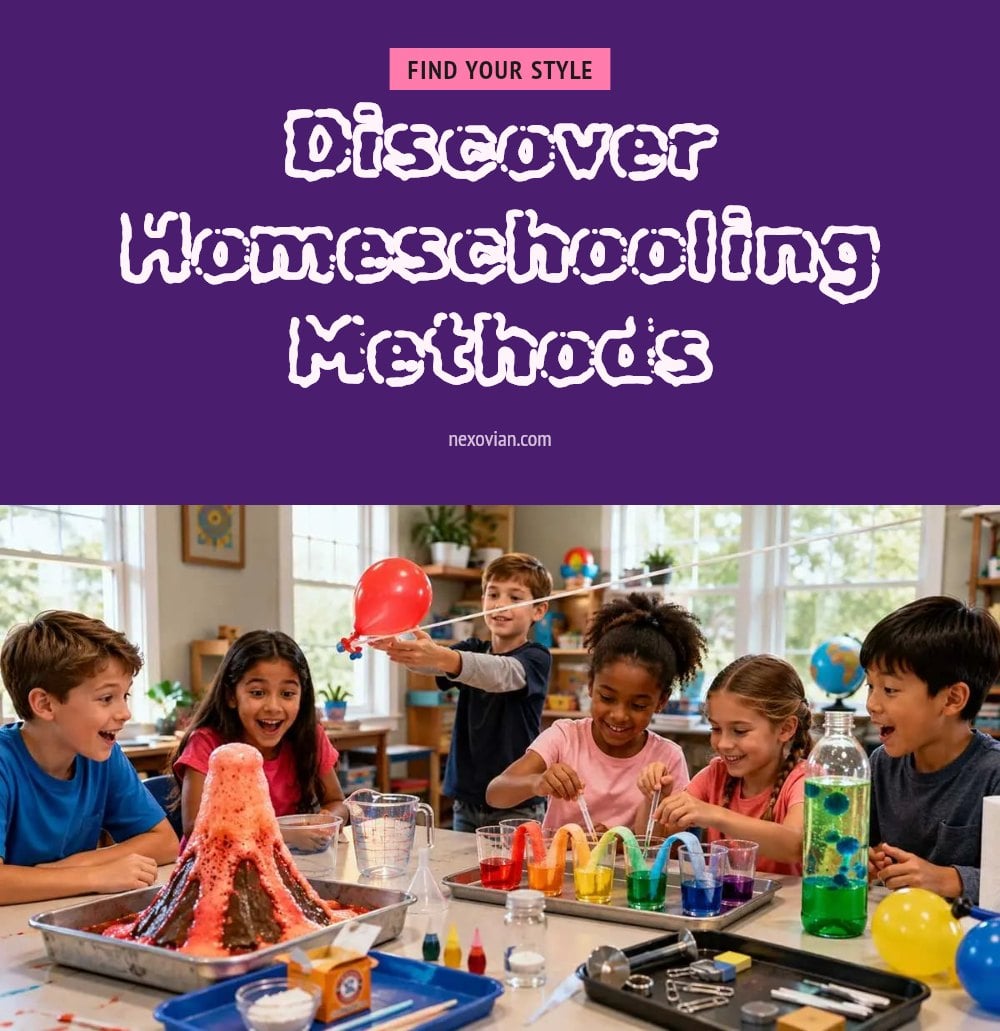
There is no single right way to homeschool. The best approach is the one that fits your child and your family. Here are the most common methods.
Unschooling
Learning is child-led and driven by their natural interests. You follow their curiosity rather than a set curriculum. It works well for self-motivated kids but requires you to be comfortable with a less structured path.
Classical
This is a structured, literature-heavy method based on the trivium: grammar, logic, and rhetoric stages. It emphasizes critical thinking and great books. Expect a rigorous schedule and lots of reading aloud.
Charlotte Mason
Short lessons, living books (well-written narratives), nature study, and habit formation are the core. The idea is to give children a broad feast of ideas and let them narrate back what they learned. My tip: This method is gentle but requires good planning to find quality living books.
Montessori
Hands-on, self-directed learning with specialized materials. The environment is prepared so children can choose activities that match their developmental stage. It fosters independence but can be expensive if you buy authentic materials.
Unit Studies
All subjects are taught around a central theme, like ancient Egypt or the solar system. Reading, math, art, and science all connect to that topic. It’s engaging and great for multi-age families, but you need to plan each unit carefully.
Common Homeschooling Mistakes to Avoid
Not understanding state laws: Every state has its own requirements for notification, record-keeping, and subjects. Skipping this step can lead to legal trouble. Always verify your state’s specific rules before you begin.
Trying to replicate public school: You don’t need a full classroom setup or a bell schedule. Homeschooling works best when you adapt the environment to your child, not the other way around.
Neglecting socialization: Your child still needs time with peers. Seek out local co-ops, sports teams, or community clubs so they build friendships outside the home.
Overspending on curriculum: Start small with what you already have or can borrow. Library books, open-source programs, and used materials are often enough to cover core subjects. Add paid resources only if you find a real gap, not out of pressure to buy a full set.
Comparing your journey: Every family’s routine and pace look different. Focus on what works for your child instead of measuring against someone else’s day.
Forgetting self-care: You are the teacher, planner, and parent all in one. Schedule time for yourself to avoid burnout. A rested you makes for a better learning environment.
Practical Tips for a Smooth Homeschooling Experience
Prioritize individual needs: Tailor lessons to your child’s interests and natural pace. If they love dinosaurs, use that theme to teach math, reading, and science.
Embrace flexibility: Life happens. If a field trip opportunity comes up or someone is sick, shift your schedule. That’s one of the biggest perks of homeschooling.
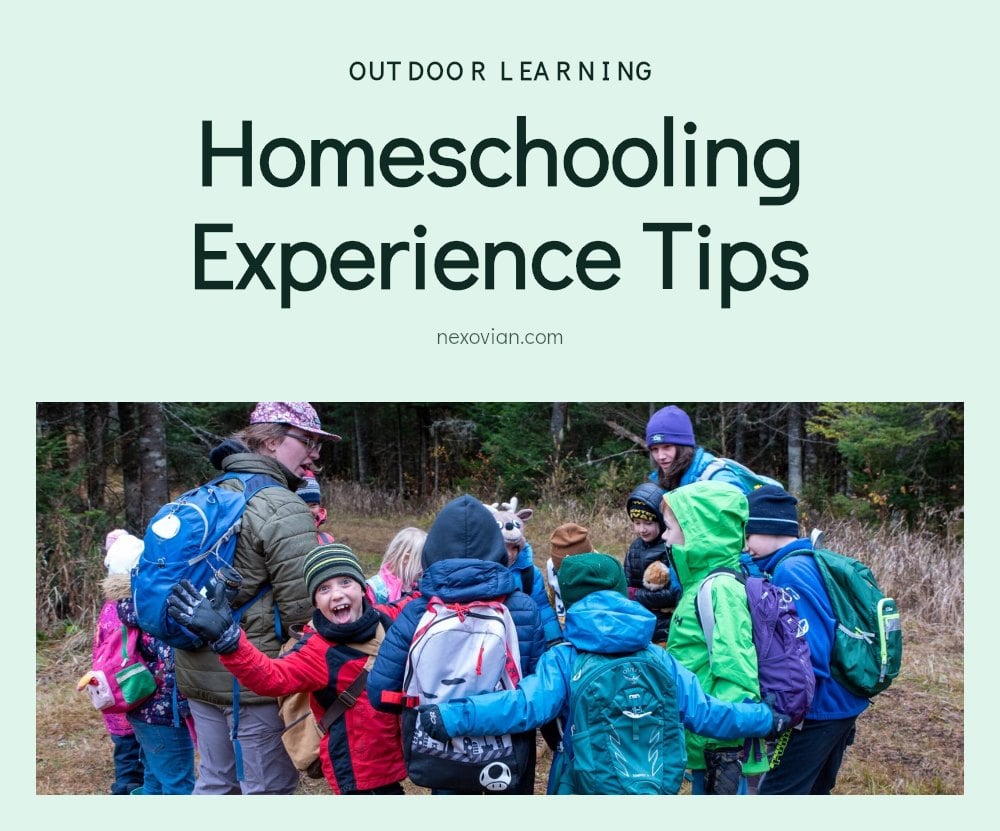
Seek out community: Join a local co-op, library group, or online forum. Other parents share curriculum reviews, activity ideas, and moral support.
Utilize public resources: Some school districts let homeschoolers borrow textbooks, join sports teams, or take certain classes. Call your local district to ask what’s available.
Budget wisely: Plan for curriculum, supplies, and extracurriculars ahead of time. Look for used materials and free online resources to stretch your dollars.
Take breaks: Schedule downtime for both you and your children. A short break mid-morning or a quiet afternoon once a week helps everyone recharge.
Homeschooling Timeline and Cost Considerations
Initial Setup: Expect several weeks to a few months for research, planning, and gathering materials. This includes understanding your state’s laws, choosing an approach, and setting up your space.
Ongoing Adjustments: Homeschooling is a continuous learning process. You will likely tweak your schedule, switch resources, or change methods as you see what fits your child.
Curriculum Costs: After you select a curriculum, budget for its cost. Options range from free (using the library, open-source programs) to several hundred dollars per child annually for a full package.
Supply Costs: Budget for consumables like paper, pens, art supplies, and project materials. These add up over the year.
Extracurriculars: Factor in costs for sports, clubs, music lessons, or field trips. Fees vary widely by activity and location.
Resource Access: Many public school districts offer resources or allow homeschoolers to participate in certain classes or activities, which can reduce your overall costs.
Safety and Well-being in Your Homeschool Environment
Online Safety
Ensure any online platforms your child uses are age-appropriate and secure. Monitor screen time and set clear boundaries for internet use. Use parental controls if needed.
Hands-On Projects
When doing science experiments or crafts, follow all safety guidelines for materials and tools. Keep a first-aid kit nearby and supervise closely.
Legal Procedures
If you are withdrawing your child from public school, complete all official procedures with the district to avoid truancy issues. Keep copies of your withdrawal letter and any required forms.
Balanced Schedule
Prioritize a schedule that includes physical activity and social interaction. A healthy routine supports both learning and well-being.
Frequently Asked Questions
Do I need a teaching degree to homeschool?
No, homeschooling parents typically do not need a teaching degree. However, a strong commitment to your child’s education is essential. You’ll be responsible for planning lessons, teaching, and assessing progress, so patience and organization go a long way.
How do homeschooled children socialize?
Homeschooled children can socialize through co-ops, sports teams, clubs, and community activities. Many families also join local homeschooling groups for regular meetups and field trips. These opportunities help kids build friendships and develop social skills in a natural way.
What is unschooling?
Unschooling is a child-led approach to education where learning is driven by the child’s natural interests and curiosity. Instead of following a set curriculum, parents facilitate learning experiences based on what the child is passionate about, whether that’s dinosaurs, coding, or cooking.
Can homeschooled children go to college?
Yes, homeschooled students can and do attend college. They go through the same application process as other students, and many colleges actively recruit homeschoolers. You’ll need to keep good records and transcripts, and some families choose to take standardized tests like the SAT or ACT to support applications.
How much does homeschooling cost?
The cost of homeschooling varies widely. You can start with free resources like the library and online programs, or invest in a full curriculum package. Many families budget for supplies, extracurriculars, and field trips. It’s possible to homeschool on a tight budget, but it’s wise to plan ahead.
Final Thoughts
Starting homeschooling is a journey, not a sprint. My tip: give yourself permission to take it slow, research thoroughly, and adjust as you go. Don’t expect perfection right away; it’s okay to make changes along the way. Remember that many families find their rhythm within the first few months, and the flexibility and personalization can be incredibly rewarding. Trust yourself, stay organized, and lean on the homeschooling community when you need support. You’ve got this.
This article provides general information and is not a substitute for professional advice. Homeschooling laws and requirements vary by state, so always consult your local education authority or a legal professional for guidance specific to your situation. If you have concerns about your child’s education or well-being, seek advice from a qualified expert.

