
You want glowing skin and healthy hair without a cabinet full of products. Rose water might be the simple, natural ingredient you have been looking for. This article covers seven ways to use it in your routine, from a refreshing toner to a calming hair rinse, plus the common mistakes to avoid so you get real results.

Key Takeaways
- Use pure, unsweetened rose water with no added fragrances, dyes, or preservatives.
- Always do a patch test before applying rose water to your face or scalp.
- Store rose water in a cool, dark place or refrigerator to keep it fresh longer.
- Try a final rinse with rose water after shampooing to soothe scalp and add shine.
- Mix rose water into DIY face masks instead of tap water for extra soothing benefits.
How Rose Water Transforms Your Skin and Hair
Rose water is made by steam-distilling fresh rose petals, which leaves behind a gentle liquid rather than a strong extract. It brings antioxidants that help protect skin cells from damage, plus anti-inflammatory effects that can calm redness and irritation. As a mild astringent it tightens pores, and it hydrates both skin and hair. Its pH sits around 4.5 to 5.5, close to healthy skin, so it works as an alcohol-free toner or a daily soothing mist.
1. As a Refreshing Facial Toner

After you cleanse, soak a cotton pad with pure rose water and swipe it across your face and neck. The pad picks up residue your cleanser left behind, and the mild astringent action tightens pores along the way. Because it is alcohol-free, it balances your skin’s pH without the tight, stripped feeling a harsh toner leaves. Skin feels fresh and ready for moisturizer.
- How to apply: swipe upward and outward, then let it dry for about 30 seconds before serum.
- Good to know: a cotton pad works better than fingers here because it also lifts leftover cleanser.
2. A Soothing Face and Body Mist
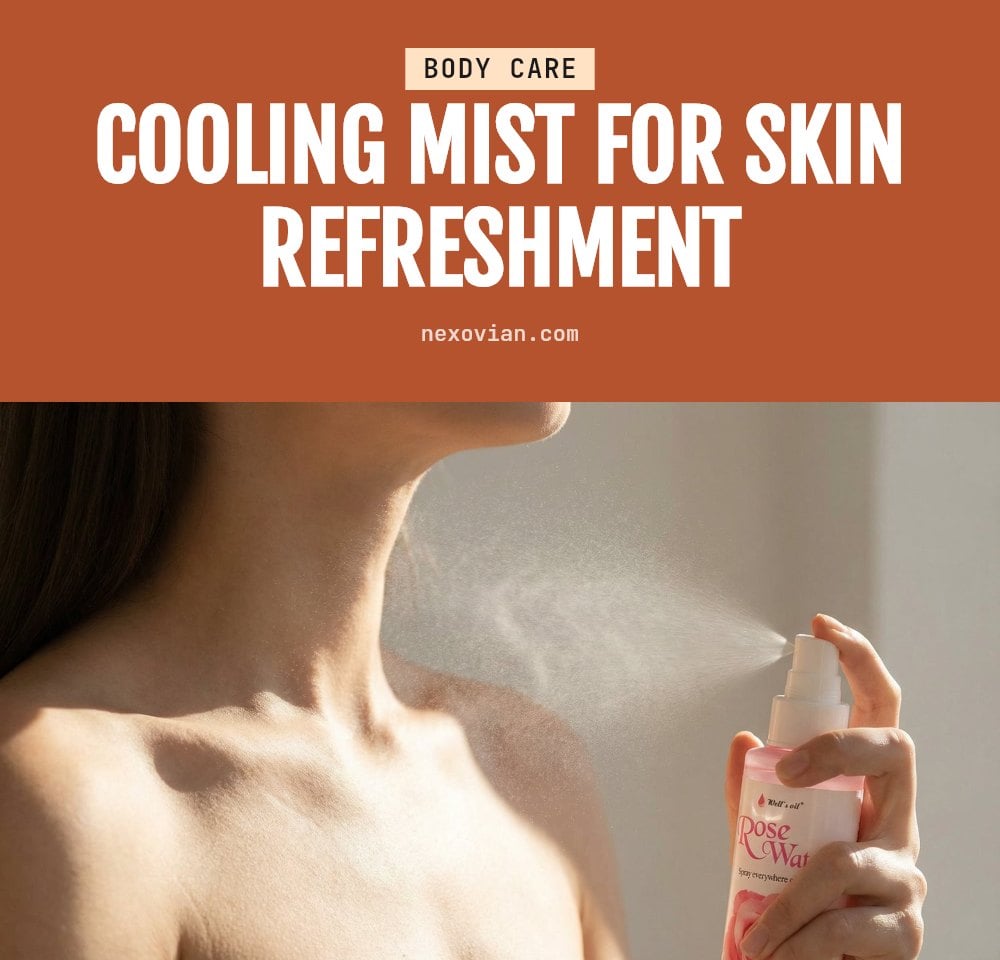
Pour pure rose water into a clean spray bottle and keep it within reach. A few mists over your face and body give an instant hit of hydration and a soft rose scent that many people find calming. It doubles as a makeup setting spray, since the light moisture helps powder settle without looking heavy. Use it to refresh tired skin at your desk, after a workout, or on a hot afternoon.
- Tip: hold the bottle about 8 inches from your face and close your eyes before you spray.
- Good to know: a chilled bottle feels better on warm, flushed skin.
3. Calming Scalp and Hair Rinse

After shampooing and conditioning, pour rose water over your hair and scalp as a final rinse, then leave it in or rinse lightly. It can soothe an irritated scalp and help with mild dandruff, and it leaves strands with a natural shine. Hair feels soft and hydrated rather than coated. Keep the bottle in the shower so the step becomes part of your wash routine.
- Pro move: work it into the scalp with your fingertips for 30 seconds before rinsing.
4. DIY Face Mask Base
Use rose water as the liquid in your mask instead of tap water: mix it with clay until you get a spreadable paste, or stir a spoonful into honey or aloe vera gel. The anti-inflammatory properties carry into the mix, so the mask soothes sensitive or irritated skin while it sits.
- Clay: add rose water a little at a time; too much turns the paste runny.
- Honey or aloe: one spoonful of rose water thins a thick texture.
- Timing: keep the mask on for 10 minutes, then rinse with lukewarm water.
5. Soothing Eye Compress
Chill pure rose water in the refrigerator, soak two cotton pads in it, and place them over your closed eyelids for 10 to 15 minutes. The cold plus the anti-inflammatory properties can help reduce puffiness and soothe tired eyes.
Lie down so the pads stay put, and keep the liquid out of your eyes; if any gets in, rinse with plain water. Use this after a short night or a long screen day, and the eye area feels refreshed rather than tight.
6. Luxurious Bath Additive
Pour a cup of pure rose water into a warm bath and swirl it through the water before you get in. The gentle scent promotes relaxation, and the hydrating properties leave skin feeling soft and subtly fragranced when you step out.
Add it last, right before soaking, so the aroma stays in the tub instead of fading while the water runs. Pat skin dry afterward rather than rubbing, then follow with moisturizer to lock the softness in.
7. Gentle Makeup Remover
Dampen a cotton pad with pure rose water and gently wipe away light makeup, working around the eyes with a soft press and hold rather than a rub. It is a mild alternative to harsh removers and hydrates skin while it cleans.
Caution: it will not tackle waterproof mascara or long-wear foundation. For those, use your usual remover first, then sweep rose water over the skin to lift any residue.
Common Rose Water Mistakes to Avoid
Most disappointing results with rose water come down to the product or the method, not the flower itself. These are the slips I see most often.
- Using impure products: Read the ingredient list and look for rose water and nothing else. Added fragrance, dyes, or alcohol can irritate skin, and alcohol works against the hydration you came for.
- Expecting a cure-all: It soothes and hydrates, but it will not clear severe acne, eczema, or hair loss. For anything persistent, see a dermatologist.
- Skipping a patch test: Natural does not mean reaction-free. Apply a little to your inner forearm and wait 24 hours before using it on your face or scalp.
- Improper storage: Keep the bottle in a cool, dark spot or the refrigerator, and toss it if the color or smell changes.
- Confusing it with essential oil: Rose water is far milder than concentrated rose essential oil, which needs dilution. Do not swap one for the other.
Frequently Asked Questions
What is the best type of rose water to use?
Choose pure rose water that lists only rose water as the ingredient. Avoid products with added fragrances, dyes, or preservatives, and never use rose water that contains alcohol, which can dry out your skin. Food-grade options are safe if you plan to ingest it.
Can rose water help with acne?
Rose water’s mild astringent and anti-inflammatory properties may help calm redness and tighten pores, which can support acne-prone skin. It is not a treatment for severe acne, but it can be a gentle addition to a routine focused on balancing and soothing skin.
How often should I use rose water?
You can use rose water daily as a toner after cleansing, or mist it on your face and hair as needed for a hydration boost. For hair rinses, once or twice a week is enough. If you experience any irritation, reduce frequency or stop use.
Can I make my own rose water at home?
Yes, you can make rose water at home by steaming fresh, pesticide-free rose petals in a pot with water and collecting the condensed liquid. Store it in a clean, airtight container in the refrigerator, and use it within a week to avoid spoilage.
Is rose water safe for all skin types?
Rose water is generally safe for most skin types, including sensitive and dry skin, because it has a pH similar to healthy skin and is alcohol-free. However, if you have a known allergy to roses or floral ingredients, do a patch test first or avoid use.
Final Thoughts
For the most reliable results, stick with pure rose water and use it consistently as a toner or mist. You may notice hydration and soothing effects right away, while improvements in skin tone or scalp health can take a few weeks. My tip: keep a spray bottle in your bag for a quick, calming refresh anytime.
This article is for general informational purposes only and does not constitute medical or professional advice. Results can vary based on individual skin and hair types. If you have a persistent skin condition, allergy, or concern, consult a dermatologist or healthcare professional before use.

