Frontal hairstyles are all about the hairline: the cut, fringe, and part that sit closest to your face and set the tone for everything behind them. This year the shift is toward soft face-framing layers and curtain bangs, with lived-in color and glossy natural texture replacing flat-ironed ends.
You get 20 frontal hairstyles, from blunt bobs that need a trim every six weeks to braided looks that hold for days. There is a length and texture here for fine hair that falls flat, a fringe that will not sit, and a visible grow-out line. Find the one that matches your routine.
The 20 looksOpen list +
Sharp Asymmetrical Bob With Side-Swept Bangs
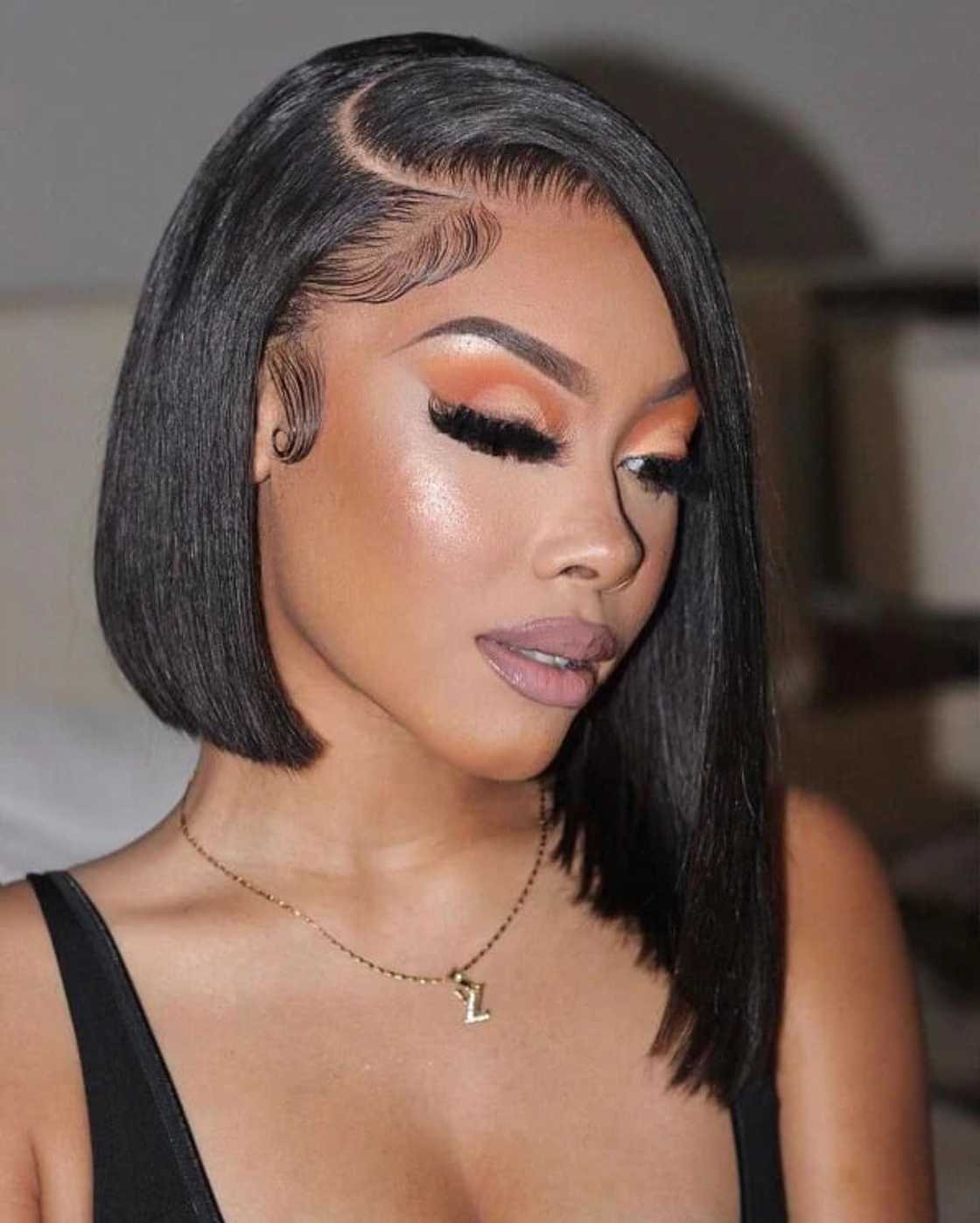
There’s nothing vague about this cut: one side drops to the chin while the other sits shorter, and the deep side part feeds the bangs straight across. The asymmetry draws the eye along the jawline, which is exactly why it works on round and oval faces, while the black, glossy finish keeps the whole thing looking deliberate. Ask your stylist for a sharp asymmetrical chin-length bob with side-swept bangs. Thick, straight hair takes the shape best, and it holds its line when you smooth it with a flat iron, though you’ll want a trim every six weeks to keep the edge from softening.
Wavy Collarbone Bob With Curtain Bangs
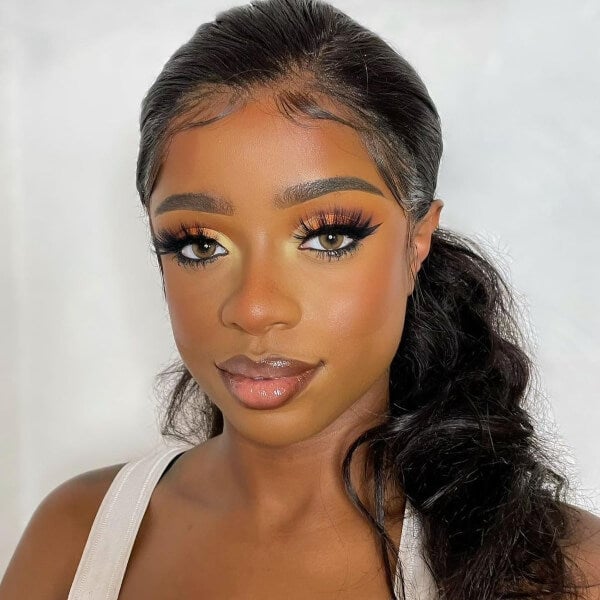
What do you say when you want softness without losing all the structure? Start with the bangs. Ask your stylist for a collarbone wavy bob with curtain bangs and face-framing layers. The middle part lets the fringe open like a curtain, which flatters square and heart-shaped faces by breaking up the angles. Thick, wavy hair gives the blowout something to grip, and the subtle highlights add depth without changing the dark brown base. To keep the movement alive, dry the waves with a round brush and finish with a spritz of texturizing spray.
Mid-Back Layers With Curtain Bangs
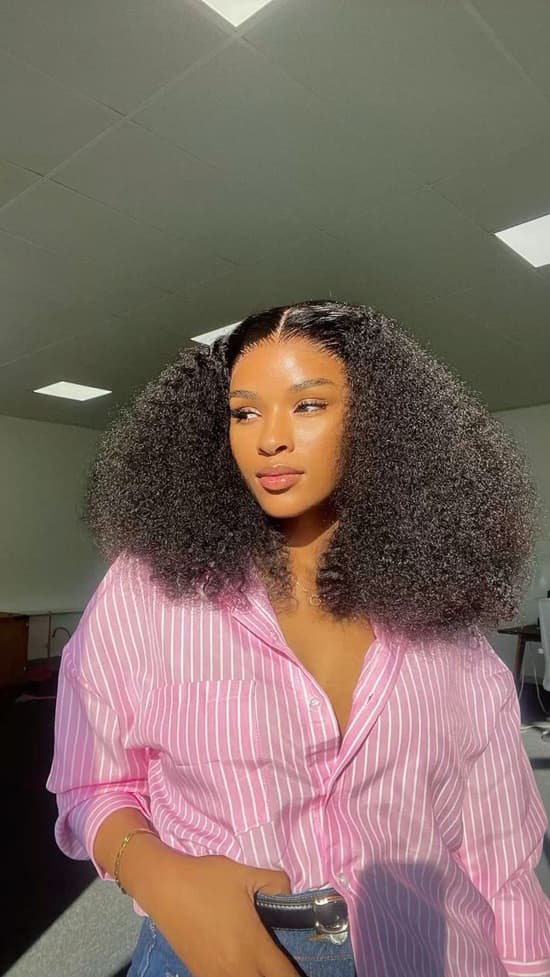
The length here is mid-back, but the real architecture lives at the front. The layering starts high, around the cheekbones, and each piece is cut to angle away from the face, so the curtain bangs melt into the longer strands instead of stopping abruptly. The blonde highlights are woven through the dark brown base in fine ribbons, which gives the wavy texture dimension when it moves.
This is a style that behaves differently depending on how you dry it. A round brush on the fringe, directed outward, sets the curtain shape, while the longer waves can air-dry with a smoothing serum worked through the ends. Because the layers are doing the work, trims can stretch to eight weeks, though the bangs may need a touch-up sooner with frequent wear.
Collarbone Layers With Two-Tone Bangs
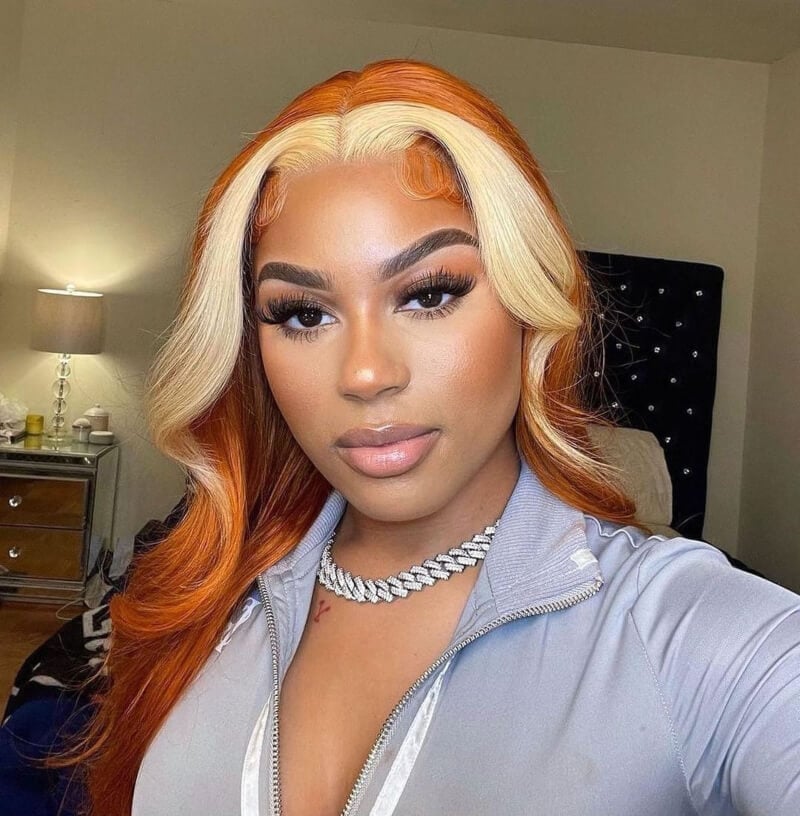
This one is a close cousin of the classic collarbone bob, but the color gives it a different personality. The base is a vibrant orange, and the blonde highlights are concentrated at the front, so the curtain bangs sweep those lighter pieces right across the face. It’s a look that suits festival season or any occasion where you want the hair to do the talking. Ask your colorist for collarbone layers with curtain bangs and orange and blonde highlights. The thick, wavy texture holds the blowout well, and a color-safe shampoo will keep the orange from fading before its time.
Mid-Back Layers With Face-Framing
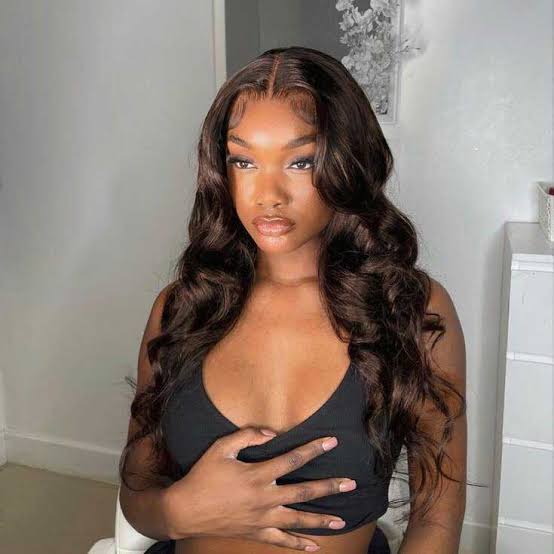
The face-framing layers here start at the cheekbones and blend into the mid-back length, which is a smart way to soften an angular jawline without giving up any length. The dark brown base carries subtle lighter highlights through the mid-lengths, so the loose waves catch light as they move. It’s a cut that asks for a little daily attention: a wavy blowout needs a texturizing spray to keep the shape, and a wide-tooth comb is kinder to the waves than a brush.
Ask your stylist for a mid-back length with soft face-framing layers and subtle highlights. The upkeep is moderate, a trim every eight weeks keeps the layers from growing out into a shapeless curtain, and the middle part stays put with minimal fuss. If you skip the blowout, the waves will still fall reasonably well, just with less volume at the crown.
Voluminous Mid-Back Curls
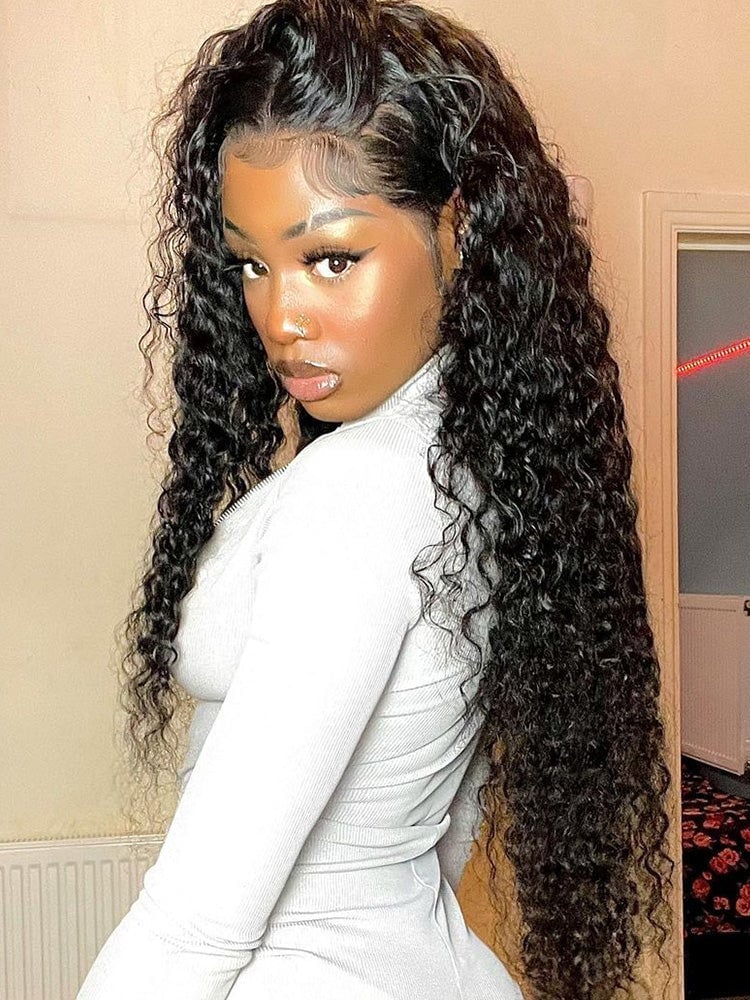
Designing a head of curls that holds its shape from root to end requires dense, naturally curly hair and a cut that removes weight without sacrificing length. This look pairs a middle part with mid-back length and no bangs, letting the volume speak for itself. It suits those with thick, curly hair who want lift at the crown and defined spirals through the ends. Ask your stylist for: mid-back length, voluminous defined curls, middle part. Achieving this level of volume on curly hair usually needs a salon diffusing session, not a bathroom quick-dry. Use a curl-defining cream on soaking-wet hair, then diffuse on low heat. Avoid brushing once dry, or you swap definition for frizz.
For upkeep, a trim every ten to twelve weeks keeps the ends from thinning out. The middle part works well for balancing longer face shapes, but if your hair is fine, the density here will not come from product alone. A root clip or a layered cut underneath can help, but this is a look that starts in the salon chair.
Mid-Back Loose Waves With Side Part
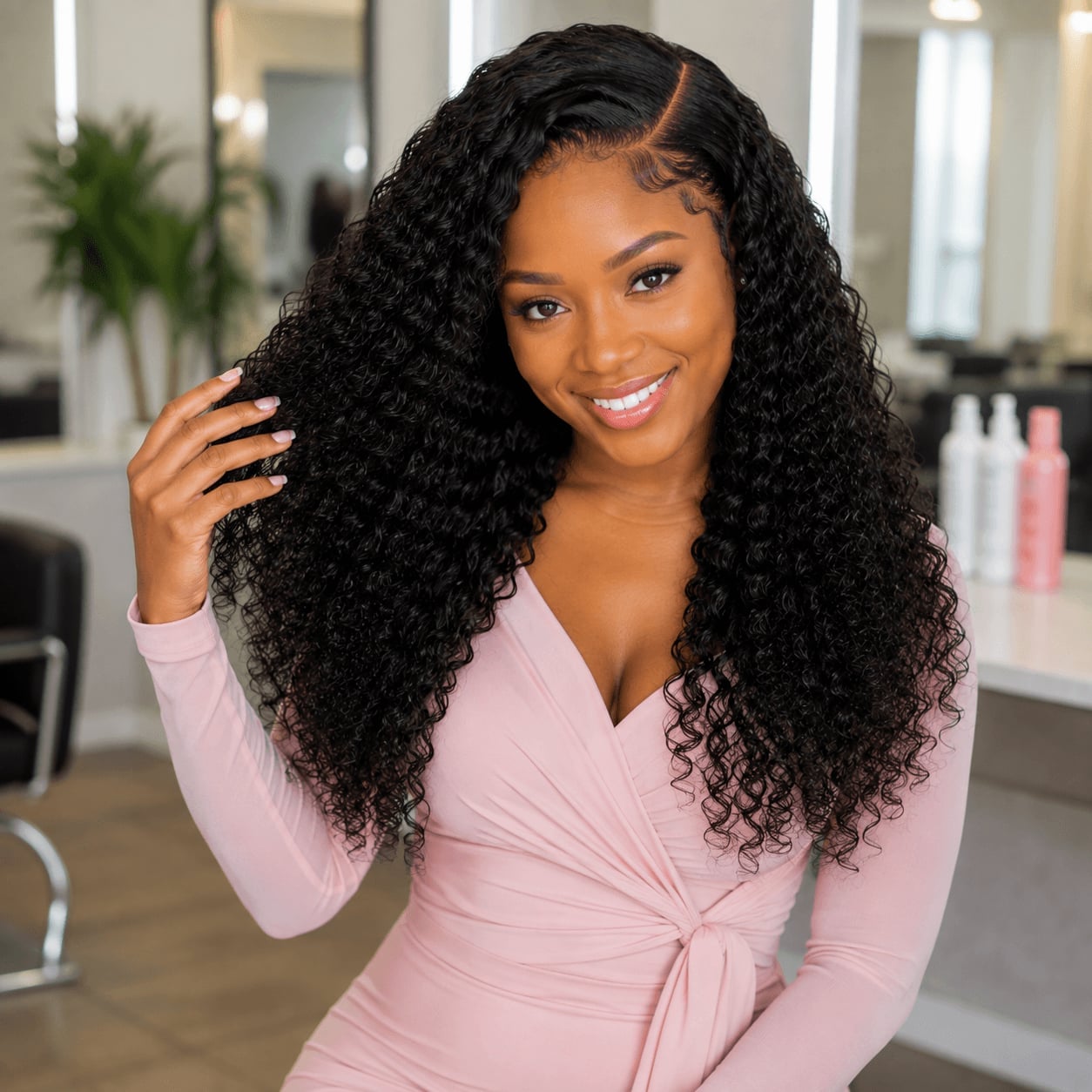
This mid-back set of loose waves uses a deep side part to create a full, natural appearance, with the lace blending into the skin. It works best on thick, wavy hair that already has body, because the side part needs weight to hold its sweep. Ask your stylist for: mid-back length loose waves, side part. The salon installs the lace, cuts the layers and sets the wave pattern; at home, you maintain it with a large-barrel iron and a heat protectant. A side part can add volume to fine hair, but the lace itself requires a professional reset every few months, not a weekend DIY.
Mid-Back Loose Waves Middle Part With A Woman With Thick
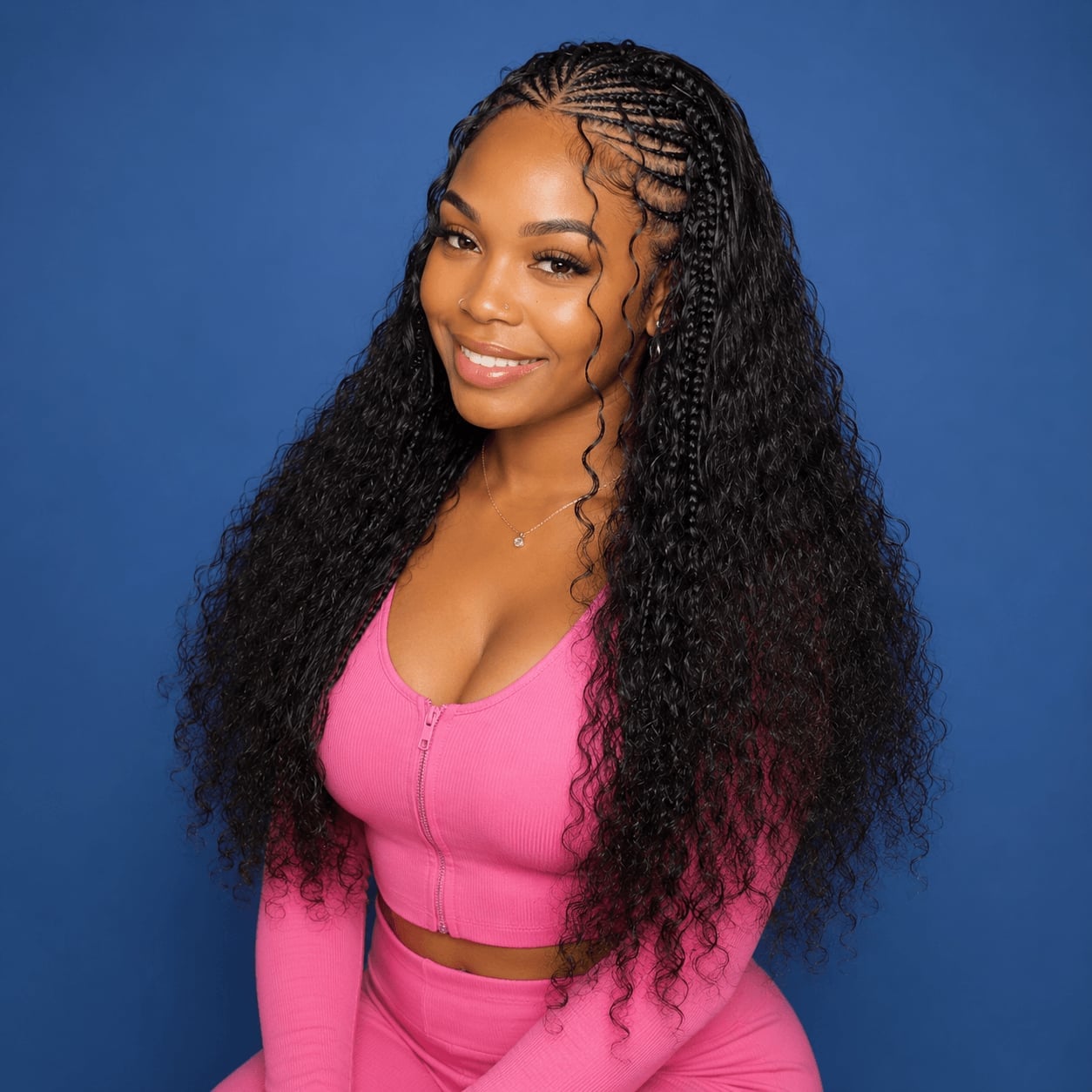
Setting the middle part against a side part comes down to face shape and where you want the eye to land. A middle part draws attention straight down the center, which can elongate a round face, while a side part sweeps volume across the forehead and softens a longer face. This look uses thick, wavy black hair at mid-back length, with loose waves and a middle part, and the frontal lace is visible only at the hairline. Ask your stylist for: mid-back length loose waves, middle part. The middle part demands symmetry: the waves on each side need to mirror each other, not just fall where they land. A texturizing product at the mid-lengths helps define the wave without weighing the lace down. For thick hair, a trim every eight weeks keeps the shape clean.
Wavy Collarbone Bob With Side Part
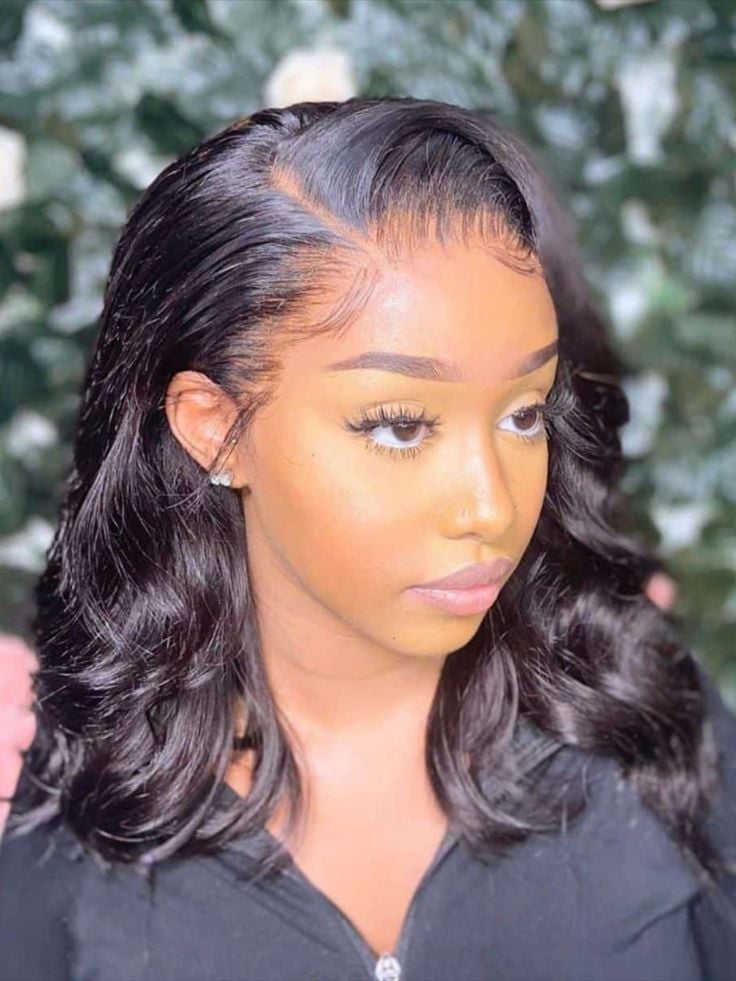
What makes this bob work is the natural hairline: the side part lands where the hair grows thickest, so the part line itself creates lift instead of needing backcombing. The collarbone length keeps it from feeling heavy, and the soft waves add movement without losing the bob’s clean outline. It suits thick, wavy hair that can hold a blowout shape for the day. Ask your stylist for: collarbone wavy bob, side part, voluminous blowout. A large-barrel curling iron for the ends and a side part that sits at the arch of the brow gives you a shape that lasts through a workday. No bangs means the frontal area stays open, which works for oval and heart-shaped faces.
Voluminous Black Bob With Side Part
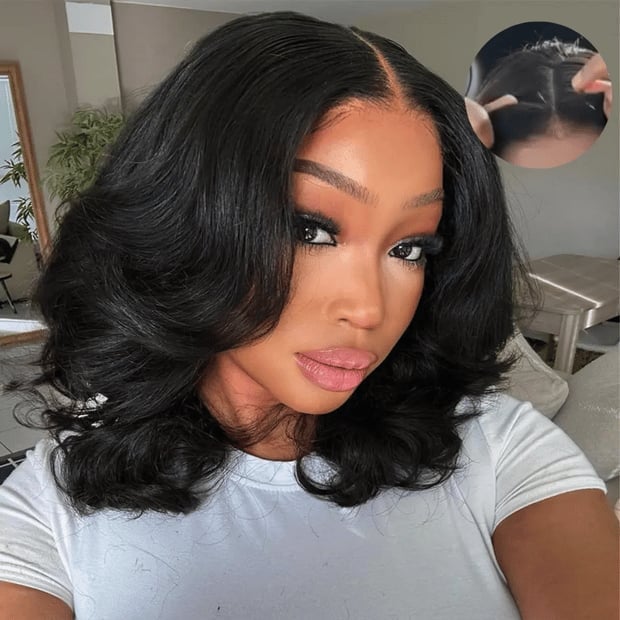
Can a bob have too much volume? Not if the sides are cut to hold the shape. This collarbone-length black bob uses a deep side part and side-swept bangs, with soft waves that build width at the cheekbone level. It suits oval and heart-shaped faces best, because the volume sits at the sides and balances a narrower chin. Ask your stylist for: collarbone length voluminous bob, deep side part, side-swept bangs. Apply a volumizing mousse to damp roots before blow-drying with a round brush. The side-swept bangs need a trim every six weeks to keep them from dropping into the eyes. If your hair is fine, skip this one: the shape relies on density to stay rounded.
Sleek Black Bob With Baby Hairs
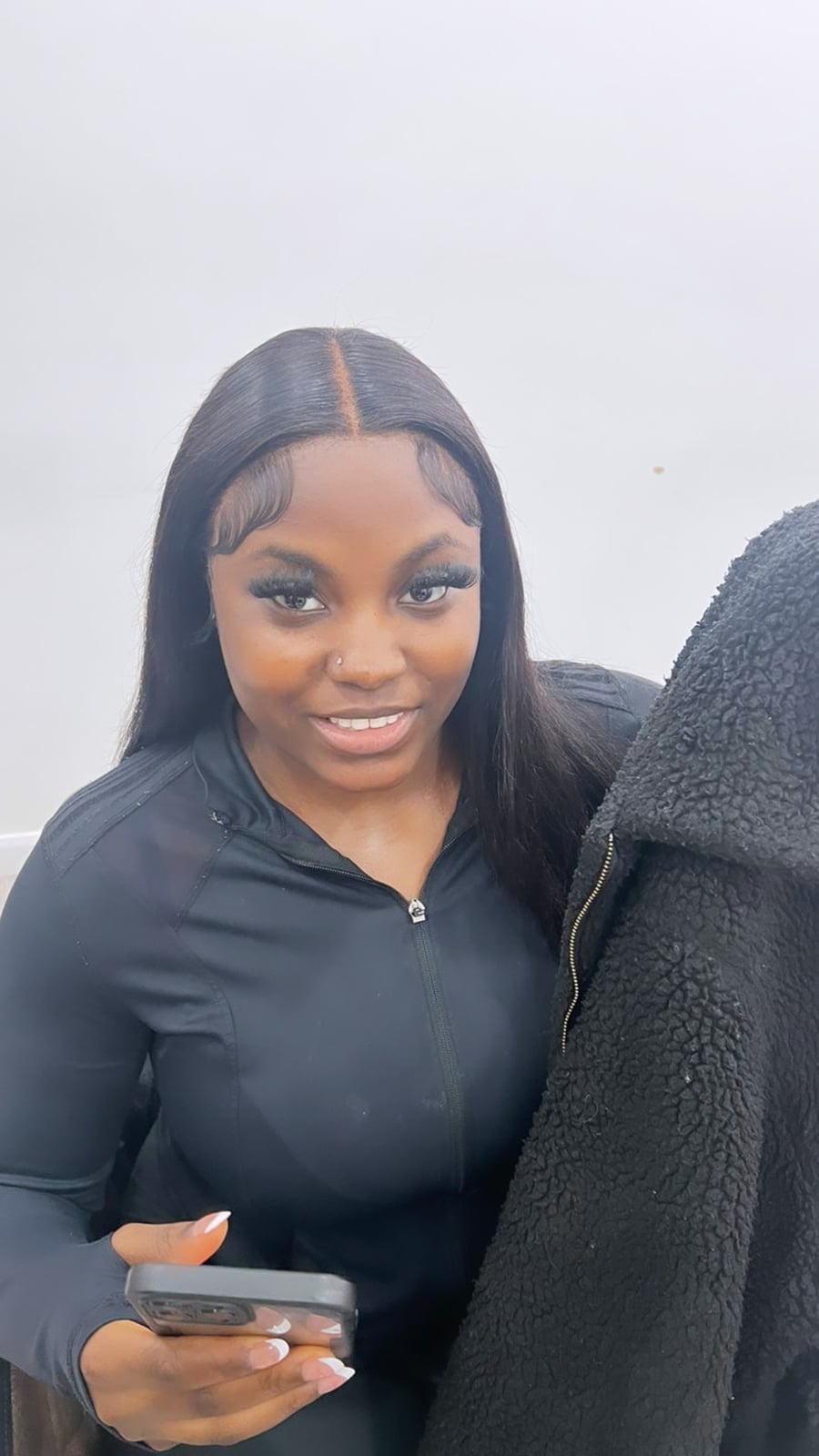
A sleek black bob that ends at the collarbone works because the fine, straight texture lets the middle part sit clean and the cut hold its line. The baby hairs are the detail: they are smoothed down along the hairline with a soft brush and a light-hold gel, then sealed with a flat iron on a low setting so they stay flat without looking stiff. Ask your stylist for: collarbone length sleek bob, middle part, baby hairs. Fine hair carries this well, since the sleek finish flattens any puff and the baby hairs add a deliberate edge to an otherwise simple shape. Use a flat iron for the body and a light-hold hairspray misted over the edges to keep the baby hairs in place through the day, and plan a trim every six to eight weeks to keep the bob from drifting past the collarbone.
Short Bob With Blunt Baby Bangs and Braids
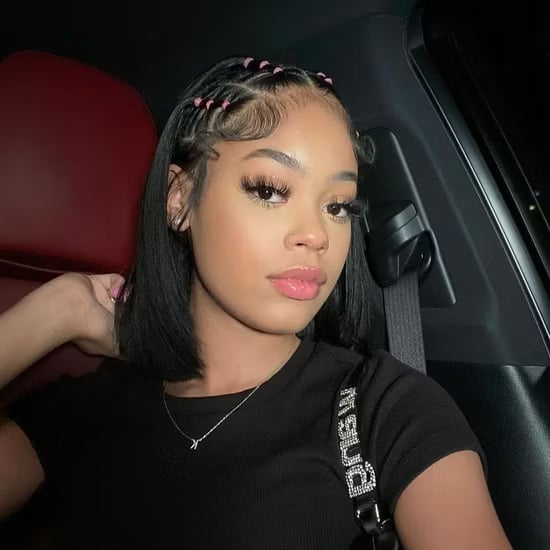
The catch is that the baby bangs need a trim every two weeks, or they start to read as grown-out rather than blunt. Ask your stylist for: chin-length bob, blunt baby bangs, decorative front braids. The blunt line suits oval and heart-shaped faces, and the braids add a festival-ready detail without a salon visit.
Mid-Back Ponytail With Baby Bangs
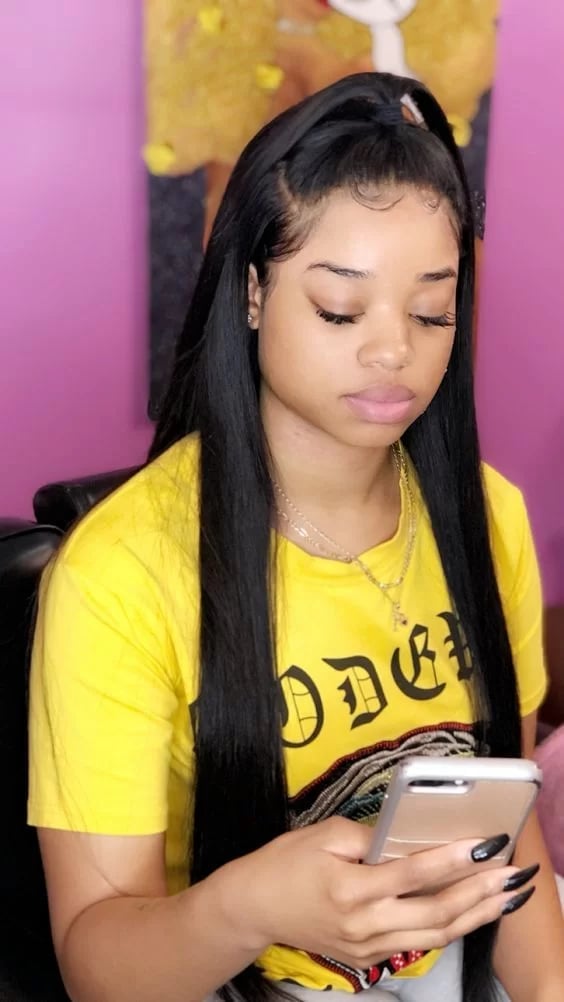
The half-up ponytail holds its shape all day because the thick, straight texture gives the pulled-back section enough weight to stay put without slipping. Mid-back length means the ponytail sits high and swings, while the baby bangs frame the forehead and keep the front from feeling bare. Ask your stylist for: mid-back length hair, baby bangs, half up ponytail. This one wears well for daily work because the baby bangs integrate into the half-up style: they stay short and neat, cutting down on the urge to tuck stray pieces behind your ears. A smoothing spray along the ponytail keeps flyaways down, and the baby bangs need a trim every two to three weeks to stay sharp. The middle part keeps the look symmetrical, and the frontal lace sits flush against the hairline so the style reads as natural.
Shoulder Length Curls With Braids
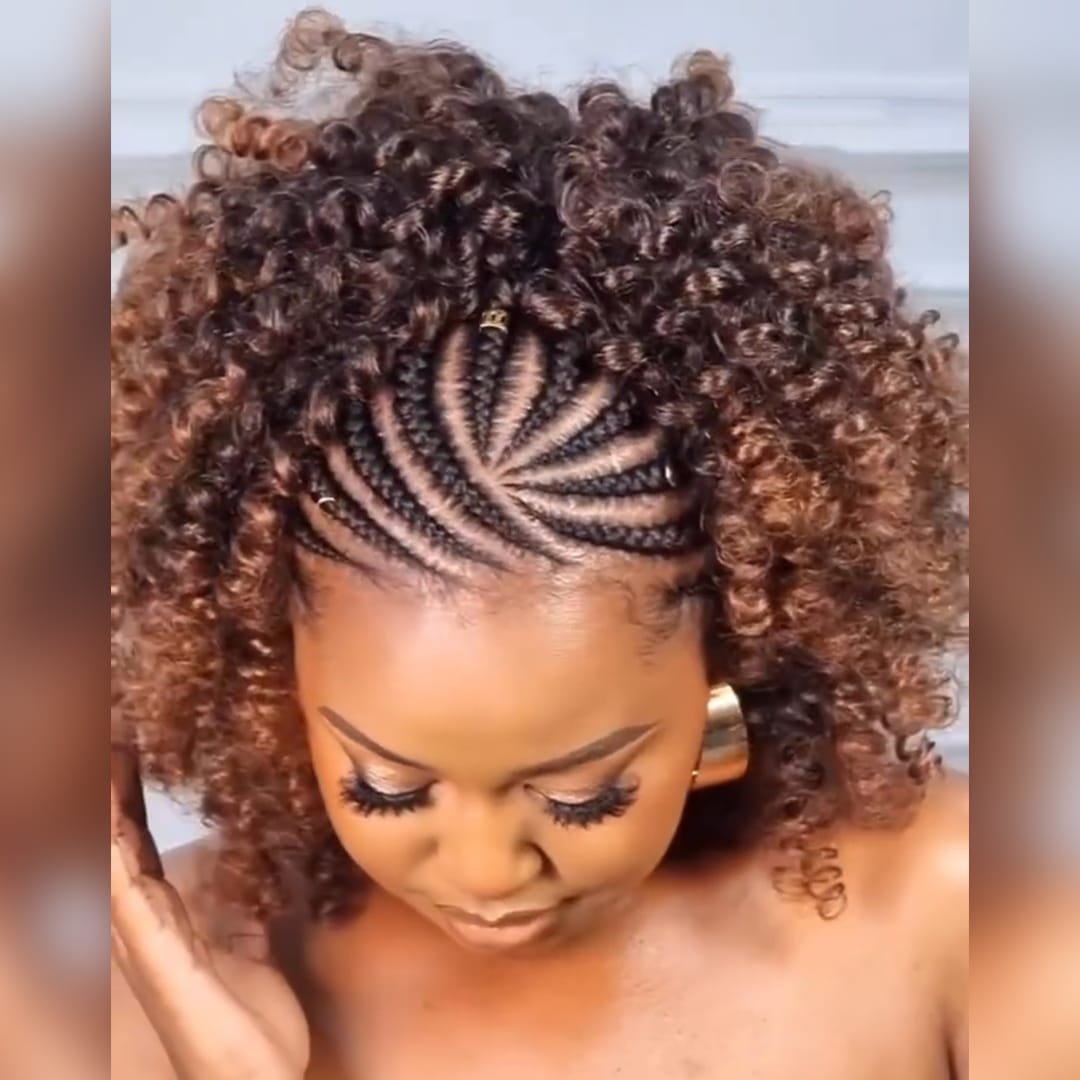
What do you do when your curls are too good to hide but you want the front out of your face? This shoulder-length style answers with intricate braids radiating from the hairline into the thick, curly volume, while the brown base gets dimension from blonde highlights woven through the ends. Ask your colorist for: shoulder length curls, intricate front braids. The braids pull the front tight, so the curls can bounce free at the back without falling into your eyes, which makes it a natural fit for summer festivals or beach events where wind and heat are part of the plan. The middle part keeps the radiating pattern even, and the shoulder length means the curls hold their shape without weighing themselves down.
Shoulder Length Half Updo With Curls
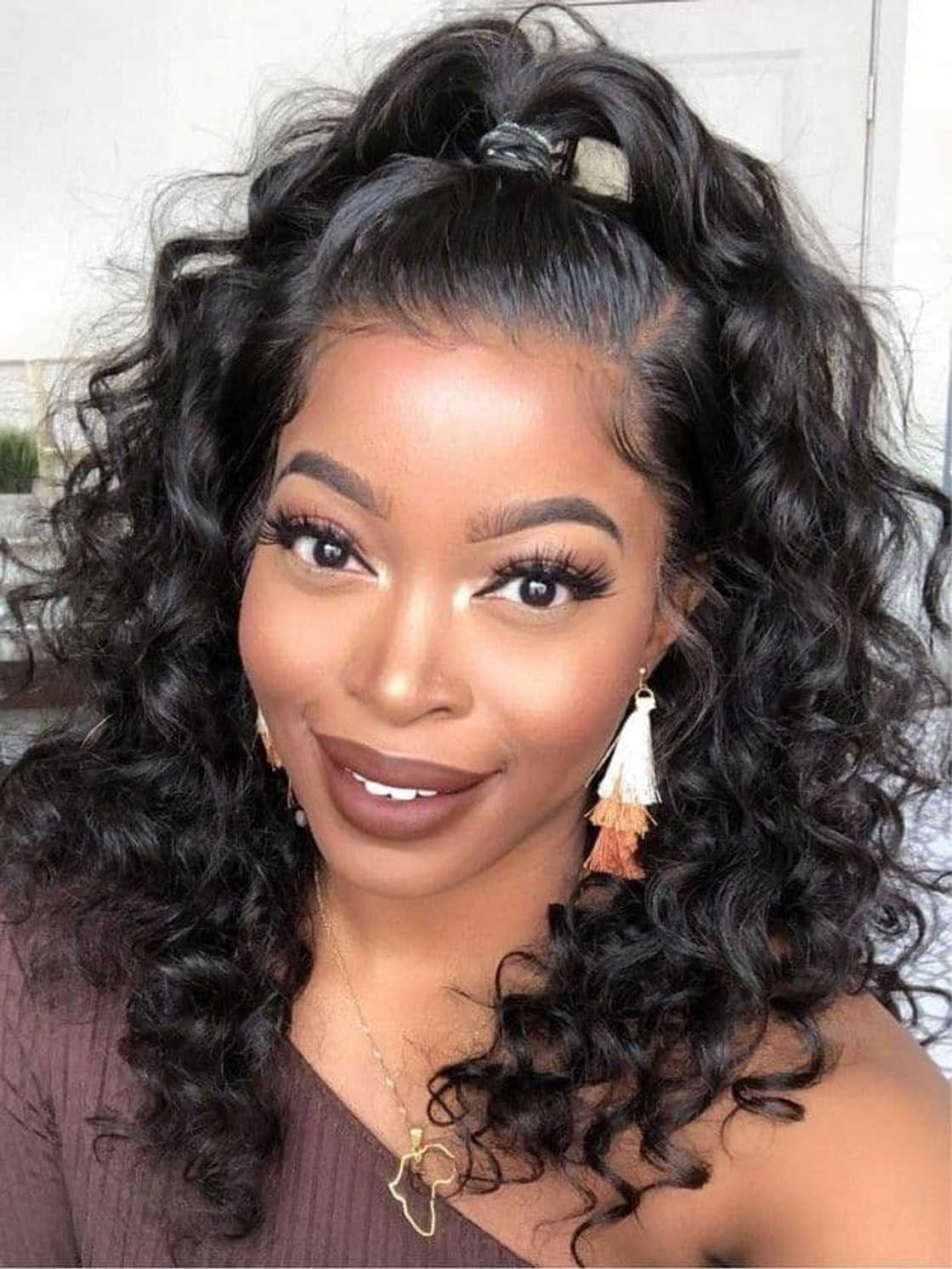
The half-updo works because it pulls the top section back while letting the shoulder-length curls fall loose, giving the thick texture a clear shape instead of a single heavy mass. A side parting adds asymmetry, and the dark base with subtle highlights gives each curl enough definition to read separately. Ask your stylist for: shoulder length curly hair, half up half down style. This is a casual, everyday arrangement: the top section is gathered high and secured, which keeps hair off the face without committing to a full updo, and the curls at the bottom soften the silhouette. The hold is reliable since the gathered section carries the weight, and a few bobby pins or a small elastic will keep it in place through a full day.
Collarbone Layers With Two-Tone Highlights, Close-Up Take
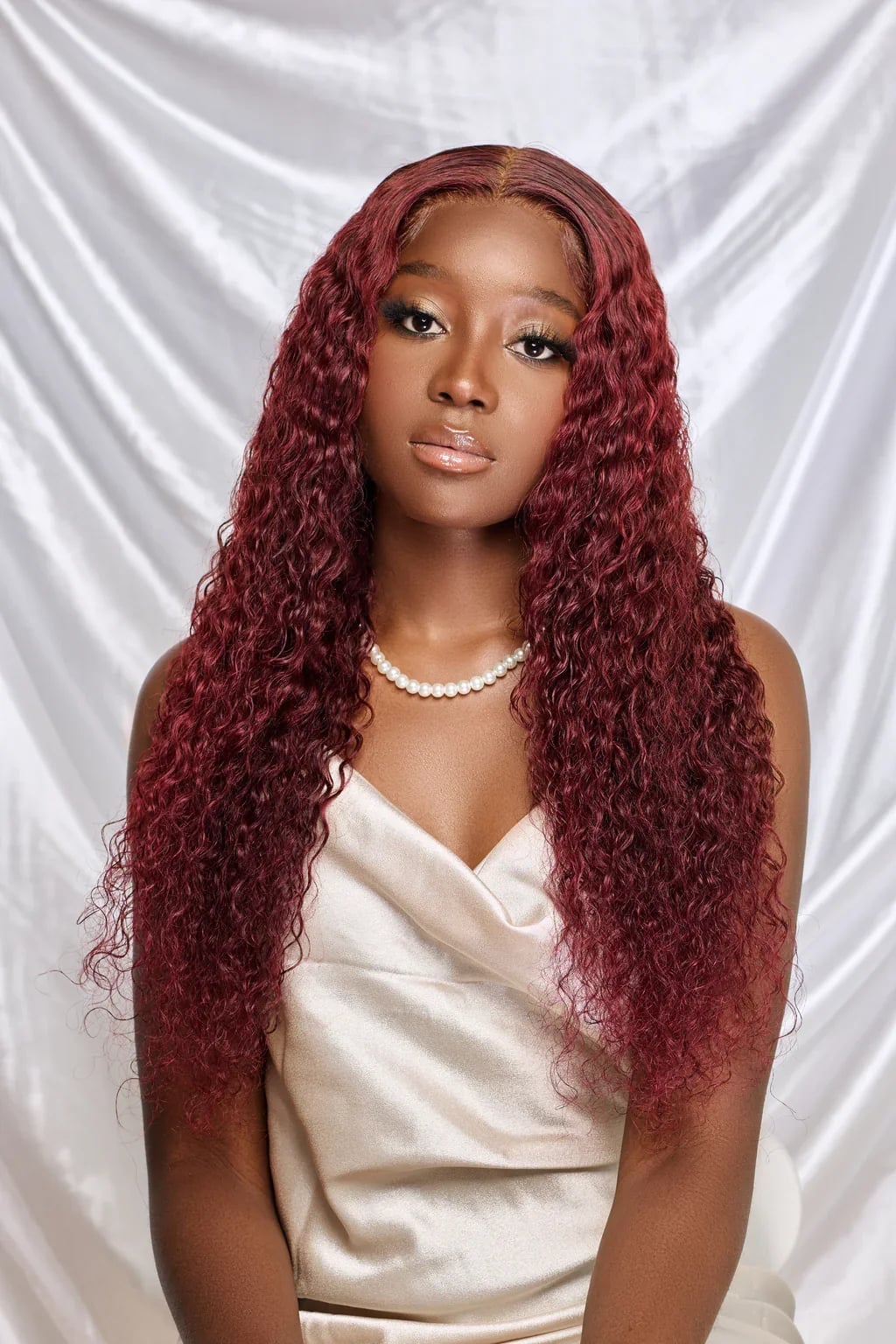
Ever wonder how to ask for collarbone layers with two-tone highlights without leaving the salon with a surprise? The key is being specific about placement. Ask your colorist for collarbone layers, curtain bangs, orange and blonde highlights. The color is what makes this frontal hairstyle stand out, with the orange base and blonde face-framing pieces drawing attention to the hairline. It suits thick, wavy hair that starts at collarbone length, and the curtain bangs soften the forehead. A color-safe shampoo and conditioner will keep the orange from fading, and a trim every six weeks maintains the shape.
Long Straight Hair With Braids and Baby Hairs
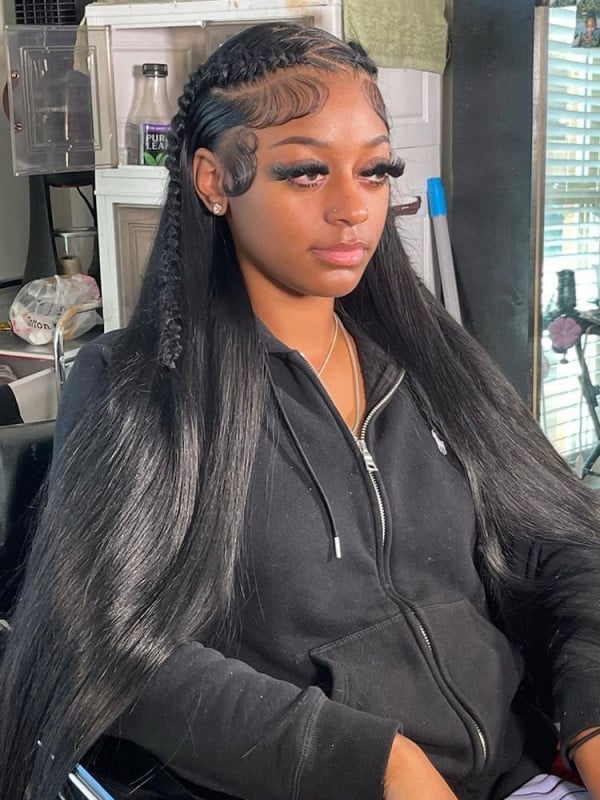
The design here is all about the hairline, where two neat braids frame the face and baby hairs are slicked into place. This works best on fine, straight hair of mid-back length, because the sleekness lets the braids read clearly. Ask your stylist for mid-back length straight hair, braids along hairline, baby hairs. The upkeep is daily: a light-hold gel sculpts the baby hairs and keeps the braids neat, while a smoothing serum stops the length from looking dry. On fine hair, the braids hold well for a day, but they will need redoing if you want them crisp for a second wear. A middle part keeps the symmetry, and the black color gives the style a graphic, polished finish.
Mid-Back Blonde With Frontal Braids
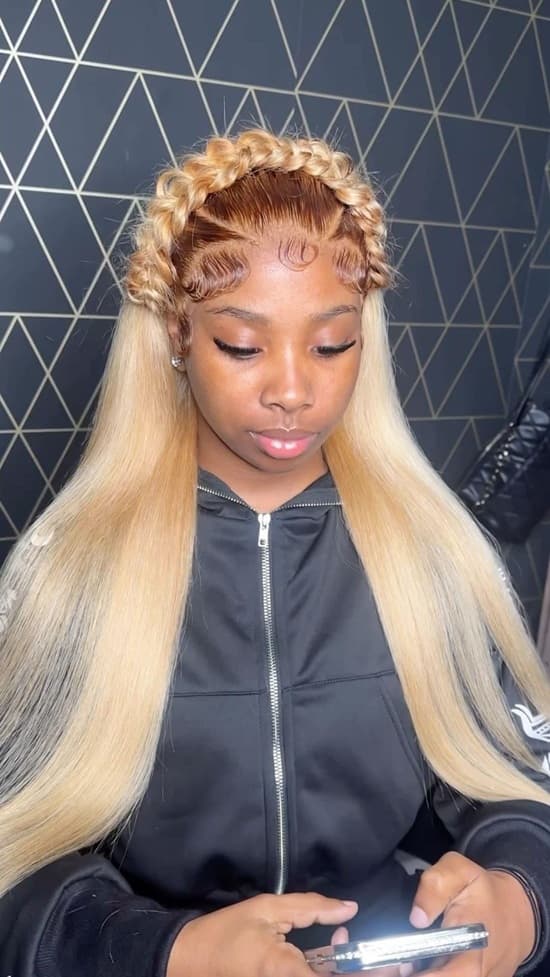
Frontal braids on blonde hair read differently than they do on darker tones. On black hair, the braids can disappear into the density, but on fine, straight blonde, they stand out as a decorative line along the hairline. This style suits anyone with mid-back length hair who wants detail without losing the simplicity of a straight fall. Ask your stylist for mid-back blonde hair, intricate frontal braids, baby hairs. The braids are the focal point, so keep them defined with a texturizing spray, and use a light-hold hairspray to keep the baby hairs in place. It is a salon-level look, since the braids need a steady hand, but a defined hairline looks intentionally styled rather than just grown out.
Mid-Back Sculpted Waves With Side Fringe
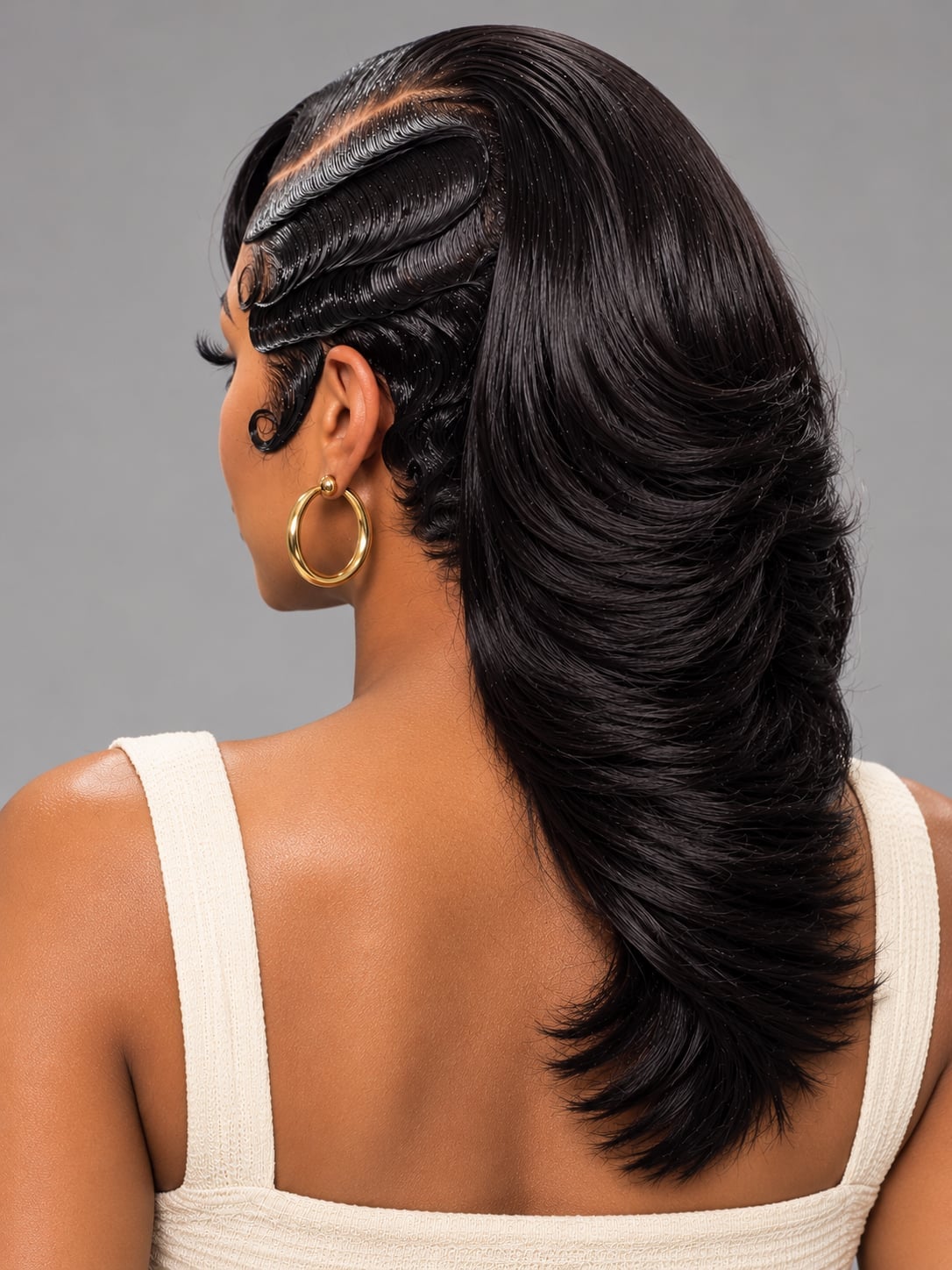
The sculpting technique here is precise: each wave is set and held, not just curled and left to fall. Ask your stylist for mid-back length sculpted waves, deep side part, side-swept fringe. The deep side part gives the style its drama, while the side-swept fringe softens the forehead and keeps the eye moving along the wave pattern. This works best on thick, straight hair, which holds the sculpted shape without requiring constant touch-ups. A strong-hold styling cream is the tool for the job, and a flat iron can create the crisp lines between waves. The black color makes the gloss visible, and the volume at the back and side means the style reads from every angle.
Lace Frontals Explained
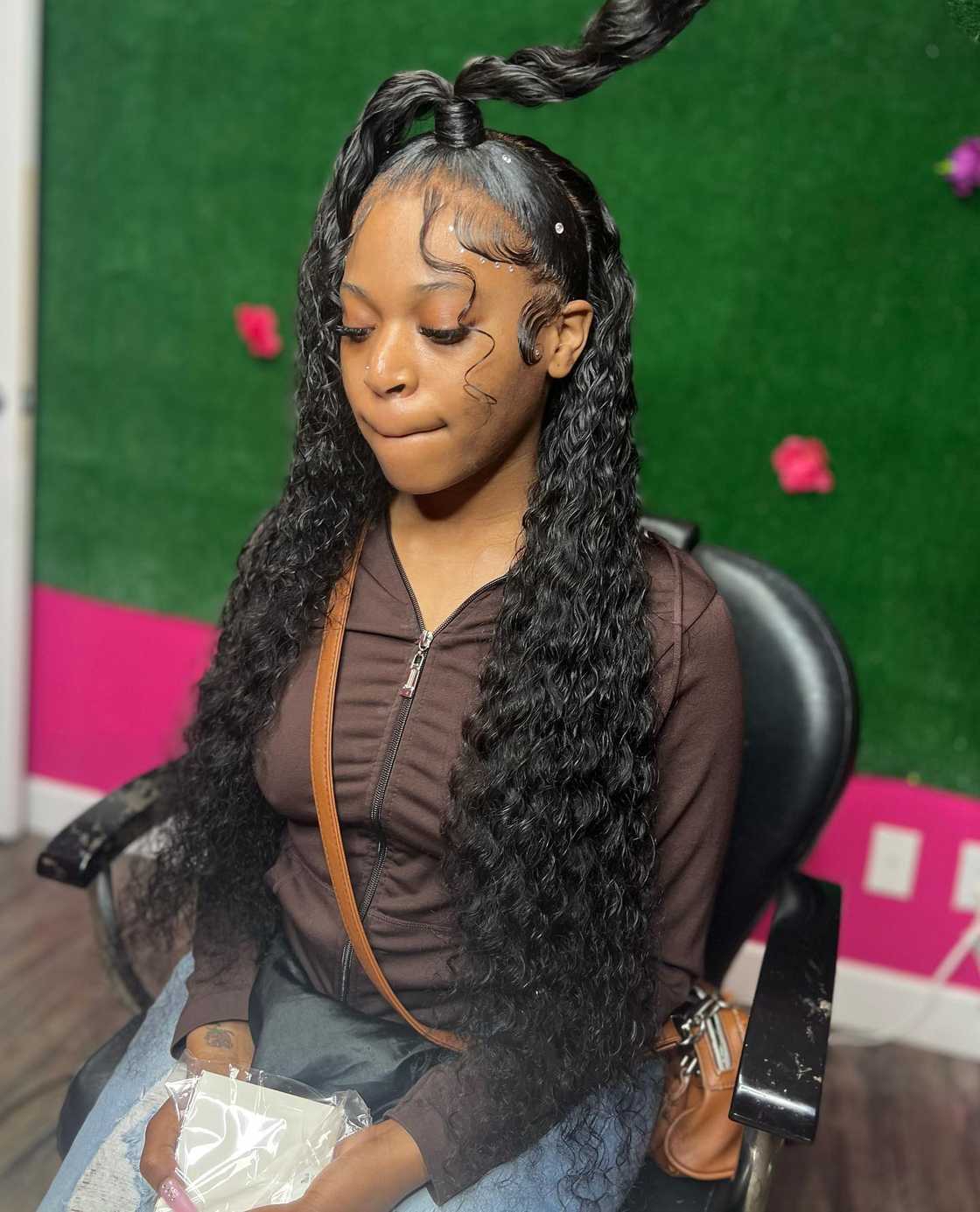
Lace frontals exist to solve the hairline problem: a wig or extensions that starts at the forehead and looks like it. The lace is a thin mesh that blends against the scalp, and individual hairs are tied into it so the part looks natural. For this look, the frontal is styled with a slicked-back half-up ponytail and baby hairs, which shows off the lace’s ability to mimic a real hairline. Ask your stylist for information on lace frontal application and styling. The curly texture and dark brown color help the frontal blend with the surrounding hair, and the baby hairs are what sell the illusion. It is a salon-leaning skill, since cutting the lace and melting the edges takes practice, but the result is a frontal hairstyle that holds its shape all day.
Final Thoughts
Low upkeep means one blunt baseline, minimal layers and a simple side or middle part. If you want to change the shape without a cut, curtain bangs and face-framing layers sweep away on a bad day.
- Trim bangs every three to four weeks to keep the line.
- Mist a heat protectant before any blow-dry or iron.
- Lift and reseat a lace frontal gently to protect the hairline.
- Refresh waves daily with a texturizing spray or light cream.
Mastering your frontal styling means unlocking endless hairstyle possibilities.