Natural hair color is the art of enhancing your base shade with tone and dimension that mimic what the sun does for free, and lived-in color is the current standard. Curtain bangs and soft face-framing layers keep the shape from reading flat while the color stays quiet.
This collection of 17 ideas runs from a dark brown afro to vibrant copper red, with low-upkeep glosses and salon-leaning highlights in between. It suits fine hair that needs depth, thick texture that swallows tone, and anyone tired of a grow-out line. Natural Hair Color works best when the technique hides the upkeep.
The 17 looksOpen list +
Voluminous Dark Brown Afro
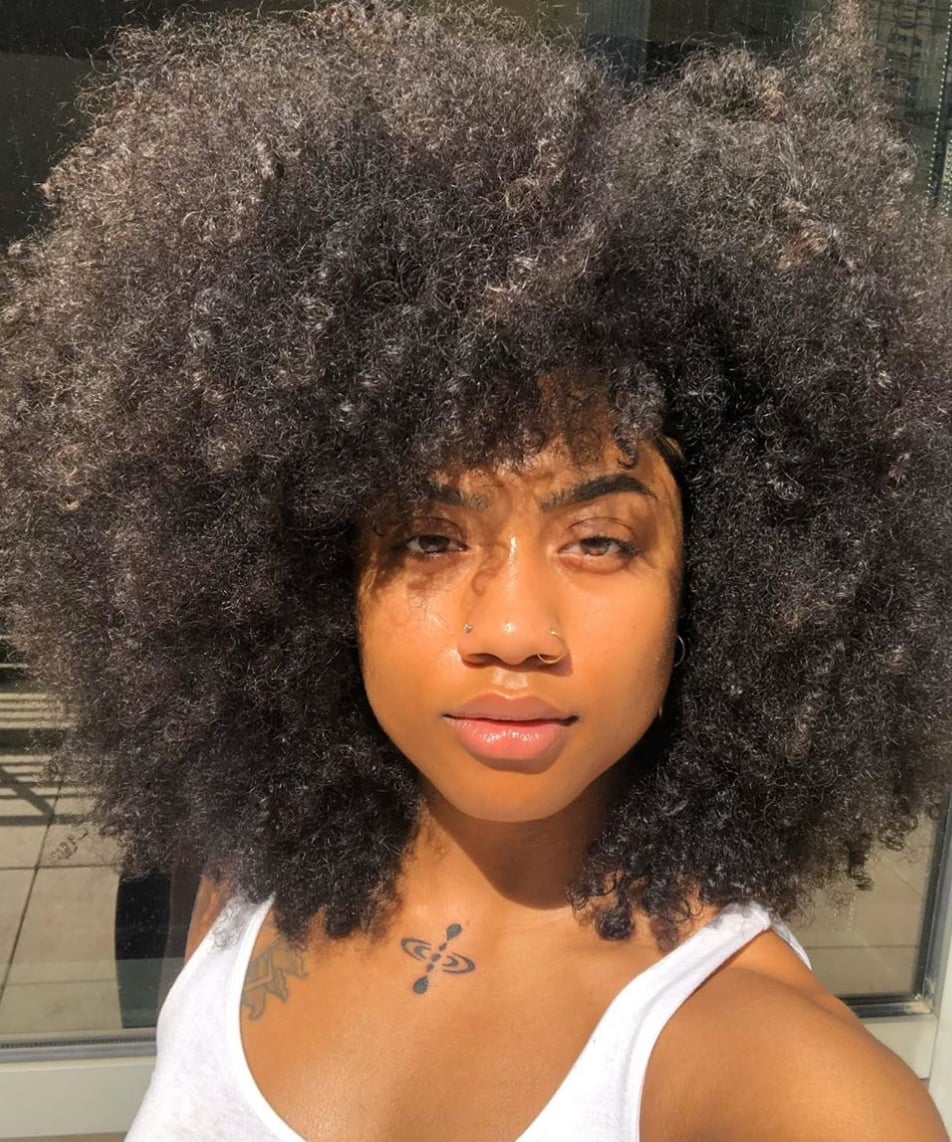
This is a mid-back length afro that relies entirely on the natural coil and density of the hair to hold its shape. It is not a cut you can coax into submission with a brush. The dark brown shade reads as one even tone because the texture creates its own light and shadow. Naturally coily hair types with significant density and length are the obvious fit, since the structure depends on enough weight to keep the volume from looking top-heavy. Ask your stylist for: a natural dark brown afro, maintain the natural coil. A wide-tooth comb or fingers is all you need for detangling, and a leave-in conditioner keeps the moisture level where it should be. The honest upside: you can wake up, fluff and go.
Strawberry Blonde Mid-Back Waves
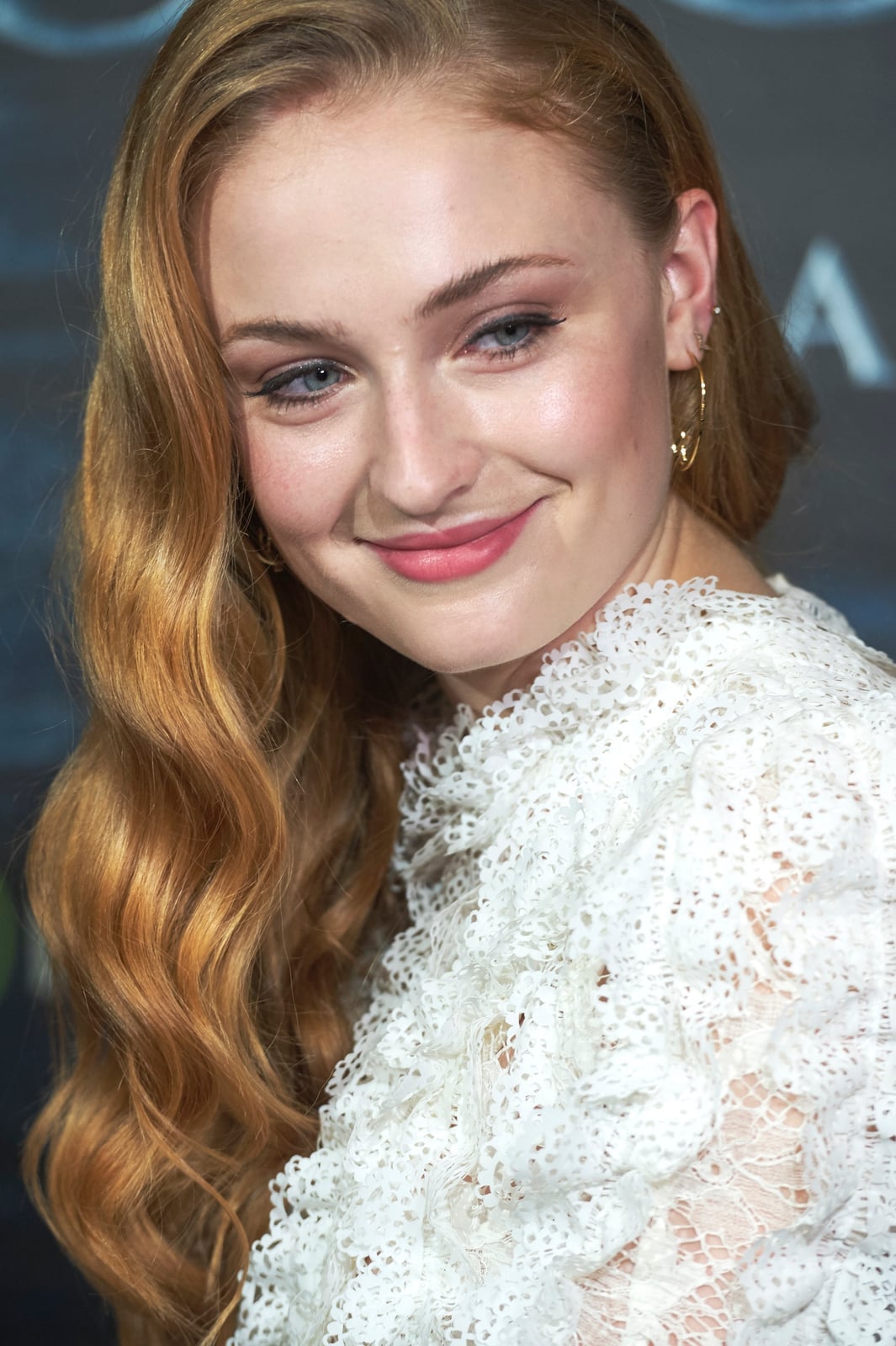
The trick to strawberry blonde that does not look pink in bad lighting is in the base and technique. This mid-back length style starts with a warm strawberry blonde tone, not copper or true red, and uses subtle lighter pieces woven through the ends to create natural variation. Thick, wavy hair at collarbone length or longer holds the dimension best, since the waves catch each shade differently. Ask your colorist for: a warm strawberry blonde with subtle lighter highlights. A large barrel curling iron makes quick work of loose waves, and a blowout adds a polished finish that keeps the color glossy rather than chalky. A toning appointment every six to eight weeks keeps pink tones away.
Natural Blonde With Sun-Kissed Highlights
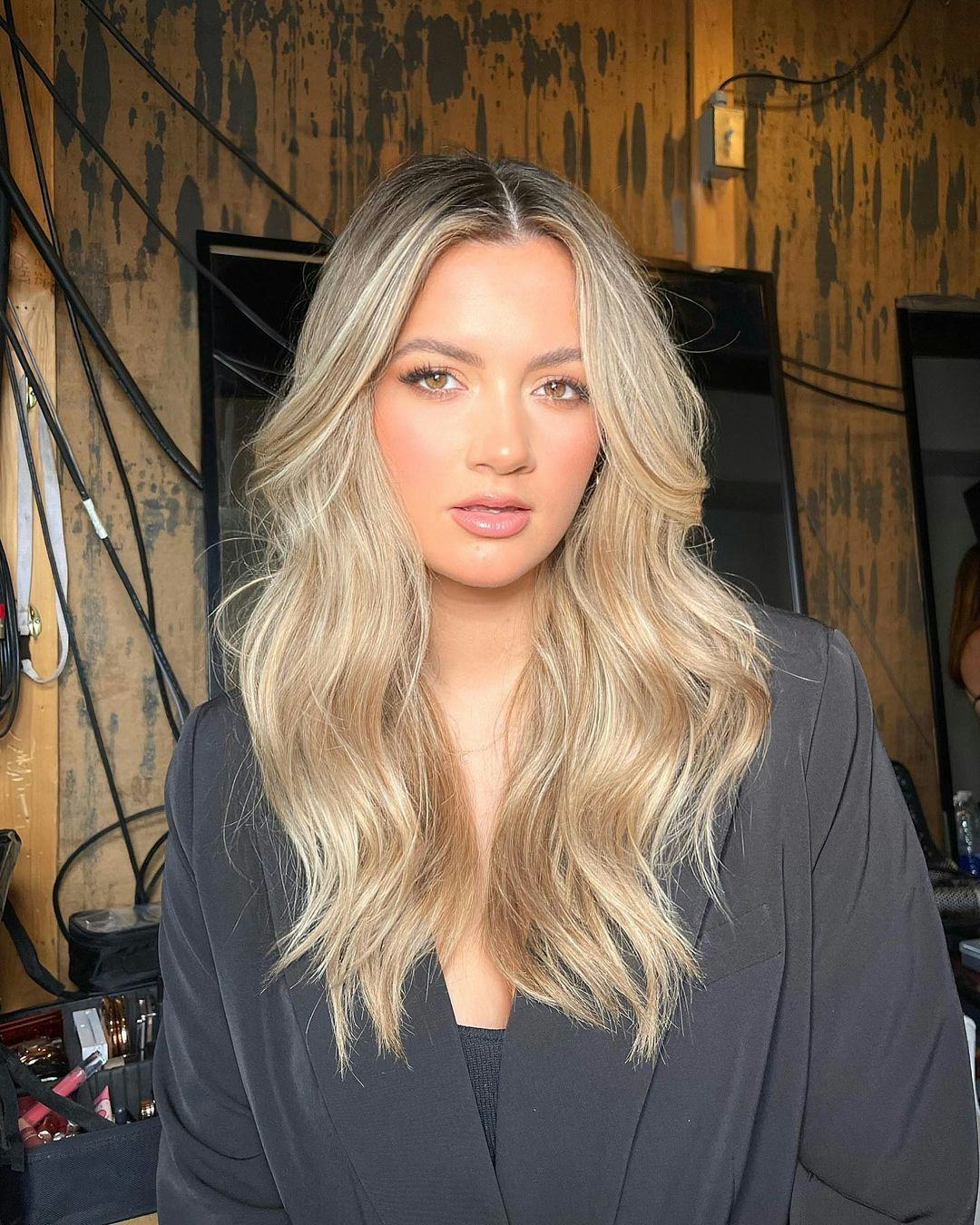
The technique here is a careful one: the stylist paints fine, spaced-out highlights from the mid-lengths to the ends, leaving the root section untouched. The result is a natural blonde base with subtle sun-kissed highlights that mimic where the sun would hit hair that lives outdoors. Fine, wavy hair at shoulder length or longer benefits from this approach because the lightness is concentrated where the texture can show it off. Ask your colorist for: a natural blonde base with fine, sun-kissed highlights. This is a salon-leaning job; trying to replicate the spacing at home usually ends in stripes. A texturizing spray on the lengths after a blowout keeps the movement without adding weight.
Warm Strawberry Blonde Soft Waves
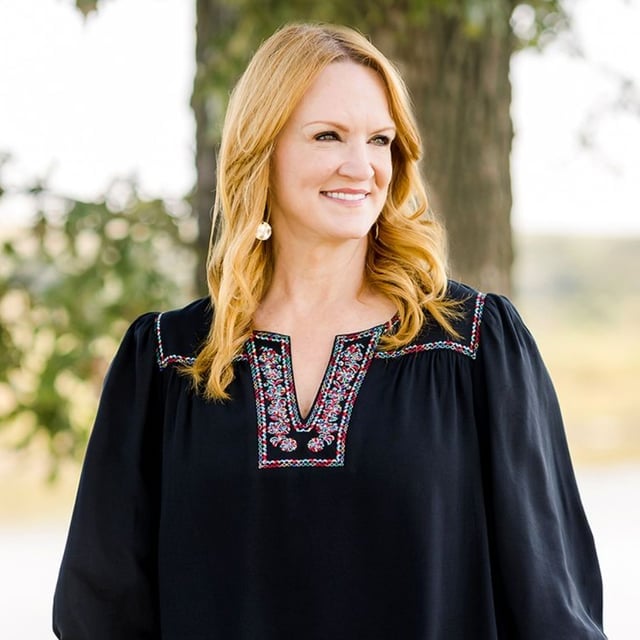
A cool strawberry blonde pulls pink and leans icy, which can wash out fine hair. This warm version stays closer to peach and gold. The base is a warm strawberry blonde, and the lighter blonde highlights are kept fine and distributed through the mid-lengths to avoid a striped effect. Fine, wavy hair starting at collarbone length is the natural candidate because the lightness does not overwhelm the texture. Ask your colorist for: a warm strawberry blonde base with fine, lighter highlights. A large barrel curling wand creates the soft waves, and air drying or rough drying before you pick up the iron saves heat exposure. The real drawback: warm tones fade faster than neutral ones, so a toning appointment every four to five weeks is standard.
Dark Blonde Lob With Curtain Bangs
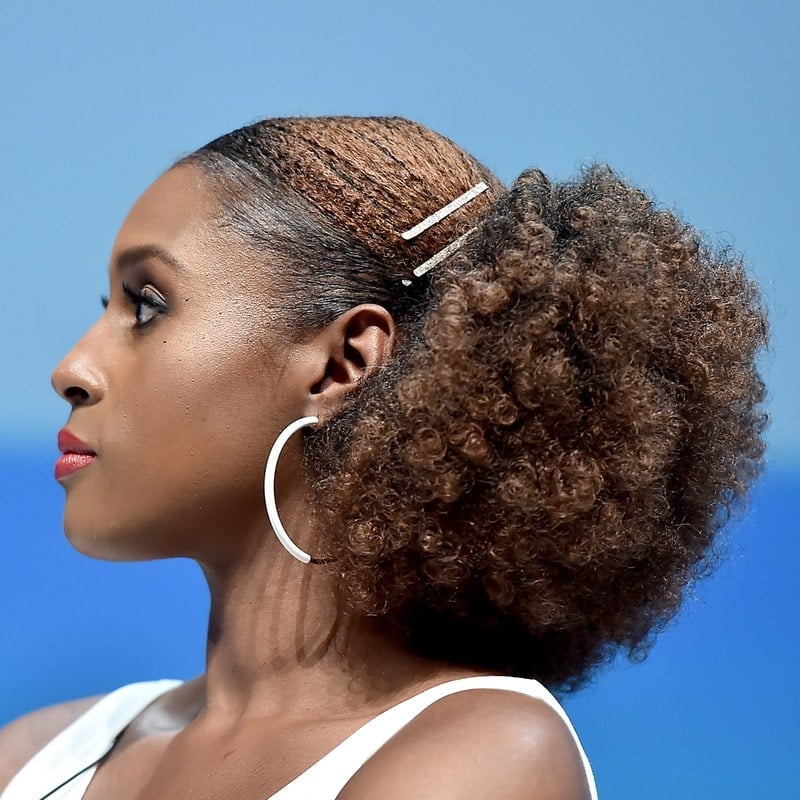
Is this the lob that actually works with bangs? Yes, when the fringe is a curtain style that parts in the middle and blends into the rest of the cut. This collarbone length style uses a dark blonde base with subtle lighter highlights placed mostly around the face and through the ends. Medium density, wavy hair provides enough weight to keep the lob from flipping out and enough texture to make the curtain bangs land softly. Ask your stylist for: a collarbone length lob with curtain bangs and subtle face-framing highlights. Blow-dry the fringe forward with a round brush to shape the curtain, then switch to a texturizing spray on the waves. The grow-out is forgiving because the bangs blend sideways rather than falling straight across.
Medium Brown With Copper Highlights
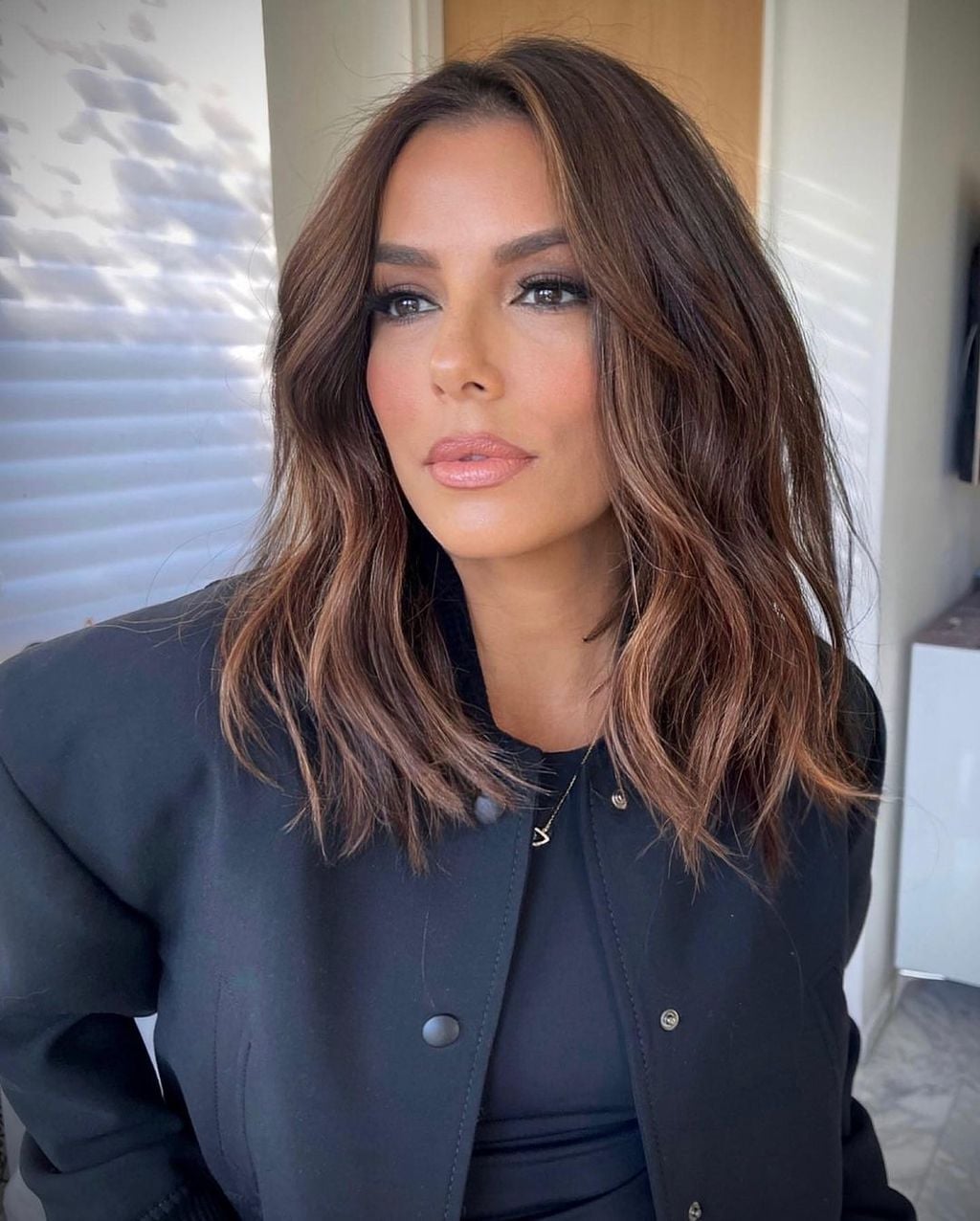
The cut is layered at the collarbone with curtain bangs, and the wavy, thick texture does the rest: the highlights sit low-contrast, so the grow-out line stays soft. Ask your colorist for: medium brown with subtle copper highlights, curtain bangs. A smoothing serum pressed through damp lengths gives the glossy finish, and the color needs a salon visit about every eight to ten weeks to keep the copper from drifting dull. It works for the office and for a Saturday with no plans.
Ash Blonde With Subtle Highlights
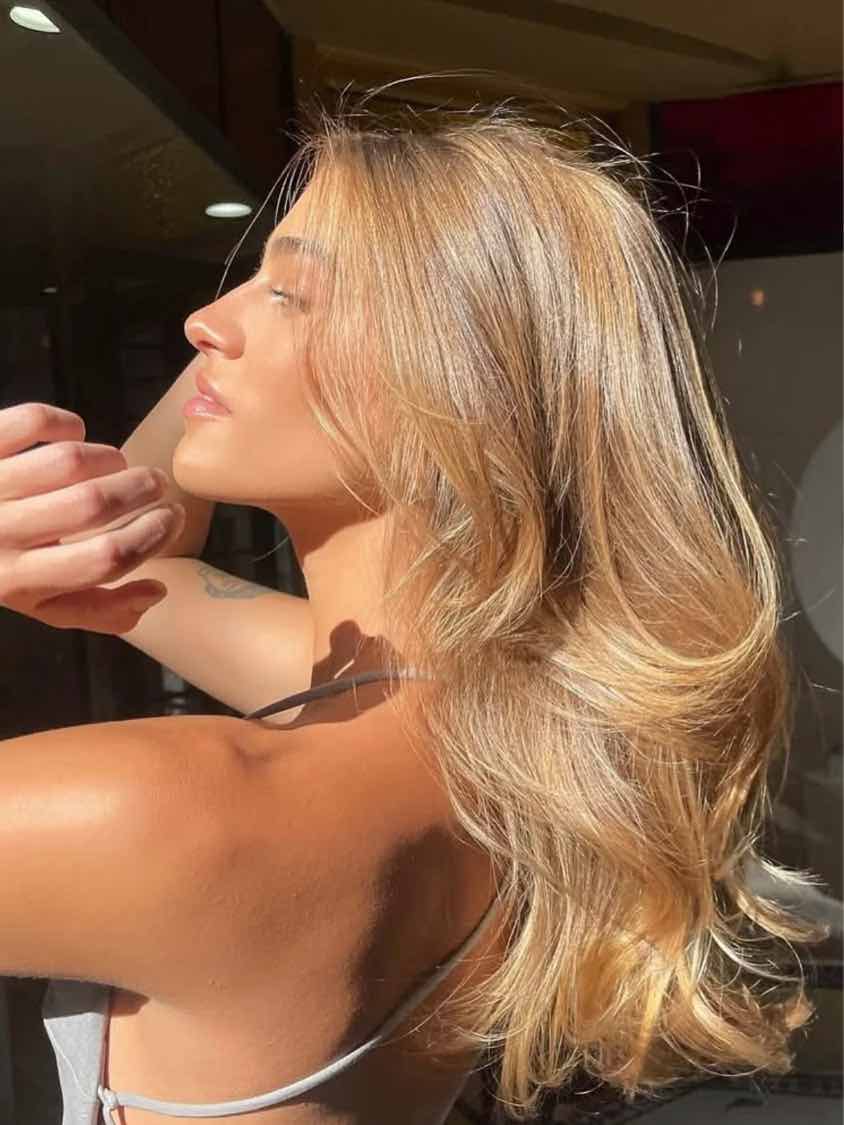
With soft layers, the shade stays dimensional instead of flat. A volumizing mousse before a blowout keeps the shape, and dry shampoo stretches the days between washes. Plan a toning appointment every six to eight weeks; that is the real cost of the cool tone, and the one appointment you cannot talk yourself out of.
Glossy Dark Brown Blunt Bob
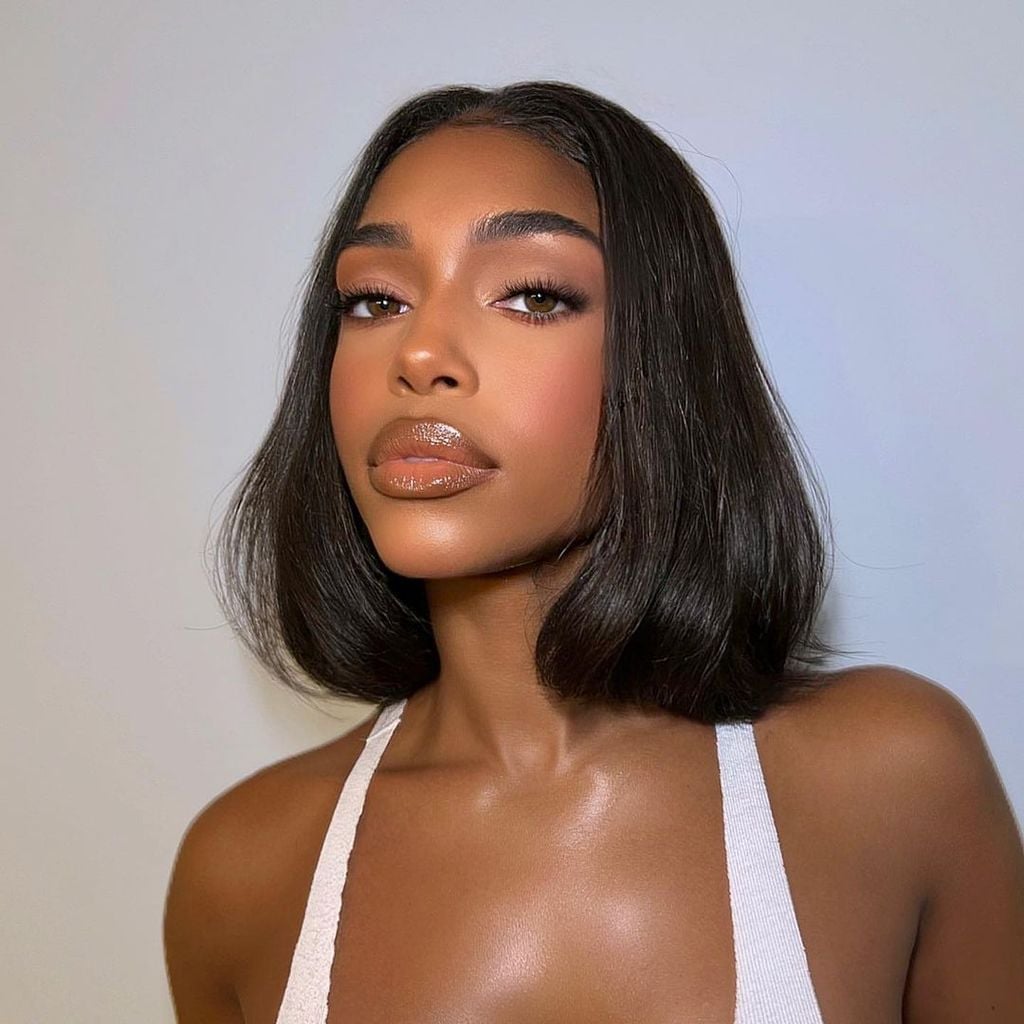
A blunt bob lives or dies on the baseline, so treat the cut as salon work and the shine as homework. One uneven snip at the chin and the whole line reads crooked, which is why fine, straight hair benefits most: the blunt edge builds visible thickness where there is little. Ask your stylist for: chin-length blunt bob, glossy finish. At home, a flat iron on low heat and a shine serum pressed through the ends gets close to the dark brown gloss, and a trim every six to eight weeks keeps the perimeter sharp.
Fine Ash Grey Bob With Lighter Strands

A chin-length bob with a side parting does the volume work, and wavy, fine texture air dries into shape with a texturizing spray. Ask your stylist for: chin-length bob, ash grey with subtle lighter strands. Skip it if your hair is coarse and dark: the lift to grey takes more than one appointment, and the tone shifts warm between visits.
Cool Blonde Shoulder Length Straight Hair
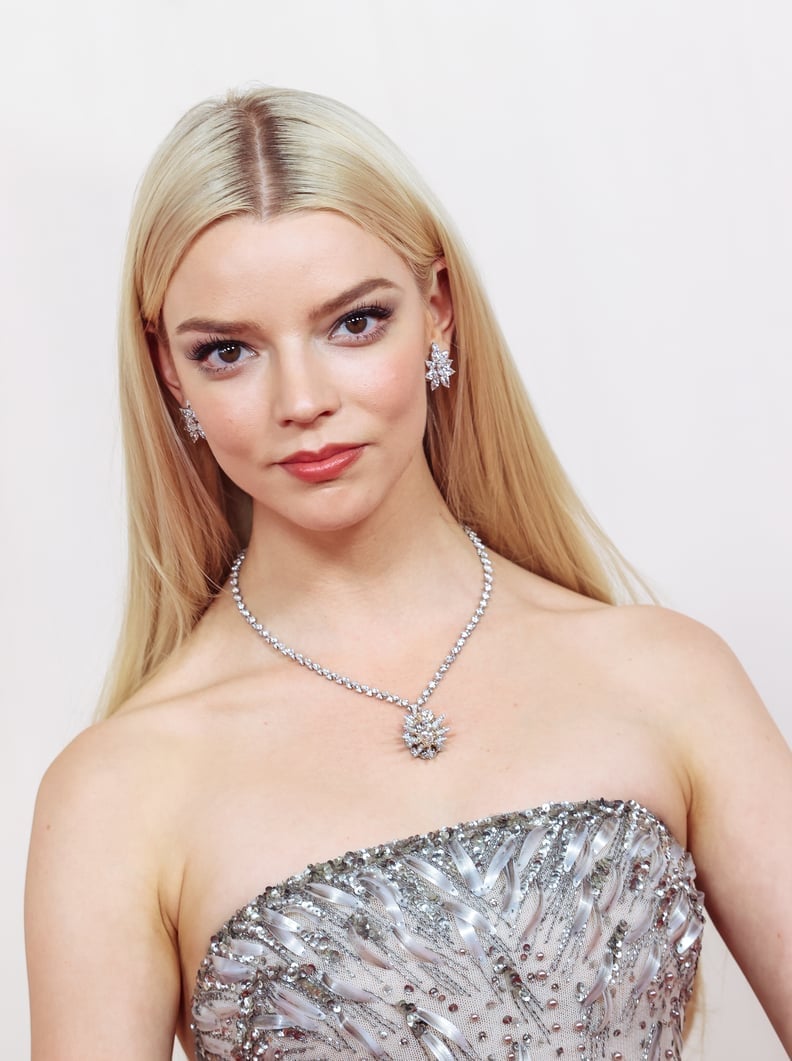
Cool blonde is built in layers: a lightened base first, then lighter blonde highlights placed where the hair moves, then a toner to pull the whole thing cool. On straight, medium-density hair at shoulder length, that sequence matters more than the shade itself, because flat color shows every root and every warm patch. The subtle waves in the styling keep the cool tone from going icy at the ends. Ask your colorist for: cool blonde with dimension, shoulder length. Expect about three hours in the chair for the first round, a toner every six to eight weeks, and a heat protectant before any iron, since lightened straight hair dulls fast under direct heat.
Ash Blonde With Light Highlights and до лопаток
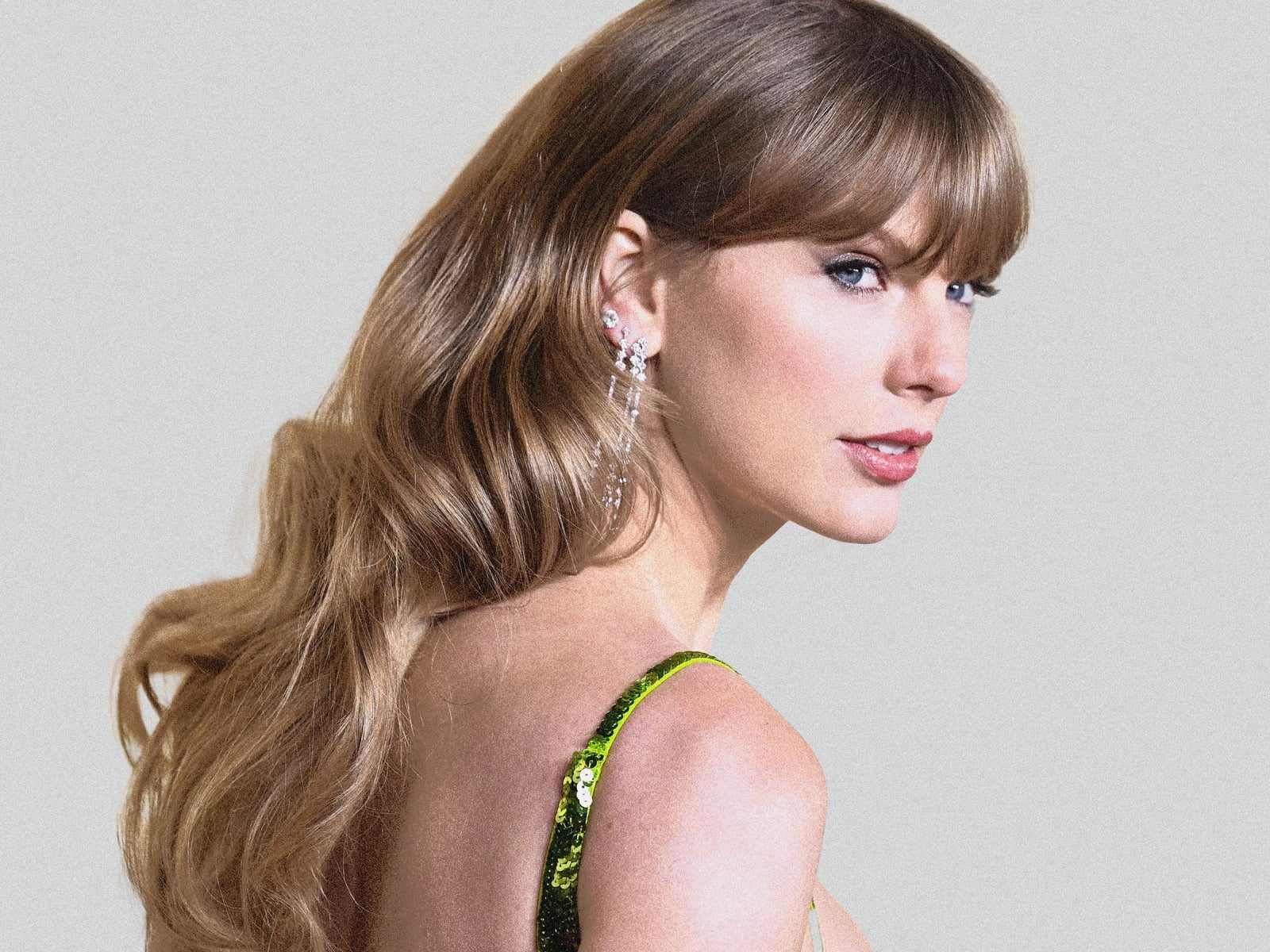
Medium-density wavy hair at shoulder length holds this shape well. For styling, apply a volumizing mousse to damp hair, then blow-dry with a round brush for body. The curtain bangs need a quick roll with the brush to sit right. Book a trim every six to eight weeks to keep the layers from growing out blunt, and schedule a toning visit every six to eight weeks to keep the ash from drifting warm.
Medium Brown With Lighter Tones
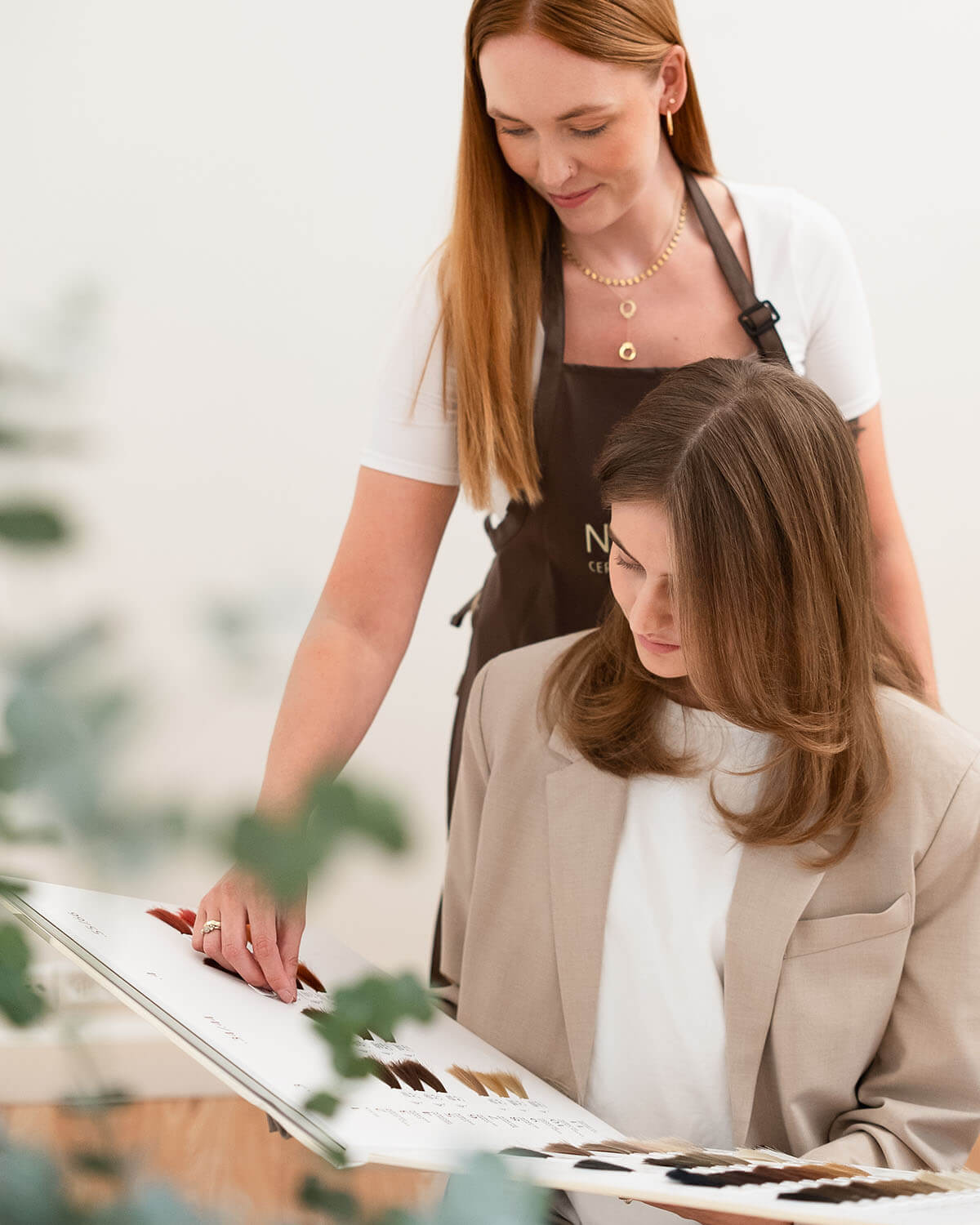
A medium brown base with subtle lighter tones reads as depth, not as highlights. The lighter pieces sit close to the base color, so the grow-out line stays soft and the finish looks like sun exposure rather than a salon service. Ask your colorist for: medium brown with subtle lighter tones, collarbone length. Straight, medium-density hair at collarbone length shows the dimension without needing waves to break it up. A blowout with a smoothing cream and a round brush keeps it polished. Toning every eight to ten weeks holds the lighter pieces from going brassy, and a trim every six to eight weeks keeps the collarbone line clean.
Vibrant Copper Red Loose Waves
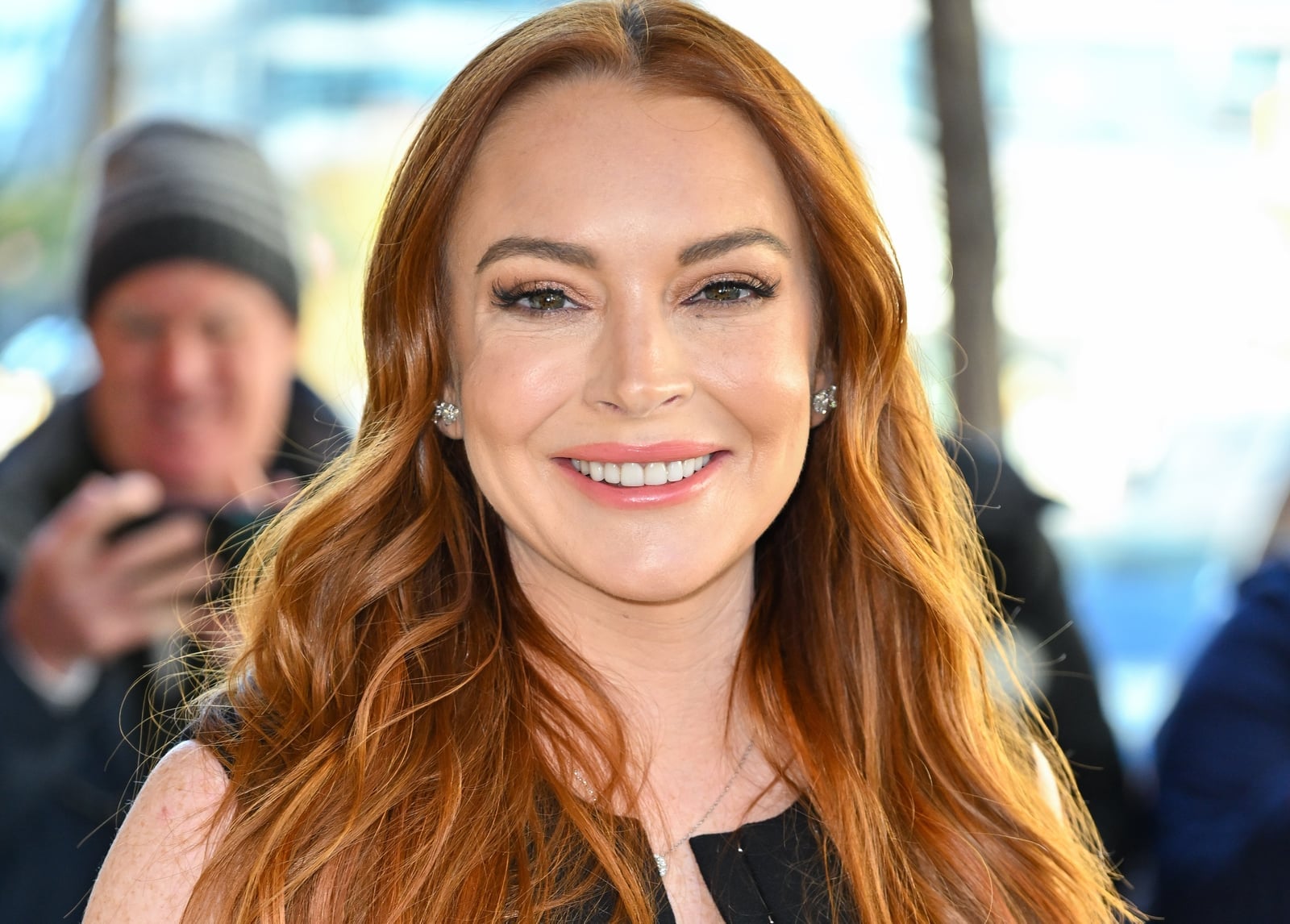
Set vibrant copper red next to a muted auburn and the commitment is clear. The muted red whispers; this one says the thing out loud. On thick, wavy hair at mid-back length, the copper picks up every loose wave and subtle layer, so the color looks like it grew there. Ask your colorist for: vibrant copper red, mid-back length, loose waves. It suits warmer skin tones and anyone who wants the hair to lead. If you prefer a red that blends into a room, a softer auburn is the easier call.
The drawback is upkeep. Copper red fades faster than brown or blonde, and mid-back length means more surface area to lose. A color-depositing conditioner once or twice a week stretches the tone between appointments, and a toning appointment every six to eight weeks keeps it from going pink or dull. Thick hair takes longer to saturate, so plan on a longer appointment than a single-process brown. Air dry or diffuse for the waves; heat styling speeds the fade.
Rich Copper Red With Curtain Bangs
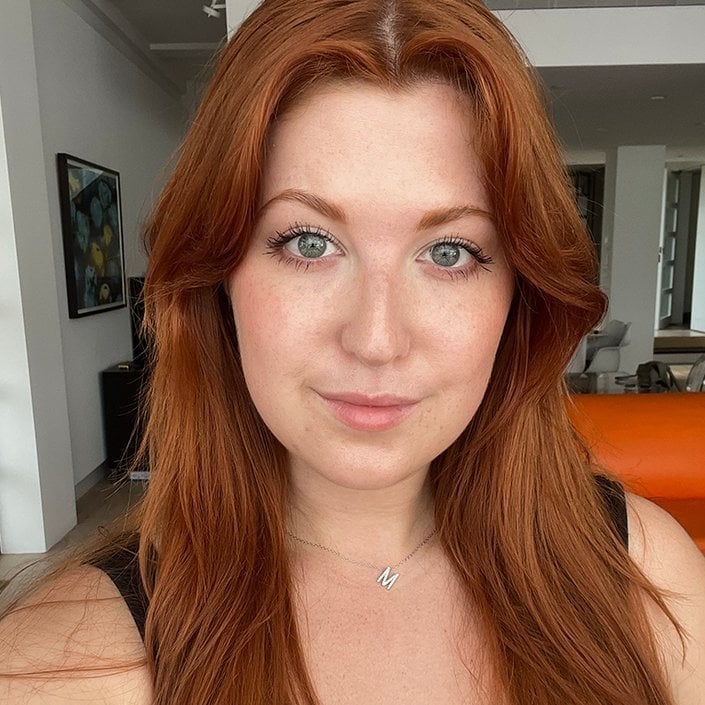
Why does copper red look different in October than in June? The light changes, and a rich copper red picks up the low sun in a way flat browns do not. This is the shade that lands in fall and holds through winter, then becomes a statement the rest of the year. On medium-density wavy hair at mid-back length, the curtain bangs do the framing work while the color does the rest. Ask your colorist for: rich copper red, mid-back length, curtain bangs.
The styling is deliberately low: air dry with minimal product and let the natural texture sit. Curtain bangs need a daily refresh with a round brush or a quick blow-dry, or they fall flat against the forehead. A color-depositing conditioner once a week keeps the copper from going dull between toning appointments. A toning appointment every six to eight weeks holds the richness. A trim every eight to ten weeks keeps the bangs from dropping past the cheekbone. For a fall statement or a year-round signature, this is the version that earns the appointment.
Thick Curly Copper Red
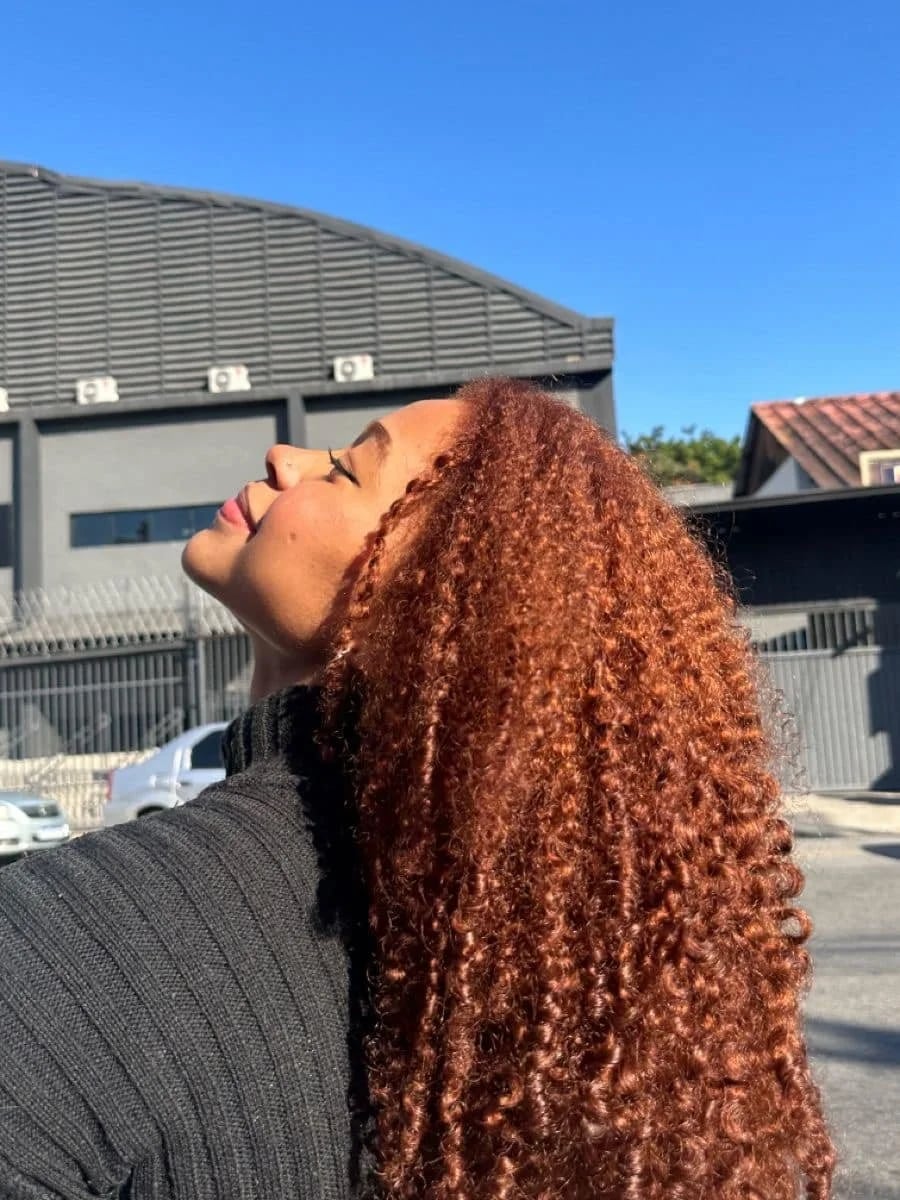
Thick, curly hair at mid-back length carries copper red with warm undertones in a way straight hair cannot: every coil catches light on a different plane, so the color looks deeper at the root and brighter at the ends. The layered cut does the volume work; the color does the dimension. Ask your colorist for: vibrant copper red with warm undertones, thick curly hair. This suits high-density curls and anyone who wants the shade to look natural. Fine or low-density curls can wear it too, but the warmth shows more on a thinner canopy. Use a curl-defining cream and a diffuser, skip the brush, and book a toning appointment every six to eight weeks to keep the warmth from going orange.
Thick Wavy Copper
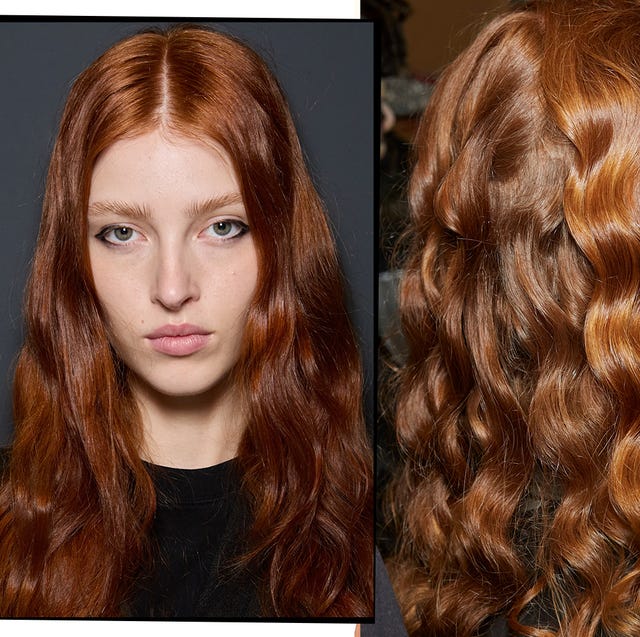
There is a difference between ordering a copper shade and getting one with depth instead of flatness. On thick, wavy hair at mid-back length, the color needs to land with dimension. This vibrant copper works because the subtle tone variations across the waves mimic how light hits a naturally warm base. The loose waves and middle parting let the shade appear dimensional, not solid.
Ask your colorist for: vibrant copper with subtle tone variations. The technique here matters: a single gloss will not cut it. Your colorist will likely use a combination of a copper base and a few slightly lighter pieces painted in to create that soft variation. Thick hair holds this kind of pigment well, so the color stays rich longer between appointments. Style with a large barrel wand and a heat protectant, or let the natural wave do the work. A trim every ten to twelve weeks keeps the ends healthy enough to show off the color.
Dark Brown With Lighter Highlights
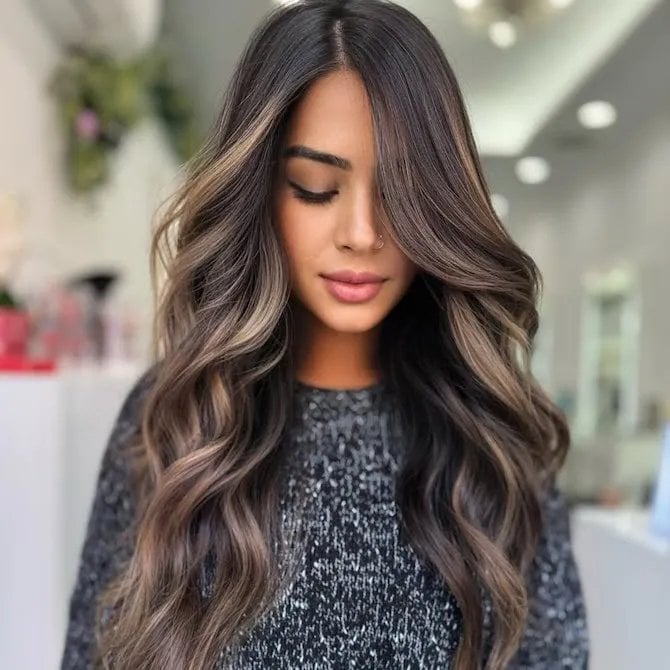
Ever wonder how some women keep dimensional brown hair looking fresh for months without a root line screaming at you? The answer is in how the highlights are placed. This mid-back length style uses a dark brown base with subtle lighter brown highlights woven through thick, wavy hair. Curtain bangs frame the face softly, and a middle parting keeps the look balanced.
Ask your colorist for: dark brown base with subtle lighter brown highlights. The highlights here are fine and placed close to the natural part, so the grow-out is soft, not stark. The honest drawback: the lighter pieces can fade to a warmer gold over eight to twelve weeks, especially if you wash often. A purple shampoo once a week keeps them cool, and a toning appointment every ten weeks resets the shade. Use a texturizing spray on damp waves to enhance the dimension, and blow-dry the curtain bangs forward with a round brush. A trim every eight weeks prevents the ends from tangling with the waves.
Final Thoughts
For low maintenance, choose dimensional color that grows out softly, like subtle highlights or balayage. Fine hair benefits from techniques that add the illusion of depth and thickness.
- Deep condition weekly to maintain shine and health.
- Use color-safe shampoos and conditioners to preserve tone.
- Tone every 8 to 12 weeks for blonde shades.
- Trim split ends every 6 to 10 weeks.
Embrace the subtle beauty of natural hair color.