
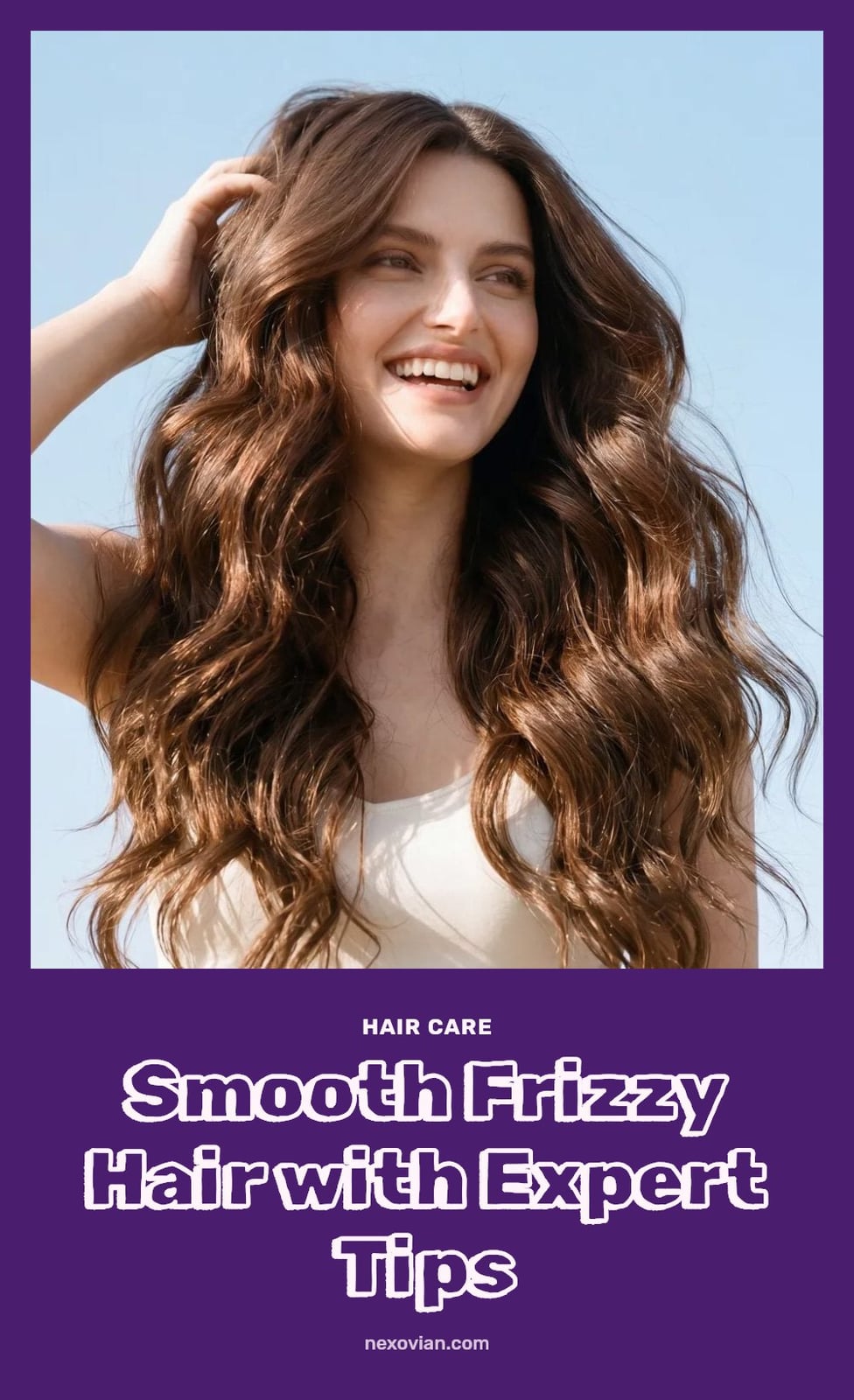
Frizz is basically your hair’s way of asking for a drink. When the outer cuticle lifts, humidity sneaks in and makes strands swell unevenly, leaving you with that puffy, uncooperative look. The good news is that frizz is totally manageable once you understand what’s causing it and how to lock in moisture the right way. This article walks you through the root causes, the exact products to reach for, and a step-by-step routine that actually works for wavy and frizz-prone hair.
Key Takeaways
- Frizz starts when the hair cuticle is raised, letting humidity swell the shaft unevenly.
- Always style on soaking wet hair so products absorb instead of sitting on top.
- Use a leave-in conditioner, curl cream, and lightweight gel in that order for definition.
- Switch to a sulfate-free shampoo and deep condition once a week to prevent dryness.
- Swap a terry towel for a cotton t-shirt and use a diffuser on low heat to reduce friction.
Why Does My Hair Get Frizzy?
Frizzy hair happens when the outer layer of your hair, the cuticle, is raised. That lifted cuticle lets moisture from the air slip inside, and the hair shaft swells unevenly, so strands kink and puff instead of lying smooth. Dry hair frizzes fastest because it actively pulls moisture from the surrounding air. High humidity, heat damage, and rough handling all make it worse: each one lifts the cuticle further or strips the natural oils that would otherwise keep it flat.
Understanding the Root Causes of Frizzy Hair
Think of frizz as thirst. Dry hair absorbs water vapor from the air, and the more porous the strand, the faster it drinks and the more it swells.
What lifts the cuticle
- Humidity: moist air pushes under a raised cuticle and swells the shaft unevenly, so hair puffs in every direction.
- Heat and chemical damage: hot tools used without protection and chemical treatments crack the cuticle’s outer layer, leaving gaps that let moisture in.
- Over-washing and harsh shampoos: too much cleansing strips the oils that coat and smooth the strand, and dry hair then grabs moisture from the air.
- Rough towel-drying: rubbing with terry cloth creates friction that lifts the cuticle before your hair is even dry.
- Porosity: high-porosity hair takes in moisture easily and loses it just as fast, so it frizzes more than low-porosity hair in the same weather.
Essential Products for Frizz-Free Hair
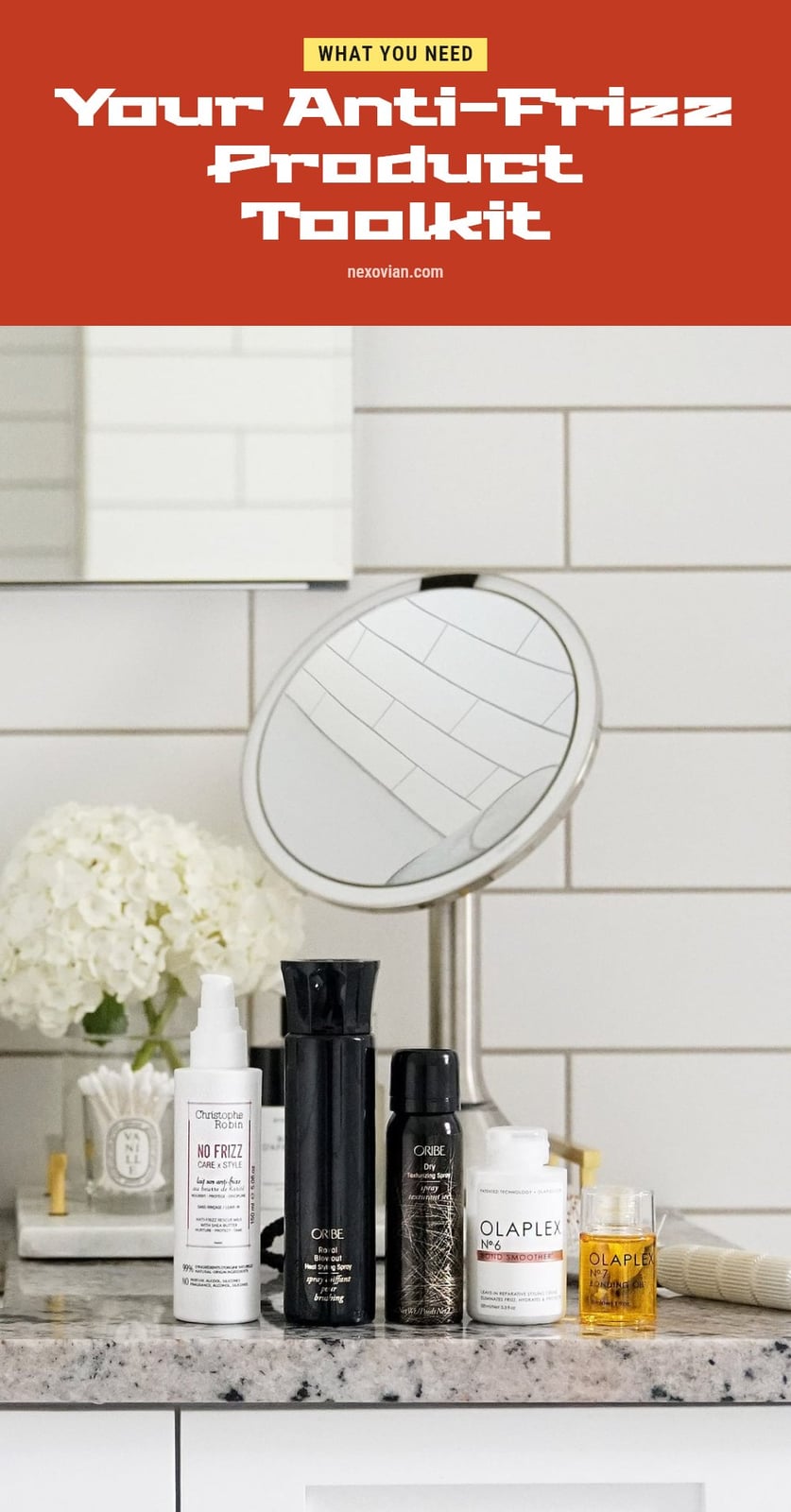
You do not need a cabinet full of products, but each of these does a specific job. Skip one and the routine has a gap.
- Sulfate-free shampoo and moisturizing conditioner: cleans gently so natural oils stay in place.
- Leave-in conditioner: adds and seals in moisture, which matters most for dry, coarse, color-treated, or damaged hair.
- Curl cream or anti-frizz serum: enhances wave definition and smooths the cuticle.
- Lightweight gel or mousse: holds the style without crunch so waves last longer.
- Microfiber towel or cotton t-shirt: blots water out with far less friction than terry cloth.
- Diffuser attachment: spreads air for even, low-heat drying that keeps frizz down.
Step-by-Step: Taming Frizzy Wavy Hair for Definition
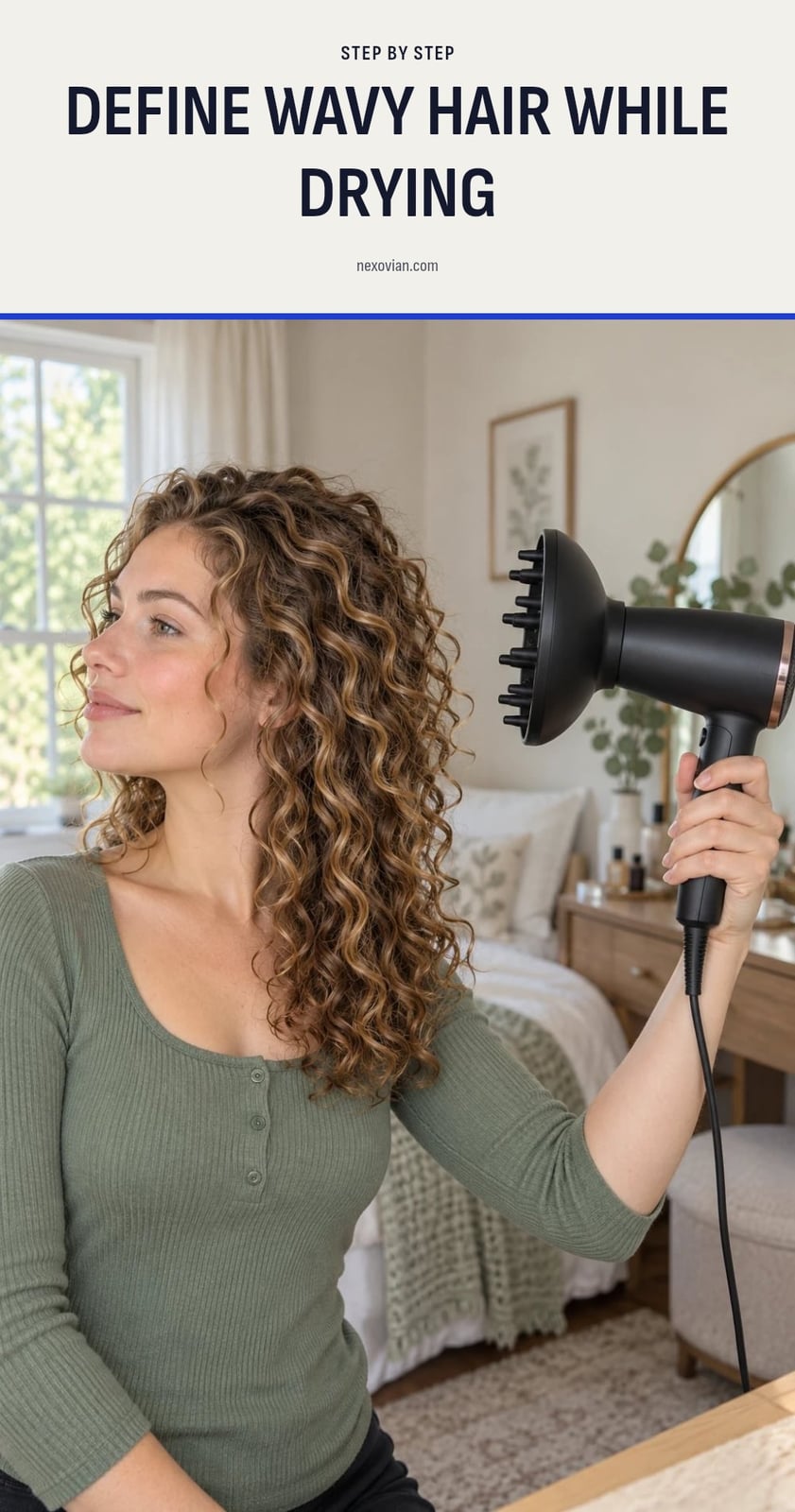
The order below matters as much as the products. Work through it on soaking hair and handle every step gently.
- Soak your hair: wet it until it makes a squishing sound when you squeeze a section. Keep a spray bottle nearby and re-wet any part that starts to dry while you style.
- Apply leave-in conditioner: squish it into the hair in sections so it absorbs rather than sitting on top.
- Add curl cream: use a small amount, worked through the lengths, to bring out waves without weighing them down.
- Brush it through: run a brush through to distribute the products evenly and encourage wave formation.
- Scrunch and hold: cup sections in your hands, squeeze gently, and hold for a few seconds. For more definition, brush a section, twirl the ends around the brush to form a barrel shape, then scrunch and hold.
- Apply gel or mousse: spread a lightweight gel or mousse over all your hair to lock the style in place.
- Scrunch again: squeeze gently to work the hold product in. Aggressive scrunching creates friction, and friction creates frizz.
- Blot with a cotton t-shirt: scrunch the fabric lightly against your hair to lift excess water and speed up drying.
- Diffuse on low: use the lowest heat and air settings and move the diffuser gently. Constant movement roughs up the cuticle, so keep it slow.
My tip: a spray gel gives hold without crunch and keeps volume, which helps if heavier gels flatten your waves.
Prefer to watch? Hang walks through the whole method in this 4-minute video.
Common Frizz-Causing Mistakes and How to Avoid Them
Most frizz comes from small mistakes made during your routine. Fix these and you will see a difference immediately.
- Not styling on wet hair: Products sit on top of dry hair instead of absorbing, which makes it feel greasy without controlling frizz. Keep a spray bottle handy and re-wet any section that dries out while you work.
- Skipping leave-in conditioner: Dry hair actively pulls moisture from the air, and a leave-in is the barrier that stops that. Without it, every wave fights dehydration from the start.
- Using too much or too little curl cream: A pea-sized amount is enough for short to medium hair. Too little leaves waves undefined and frizzy; too much weighs them down and flattens the pattern.
- Aggressively scrunching hair: Friction from rough scrunching lifts the cuticle and creates instant frizz. Gently cup sections in your palm, squeeze, and hold for a few seconds instead.
- Letting hair air dry for hours: Prolonged exposure to humidity while drying actually worsens frizz. Blot with a cotton t-shirt towel first, then finish with a diffuser on low heat.
- Brushing dry hair: For wavy and curly textures, a dry brush breaks up wave clumps and creates a fuzzy halo. Only use a wide-tooth comb or brush when your hair is wet and coated with product.
- Using heat styling without protection: Heat damages the cuticle directly, making it permanently raised and more porous. A heat protectant spray is non-negotiable before any hot tool touches your hair.
Long-Term Strategies for Preventing Frizz

Switching to a sulfate-free shampoo and conditioner is the foundation. Sulfates strip natural oils, which leaves hair drier and more reactive to humidity. A gentle cleanser keeps the moisture your products add right where it belongs.
Deep condition regularly: Use a deep conditioning mask once a week or every other week. This replenishes moisture and smooths the cuticle from the inside out. My tip: leave it on for at least 5 minutes for better absorption.
Protect hair from heat: Heat damage lifts the cuticle permanently. Always spray a heat protectant before any blow-drying or styling. Skip this step and you undo every other effort.
Sleep on a silk or satin pillowcase: Cotton creates friction that roughs up the cuticle overnight. A smooth surface reduces that friction and prevents breakage and frizz by morning.
Get regular trims: Split ends travel up the hair shaft and make frizz worse. A trim every 6-8 weeks keeps ends sealed and the overall structure healthy.
Incorporate hair oils or butters: After styling, rub a drop between your palms and smooth it over the ends and surface. This seals in moisture and adds a protective layer against humidity. Use sparingly to avoid buildup.
Frizz Control: What to Expect and When
Immediate results: You will see smoother, more defined hair right after styling if you use the right products and techniques. The combination of leave-in conditioner, curl cream, and gel seals the cuticle and shapes waves on the spot.
Short-term benefits (days to weeks): Consistent use of moisturizing products like leave-in conditioners and deep conditioning masks softens hair noticeably. Your hair becomes more manageable and less reactive to humidity with each wash.
Long-term health (weeks to months): Regular trims remove split ends that travel up the shaft and cause frizz. Protective practices like heat protection and silk pillowcases reduce cumulative damage, lowering your hair’s overall tendency to frizz.
Cost overview: Anti-frizz products range from budget-friendly drugstore options (under $10-$20) to mid-range salon brands ($20-$40) and high-end specialty products (over $40). You can build an effective routine at any price point.
Frequently Asked Questions
Why is my hair still frizzy after I wash it?
Most likely your hair wasn’t wet enough when you applied products, or you skipped a leave-in conditioner. Dry sections won’t absorb moisture properly, and without a leave-in, the cuticle stays lifted. Try re-wetting your hair thoroughly until it makes a squishing sound, then apply a leave-in conditioner before anything else.
Can I air dry my hair without it getting frizzy?
Yes, but you need to set the style first. Apply leave-in conditioner, curl cream, and a lightweight gel on soaking wet hair, then scrunch gently. Letting hair air dry for hours without product or on half-dry strands often leads to frizz. If you air dry, keep a spray bottle handy to re-wet any parts that dry too fast.
How often should I deep condition my hair for frizz?
Once a week or every other week is a good starting point. If your hair is very dry, damaged, or color-treated, you might benefit from weekly deep conditioning. Pay attention to how your hair feels, if it still feels thirsty after a few days, bump up the frequency.
What’s the best way to refresh wavy hair on non-wash days?
Lightly mist your hair with water until it’s damp but not soaked. Add a small amount of leave-in conditioner or a spray gel, then scrunch gently to reactivate the waves. Avoid brushing dry hair, which can break up curl patterns and cause frizz. Let it air dry or use a diffuser on low heat.
Do cold rinses really help with frizz?
Cold water rinses are often suggested to help seal the hair cuticle and reduce frizz, but scientific evidence is limited. Many people find it makes their hair shinier and smoother. It’s a simple, low-risk step to try after conditioning, just don’t expect it to fix severe frizz on its own.
Final Thoughts
Start with one change tonight: style your hair on soaking wet hair using a leave-in conditioner, a tiny bit of curl cream, and a lightweight gel. That single switch will cut frizz more than any product alone. Be patient with long-term results, consistent deep conditioning and gentle handling pay off over a few weeks. Frizz is normal, but with the right routine, you can keep it under control and let your natural texture shine.

