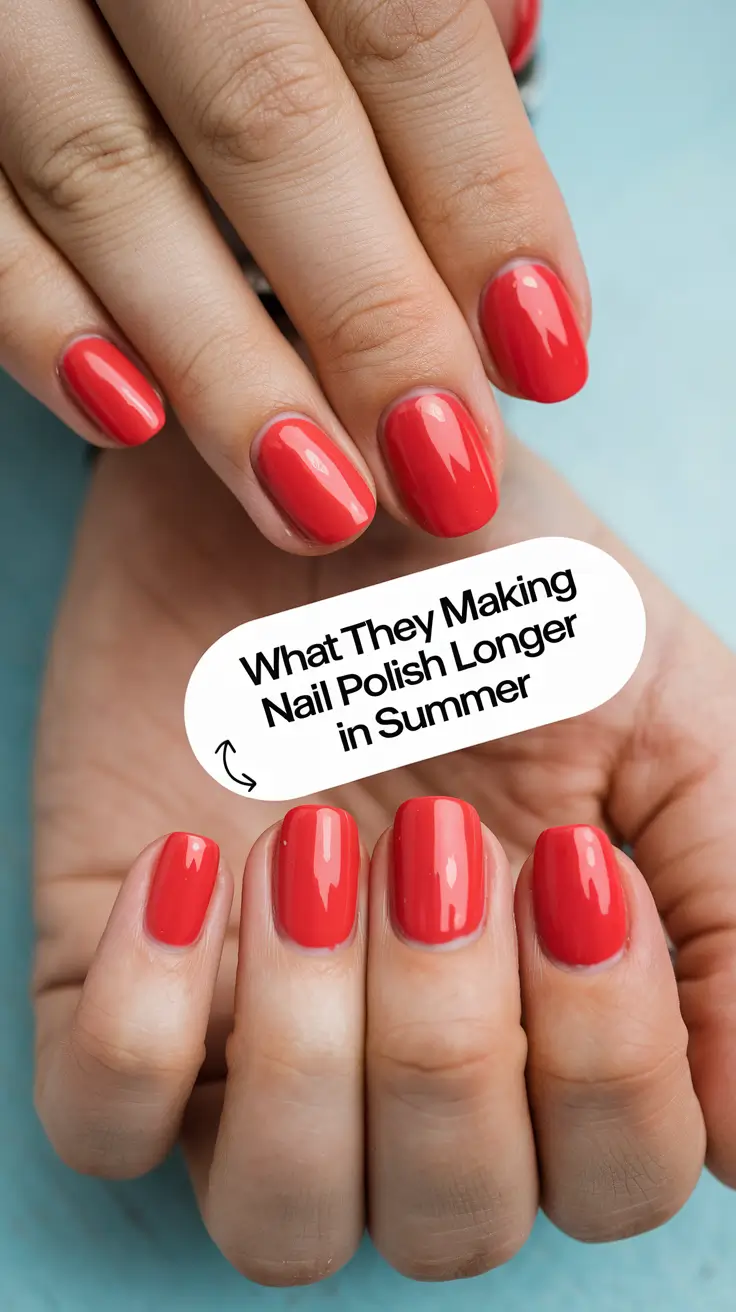
Summer heat, sweat, time in the ocean, and sudden weather shifts ruin most manicures faster than almost anything else. Sun exposure can also dull a color within days. For 2027, this guide breaks down what actually happens to your nails and which fixes really work.
Heat changes the chemistry of nail polish. When the solvent evaporates too fast, the layer goes on unevenly and wears badly. Sweat and the natural oils on your skin then weaken the bond between polish and nail. UV light breaks down the top coat over time, and lighter shades can take on a yellow tint. Chlorine and salt water add their own damage on top of all that.
Chipping and lifting are common during swimming and hiking trips, and the cause is usually both chemical and physical. You don’t need to give up on your nails, though. Below you’ll find prep steps, application methods, and daily care routines that hold up through the hottest months of 2027.
This article is perfect for:
- There is someone who loves painting their nails but hates when they chip.
- This applies to both DIY manicure fans and salon-goers alike.
- Beauty professionals seeking seasonal advice for clients.
The 6 looksOpen list +
The Science Behind Summer Manicure Failures
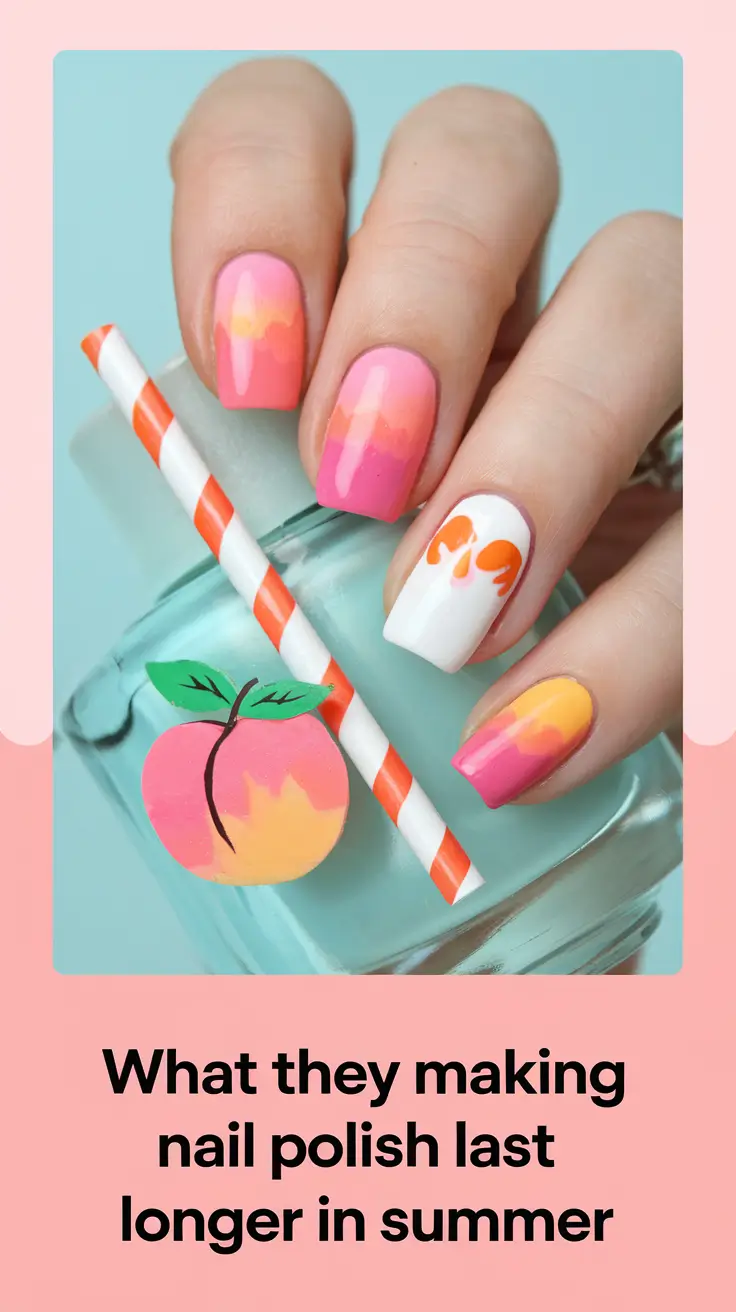
Heat and Humidity Ruin the Bond
Strong heat pushes your body to make more oil, and that includes the skin around your nails. All that oil makes it harder for a base coat to grip the nail plate. Polish that dries too quickly also turns brittle and starts to peel away from the edges.
UV Rays Are the Silent Killer
UV rays break down the pigments in polish, which leads to fading, color shifts, or tiny cracks where the polymer has been damaged. The top layer loses flexibility as well, so it lifts more easily, especially on hands that spend a lot of time exposed to the sun.
Water Exposure and Quick Drying
Pool visits, beach days, and even daily showers keep your hands wet. As the nail absorbs water, it swells, and when it dries and shrinks back, the polish can crack. Many people make this worse by letting their nails dry in direct sunlight, which is a mistake worth avoiding.
Summer-Proofing Your Manicure Step by Step
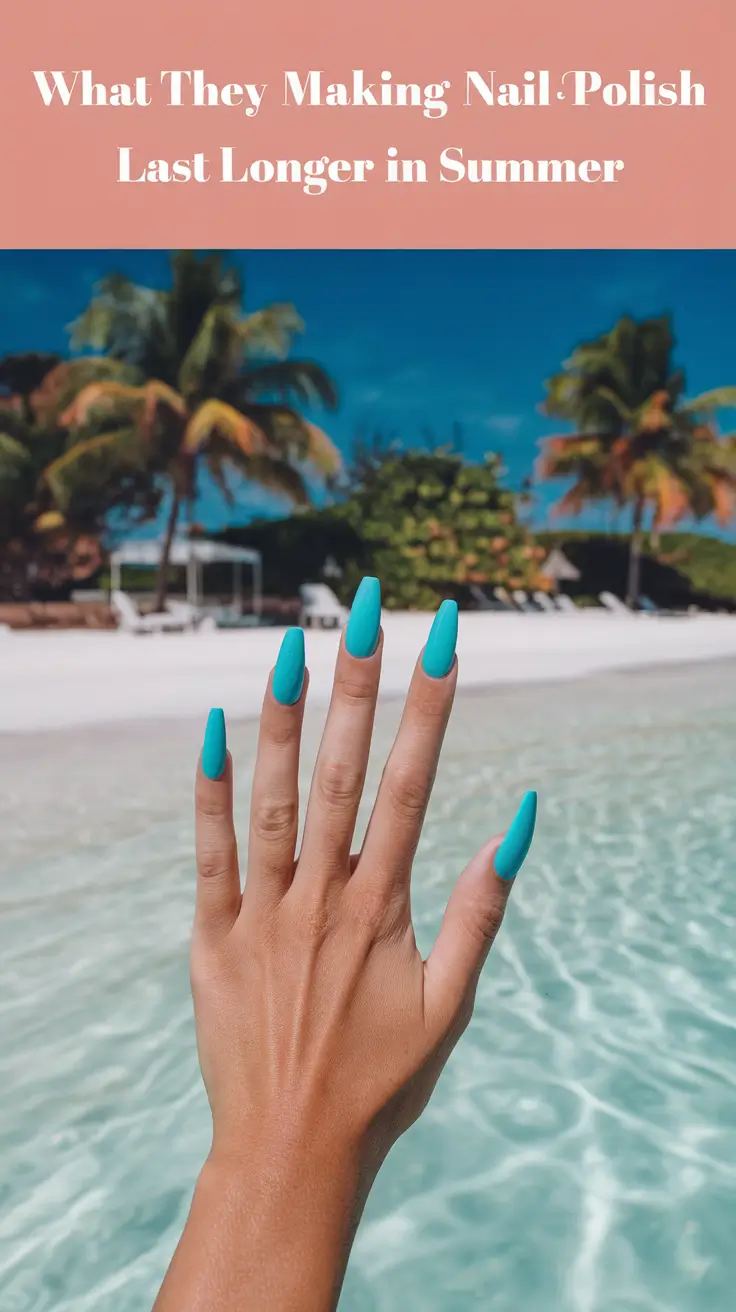
Choose the Right Products for the Season
Not all nail polishes perform the same way. For summer, long-wear formulas that offer heat resistance and built-in UV protection are your best bet. Quick-dry polishes tend to wear out sooner than the rest.
| Top Summer-Resistant Products 2027 | Price | Features |
|---|---|---|
| OPI Infinite Shine ProStay | $14 | UV filter, 11-day wear |
| Essie Gel Couture | $12 | No lamp needed, glossy finish |
| CND Vinylux Weekly Polish | $11 | Built-in base coat, salon-grade |
| Zoya Naked Manicure Base | $10 | Breathable, strengthening |
| Seche Vite Dry Fast Top Coat | $9 | Thick, durable shield |
Application Tips That Actually Work
- Apply thin layers—they dry better and flex with the nail.
- Let each layer sit for 2–3 minutes before adding the next.
- Cap the edges of the nail by sweeping polish across the tip.
- Avoid fans or blow-dryers—they cause bubbles and weaken the bond.
Prepping Nails Like a Pro: Your First Line of Defense
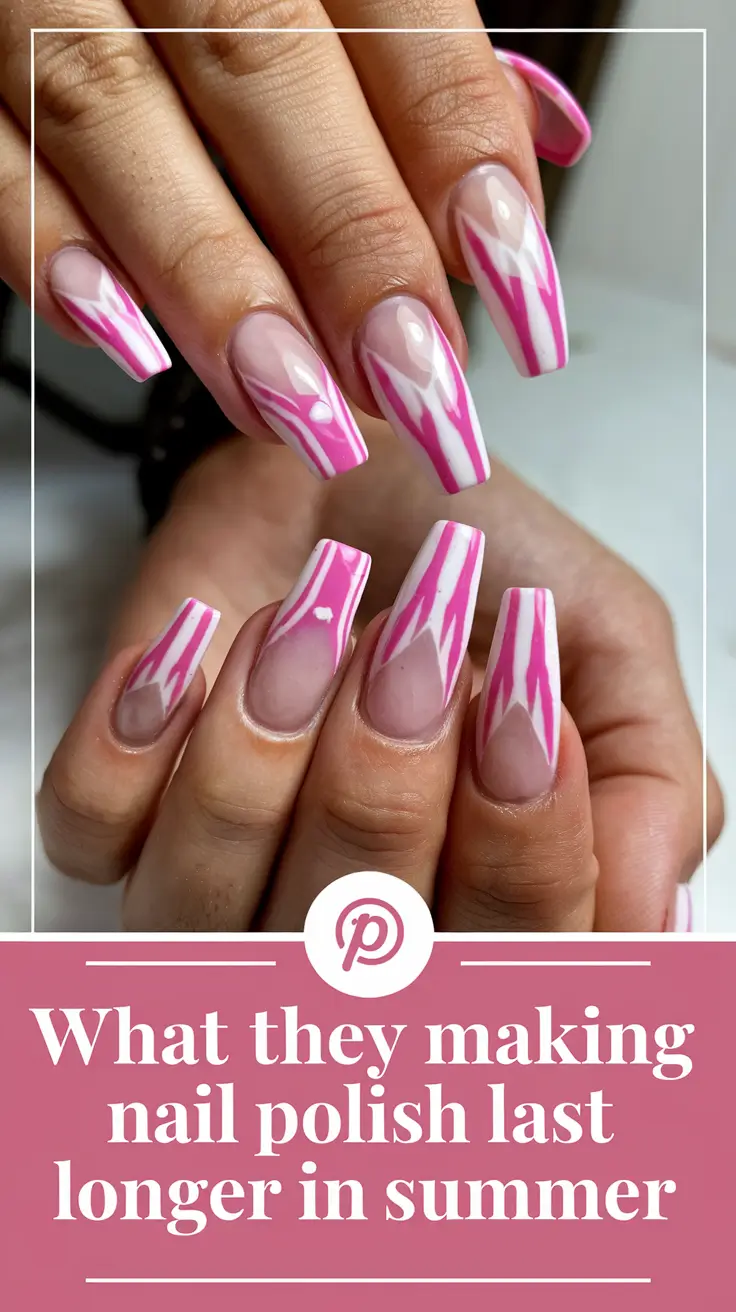
Start With Clean, Dry Nails
Wash your hands with soap and water before you paint, then give your nails a full 10 minutes to dry completely. Any moisture left under the polish will make it lift much faster.
Checklist for Prep:
- Use a non-oily nail polish remover.
- Lightly buff the surface for better adhesion.
- Wipe nails with isopropyl alcohol or a dehydrator.
- Never skip the base coat.
Why Nail Shape Matters
Round or oval shapes hold up better than square ones, even though square nails look sharp and trendy. Rounded and oval nails are less likely to catch on fabric, zippers, or pool toys because of their sturdier shape. File in one direction only, since back-and-forth filing creates tiny tears that can grow into splits.
What’s New in 2027: Pro Innovations for Heat-Proof Nails
Trending This Year
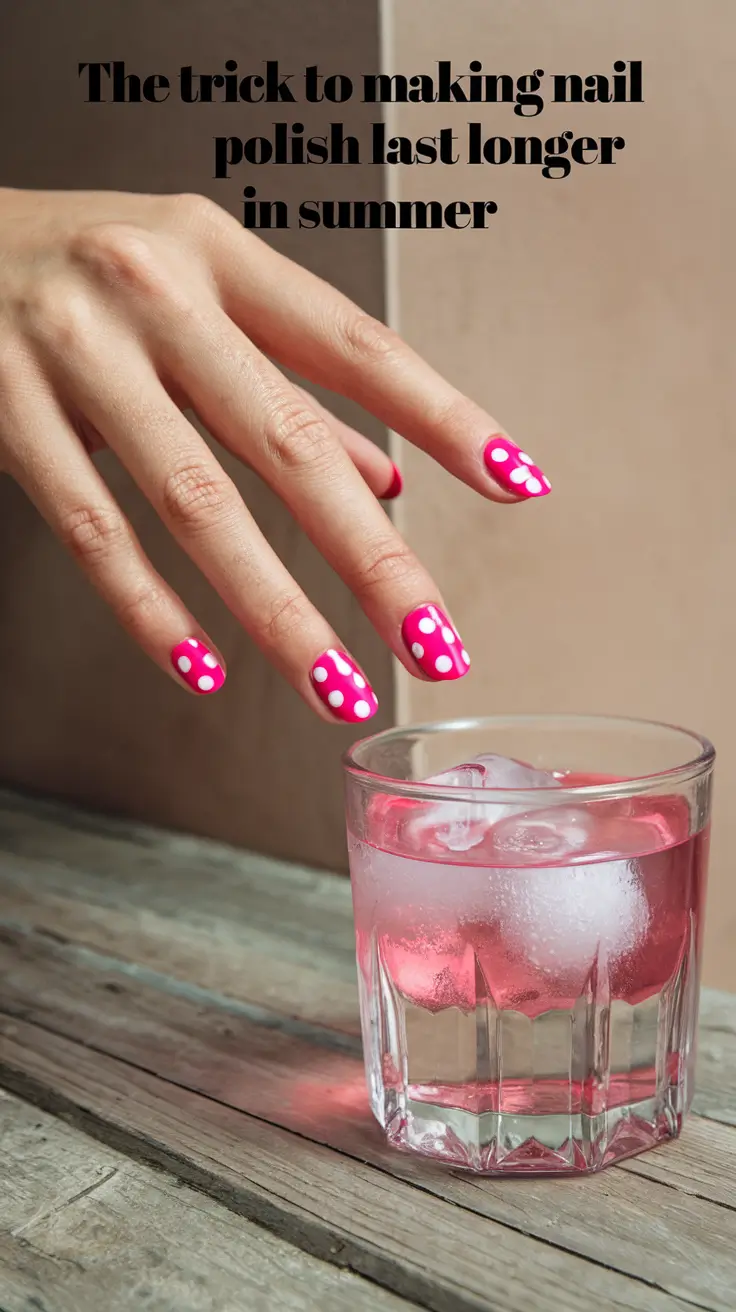
- Thermal-protect topcoats that reflect heat.
- There are UV-blocking polish formulas available.
- Breathable bases that regulate moisture.
Products to Watch
The brands Olive & June and Londontown both offer hybrid polish-care lines that combine treatment and color, which makes them a handy choice for summer nails.
Recap — The 5 Golden Rules for Long-Lasting Summer Manicures
- Prep is everything—clean, buff, and dehydrate.
- Stick with thin layers—more is not better in the heat.
- Use seasonal products—UV filters and flexible finishes are key.
- Reapply the top coat every few days.
- Treat your hands kindly—gloves, cool water, and gentle care.
The Worst Mistakes That Sabotage Your Summer Polish
Bad Habits That Ruin Everything
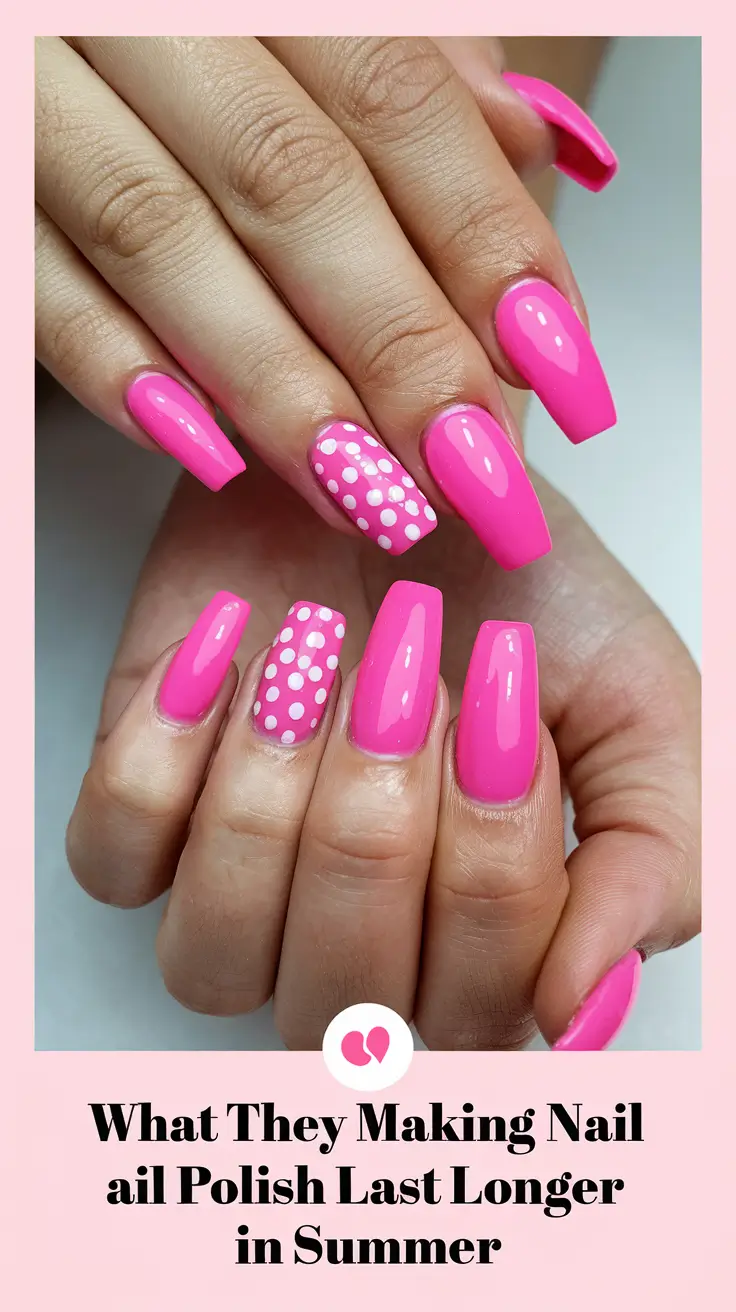
- You should apply cream before polish.
- The artist is layering new color over old without cleaning it.
- I am using expired products.
Incompatible Products
Base coats and top coats from different brands don’t always work well together. When the formulas clash, you can get lifting or bubbling. Stick with a complete system from one brand, or test a new combination on a few nails before doing your full set.
Maintaining the Manicure in a Heatwave
Post-Application Care
Wait until your manicure is fully dry before you moisturize, which usually takes about an hour. Skip petroleum-based lotions and oils, since they soften the polish and make it peel.
Daily Nail-Saving Habits:
- Reapply a clear topcoat every 2–3 days.
- Wear gloves while doing dishes or gardening.
- Don’t pick at chipped polish—remove and reapply.
What to Avoid
- Avoid soaking your nails in hot water or cleaning products.
- Don’t file or cut nails once polish is applied—it breaks the seal.
- Limit time under direct sun with wet nails.
Mini Quiz:
Which of these removes nail polish faster?
A) Swimming, B) Cooking, C) Air conditioning.
Spoiler: All of them, just in different ways!
Final Thoughts—What’s Your Nail Survival Strategy This Summer?
Heat doesn’t have to wreck your manicure. Good prep, the right products, and a simple daily routine can keep your nails chip-free through the intense heat of July.
So here’s the big question:
Which techniques do you use to keep your summer manicures lasting?
If you have tips of your own, we’d love to hear them in the comments.
If this guide helped, share it on Facebook, X, or Telegram so more readers can find it.